
Loading cart...

Full Frame Cinema Lenses
Full frame cinema lenses are designed to cover larger image sensors while maintaining consistent optical performance across the entire frame. As digital cinema cameras have moved toward larger formats, full frame coverage has become a practical requirement rather than a niche option. These lenses are built to resolve across a wider image circle without introducing vignetting, edge softness, or uneven illumination.
Full frame coverage changes both composition and lens selection. Wider fields of view can be achieved without stepping into extreme focal lengths, and depth of field behaves differently compared to smaller formats. For the same framing, a full frame setup often results in a shallower depth of field, which can be used to separate subjects more aggressively from the background. This is one reason full frame formats are used in narrative, commercial, and large-format digital production. In some cases, productions pair large-format sensors with a horizontal squeeze setup to combine a wider field of view with the distinctive oval bokeh associated with that capture format. For close-focus work, dedicated close-focus optics designed for full frame coverage allow productions to capture fine detail while maintaining consistent performance across the larger image circle.
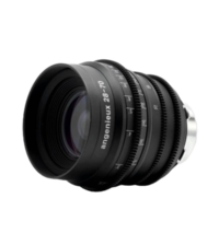

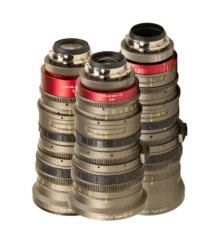
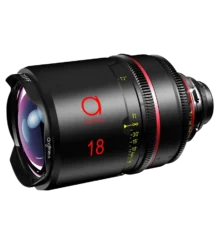
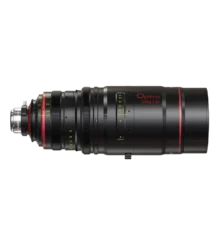
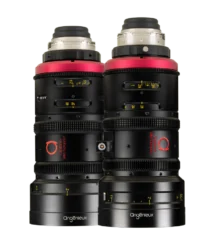
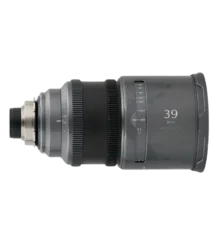

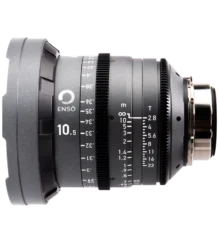

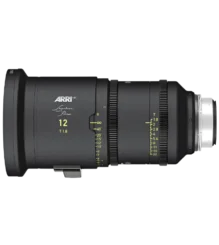
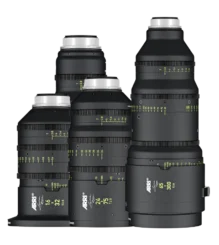
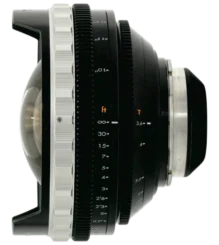

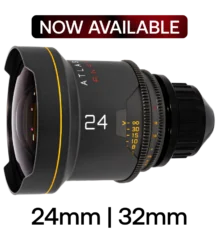

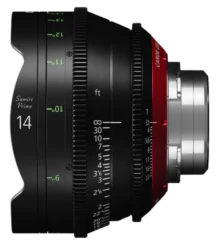

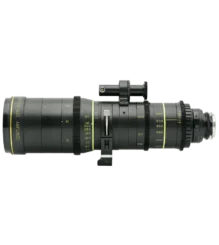
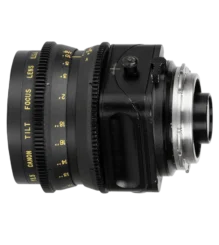
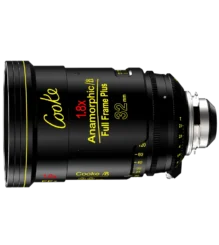

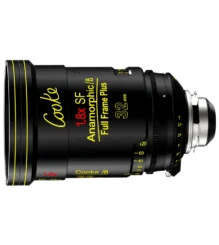

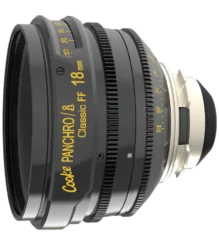
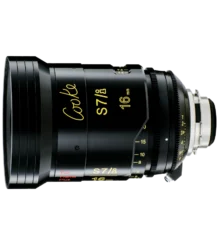
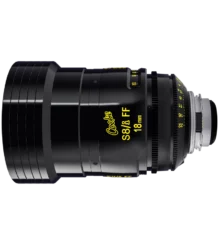
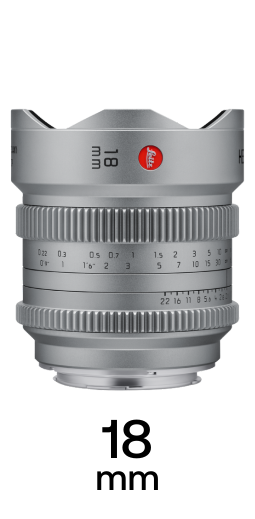
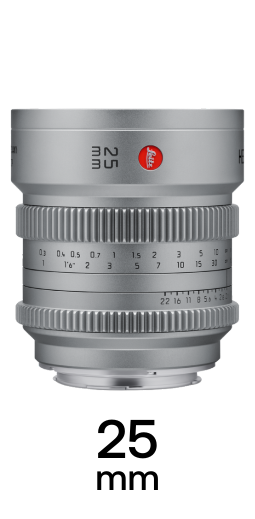
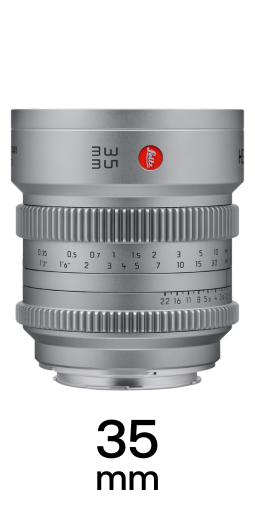
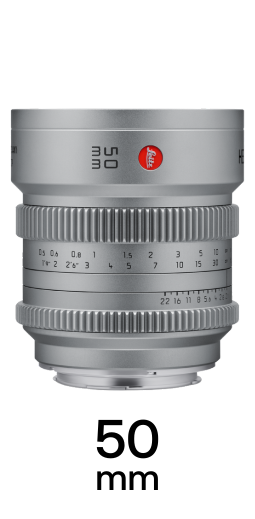
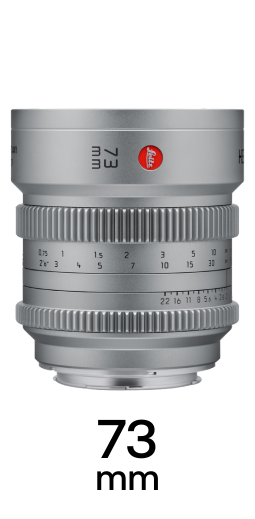
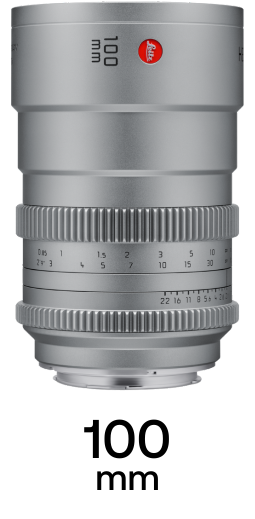
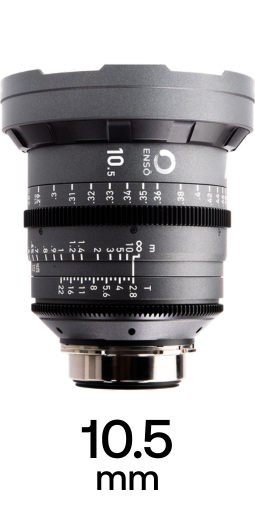
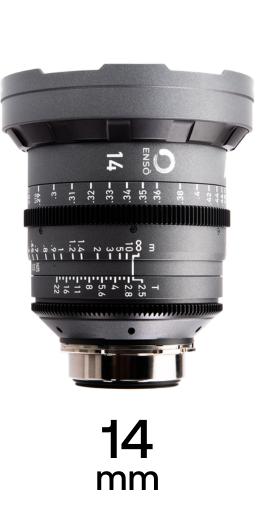
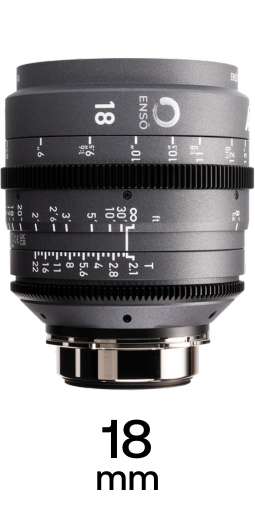
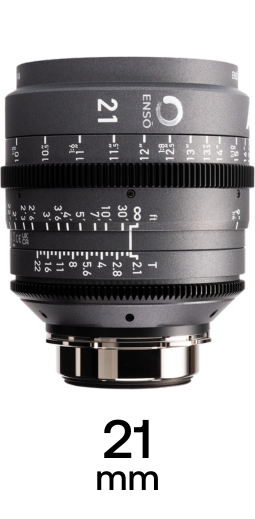
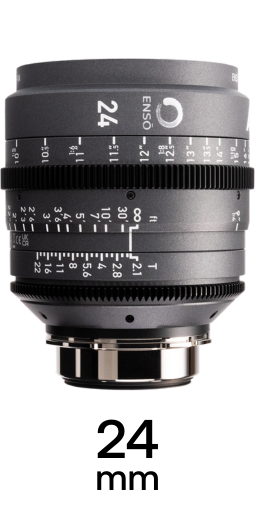
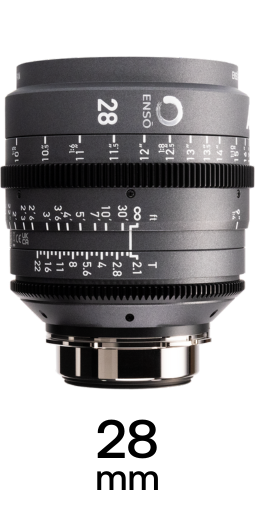
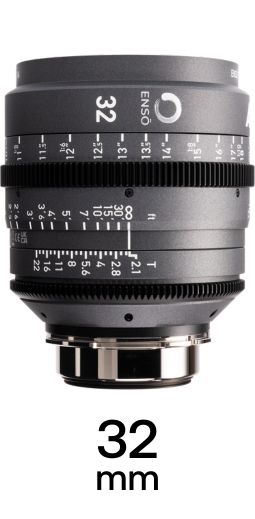
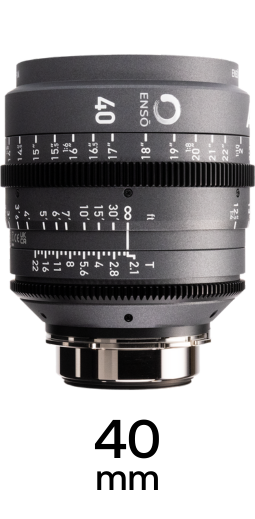
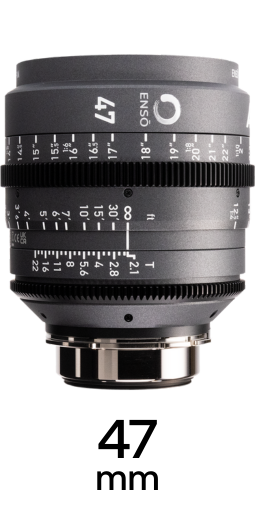
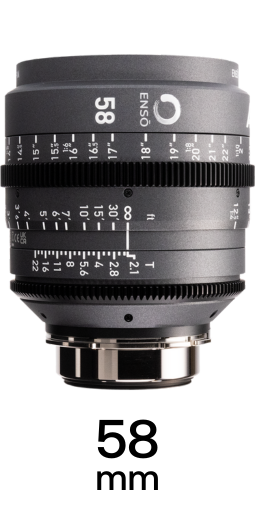
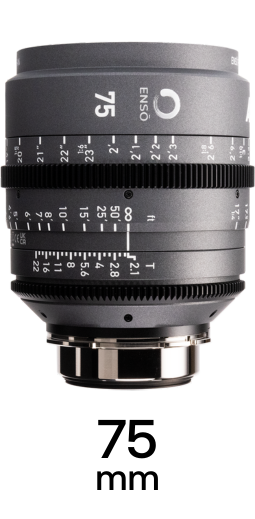
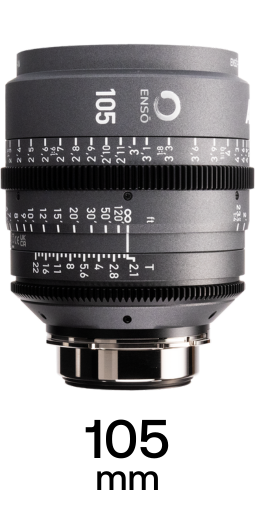
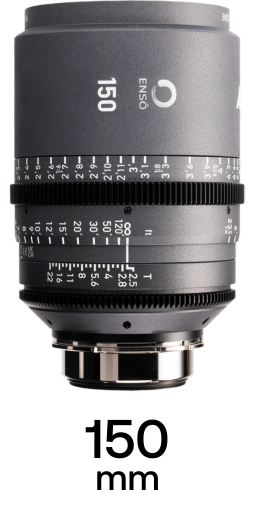
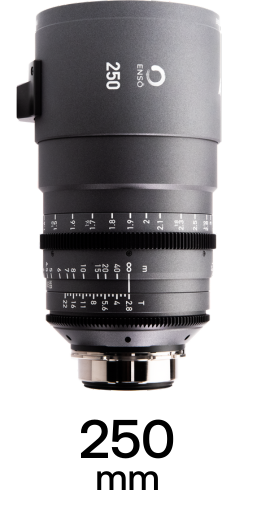


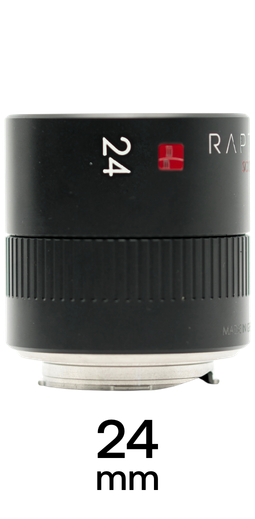
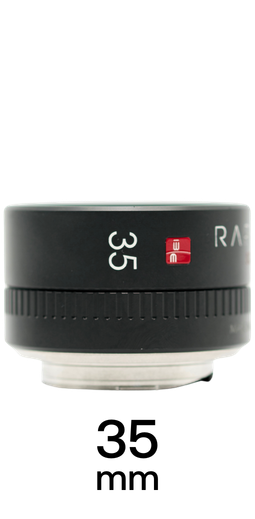
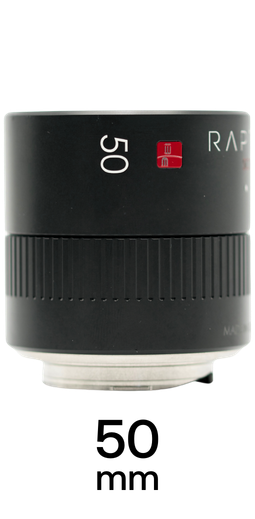
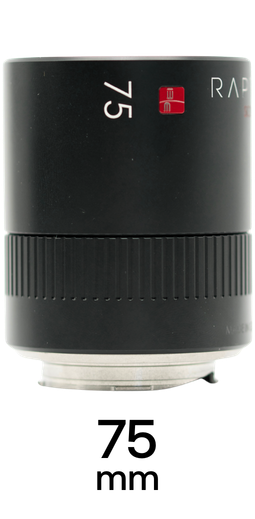
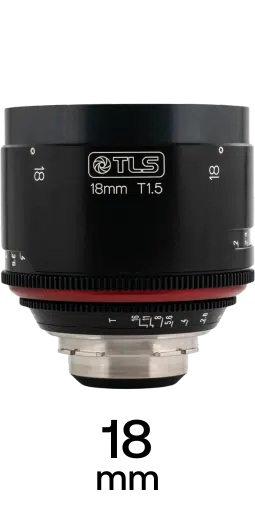
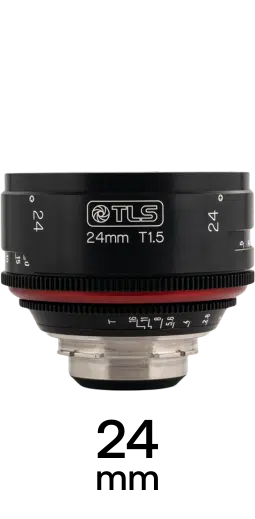
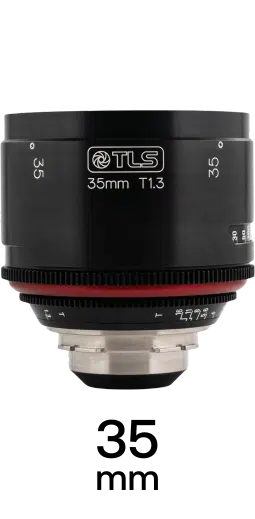
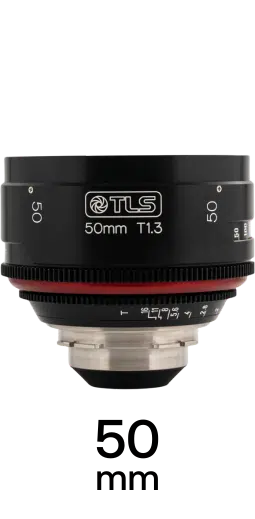
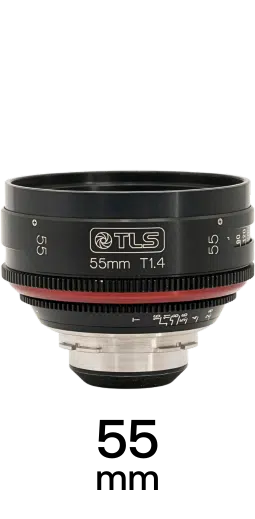
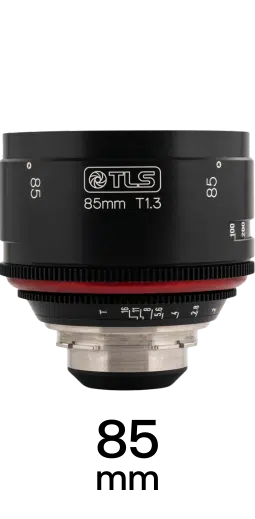
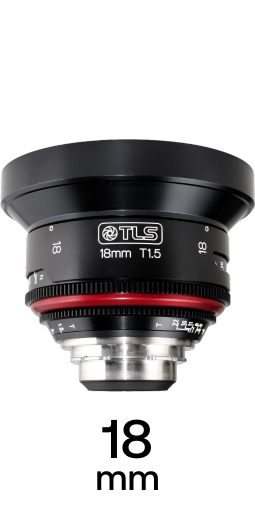
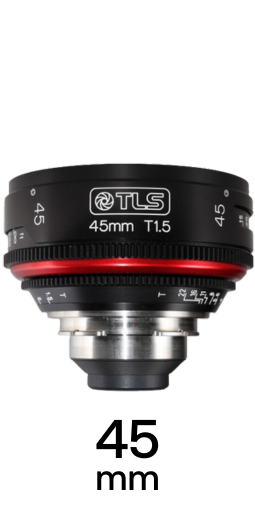
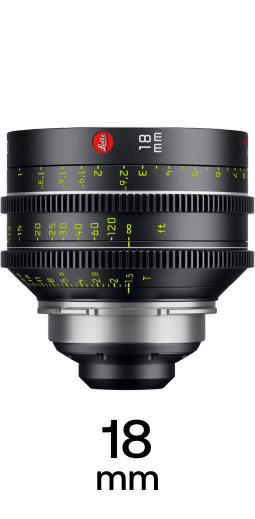
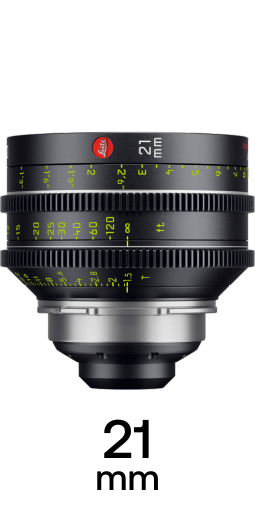
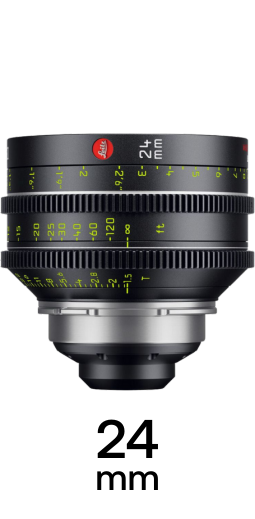
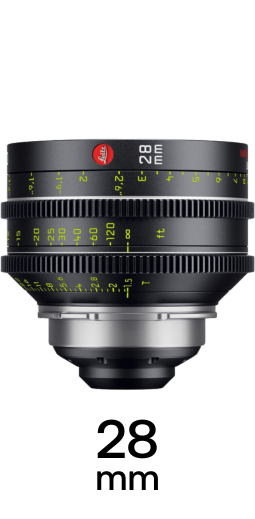
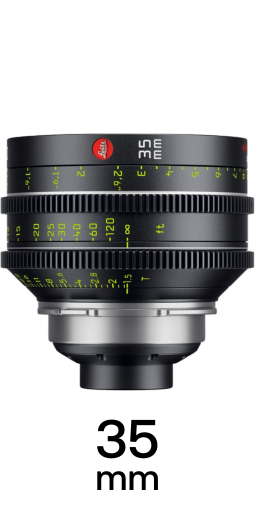
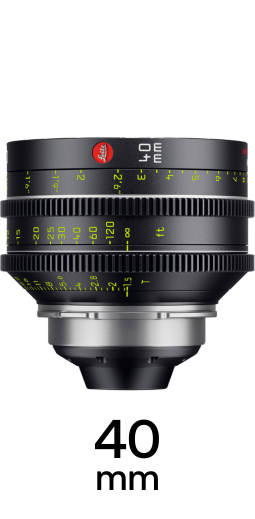
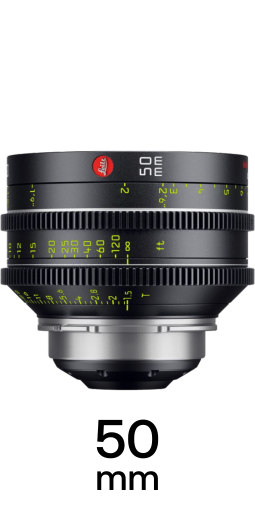
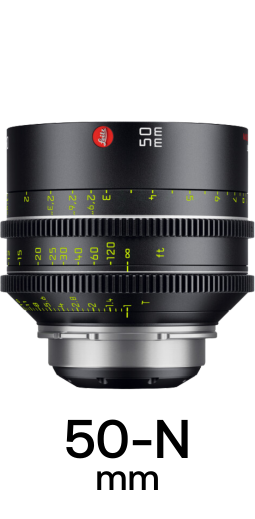
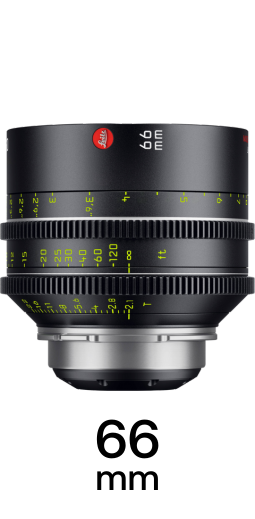
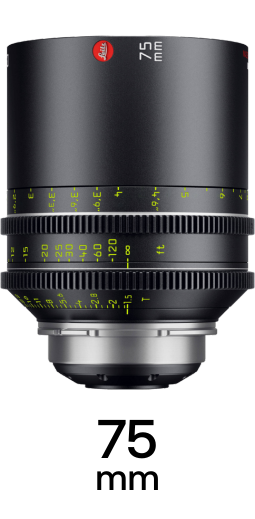
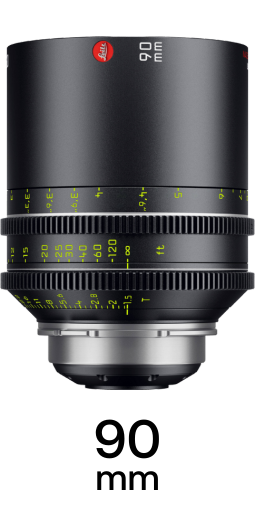
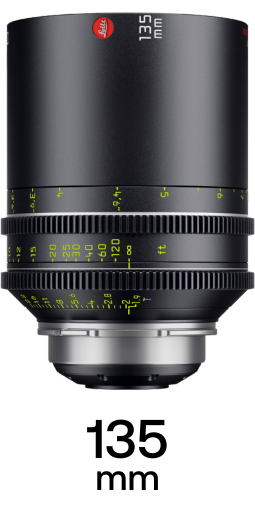
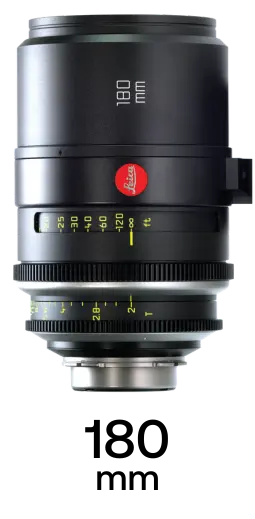
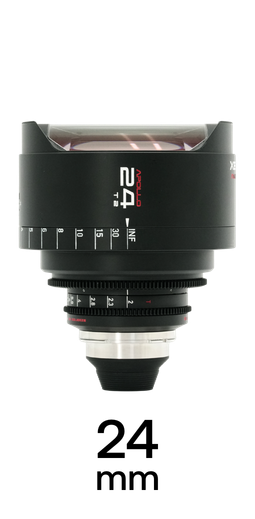
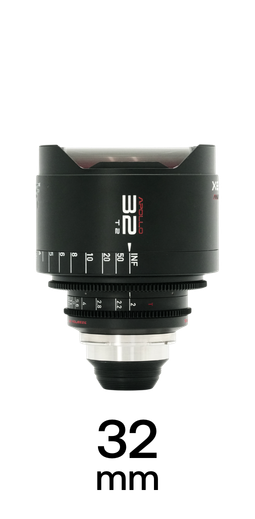
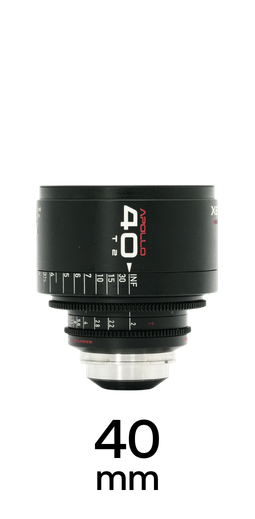
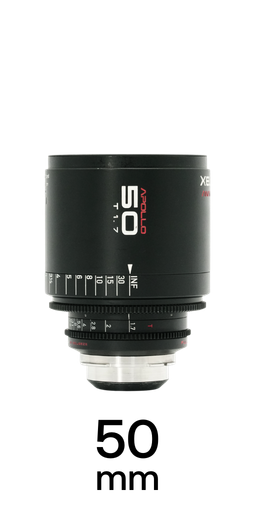
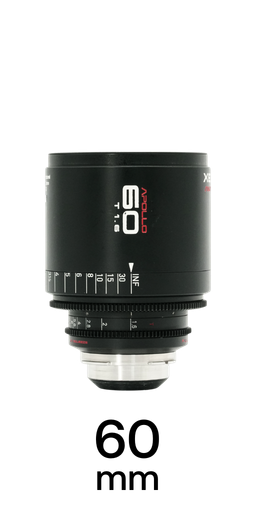
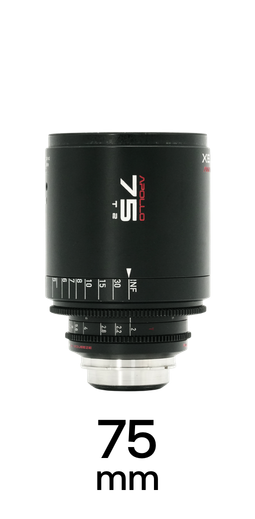
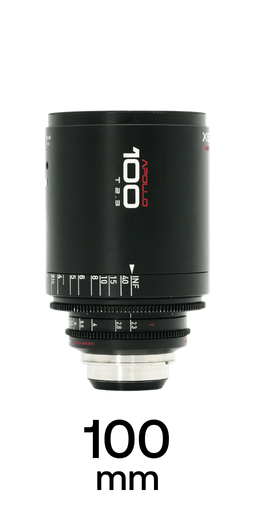
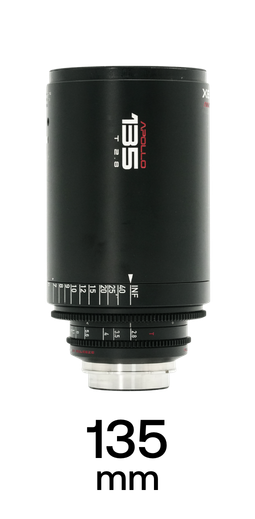
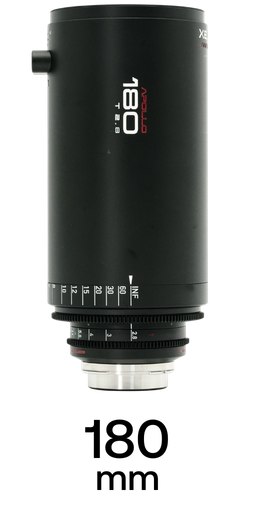
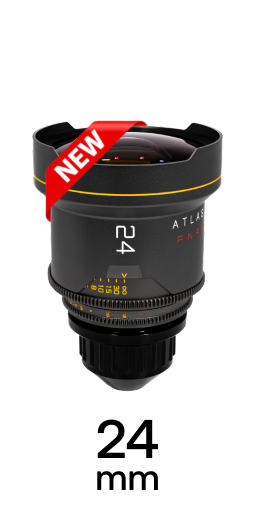
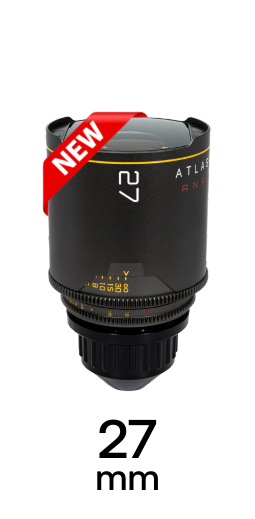
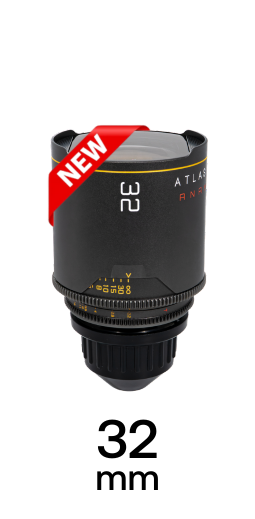
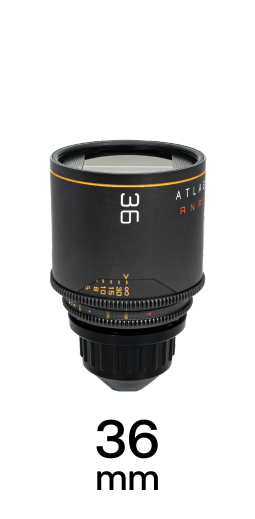
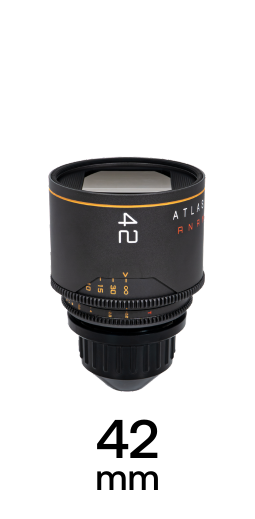
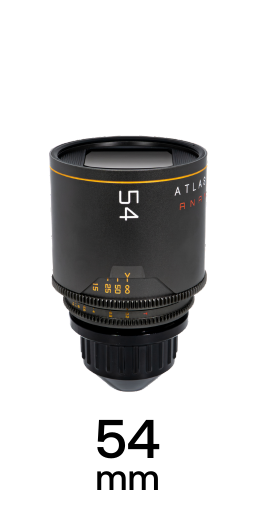
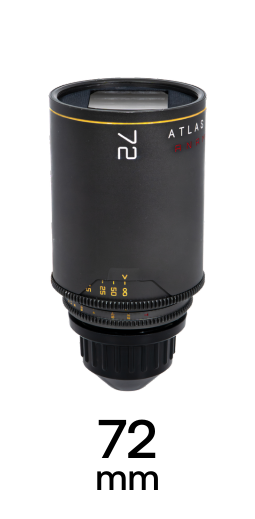
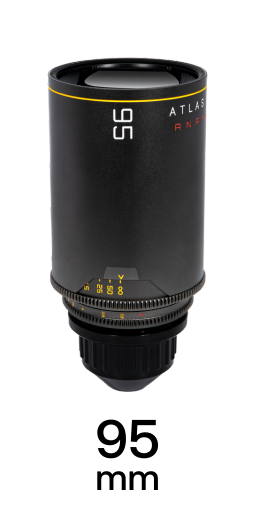
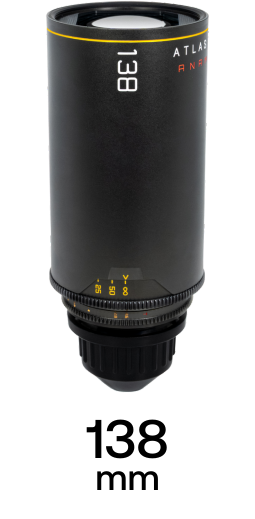
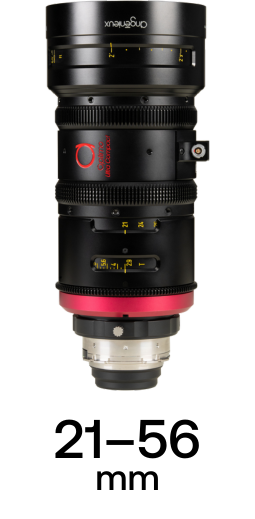
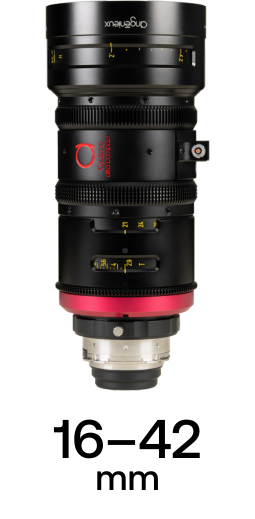
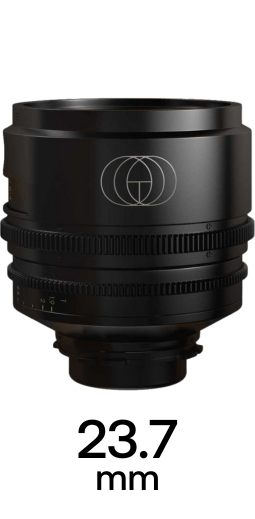
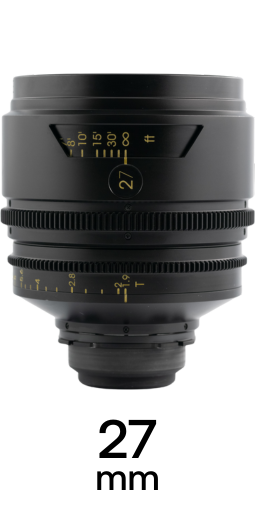
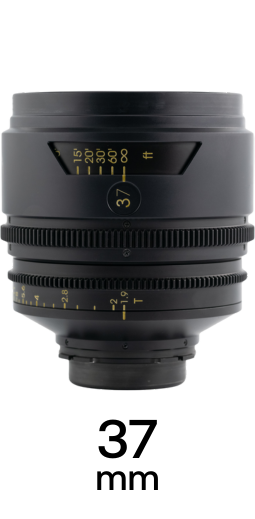
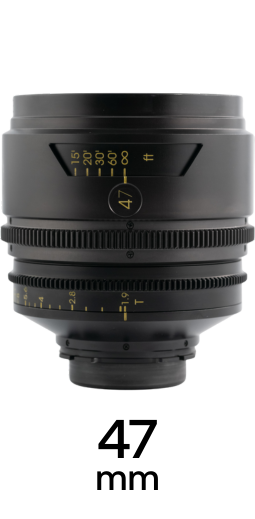
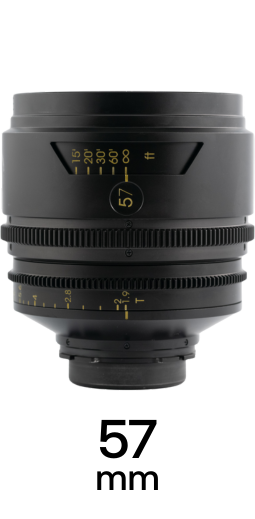
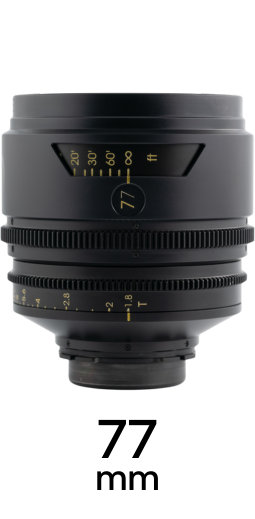
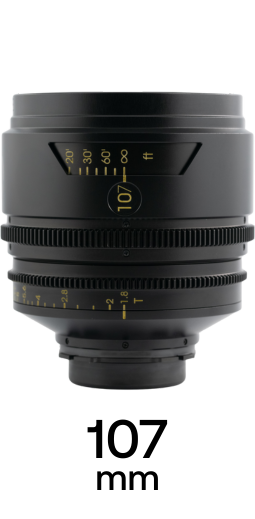
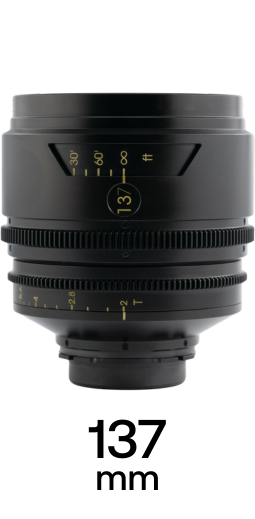
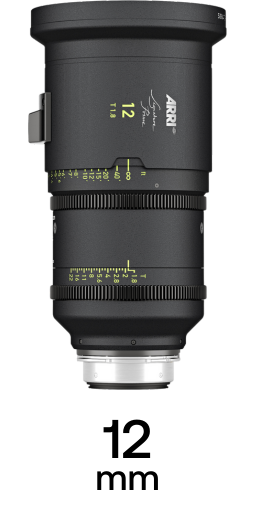
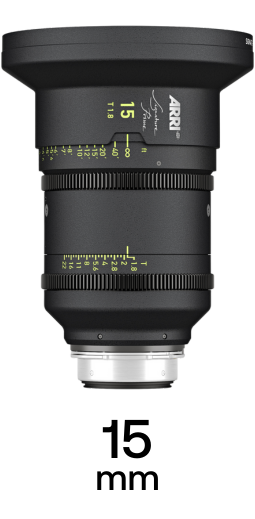
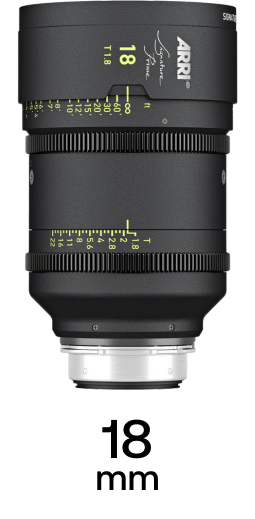
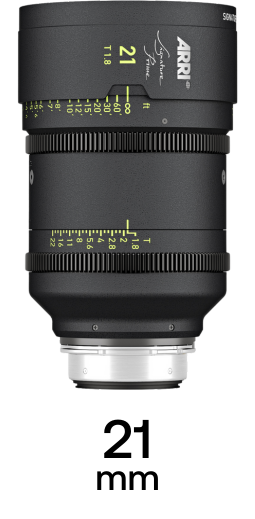
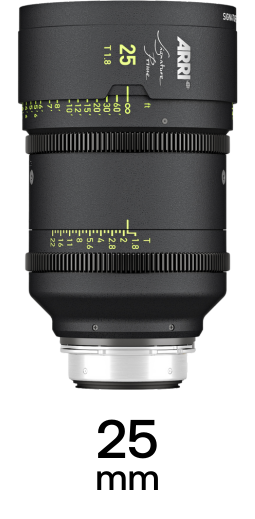
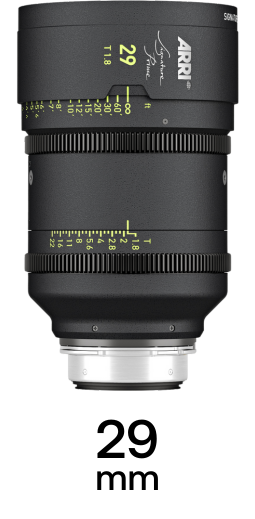
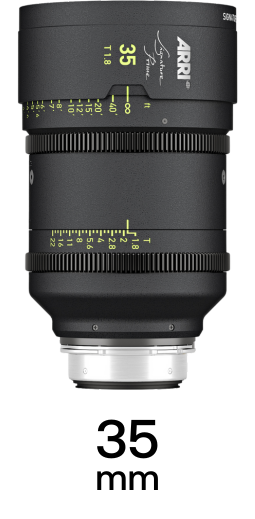
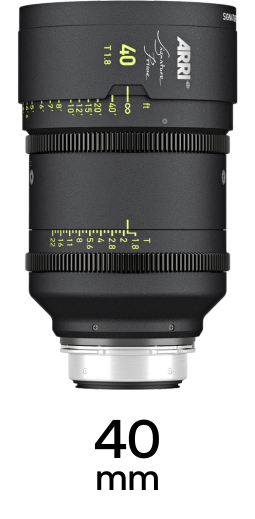
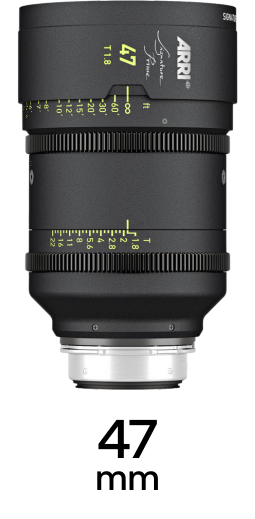
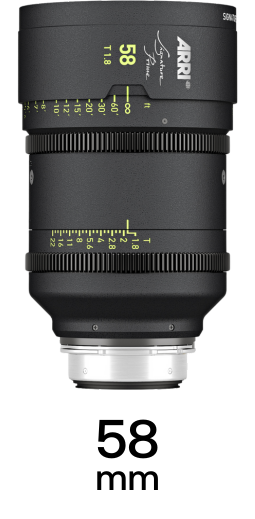
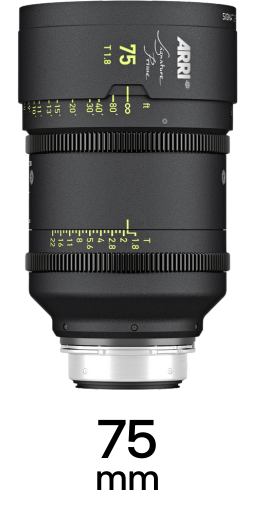
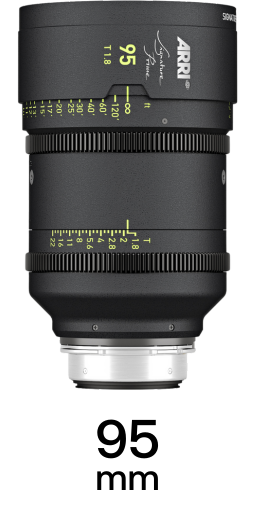
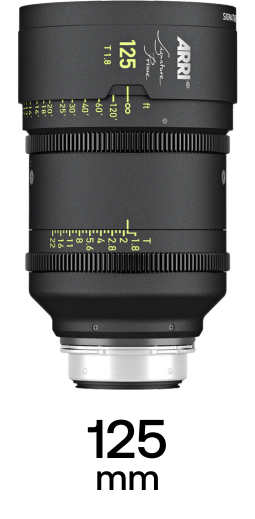
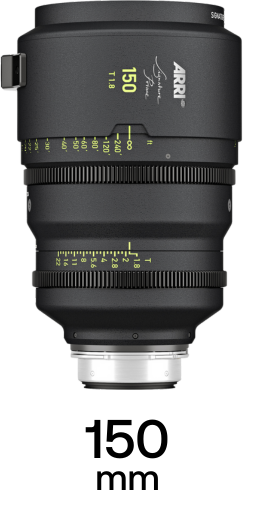
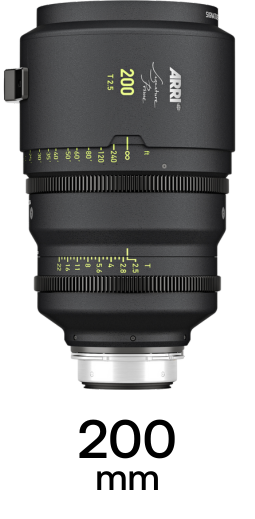
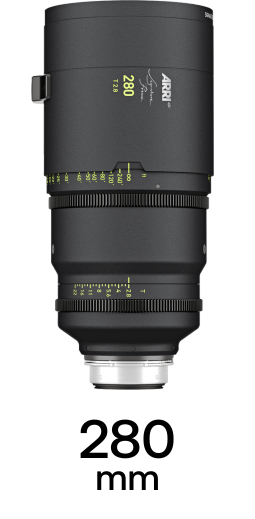
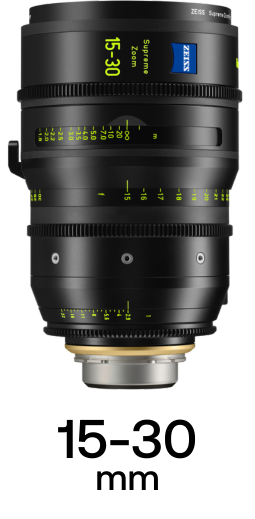


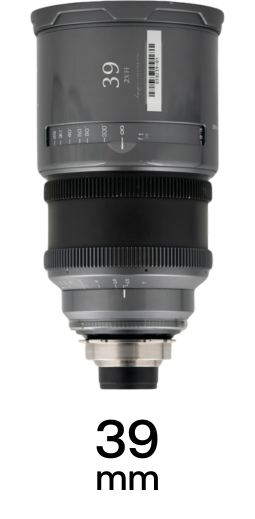
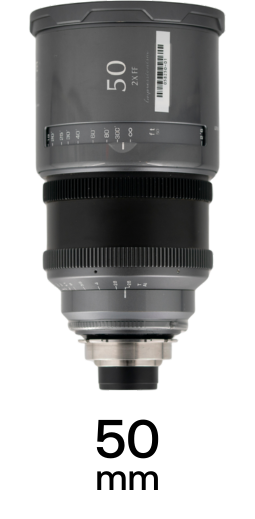
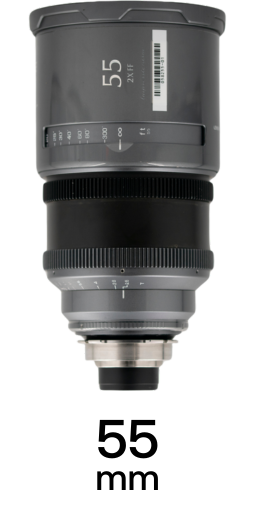
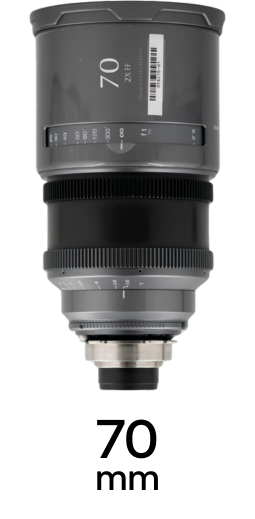
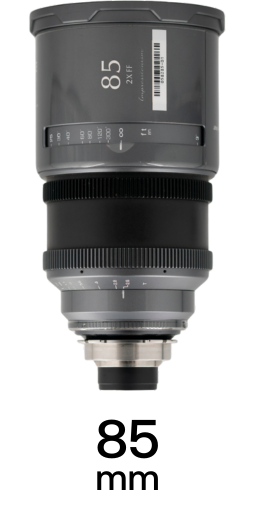
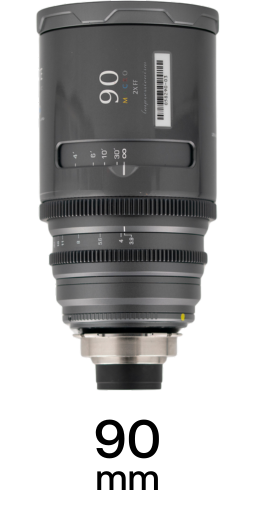
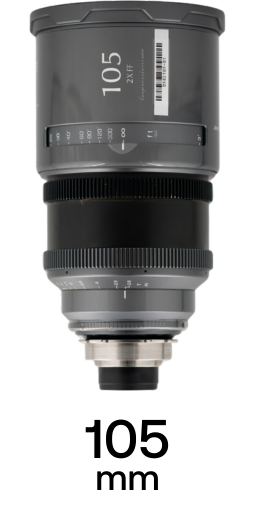
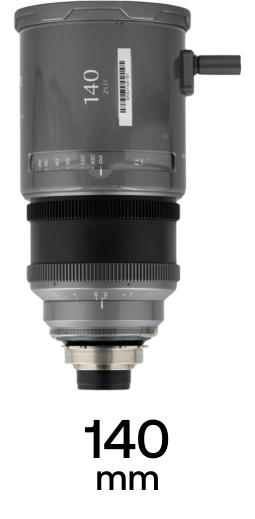
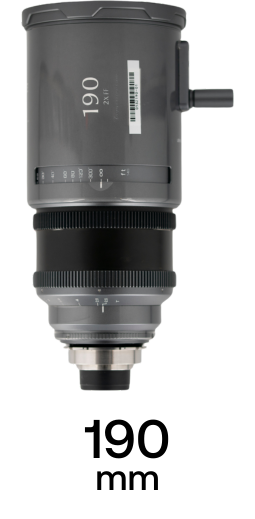
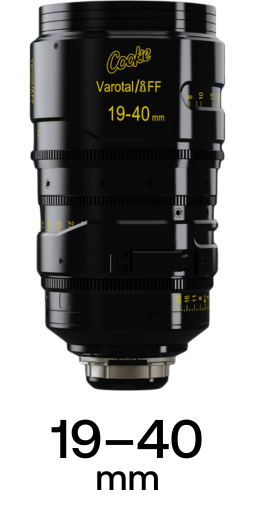
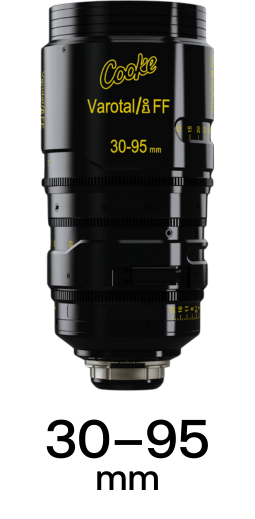
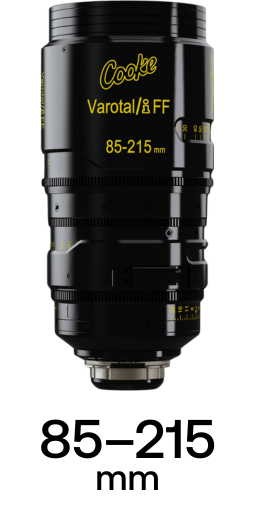
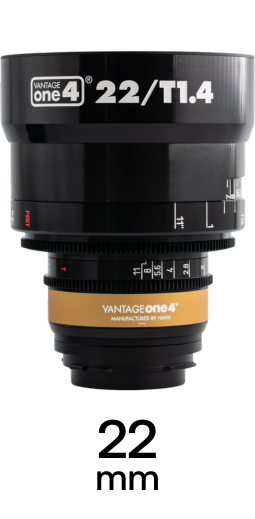
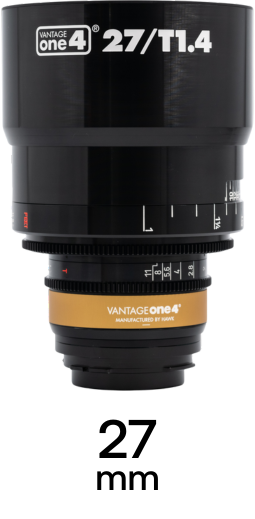
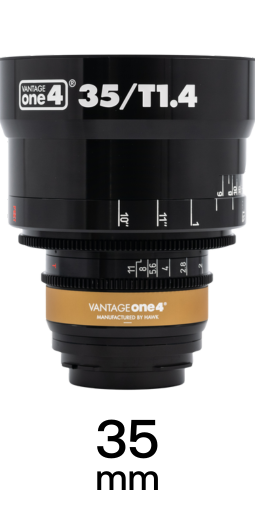
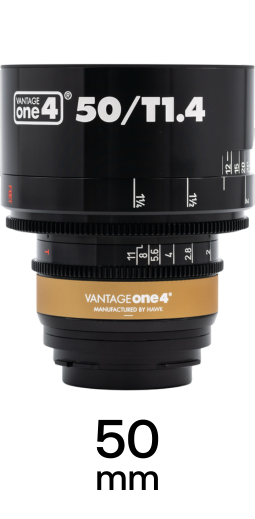
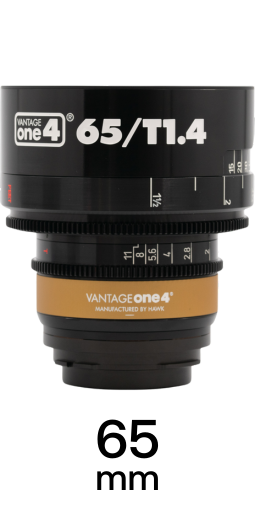
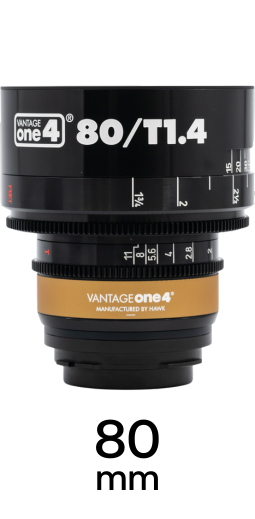
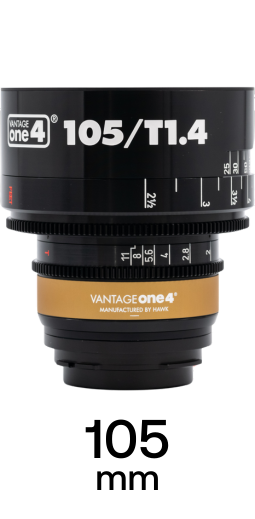
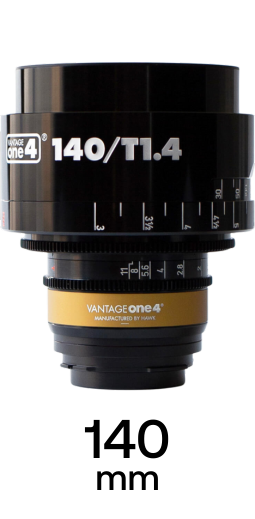
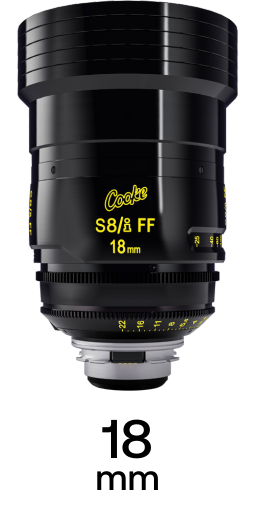
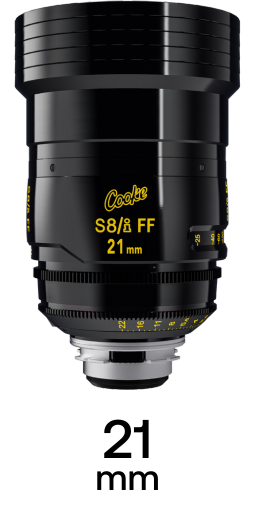
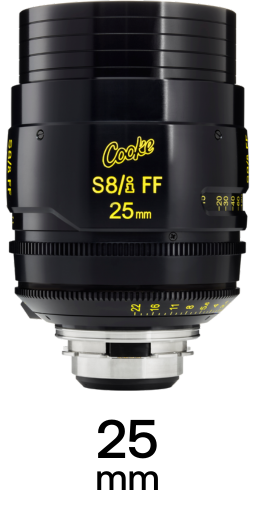
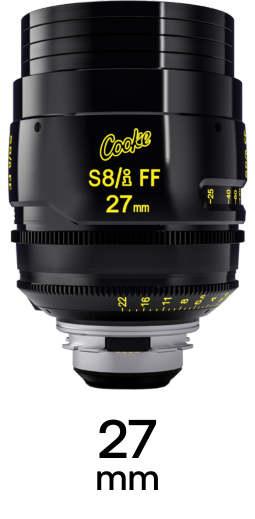
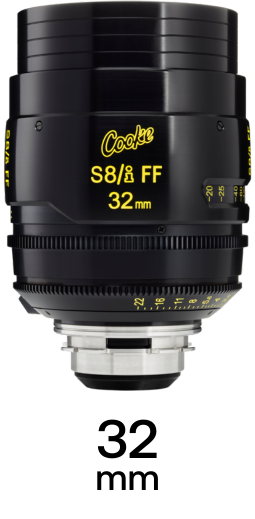
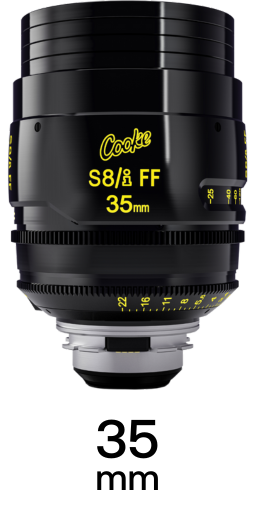
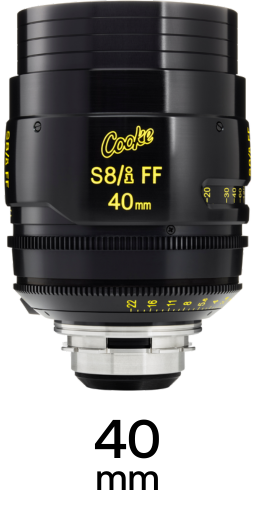
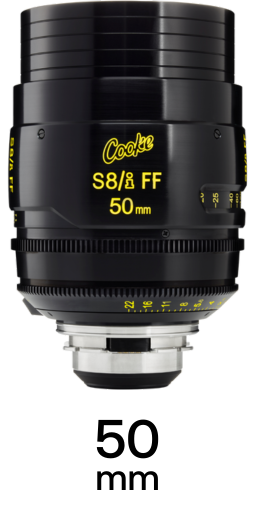
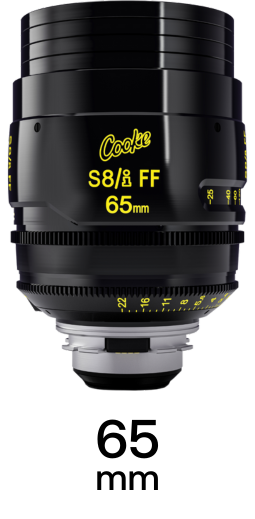
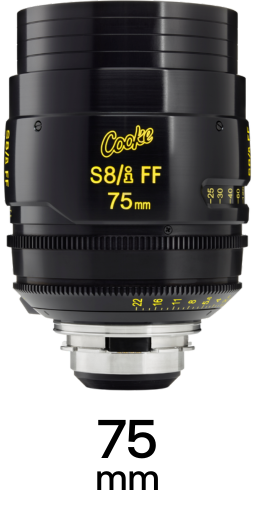
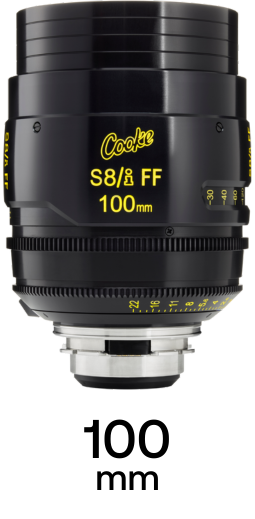
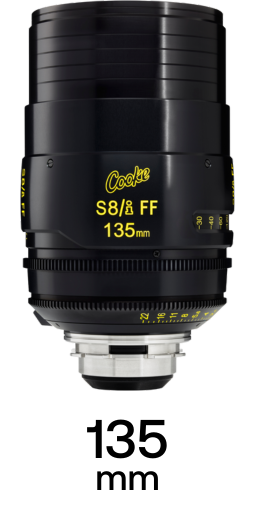

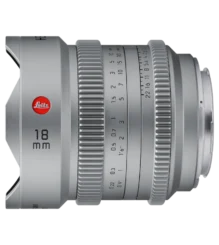

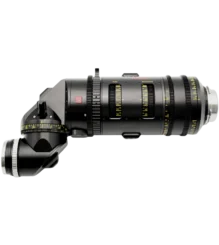

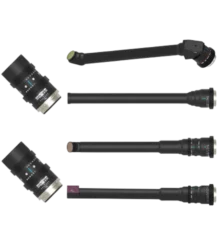

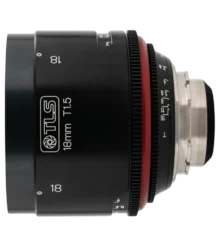
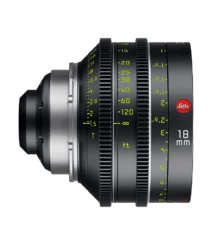
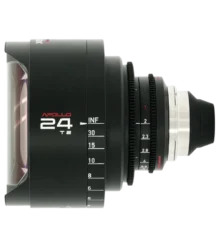




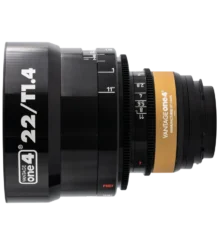

Coverage alone does not define a full frame lens. The key is how well the lens performs across that larger sensor area. Maintaining sharpness, contrast, and consistent color from center to edge is more demanding as the image circle increases. Lenses that are not designed for full frame coverage may technically fill the frame, but they often fall apart toward the edges. Dedicated full frame cinema lenses are engineered to avoid those issues and deliver a stable, usable image across the entire sensor.
Sensor format also affects how focal lengths are interpreted. A 35mm lens on a full frame camera reads as a true wide angle, while the same lens on a traditional S35 body would behave closer to a standard field of view. This changes how lens sets are built and how productions approach coverage. Full frame systems allow for wider compositions without distortion-heavy focal lengths, which can be important when maintaining a natural perspective is part of the visual goal.
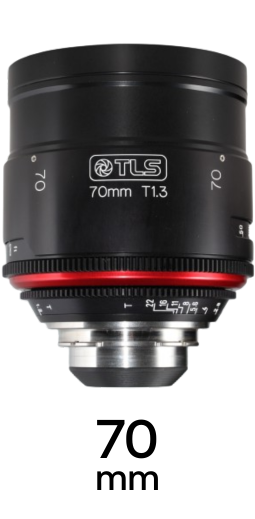
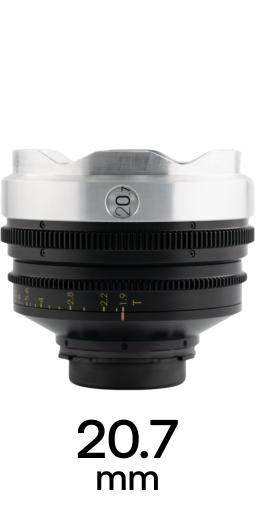
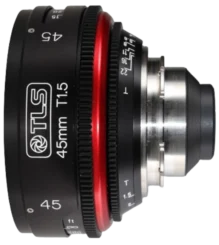
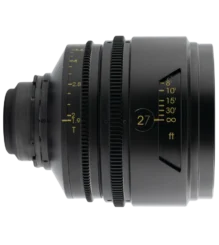
Full frame cinema lenses span different design philosophies, from highly corrected systems built for consistency across the frame to lenses that retain more visible optical character while still covering larger sensors. The relevant distinction is not branding. It is how each lens resolves, renders contrast, and behaves at the edges of the image circle on the intended camera. The choice depends on whether the production is prioritizing precision, character, or a combination of both. Productions looking for more expressive rendering often explore older glass that has been adapted or rehoused for full frame coverage while retaining their original optical character. A popular example of this is the Canon K35 lenses, rehoused by True Lens Services.
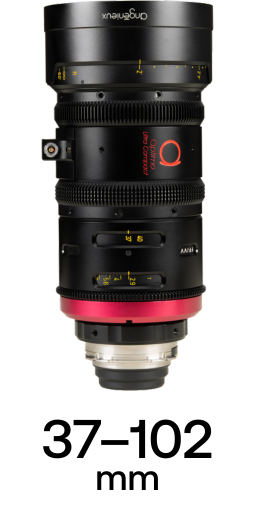
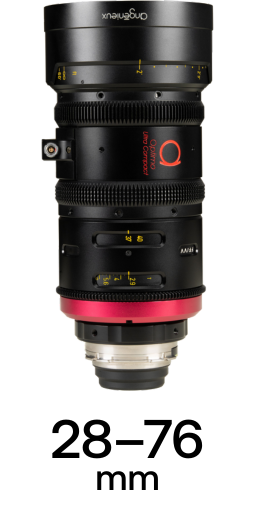
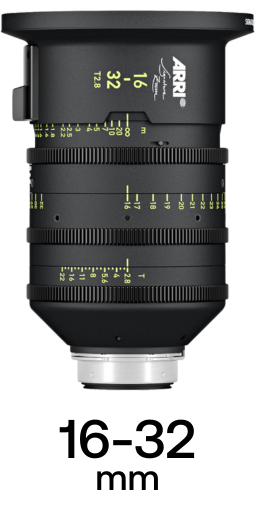
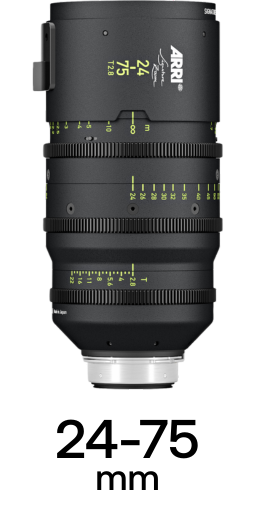
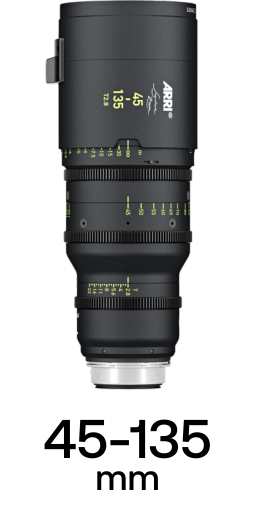
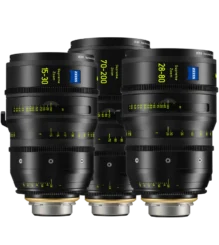
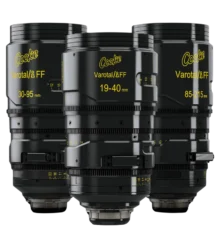
The range of zoom options available has also expanded to meet full frame coverage requirements. Systems such as the ARRI Signature Zooms and Zeiss Supreme Zoom Radiance allow productions to maintain flexibility without sacrificing sensor coverage, making them useful in situations where both range and format compatibility are required. As with primes, the key factor is consistency across the frame and throughout the zoom range.
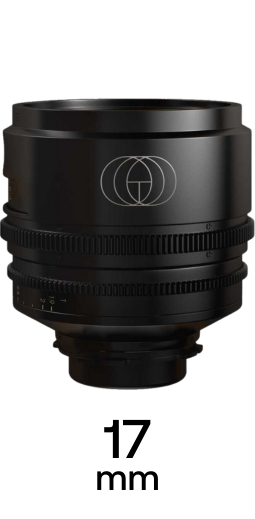
Cine Visuals carries a range of full frame cinema lenses that support both modern large-format cameras and productions looking to take advantage of the format’s visual characteristics. This includes high-end prime sets designed for full frame coverage, as well as zoom options that maintain performance across larger sensors. The inventory spans clean, modern optics and lenses that introduce more character, allowing productions to choose based on the visual direction of the project.
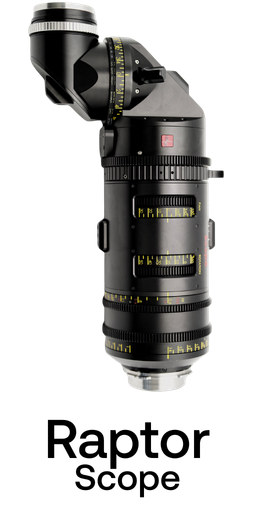
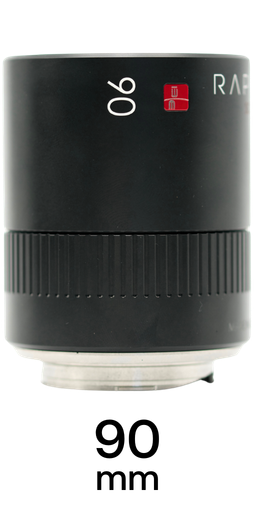
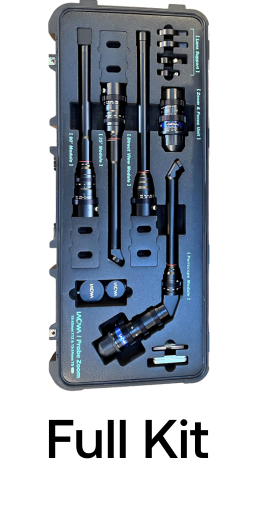
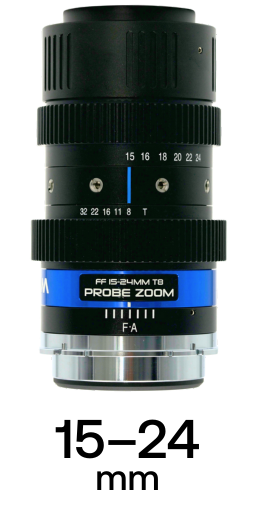
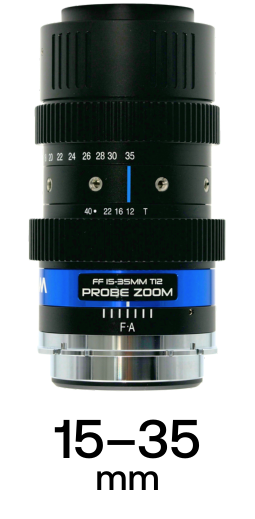
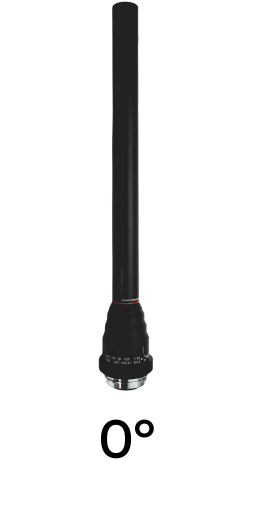
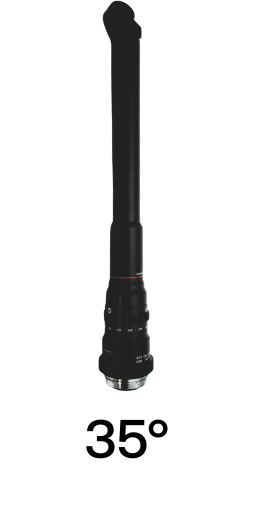
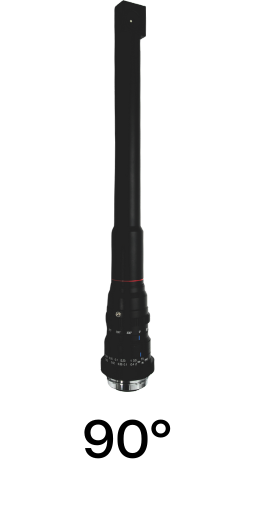
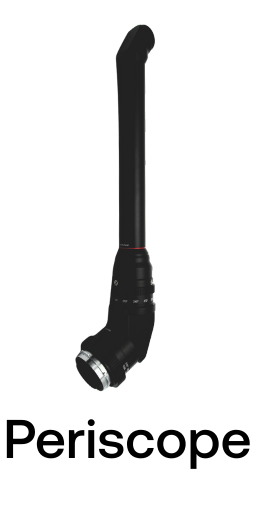
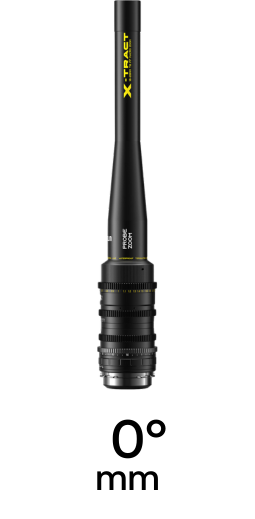
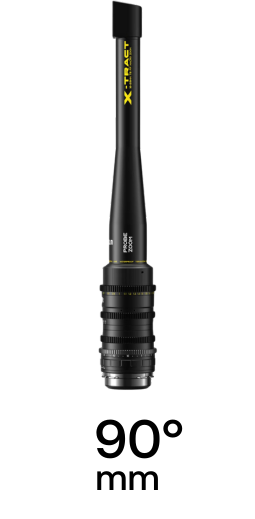
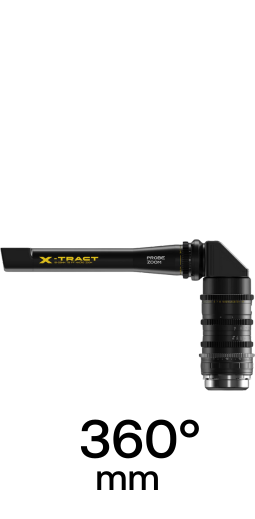
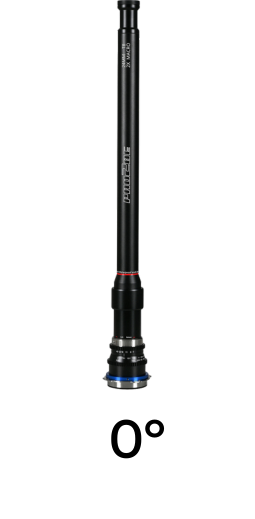
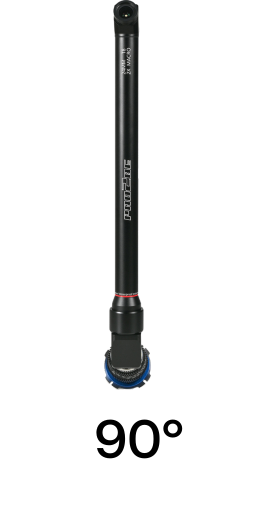
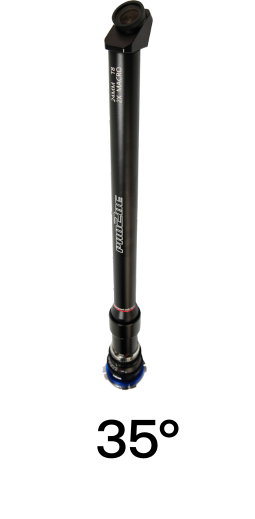
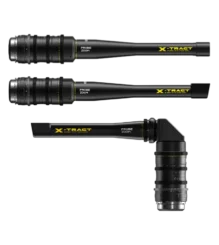
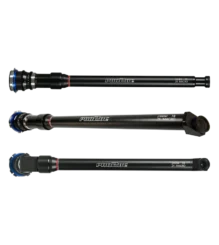
Coverage compatibility is always part of the lens selection process. Not every lens labeled as full frame behaves the same across different sensors, especially when working with larger image circles, including VistaVision and other large-format capture. Understanding how each lens performs in relation to the intended camera system is essential to avoid unexpected edge behavior or coverage limitations. Most full frame cinema lenses are designed around the standard PL interface, ensuring compatibility across a wide range of professional camera systems used in large-format production. Specialty tools like periscope-style probe optics can also be used with large-format sensors, offering unique perspectives while still meeting coverage requirements for full frame capture.
All full frame lenses are tested and calibrated in-house before leaving the facility. Larger sensor coverage places additional demands on lens alignment and consistency, particularly at the edges of the frame. Ensuring that each lens performs reliably across its image circle is part of the standard preparation process.
Full frame lenses are often used alongside Super 35 systems depending on the needs of the production. Some projects commit entirely to full frame capture, while others move between formats based on specific shots or sequences. The decision depends on how the lens and sensor combination affects framing, depth of field, and edge performance for the specific production. For productions working with sensors beyond traditional Full Frame coverage, Cine Visuals also offers 65mm and Medium Format (65) lens options.
Full frame cinema lenses must maintain stable performance across a larger image circle while supporting wider compositions and different depth-of-field behavior than smaller formats. At the opposite end of the format spectrum, systems built around smaller 16mm formats prioritize a much smaller image circle, resulting in a very different approach to coverage, texture, and overall image structure.
Frequently Asked Questions
What does “full frame” mean in cinema lenses?
Full frame refers to lenses that are designed to cover larger image sensors, typically with an image circle sufficient for full frame or large-format digital cinema cameras, without vignetting or edge degradation.
Can full frame lenses be used on Super 35 cameras?
Yes. Full frame lenses can be used on smaller sensors like Super 35 without issue. In those cases, only the central portion of the image circle is used, which often results in very consistent image quality.
Do full frame lenses change depth of field?
Depth of field is influenced by sensor size and framing. When using a full frame sensor for the same composition, the result is typically a shallower depth of field compared to smaller formats, which can be used for stronger subject separation.
Where can full frame cinema lenses be rented?
Full frame cinema lenses, including systems from Zeiss, ARRI, and Leitz, are available through Cine Visuals. All lenses are tested and calibrated in-house to ensure consistent performance across the entire image circle.