
Loading cart...

Zoom Cinema Lenses
Zoom cinema lenses are built for situations where flexibility matters as much as image quality. Unlike prime lenses, which require physical lens changes to adjust framing, zoom lenses allow continuous focal length adjustment within a single shot or setup. That capability changes how productions move, schedule, and execute, especially when time, coverage, and efficiency are critical.
Zoom lenses reduce downtime between setups and allow cinematographers to respond quickly to changing conditions on set. Whether working in fast-paced commercial environments, documentary-style shoots, or tightly scheduled narrative production, the ability to reframe without swapping lenses can have a direct impact on both performance and efficiency. This is not just a convenience. It often determines whether a shot is achievable within the constraints of the day.
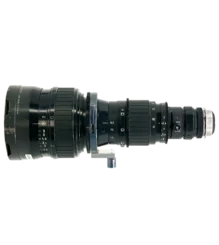

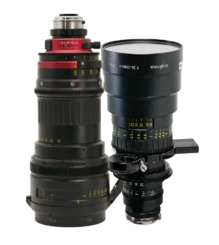
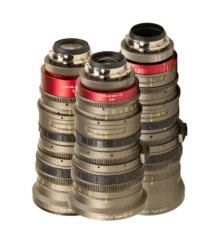
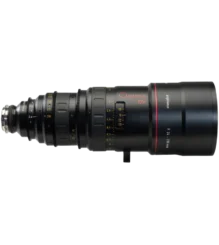
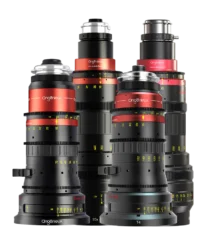
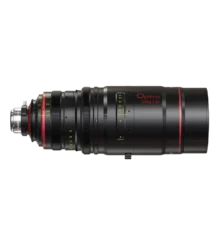
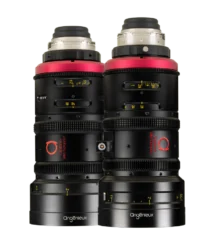
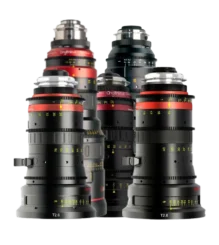
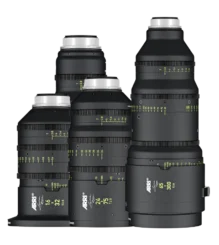

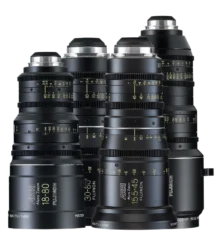


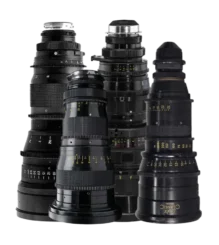




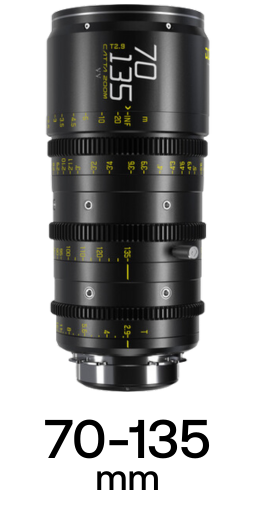
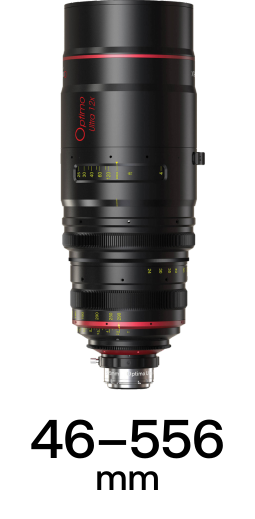
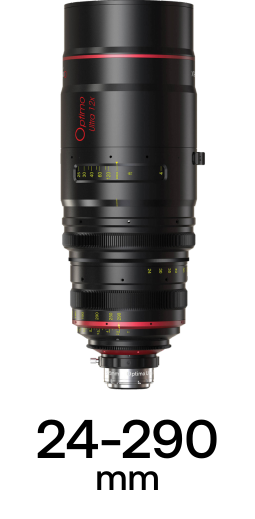
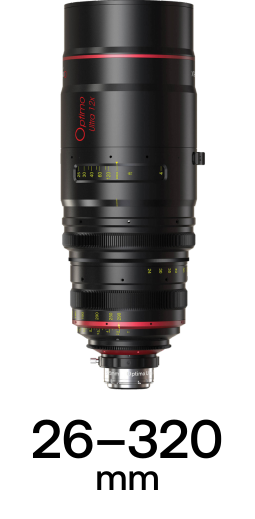

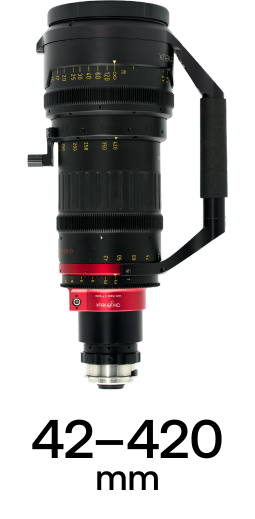
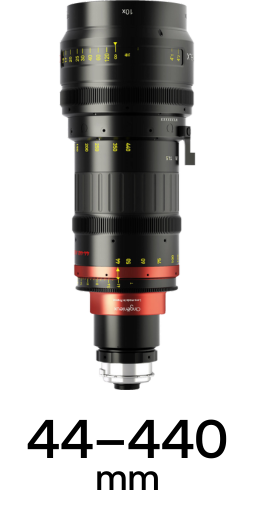
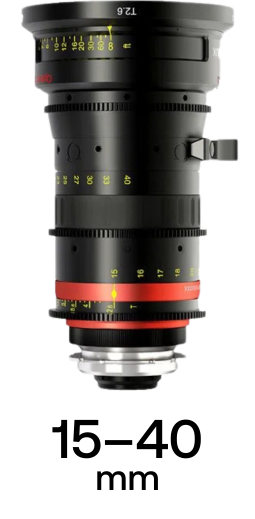
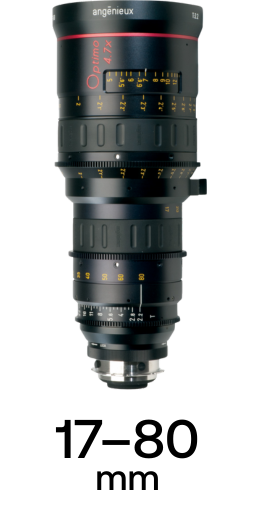
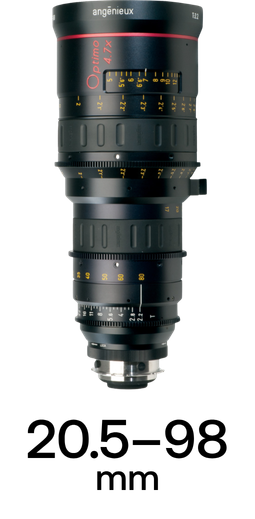
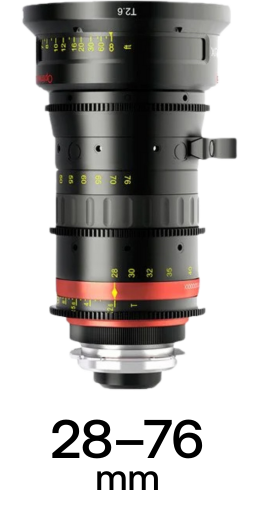
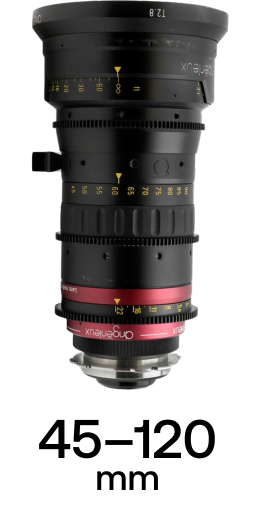
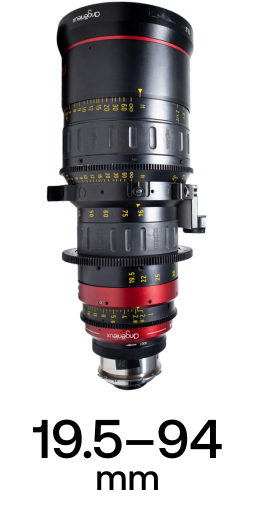




Zoom cinema lenses are built for situations where flexibility matters as much as image quality. Unlike prime lenses, which require physical lens changes to adjust framing, zoom lenses allow continuous focal length adjustment within a single shot or setup. That capability changes how productions move, schedule, and execute, especially when time, coverage, and efficiency are critical.
Zoom lenses reduce downtime between setups and allow cinematographers to respond quickly to changing conditions on set. Whether working in fast-paced commercial environments, documentary-style shoots, or tightly scheduled narrative production, the ability to reframe without swapping lenses can have a direct impact on both performance and efficiency. This is not just a convenience. It often determines whether a shot is achievable within the constraints of the day.
What separates cinema zoom lenses from still photography zooms is consistency. Cinema zooms are designed to maintain exposure, focus, and image characteristics throughout the zoom range. They are parfocal, meaning focus remains stable while zooming, and they are built to minimize breathing so that framing changes do not introduce unwanted shifts in the image. These qualities are essential when zooming during a shot or when matching shots across focal lengths.
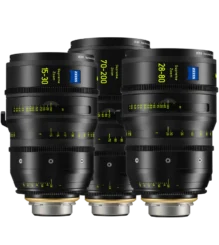
Modern cinema zoom lenses have closed much of the historical performance gap between zooms and primes. High-end zooms from manufacturers like Angénieux, ARRI, Fujinon, and Zeiss are capable of delivering sharpness, contrast, and color consistency that hold up in demanding production environments. While primes still offer advantages in maximum aperture and, in some cases, character, modern zooms can deliver image quality that holds up in demanding production environments, though tradeoffs still depend on the specific lens and use case.
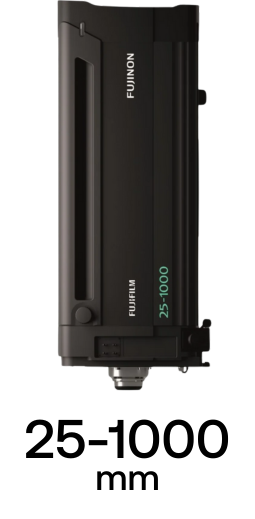
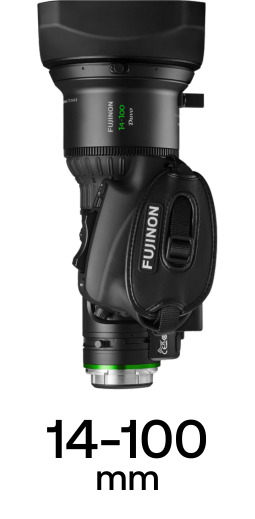
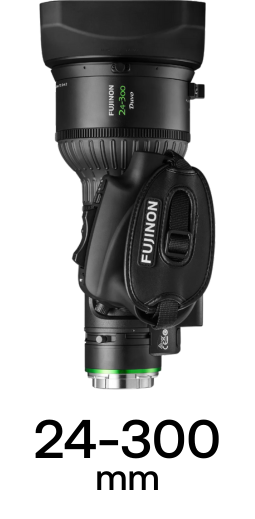
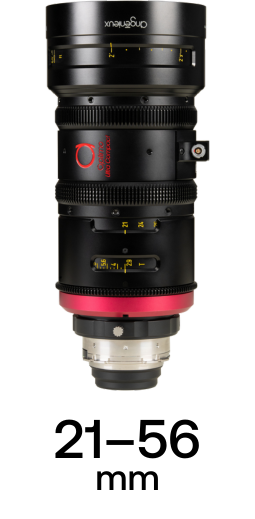
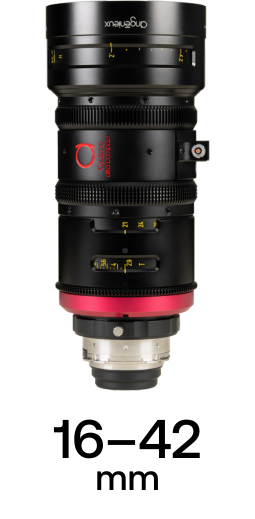
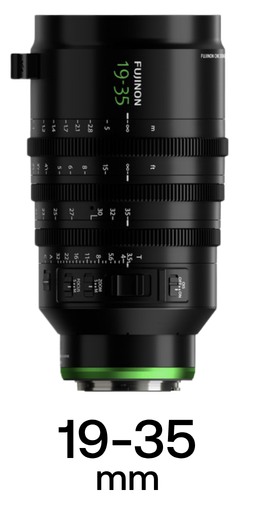
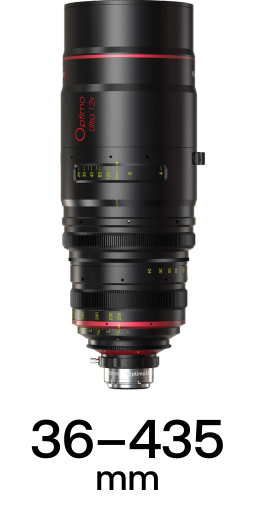
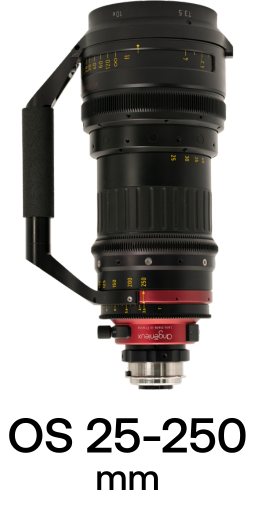
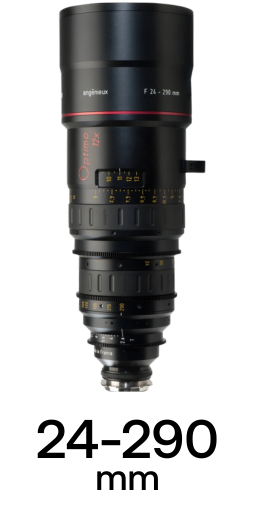
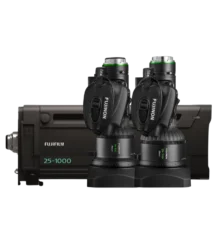
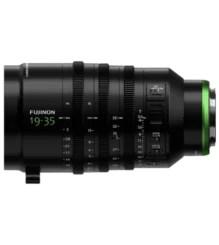
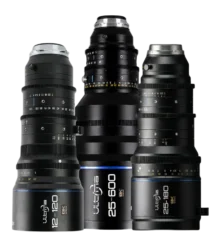
Zoom performance varies significantly depending on range, design, and intended use. Range is one of the defining factors. Systems like the Angénieux Optimo Ultra 12x are designed to cover a broad portion of the focal range with a consistent look, making them a workhorse for many productions. Longer-range zooms such as the Fujinon Duvo series extend into telephoto territory while maintaining cinema-level performance, often bridging the gap between traditional cinema and broadcast-style shooting.
Aperture speed directly affects how a zoom can be used, particularly in low-light environments or when controlling depth of field. Faster zooms, such as T2.6 or T2.8 lenses, allow for more control over depth of field and better performance in lower light. Slower zooms often offer extended range or reduced size and weight, which can be advantageous depending on the shooting environment. Choosing between them is rarely about which is better overall. It is about which one fits the practical needs of the production.
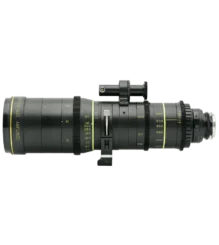
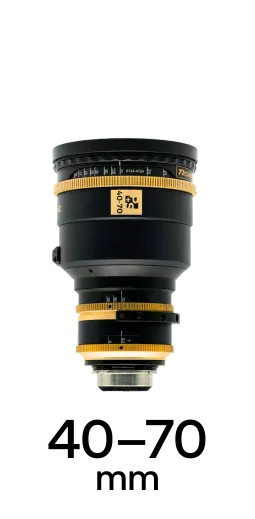
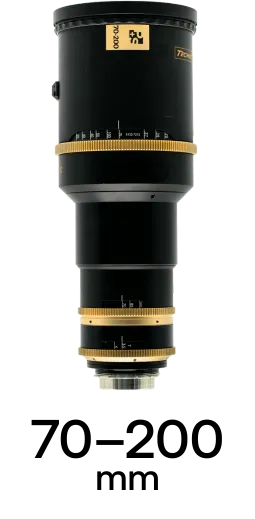
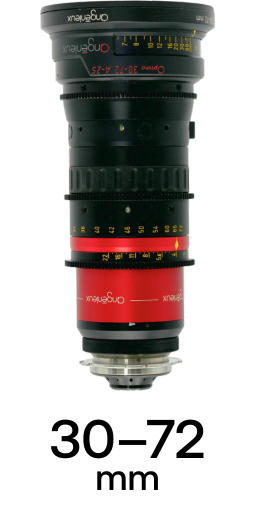
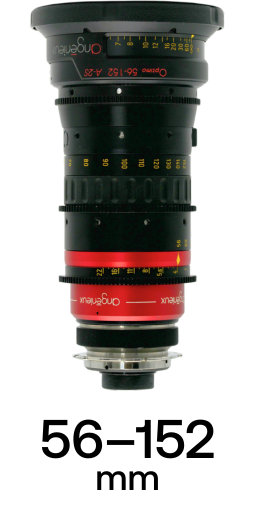
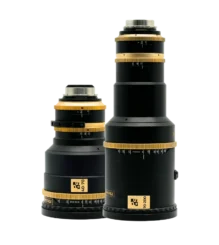
Anamorphic zooms introduce a different set of considerations. Lenses such as the Angénieux Optimo Anamorphic zooms, P+S Technik Technovision zooms, and Hawk V-Plus zooms allow productions to maintain an oval-bokeh, widescreen look while still benefiting from the flexibility of a zoom. These systems are often used in situations where time constraints make frequent lens changes impractical, particularly in commercial or episodic production. While the trade-offs differ from spherical zooms, modern anamorphic zoom designs have become far more usable in real-world production than earlier generations.
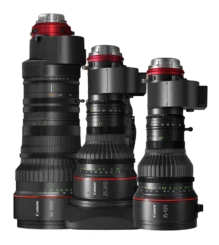
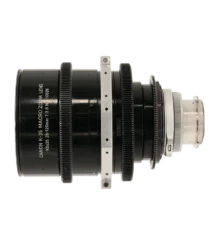
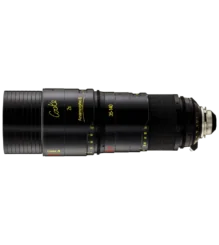
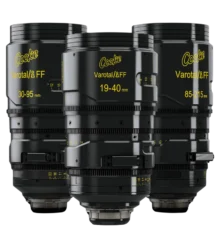
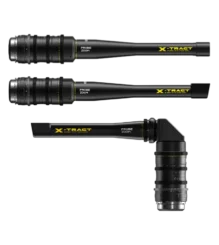
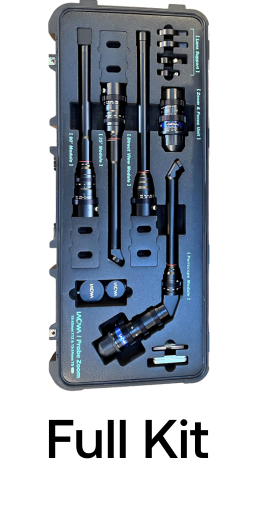
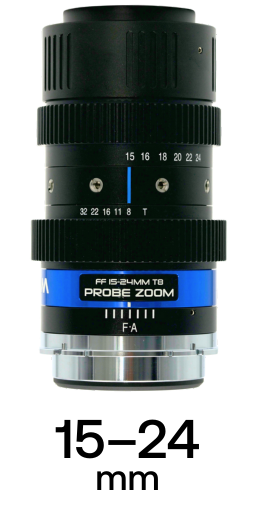
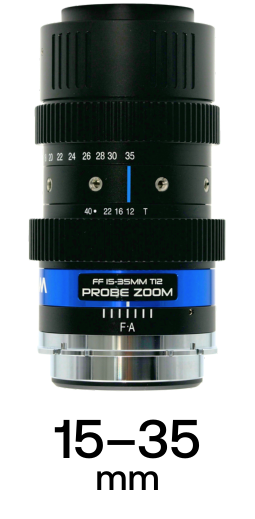
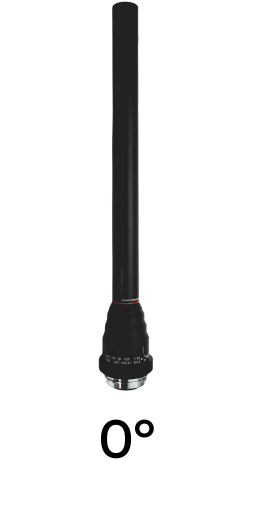
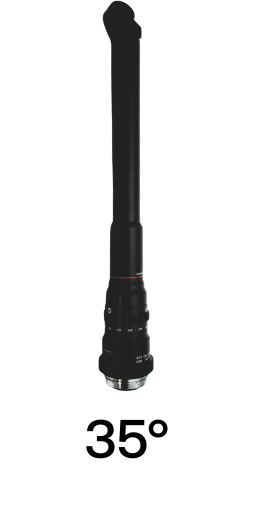
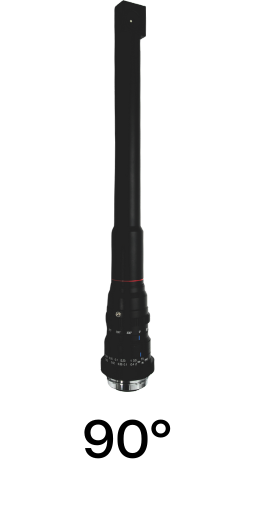
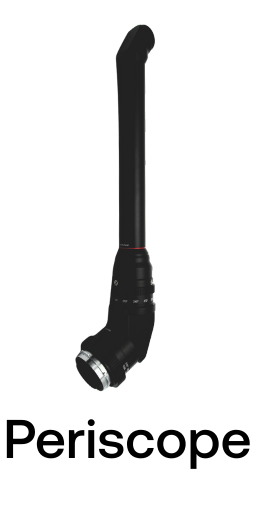
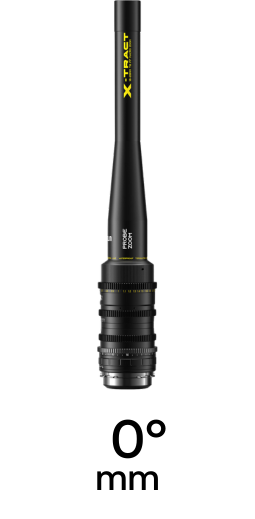
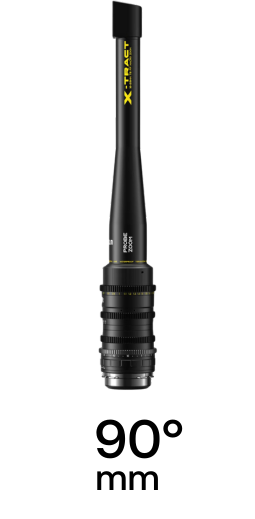
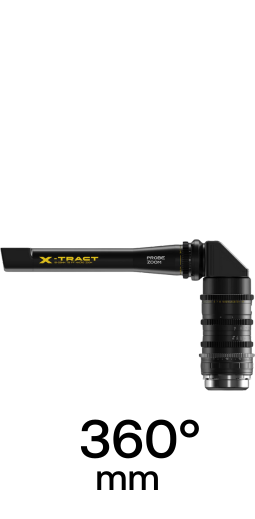
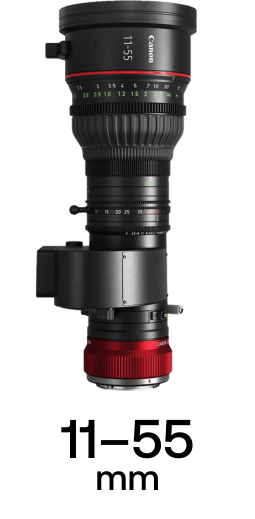
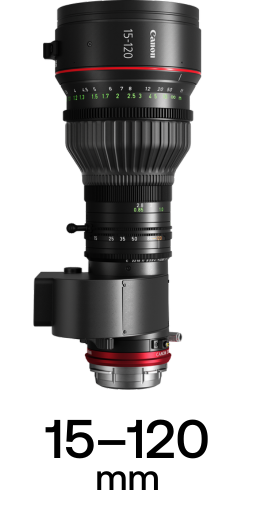
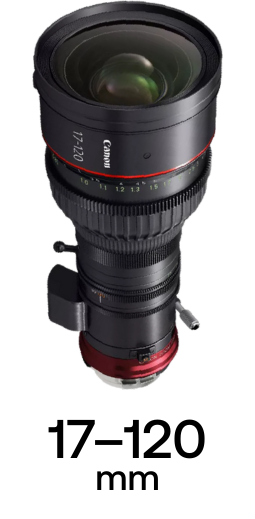
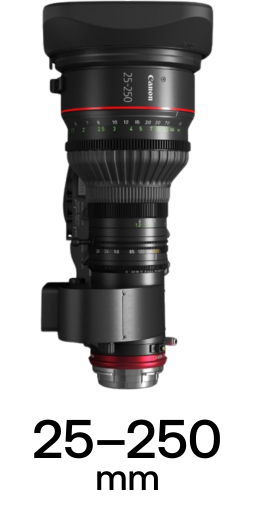
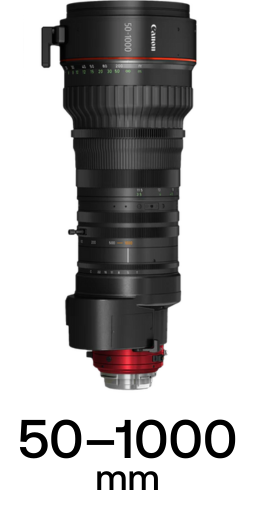
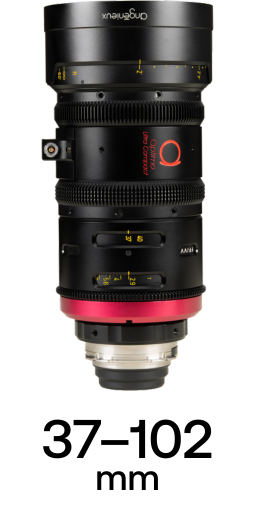
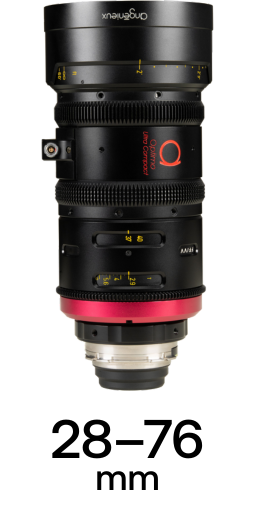
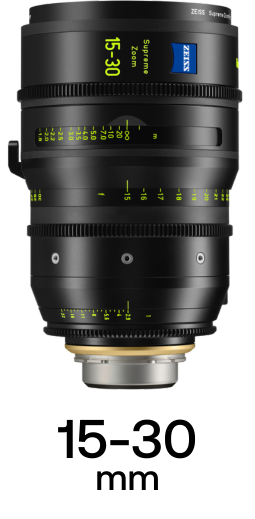
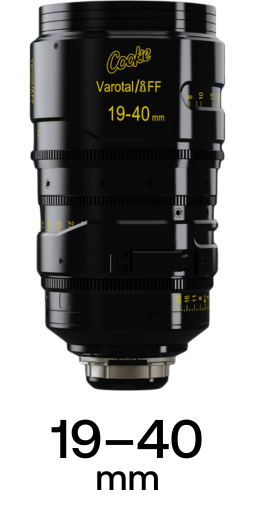
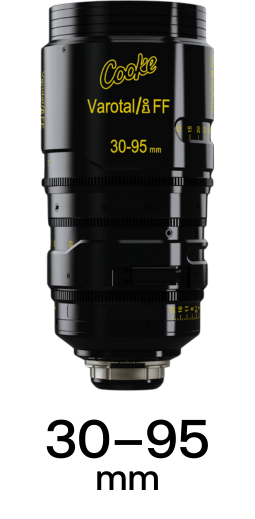
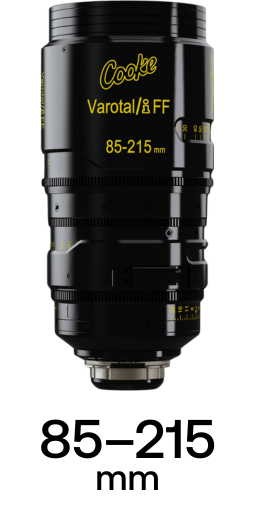
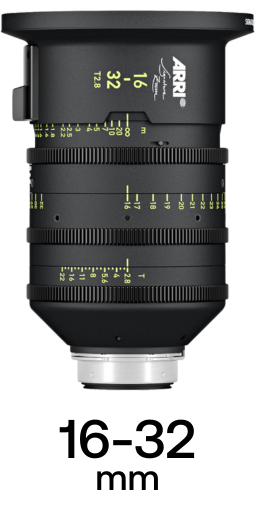
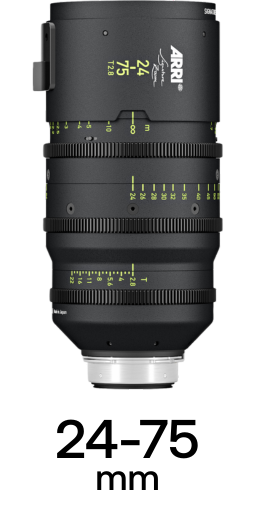
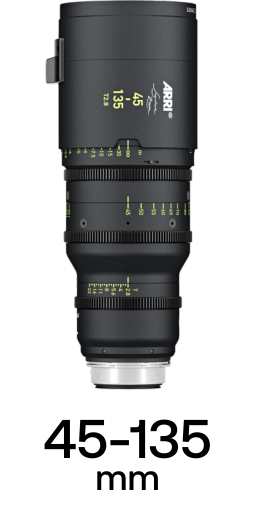
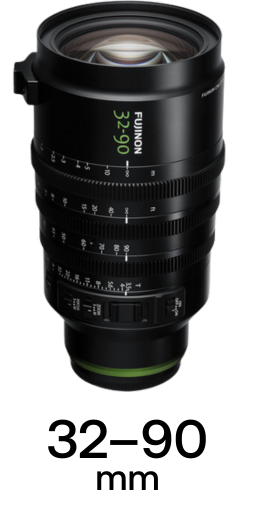
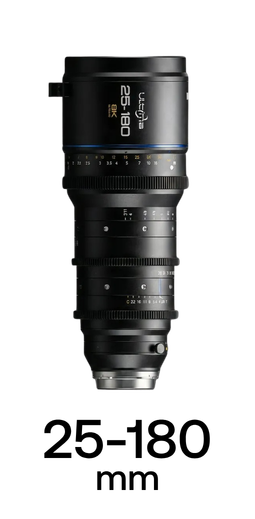
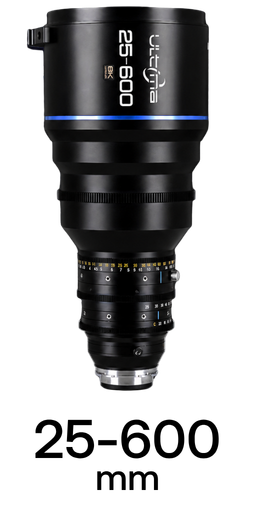
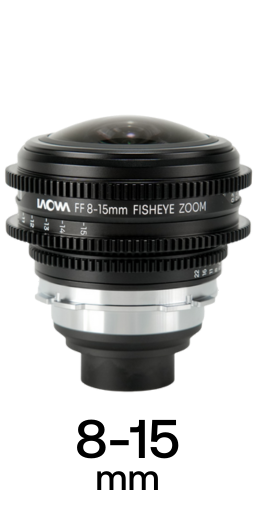
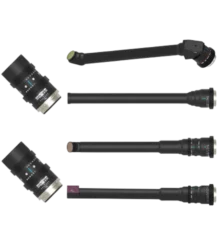
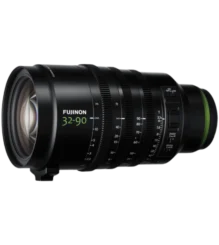
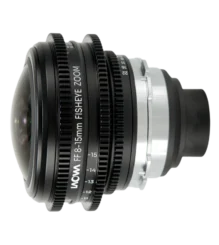
Cine Visuals carries a broad range of cinema zoom lenses covering spherical and anamorphic formats, as well as S35 and full-frame coverage. This includes modern systems such as the ARRI Signature Zooms and Zeiss Supreme Zoom Radiance series, along with widely used workhorse lenses like the Fujinon Duvo zooms and Angénieux Optimo Ultra 12x. The Cooke Varotal/i zooms combine modern mechanics with the optical behavior associated with Cooke zoom designs. Additional options include Canon Cine-Servo zooms and Zeiss Compact Zooms, as well as specialty perspective systems such as Laowa Probe Zooms and the Fujinon GF 32–90mm, which extend zoom capability into more specialized formats and shooting scenarios. Productions that need to go beyond standard zoom range into extreme close-focus work can also pair macro optics with their zoom package when the shot list calls for it. This range allows productions to build packages that balance flexibility, image consistency, and the specific visual requirements of the project.
Cine Visuals also carries select zooms for larger sensor formats, including Medium Format (65) coverage.
Most zoom lenses in the inventory are built around standard PL-mount bodies, though select systems are available in LPL and other configurations depending on the camera. Productions shooting in smaller S16 formats will find zoom options designed to cover that image circle without vignetting, which matters when the camera package dictates a smaller sensor.
What matters most in practice is how a zoom lens performs across its range, not just at a single focal length. Consistency in contrast, color, and sharpness is critical when shots need to intercut cleanly. High-end zoom lenses are designed to maintain that consistency while still offering the operational advantages that make them valuable on set.
All zoom lenses are tested and calibrated in-house before leaving the facility. Maintaining accurate back focus is essential for zoom performance, especially when working across the full focal range. Any inconsistency becomes more noticeable when the lens is used dynamically, so ensuring that each lens performs reliably is part of the standard preparation process.
Zoom lenses are often considered alongside prime sets when building a package, not as a replacement but as a complement. Many productions combine both, using zooms for speed and coverage while relying on primes for specific shots or sequences where a faster aperture, a particular character, or a classic vintage rendering is part of the visual design. Zooms are typically used alongside primes, with each serving different roles depending on speed, coverage, and shot requirements.
Frequently Asked Questions
What is a parfocal zoom lens?
A parfocal lens maintains focus as you zoom in or out. This is essential for cinema use, especially when zooming during a shot or when adjusting framing without refocusing between takes.
Are zoom lenses lower quality than prime lenses?
Modern cinema zoom lenses can deliver image quality that is very close to primes, especially at the high end. While primes may still offer advantages in speed and, in some cases, character, zooms are no longer considered a significant compromise for most professional applications.
When should a production choose zoom lenses over primes?
Zoom lenses are typically chosen when flexibility, speed, and efficiency are priorities. They are especially useful in fast-paced environments, documentary-style shooting, and situations where frequent lens changes would slow down production.
Where can cinema zoom lenses be rented?
Cinema zoom lenses, including systems from ARRI, Zeiss, Angénieux, Fujinon, and Cooke, are available through Cine Visuals. All lenses are tested and calibrated in-house to ensure reliable performance across production environments.