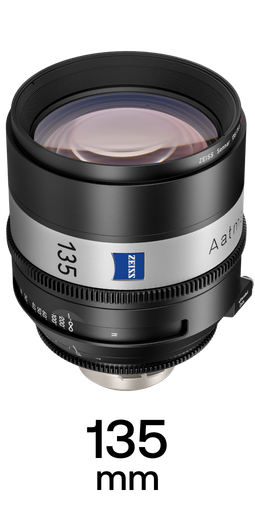
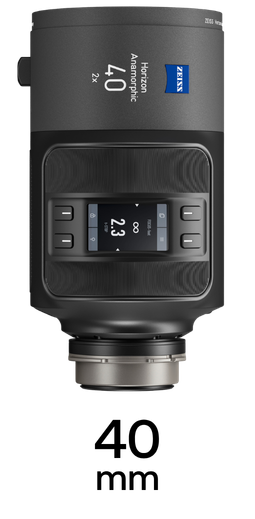
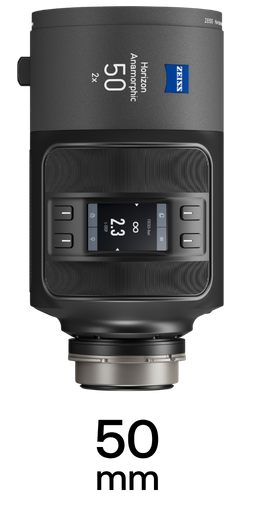
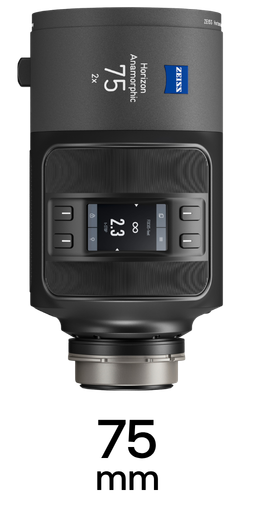
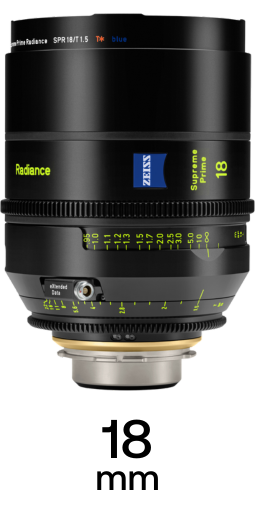
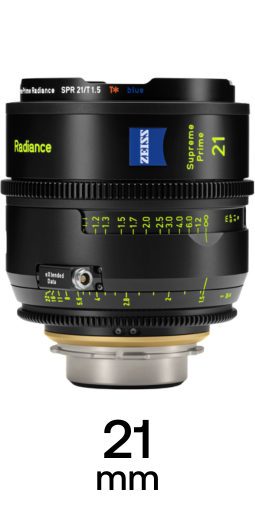
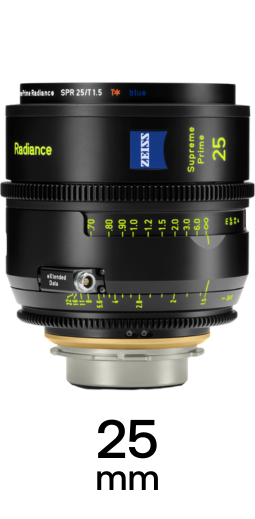
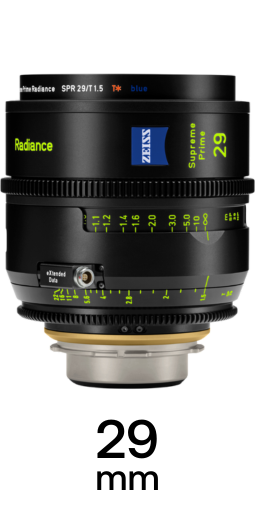
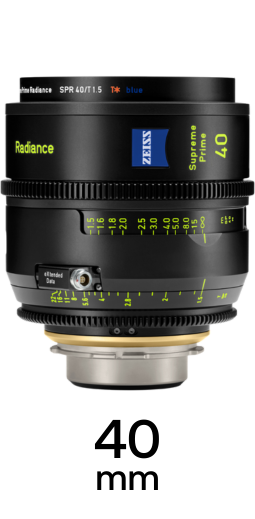
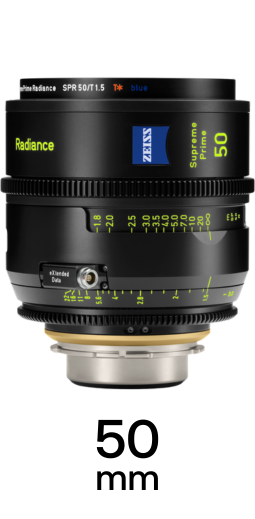
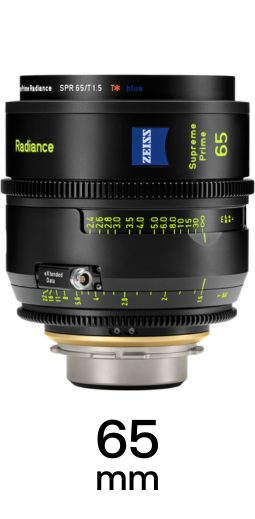
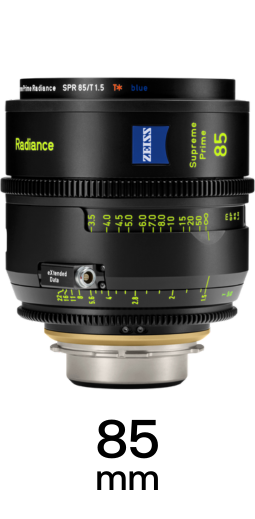
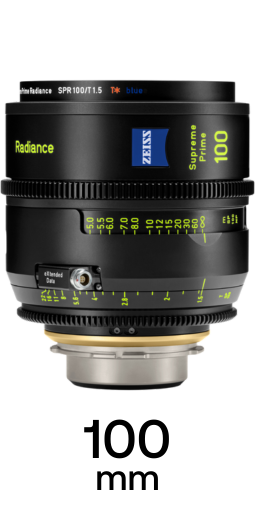
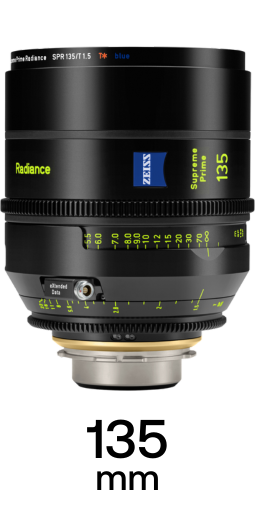
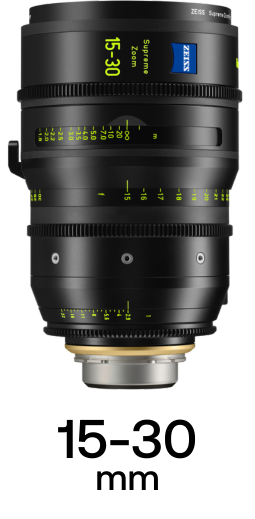
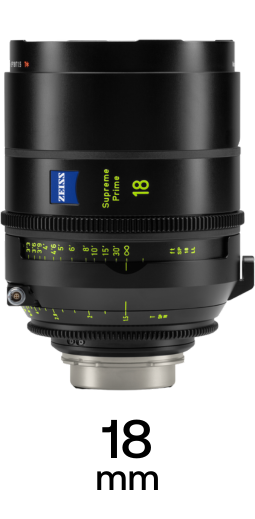
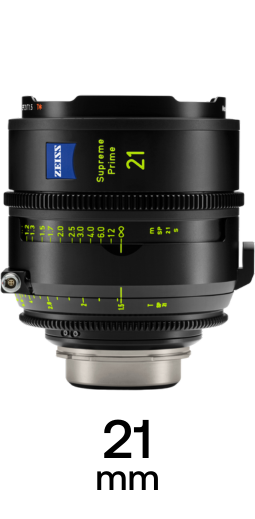
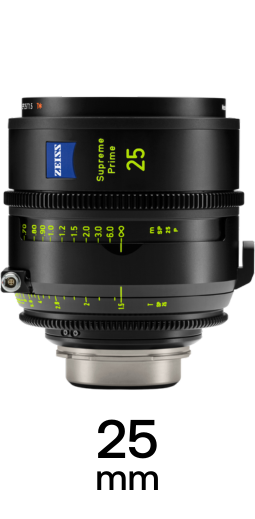
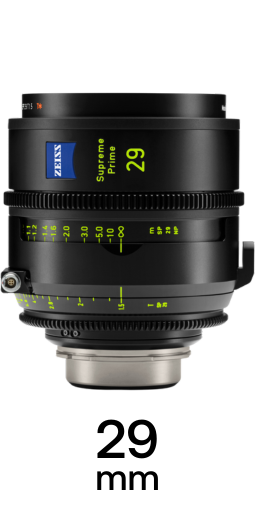
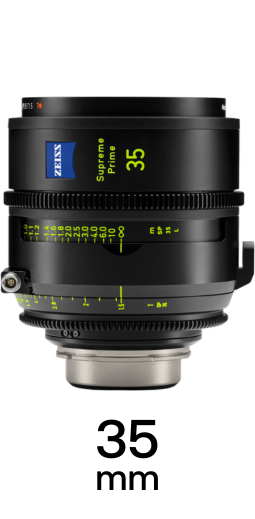
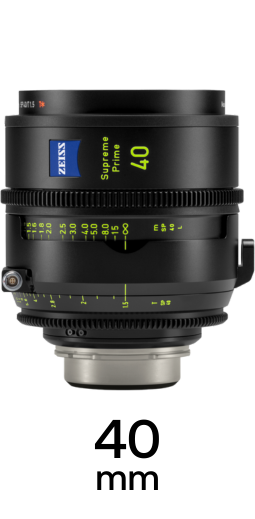
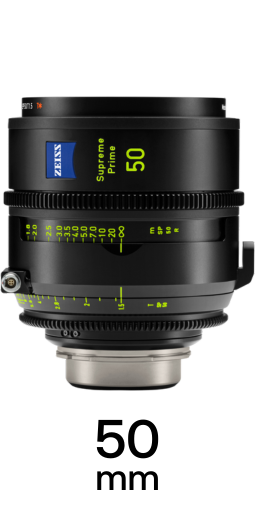
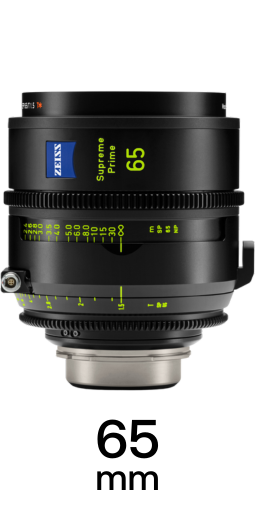
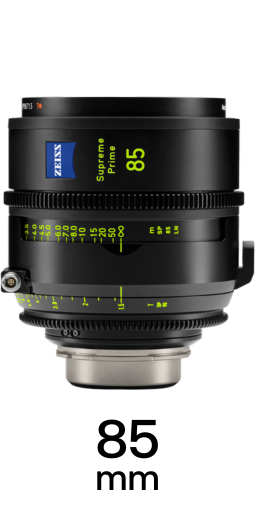
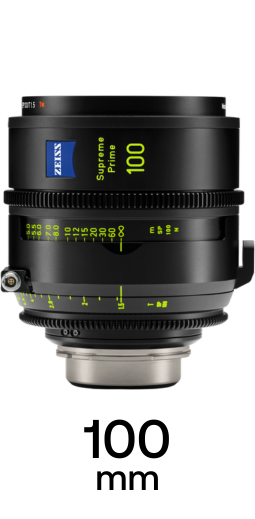
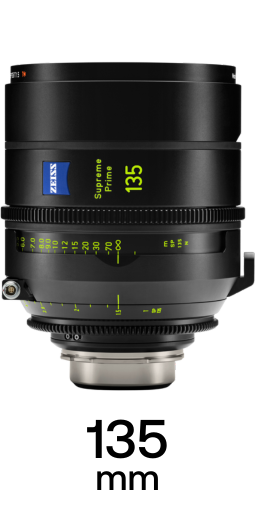
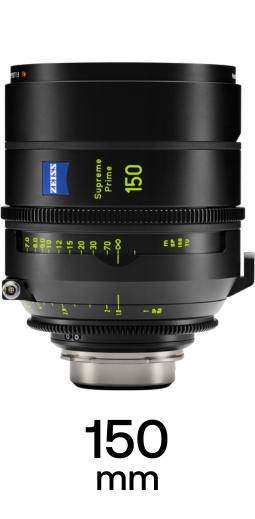
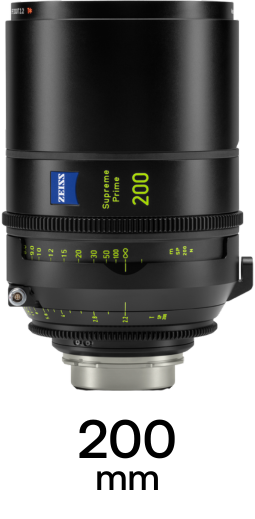
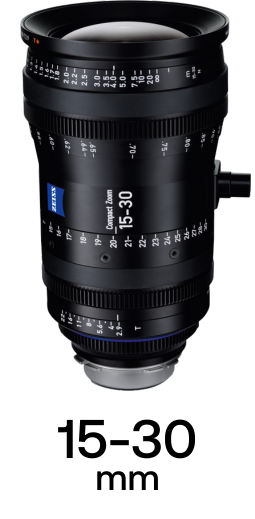
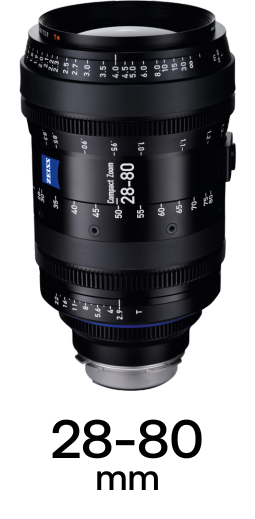
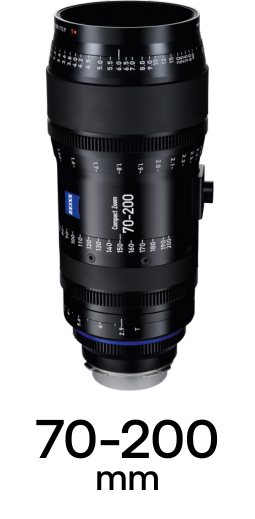
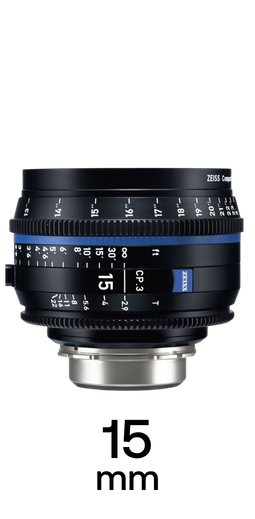
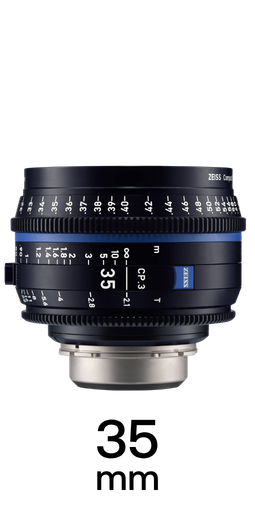
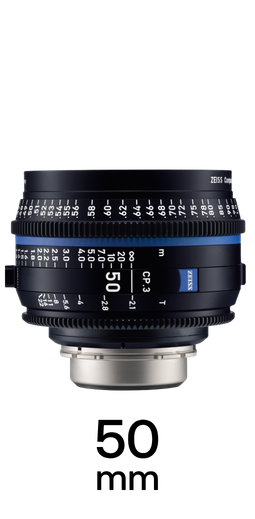
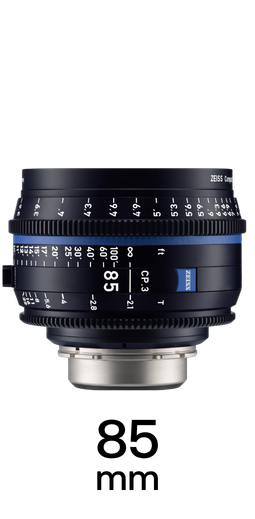
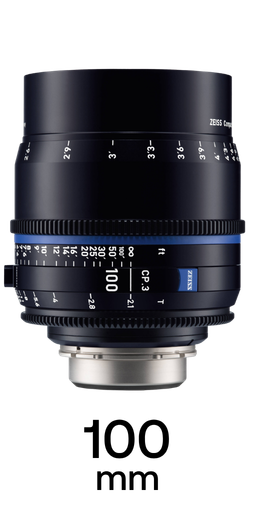
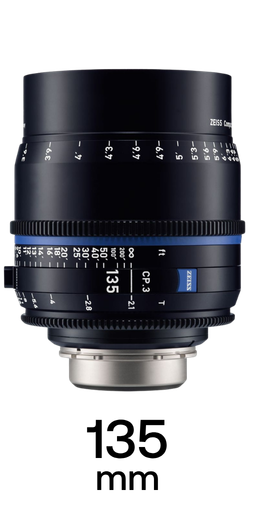
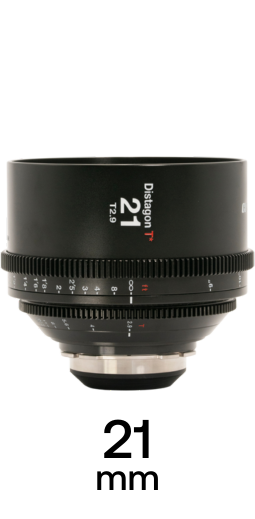
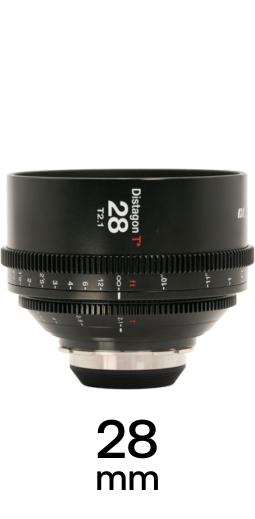
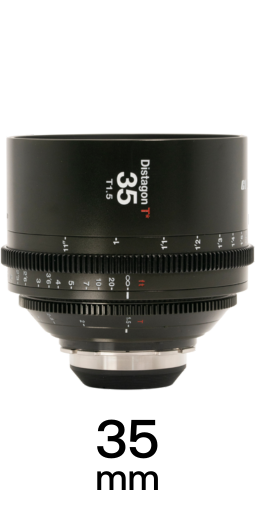
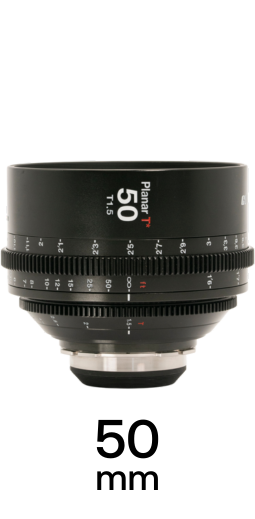
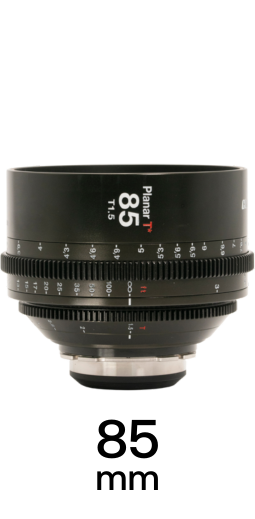
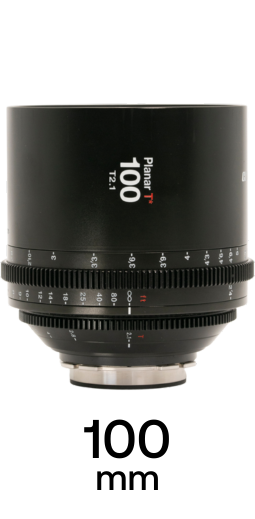
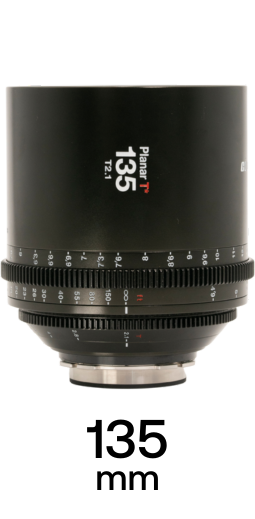
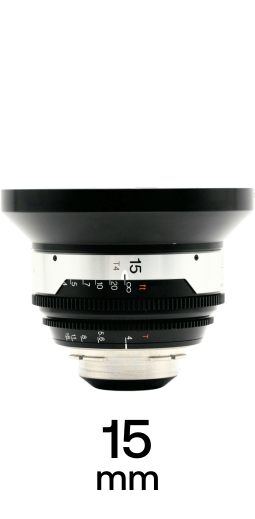
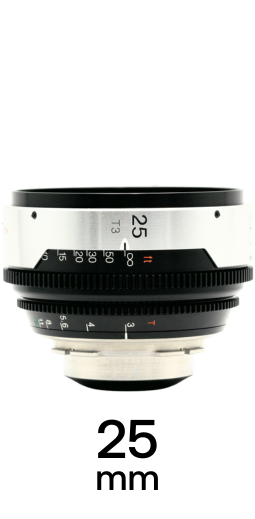
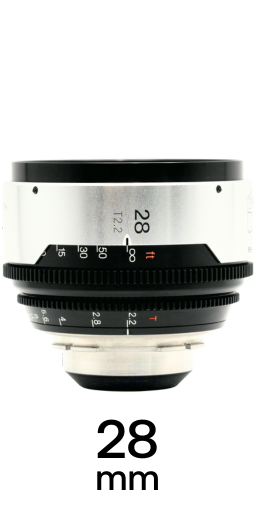
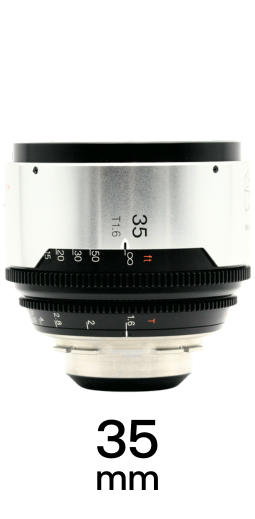
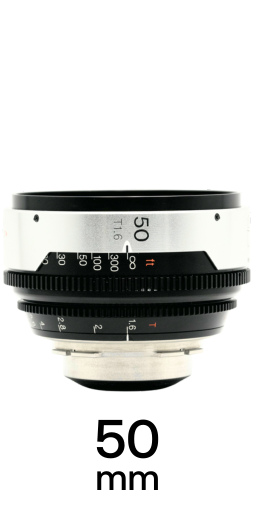
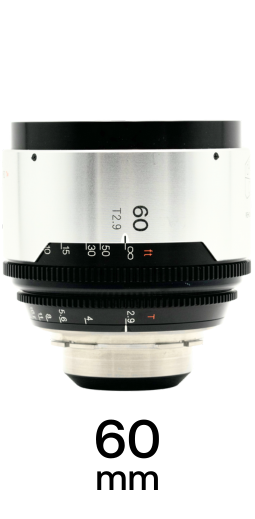
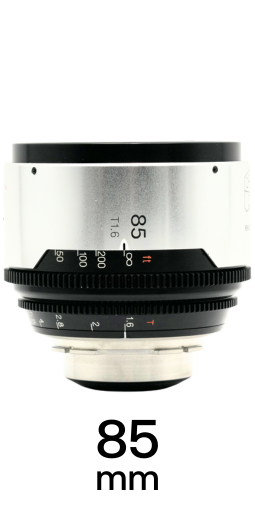
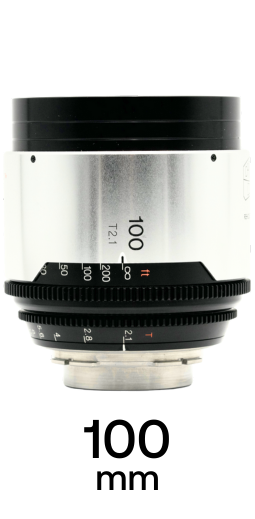
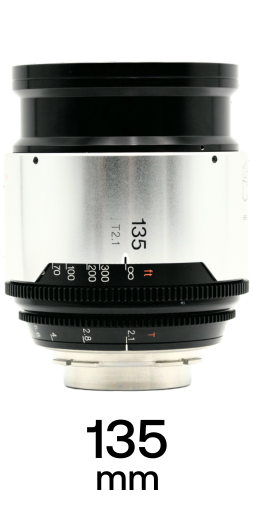
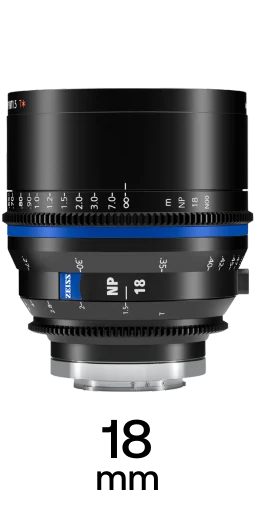
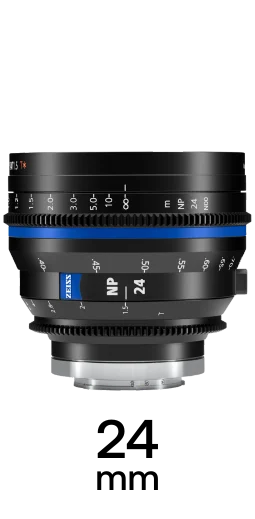
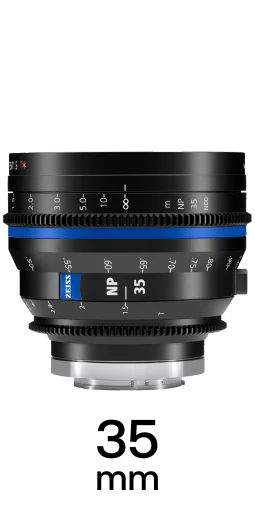
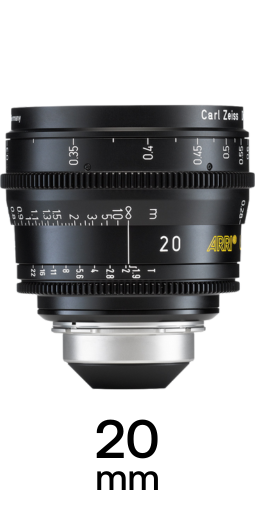
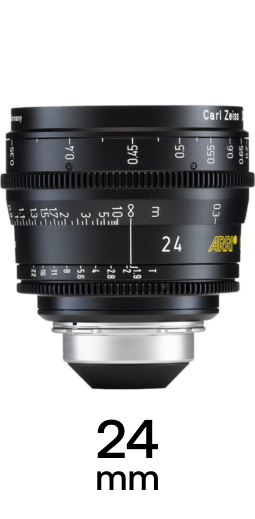
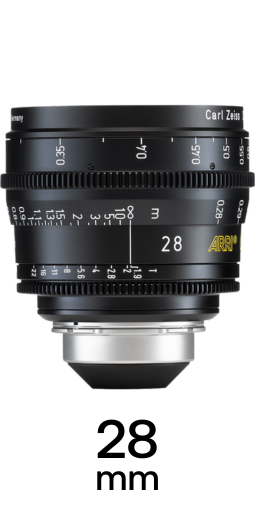
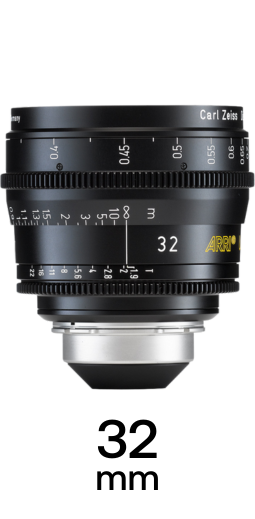
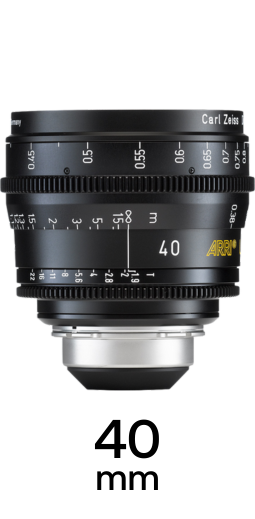
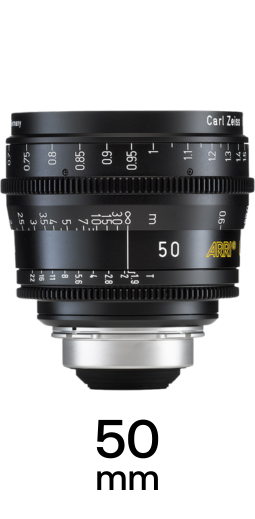
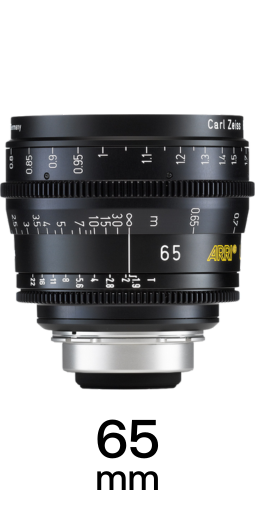
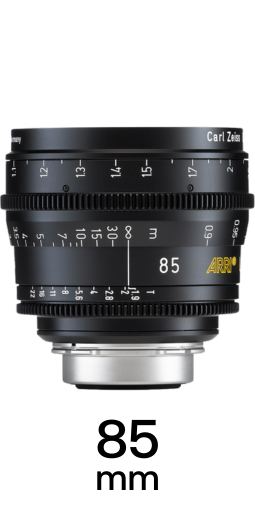
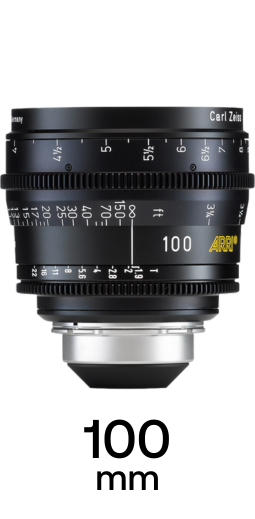
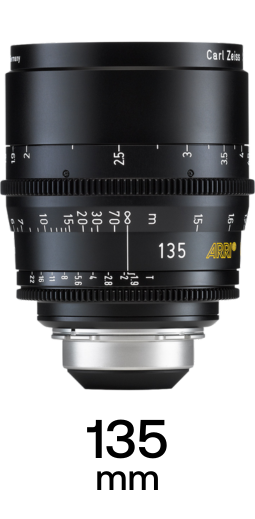
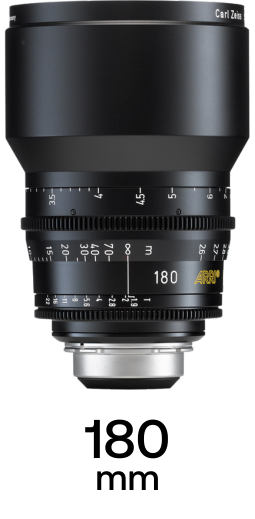
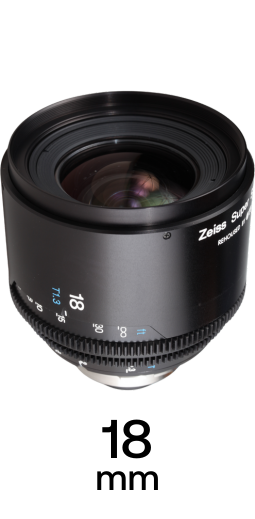
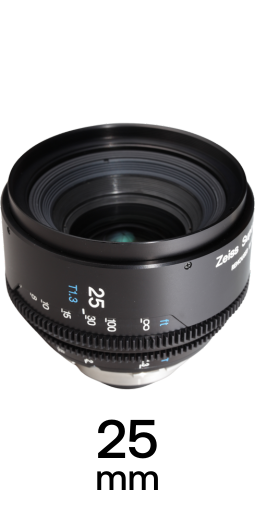
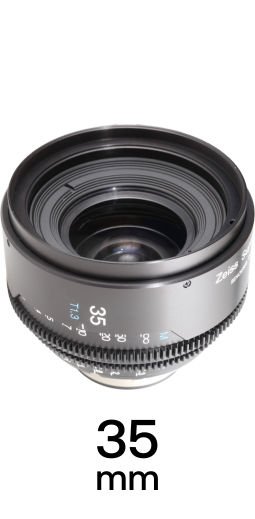
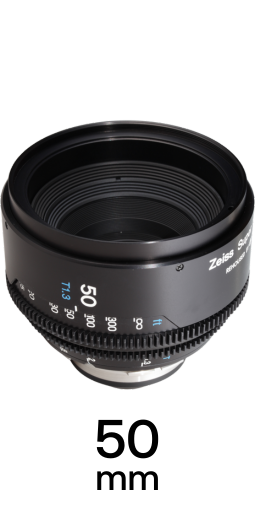
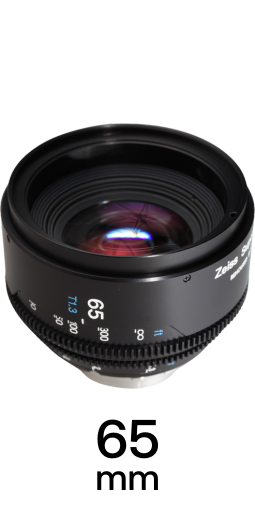
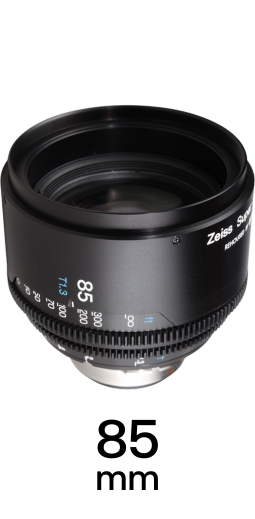
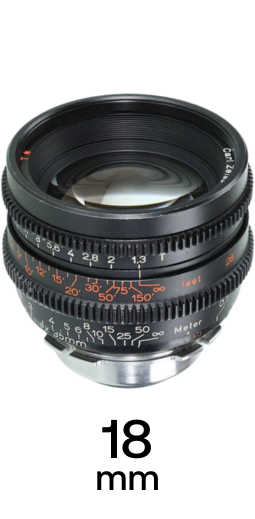
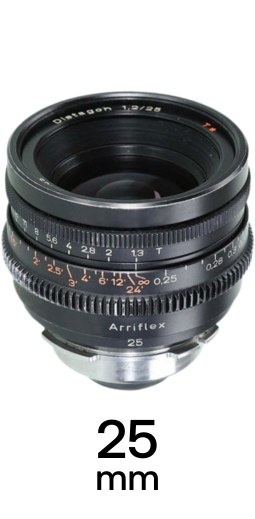
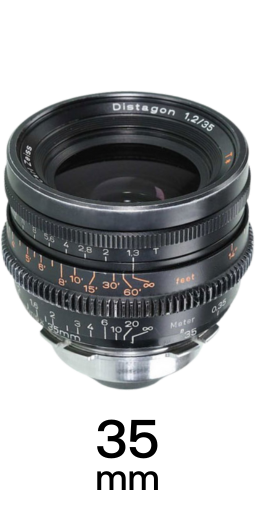
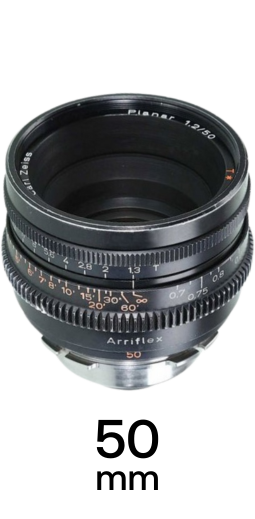
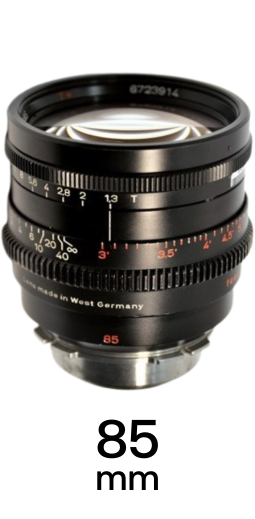
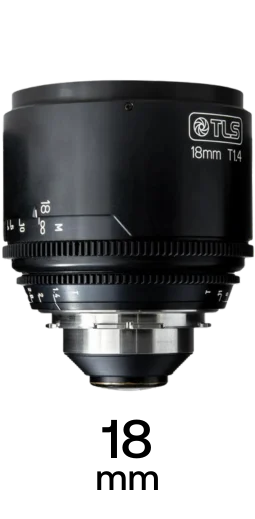
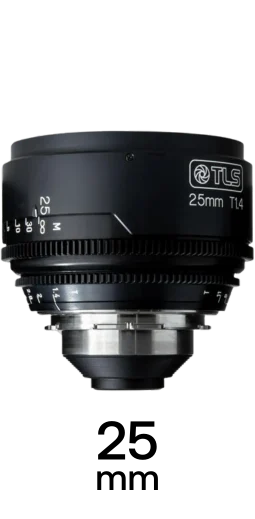
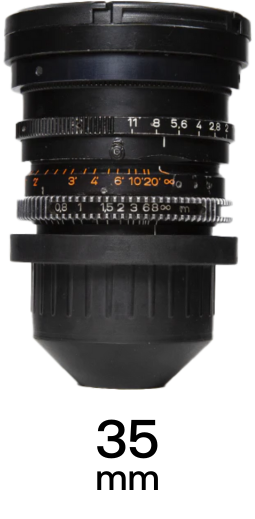
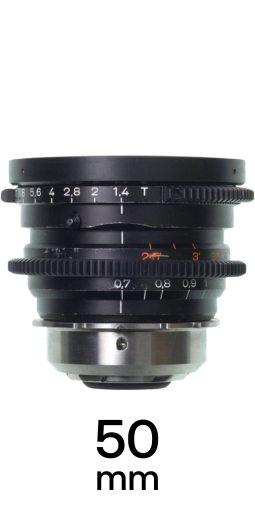
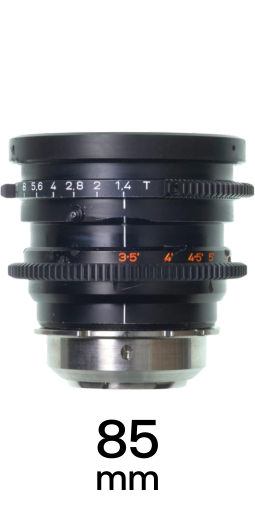
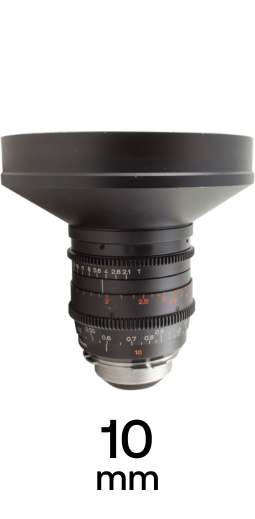
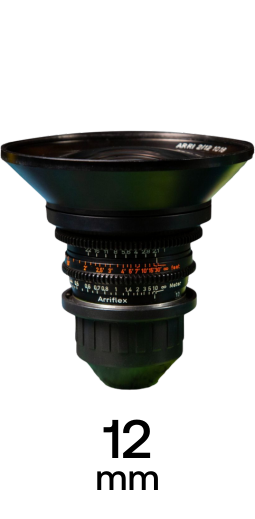
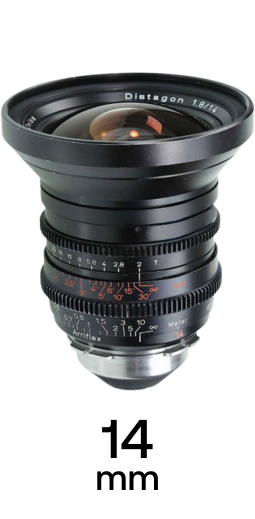
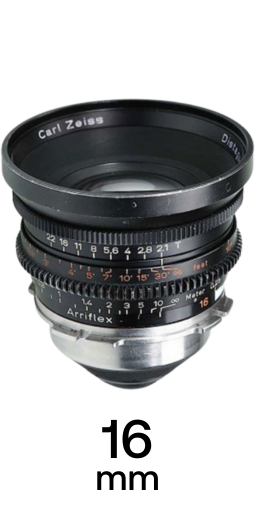
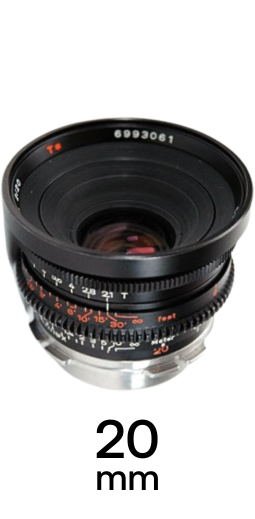
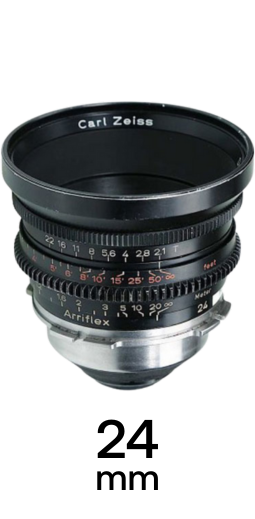
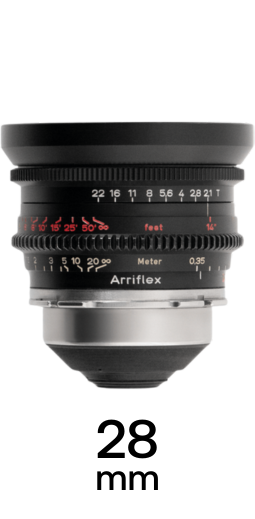
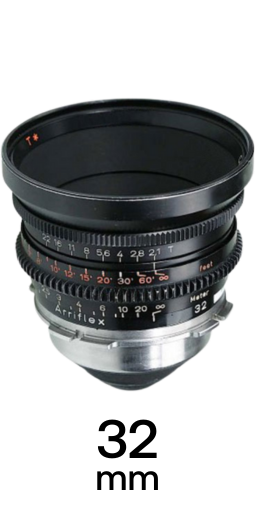
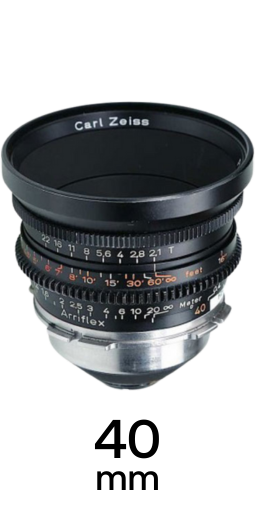
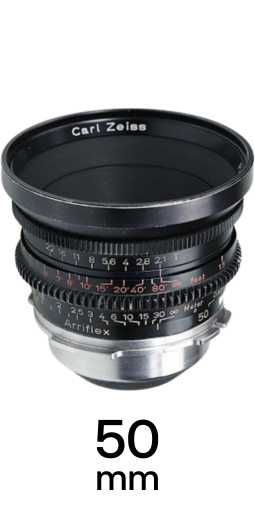
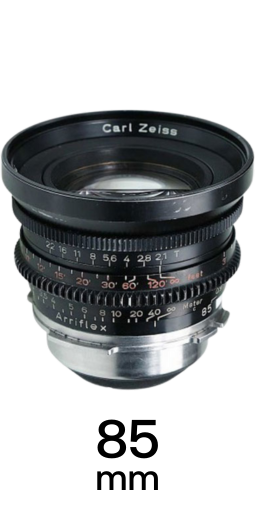
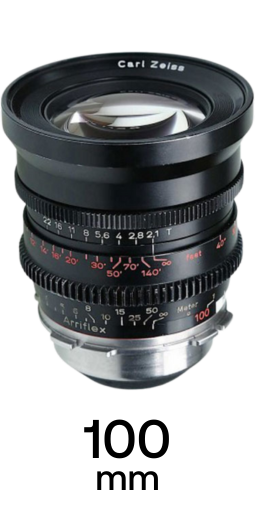
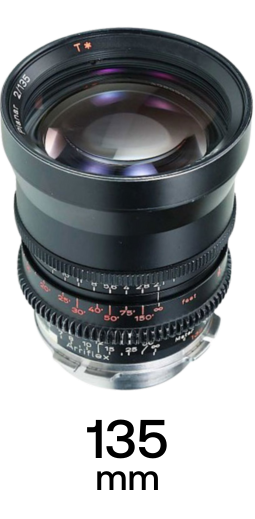
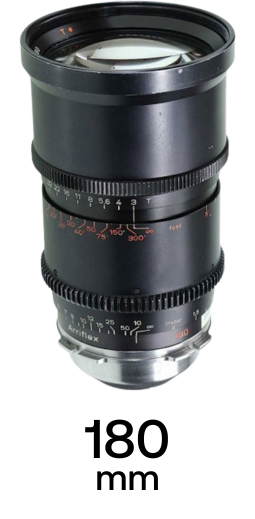
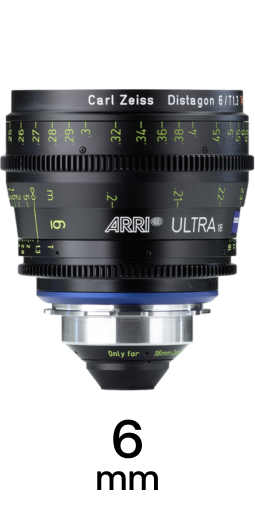
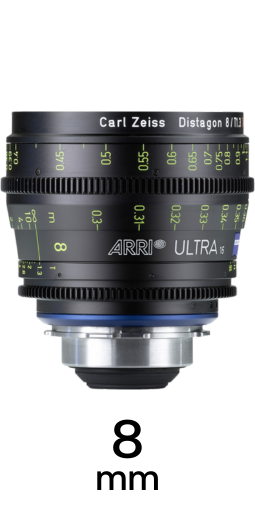
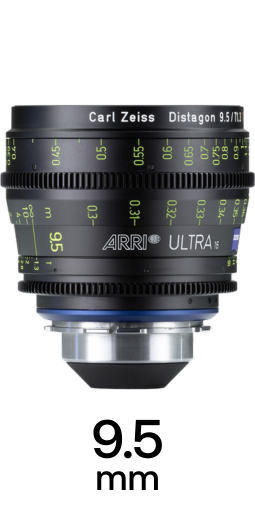
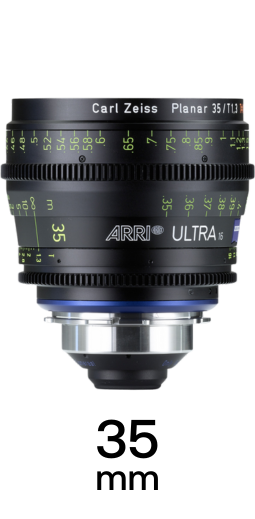
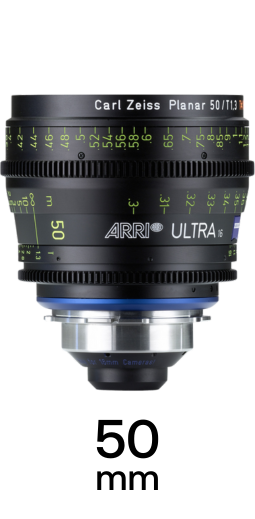
Zeiss is an optical manufacturer known for precision lens design across scientific, photographic, and cinema applications. Cine Visuals carries an extensive Zeiss selection including the Supreme and Aatma lines, the ARRI Zeiss family, the Speed series, and both GL Optics and TLS versions of the Zeiss Contax lenses.
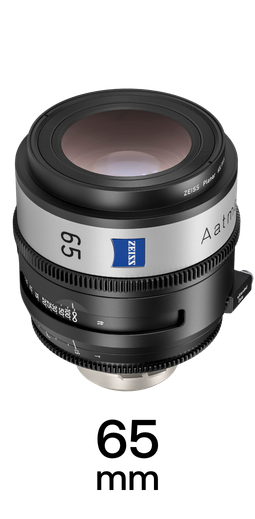
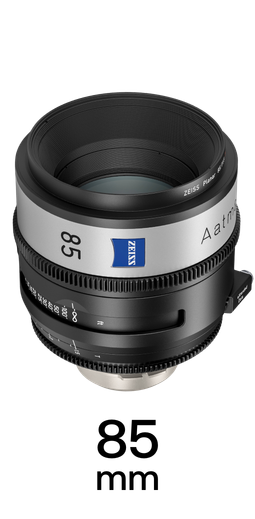
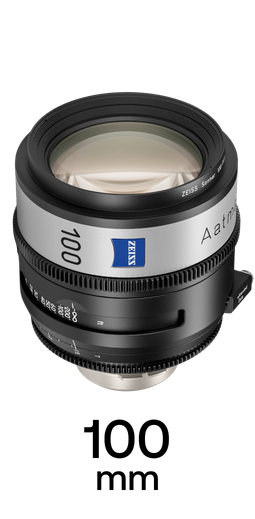
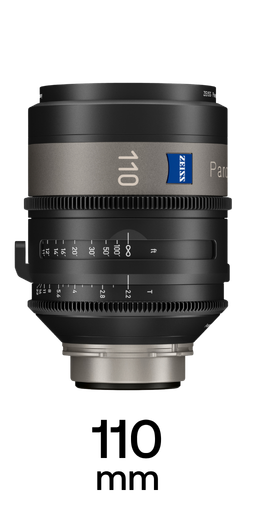
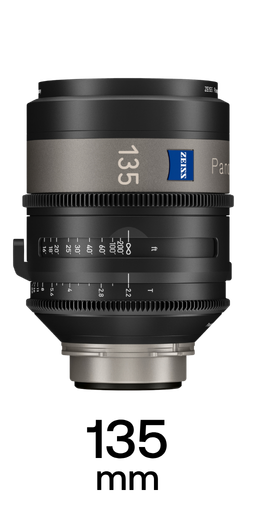
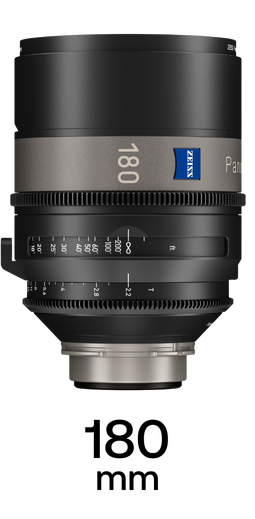
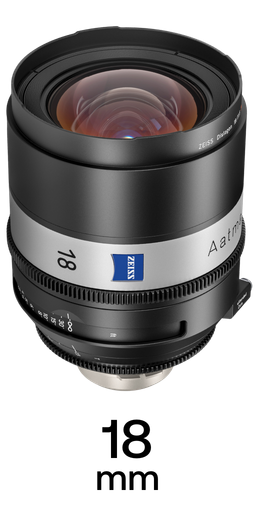
- Full Frame LF/VV | SphericalZeiss’s current flagship cinema prime line, developed as a new optical design rather than a modification of existing glass, drawing from both vintage and contemporary influences. The result balances high optical precision with organic, expressive rendering suited to cinematographers who want character alongside technical control.


- Full Frame LF/VV | SphericalThe Supreme Prime optical formula with a modified coating mix that produces more pronounced blue flares. All other optical characteristics remain consistent with the standard Supreme Primes.


- Full Frame LF/VV | SphericalThe Radiance coating treatment applied to a zoom configuration, bringing the expressive flare characteristics of the Supreme Primes Radiance into a portable zoom format.
- Full Frame LF/VV | SphericalFull-frame primes that carry Zeiss optical precision and coating technology into the large-format era, with organic rendering, smooth circular bokeh, and restrained skin tone handling alongside the sharpness the brand is associated with.


- Full Frame LF/VV | SphericalZooms built on CP.2 optics in compact housings designed for practical on-set use. They bring Zeiss rendering into a smaller, more portable zoom format.
- Full Frame LF/VV | SphericalRehoused Zeiss Contax glass with strong micro-contrast, natural color reproduction, and a balance of sharpness with controlled falloff. Their rendering sits close to classic Zeiss designs, making them a versatile option across narrative and commercial work.


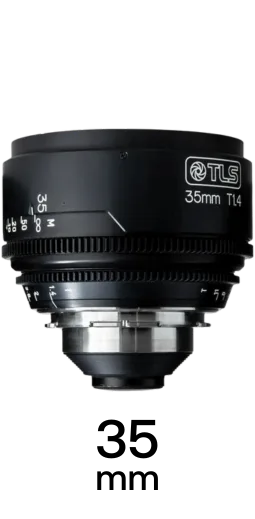
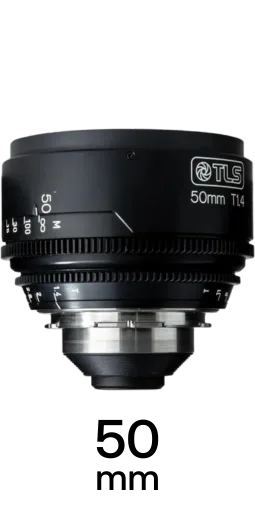
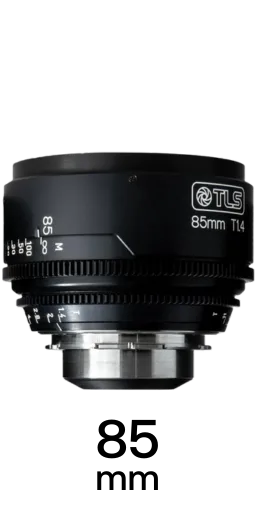
- Full Frame LF/VV | SphericalThe same Zeiss Contax optical base rehoused by True Lens Services, with full-frame coverage and updated cinema mechanics. The TLS approach focuses on mechanical precision and consistency across the set.


- Full Frame LF/VV | SphericalSupreme Prime optics adapted for full-frame mirrorless cameras, extending Zeiss cinema rendering into smaller camera systems outside traditional cinema mounts.


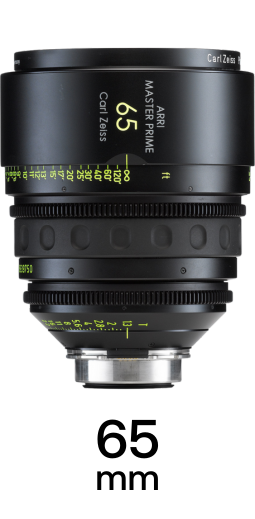
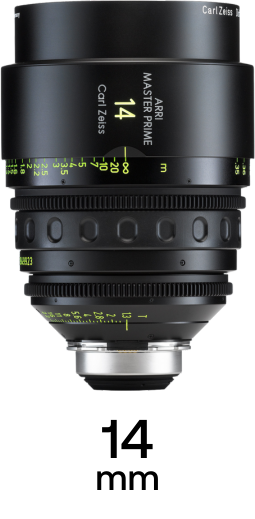
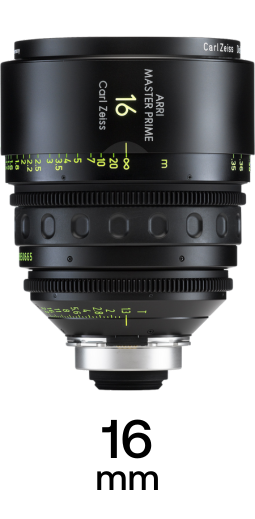
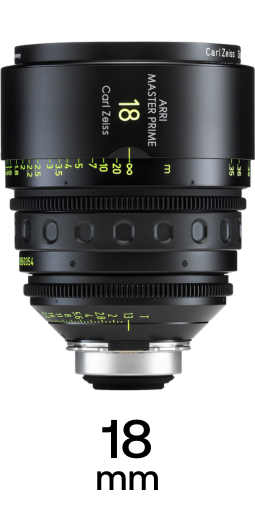
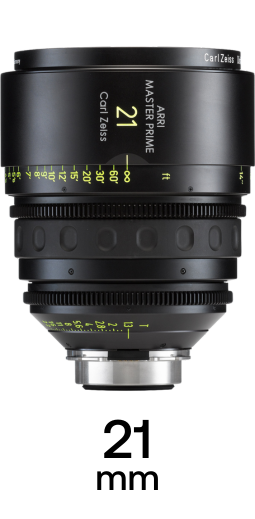
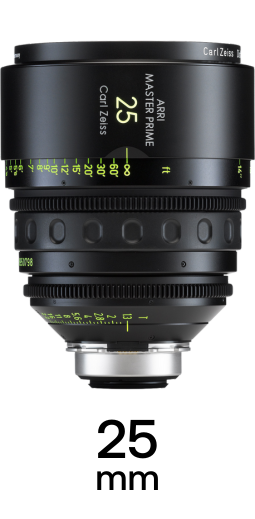
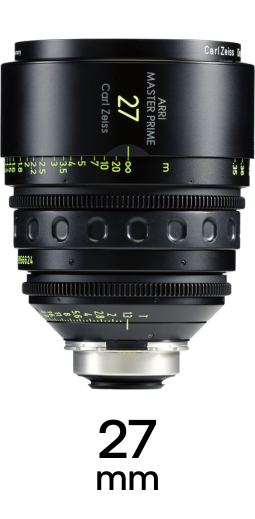
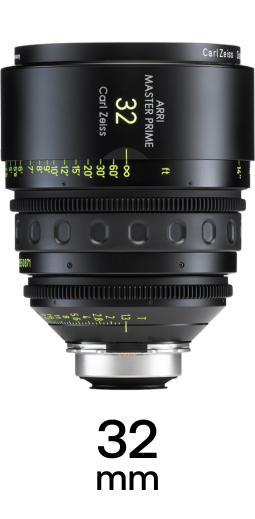
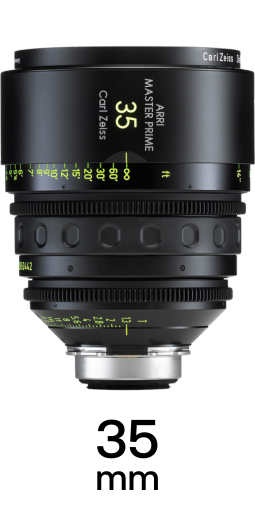
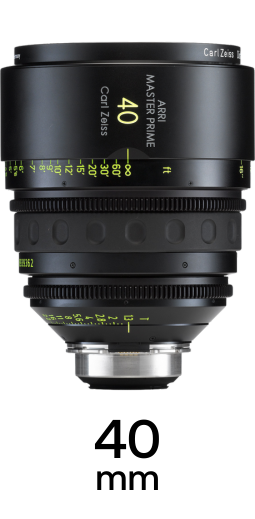
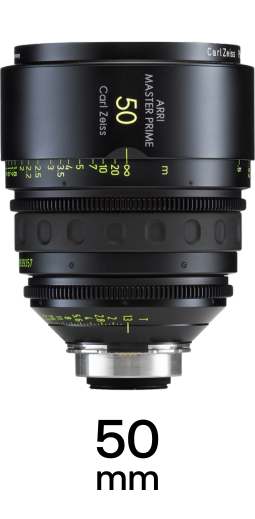
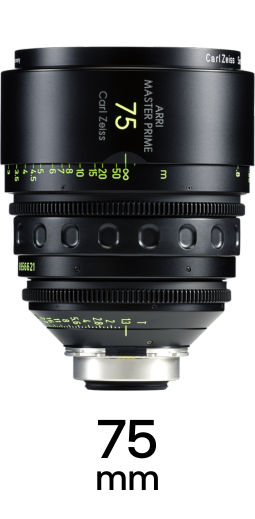
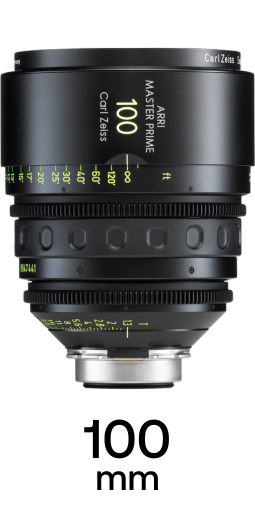
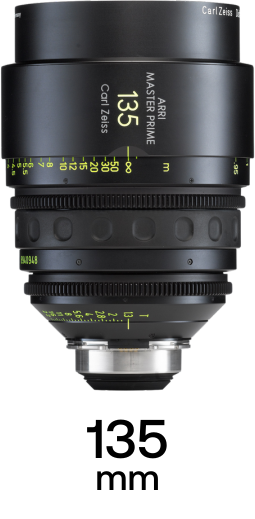
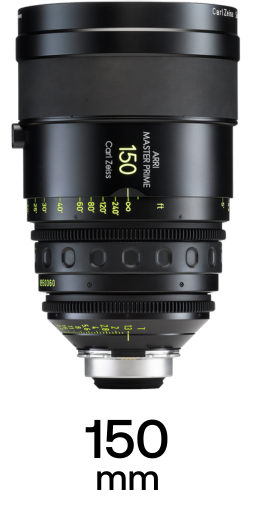
- Super 35 | SphericalWidely regarded on a technical level as among the most optically complete lenses ever made, the Master Primes were engineered simultaneously for traditional film, DI, and VFX pipelines. The design extended the Ultra Prime philosophy further, maximizing image rendition, speed, and optical performance while preserving crisp yet organic imagery.



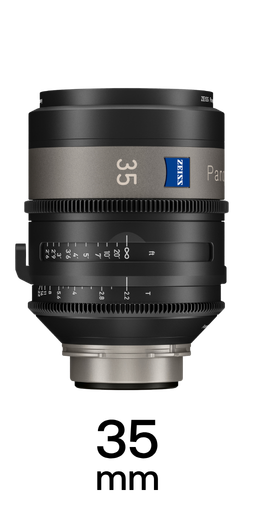
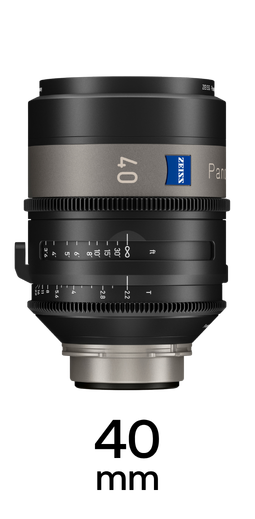
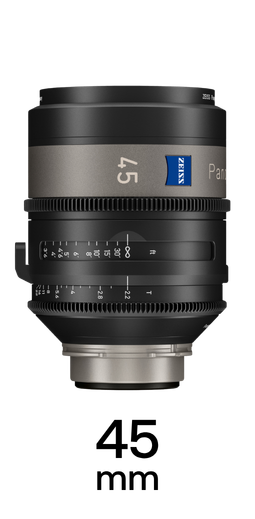
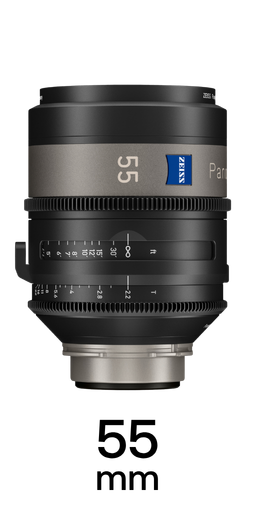
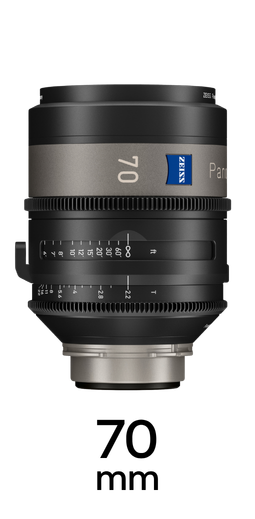
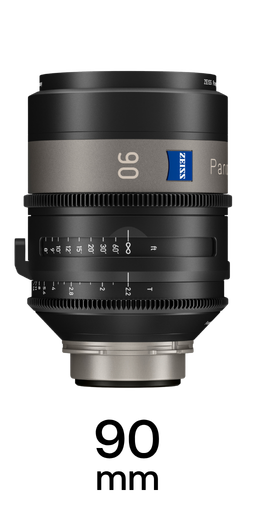
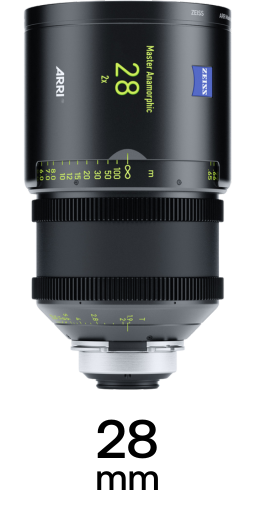
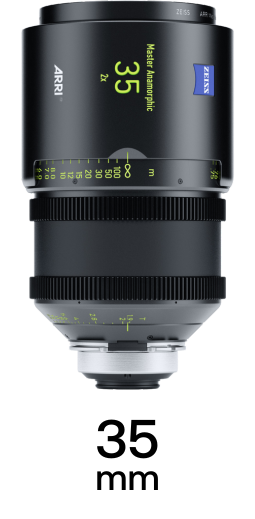
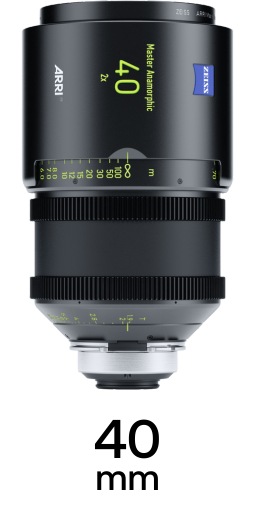
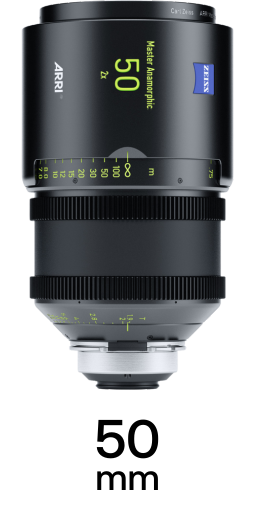
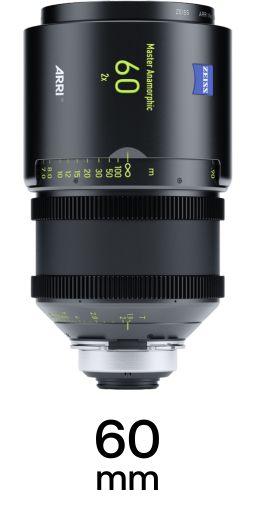
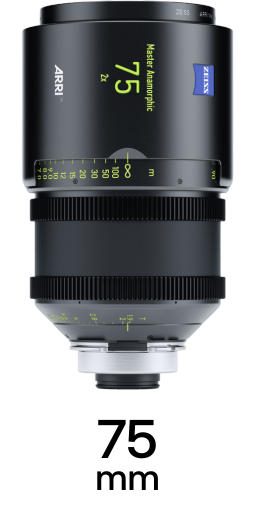
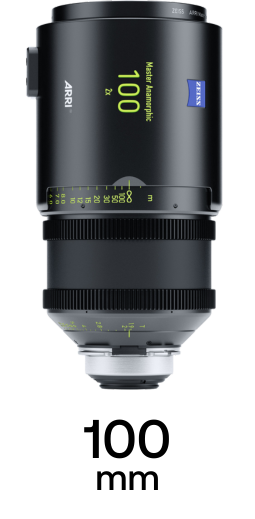
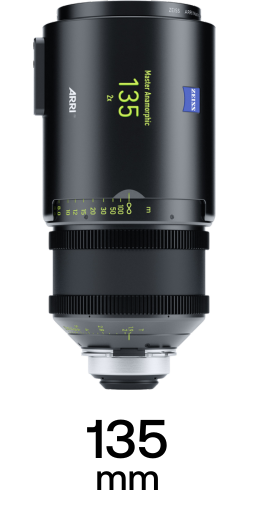
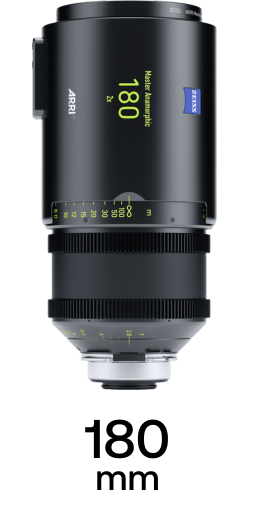
- Super 35 | AnamorphicThe Master Anamorphic lenses build on the Master Prime optical foundation with a dedicated anamorphic front element. They provide a more controlled and consistent anamorphic image than traditional designs from the same period.


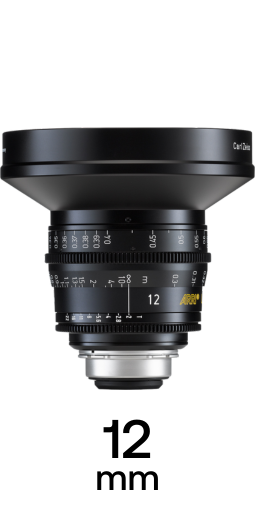
- Super 35 | SphericalThe Ultra Prime 8R is an ultra-wide rectilinear lens designed to match the Ultra Prime set at extreme focal lengths. It extends the range of the series while maintaining consistent optical correction and rendering.

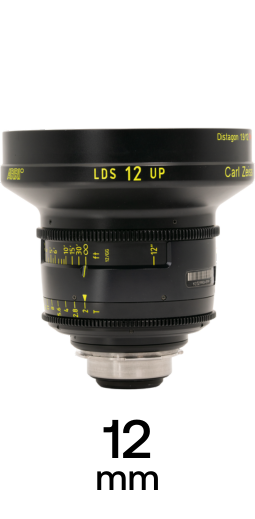
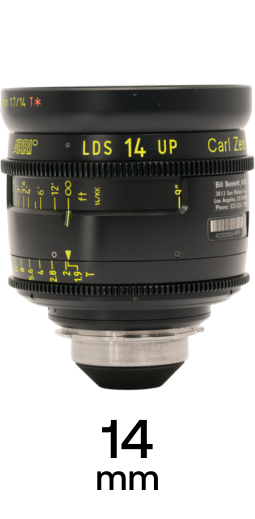
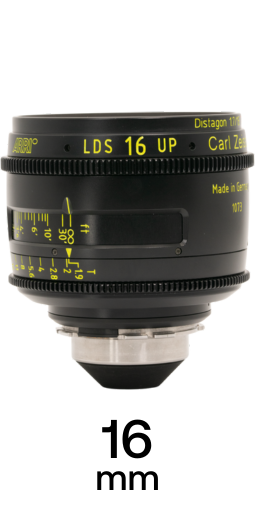
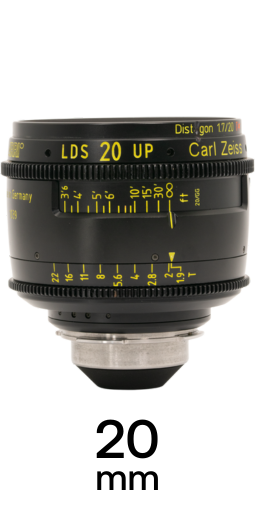
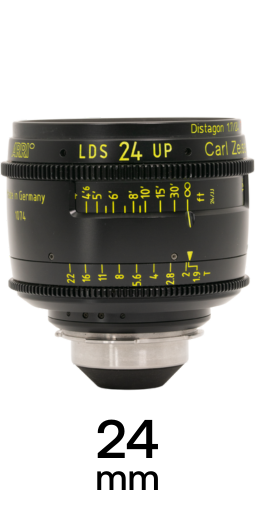
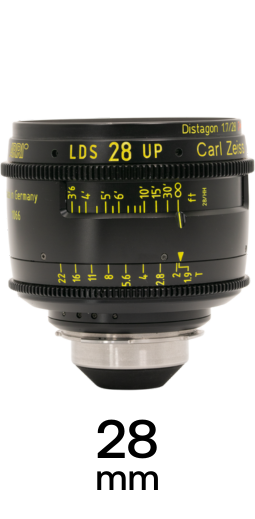
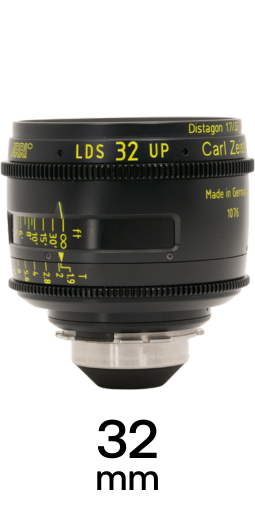
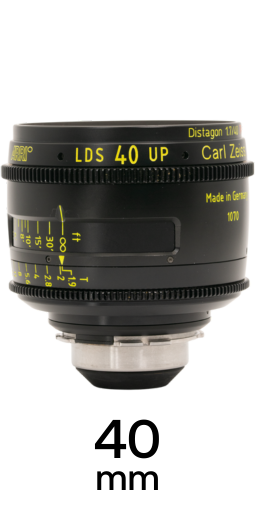
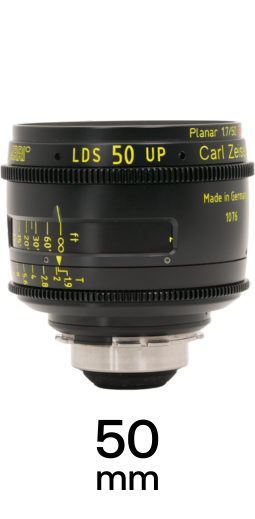
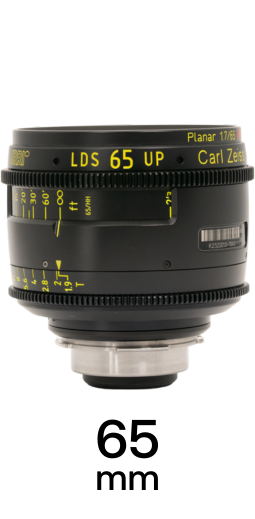
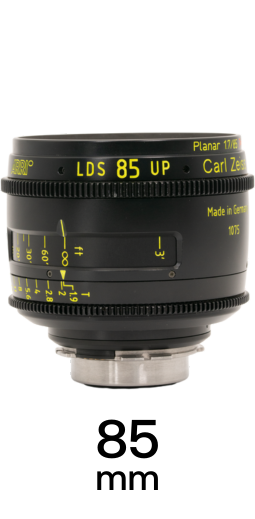
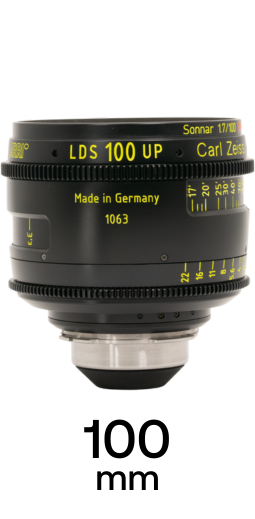
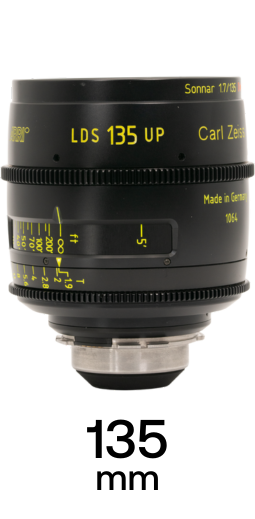
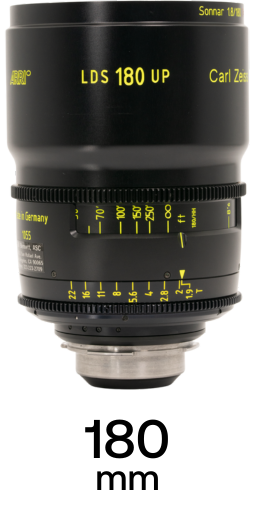
- Super 35 | SphericalOptically identical to the Ultra Primes, the LDS version adds the Lens Data System, enabling direct communication between the lens and camera body. For productions running LDS-dependent workflows, that integration is the sole distinction from the standard Ultra Prime.


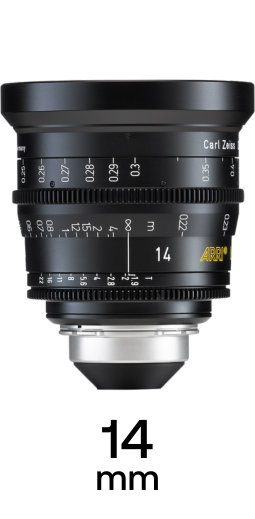
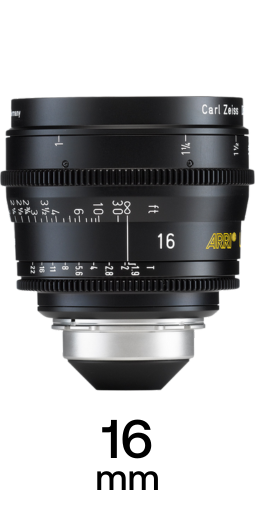
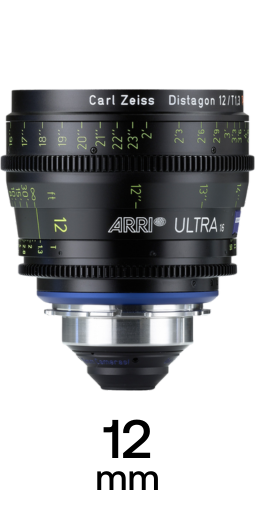
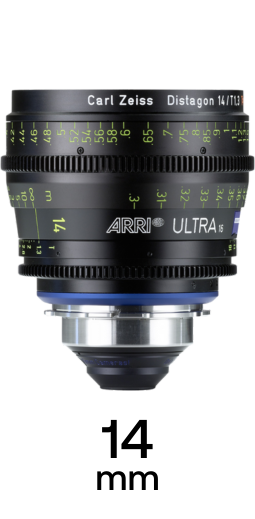
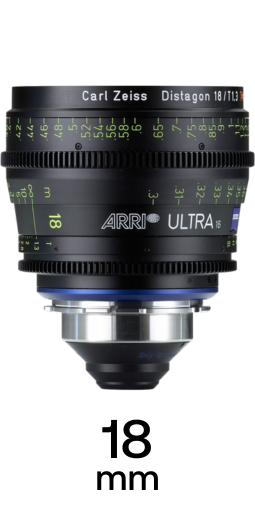
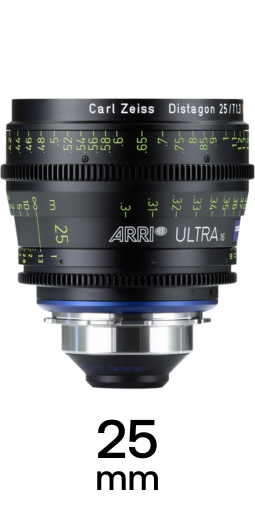
- Super 35 | SphericalDeveloped at the height of the film era, the Ultra Primes represent the accumulated optical knowledge of late 20th century lens design, built to be sharp enough for the demands of the time while retaining the character of pre-digital, pre-VFX glass. Lighter than the Master Primes and sharing a similar design philosophy, they remain a widely used option for productions that want that optical lineage at reduced weight.


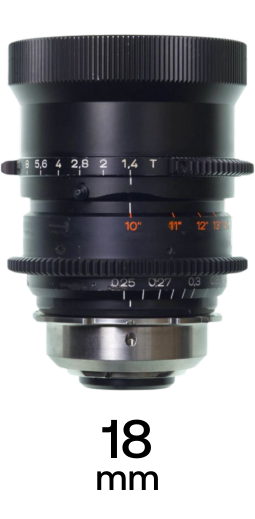
- Super 35 | SphericalThe Super Speed optical design updated into modern robust housings by True Lens Services, maintaining the original glass while bringing the mechanics up to current production standards.


- Super 35 | SphericalThe Mark II and Mark III series of Super Speeds, representing a significant advance over the B-Speed design with a 7-blade iris producing smooth, circular bokeh even when stopped down. Sharp in the center with controlled falloff toward the frame edges and a strong reputation for handling faces, they have remained in active use across more than five decades of production.


- Super 35 | SphericalThe B-Speed glass updated into modern cinema housings by True Lens Services, retaining the original optical design while adding current-standard mechanics and build quality.


- Super 35 | SphericalAn evolution of the Standard Speeds, defined by a 3-blade aperture that produces a distinct triangular bokeh at wider stops. These lenses represent an early stage in the development of the Super Speed series before later iterations refined the design.


- Super 35 | SphericalThe same B-Speed optical design with coatings removed, producing lower contrast and more reactive flare behavior under direct light. This version emphasizes optical response rather than mechanical or structural differences.


- Super 35 | SphericalZeiss’s first cinema lens series, built from the optical foundation of the Zeiss Contax still photography glass and adapted into cinema housings. They represent the starting point of the Zeiss cinema lineage that the subsequent Speed series developed from.


- Super 16 | SphericalThe Ultra Prime optical design reworked for a 16mm image circle, carrying the same corrections and character as the full-format version. Productions shooting on 16mm or smaller sensor formats requiring matched lenses are the primary use case.


What are Zeiss Cinema Lenses Known For?
Zeiss was established in Jena, Germany in 1846, initially focused on scientific instruments before expanding into photographic and cinema optics. The company built its reputation on a methodical, calculation-driven approach to lens design, which set it apart from the intuition-based methods common at the time. Their work focused on microscopes, telescopes, and related tools before expanding into camera lenses as still and motion picture photography grew through the early 20th century. Designs including the Planar, Sonnar, and Distagon became foundational to optical engineering. When cinema began demanding faster and more precise lenses in the 1960s and 1970s, Zeiss drew on its still photography heritage to develop a new generation of cinema optics. That work was carried out in partnership with ARRI, with Zeiss responsible for optical design and ARRI handling housings and on-set mechanics. Together they produced widely used lens families including the Standard Speeds, Super Speeds, Ultra Primes, and Master Primes. After that collaboration ended, Zeiss transitioned to designing and manufacturing its cinema lenses fully in-house.