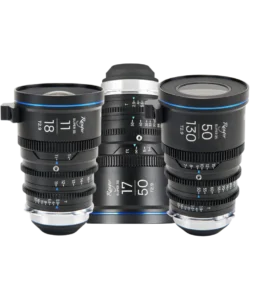
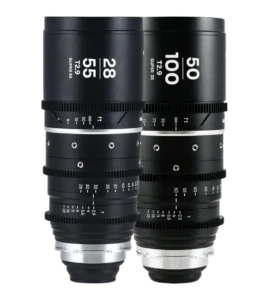
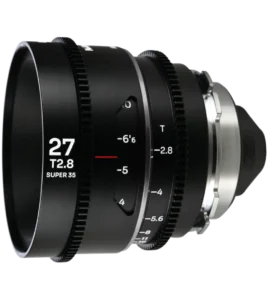
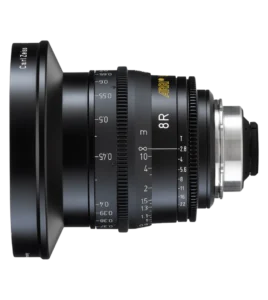
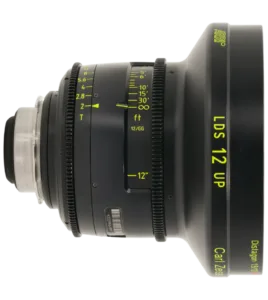
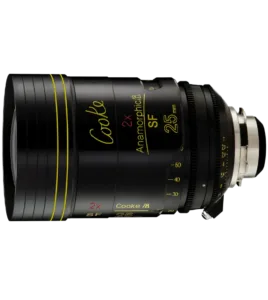
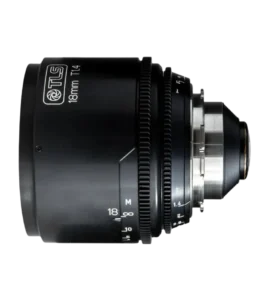
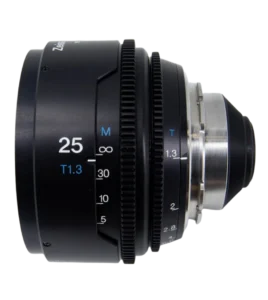
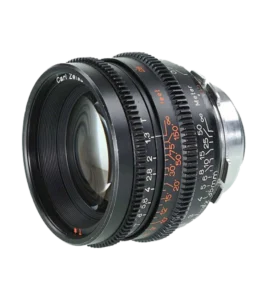
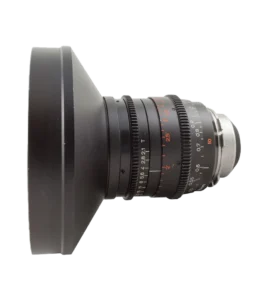
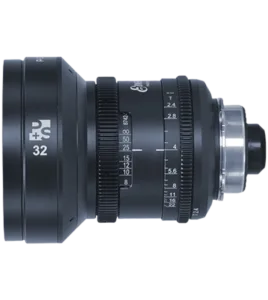
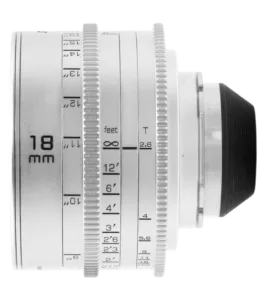
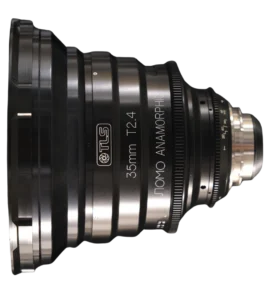
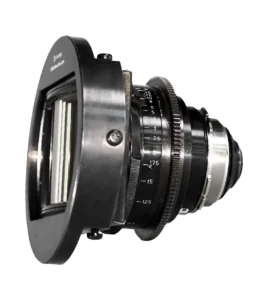
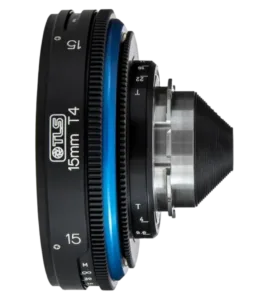
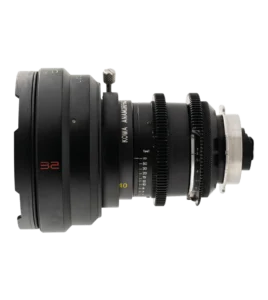
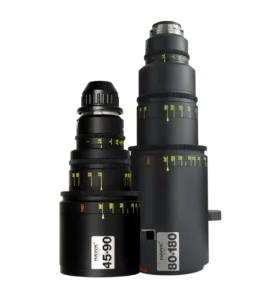
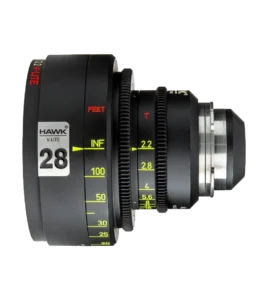
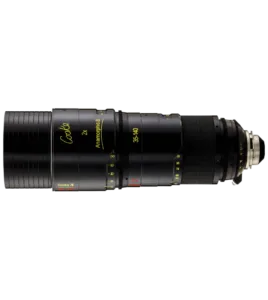
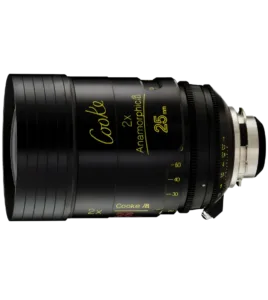
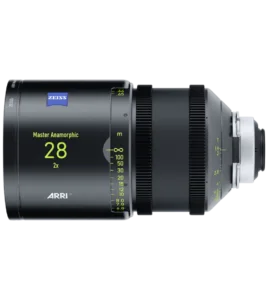
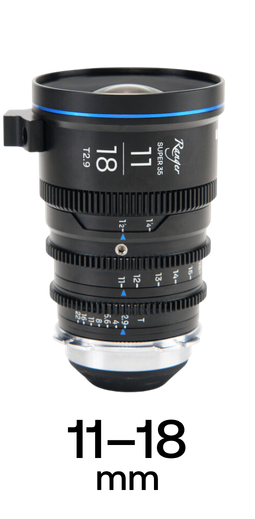
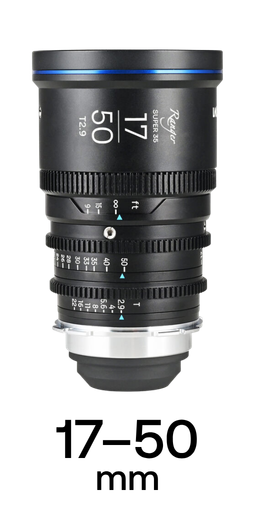
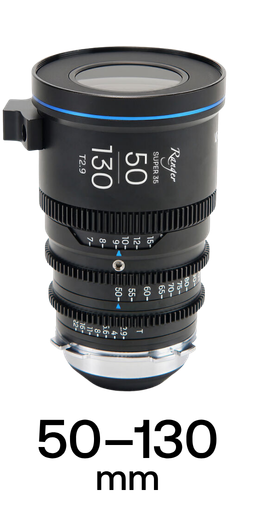
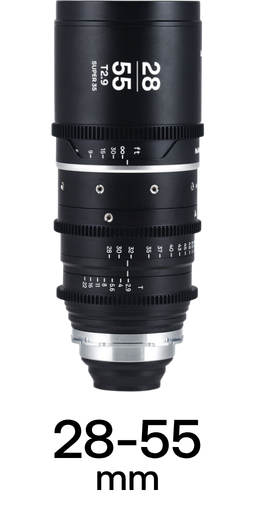
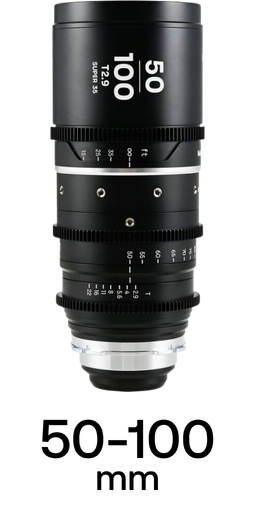
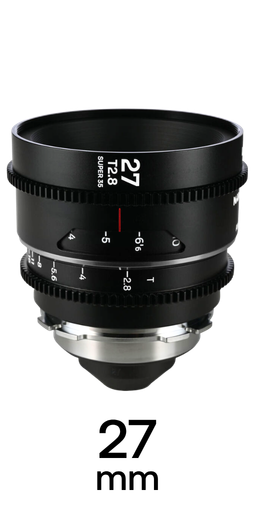
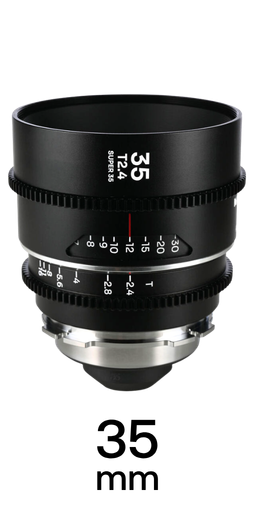
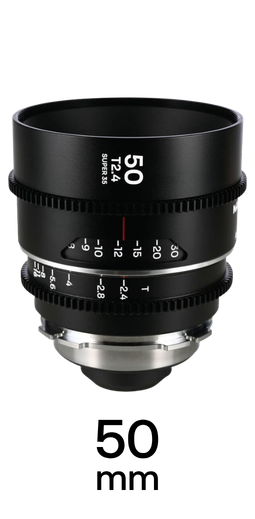
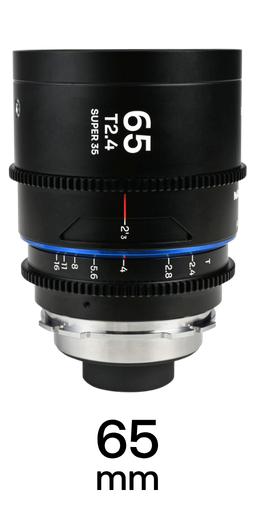
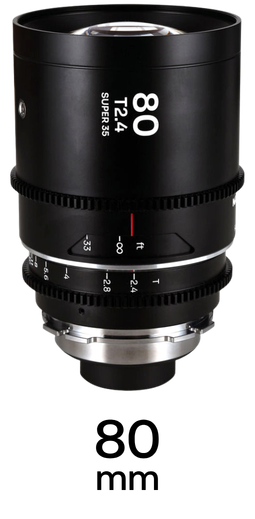
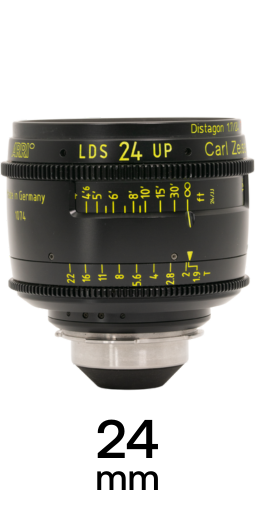
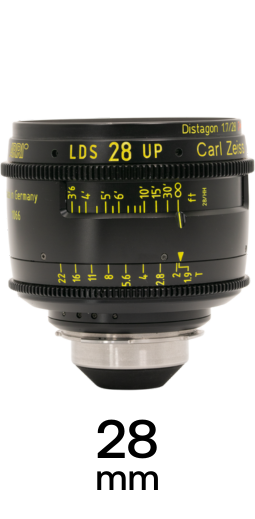
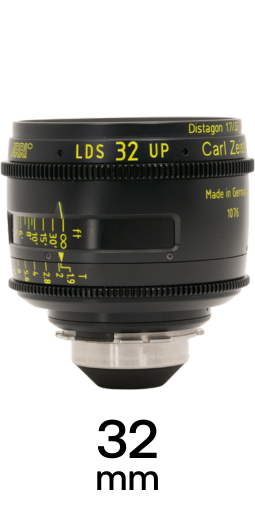
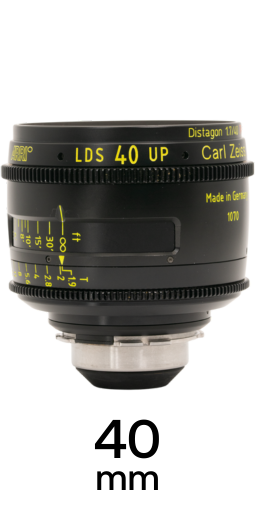
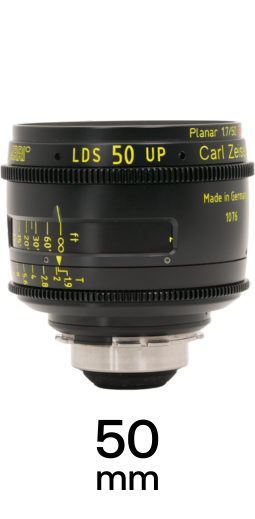
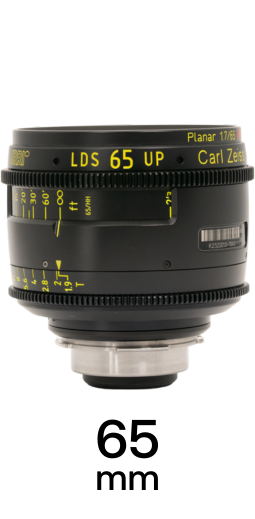
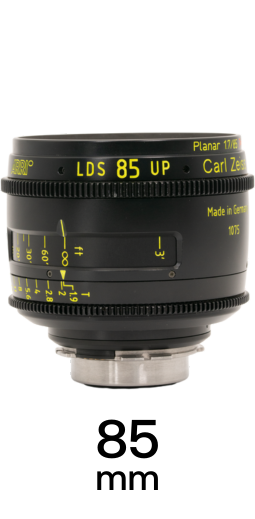
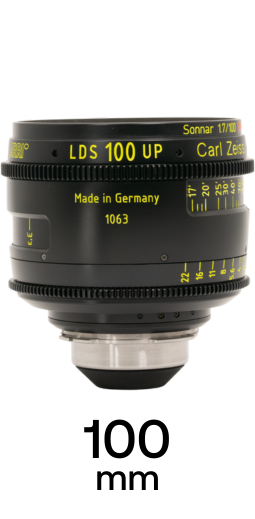
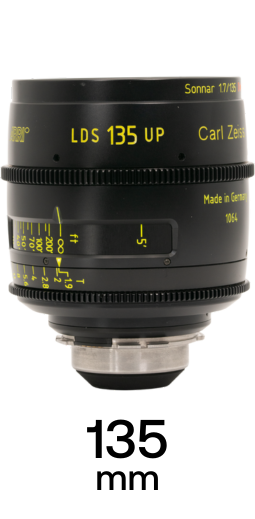
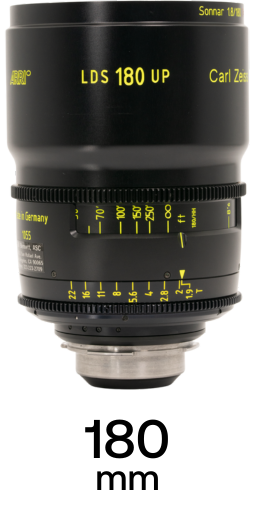
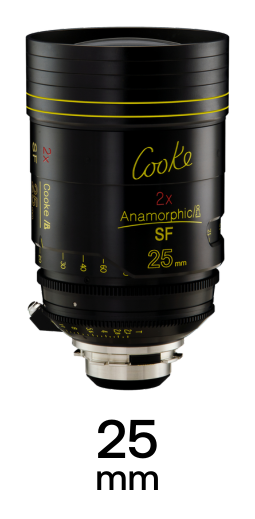
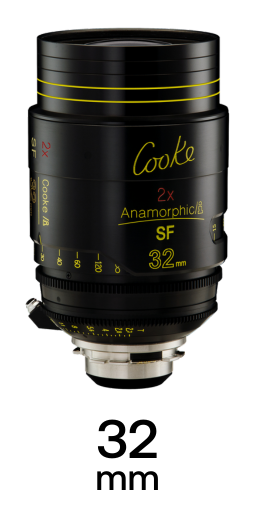
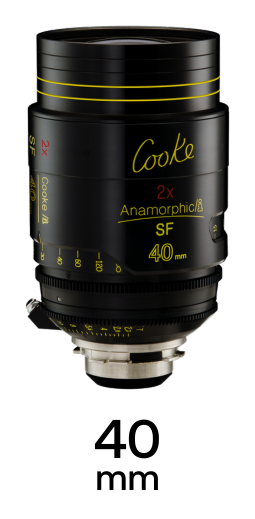
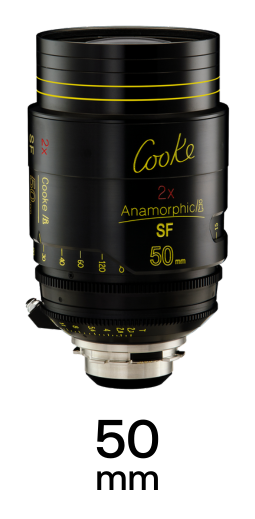
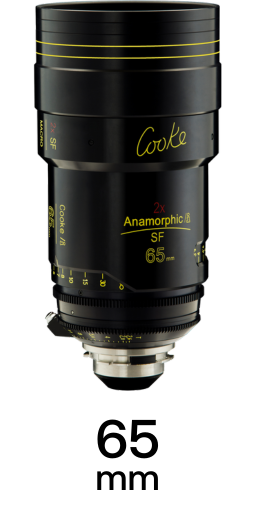
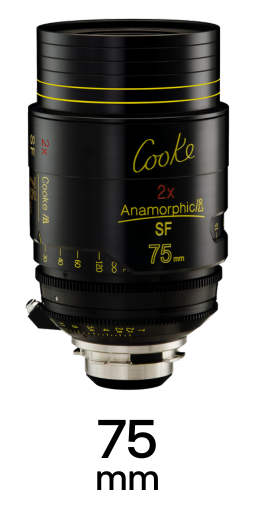
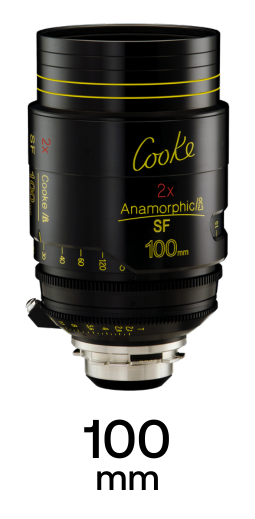
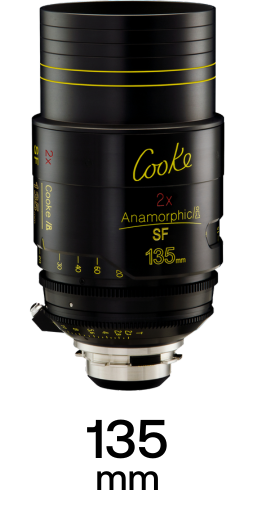
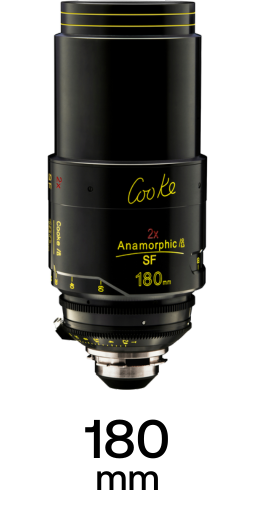
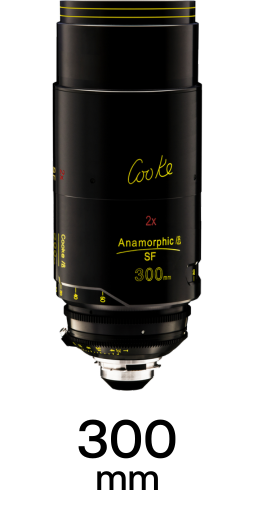
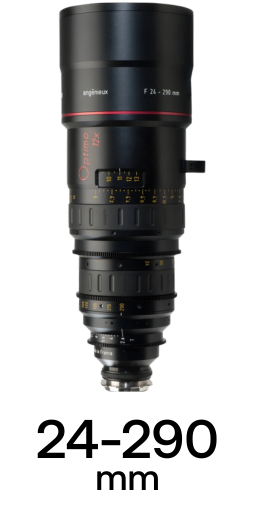
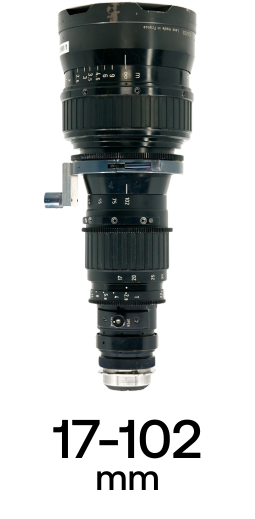
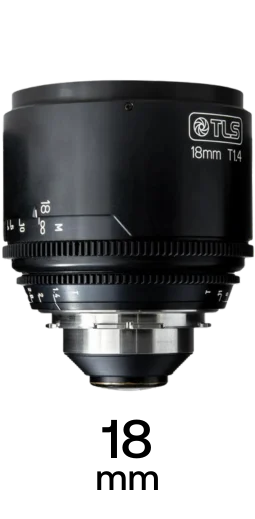
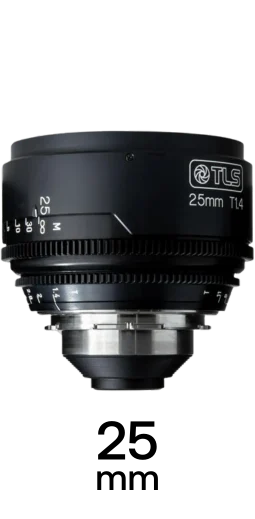
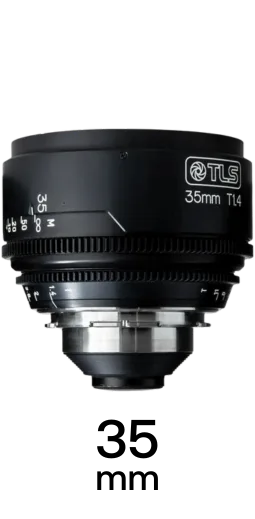
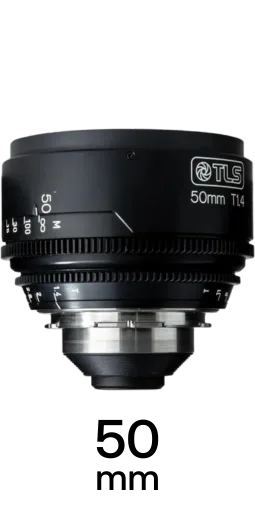
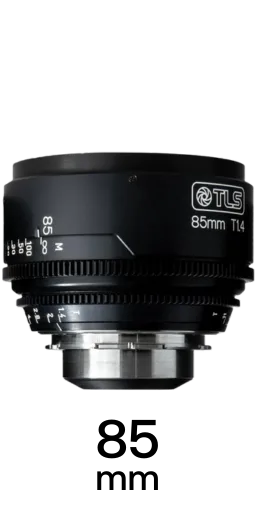
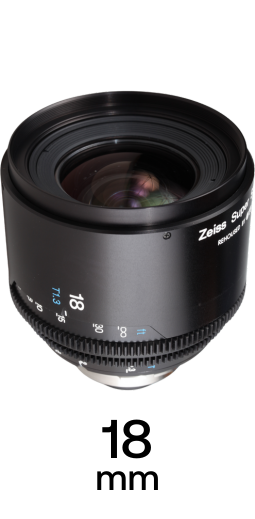
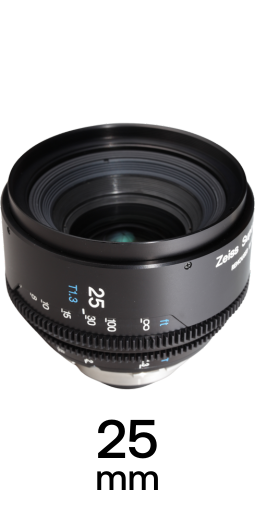
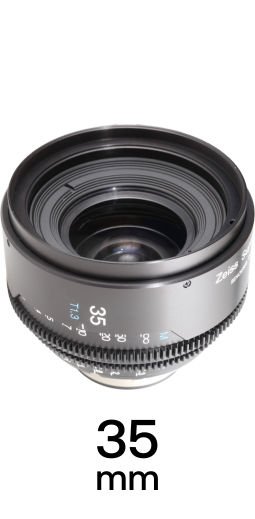
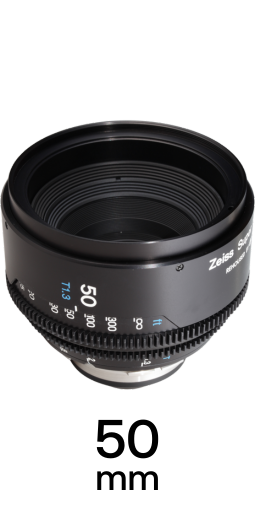
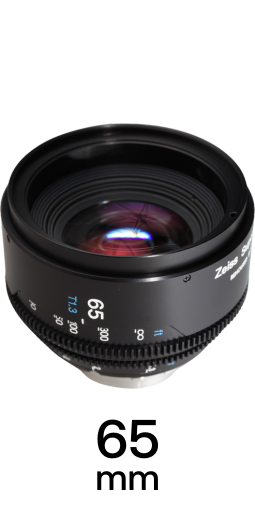
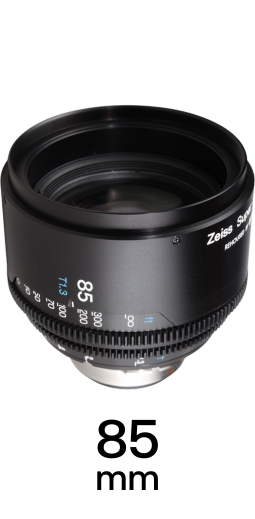
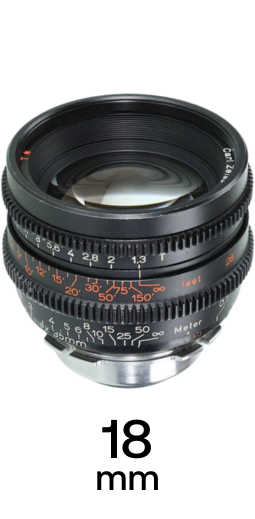
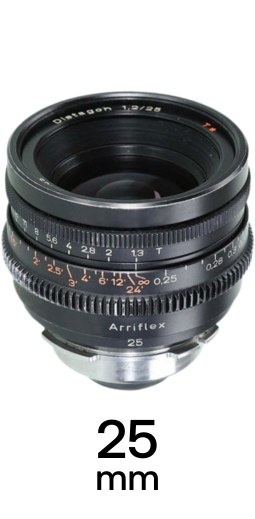
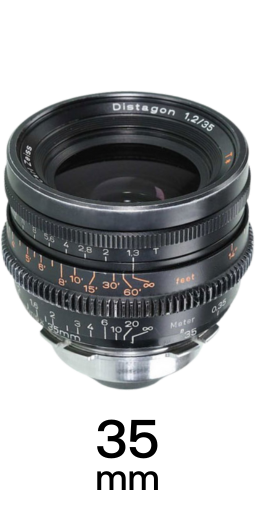
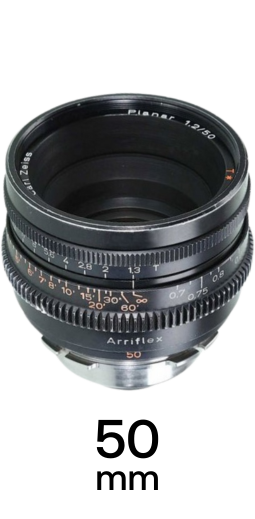
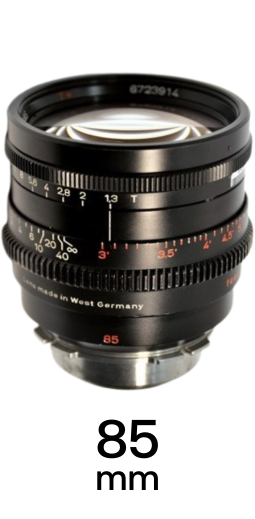
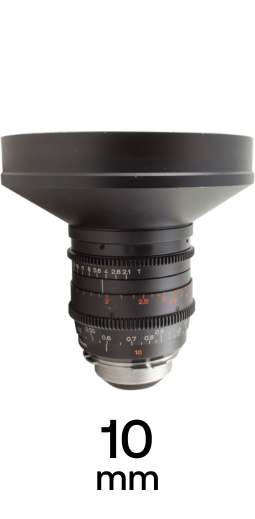
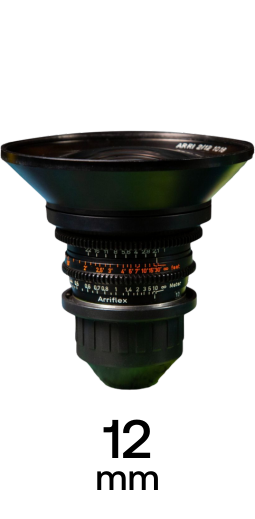
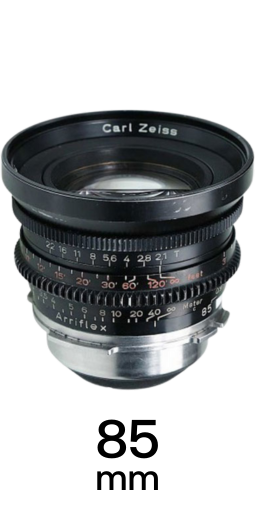
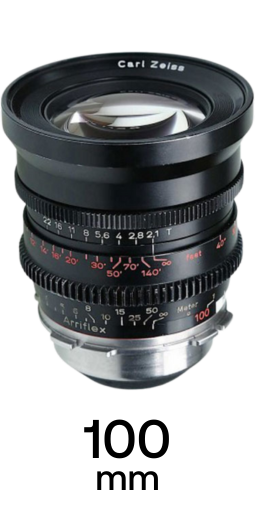
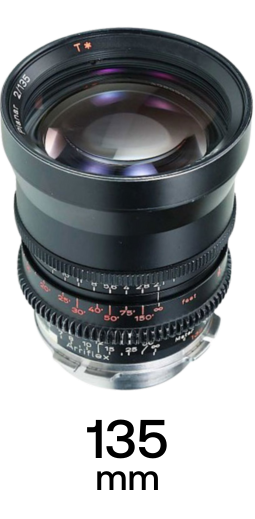
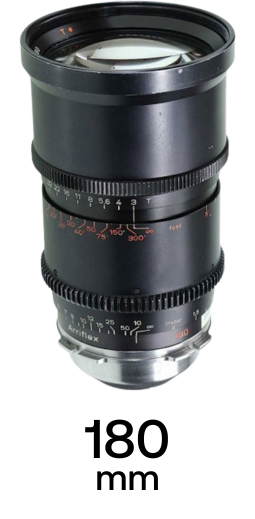
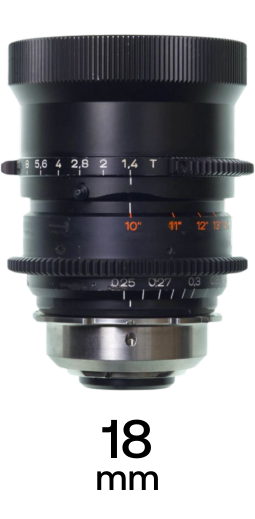
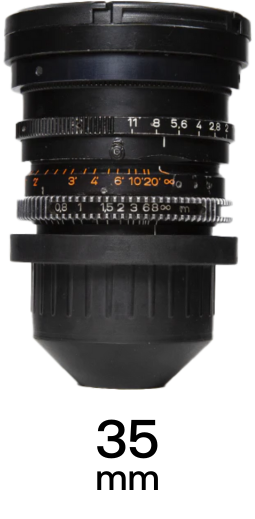
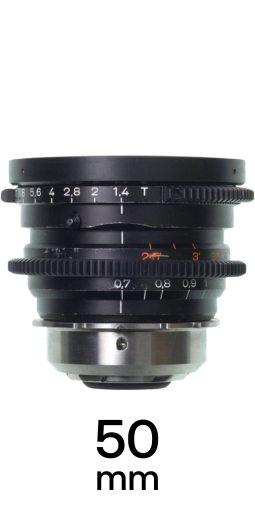
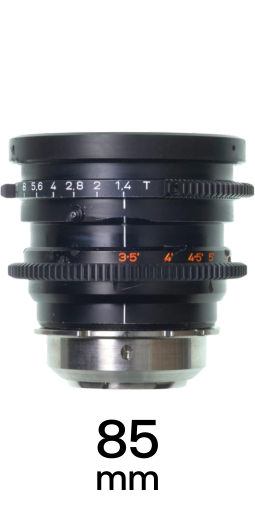
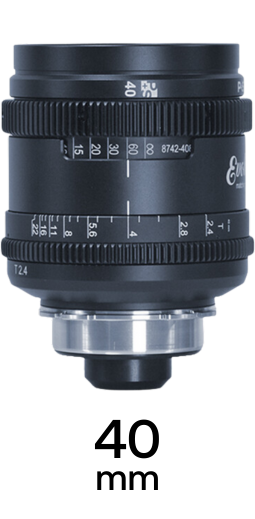
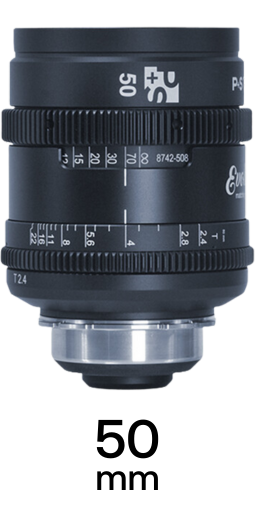
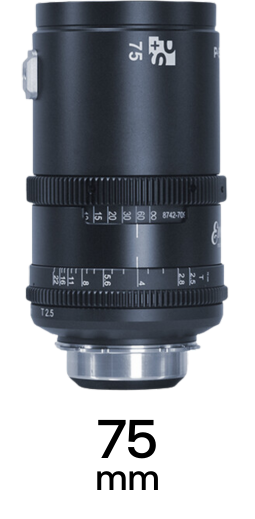
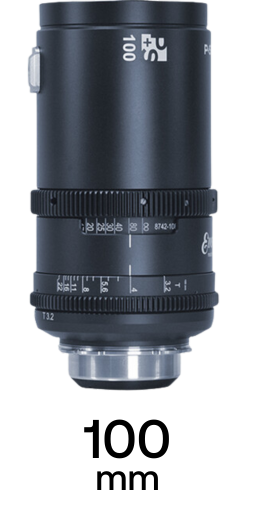
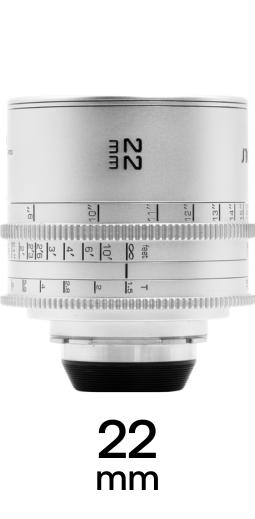
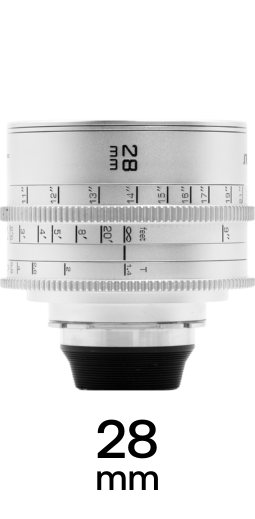
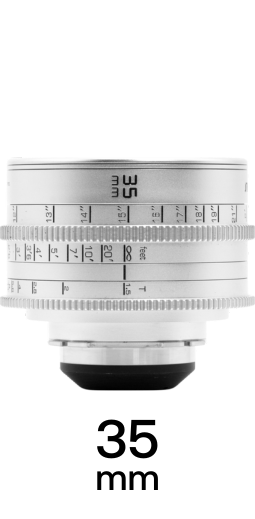
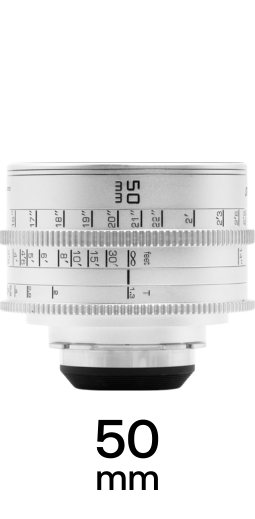
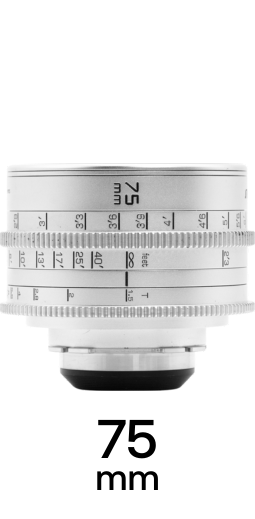
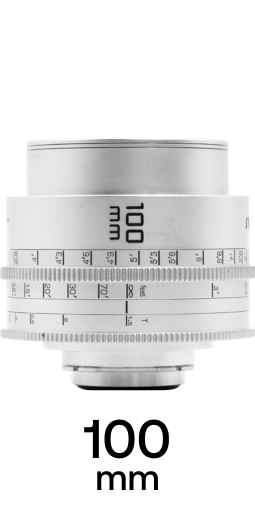
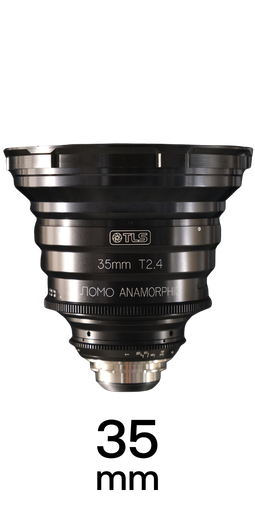
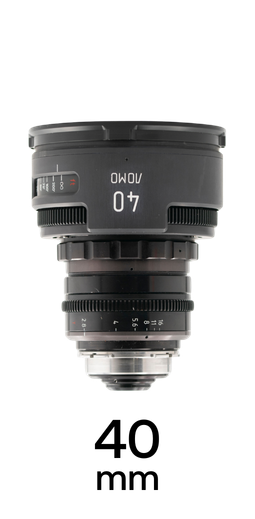
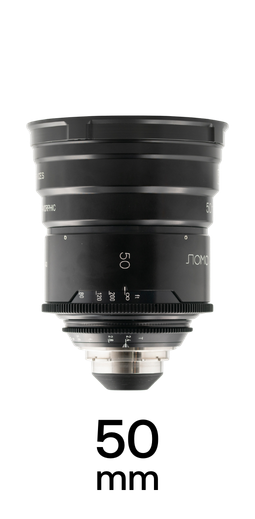
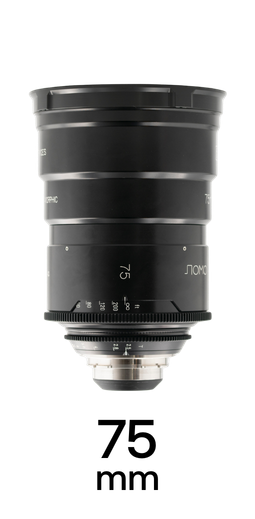
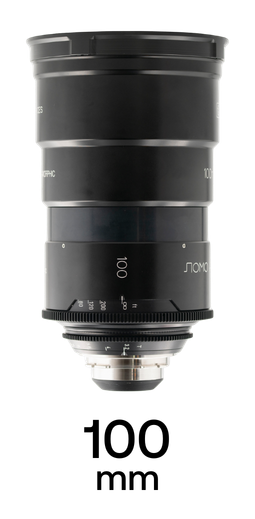
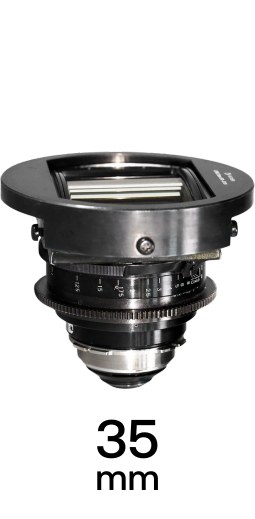
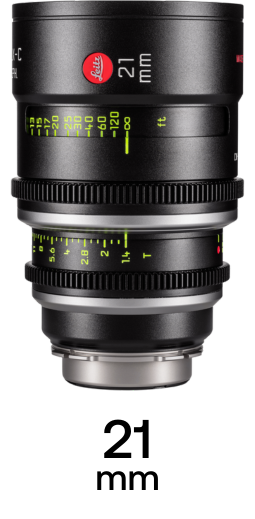
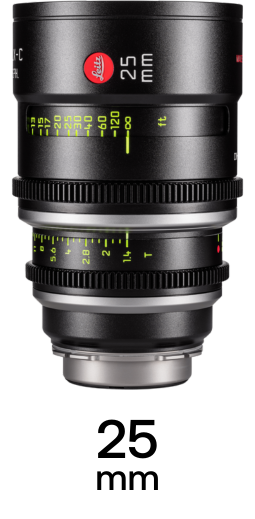
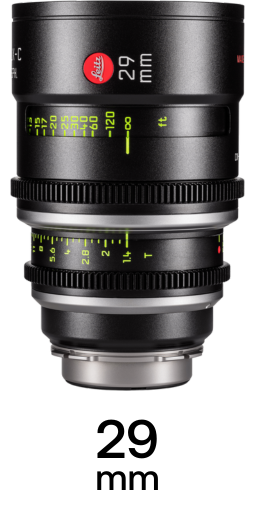
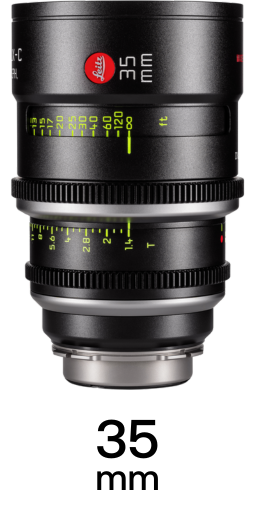
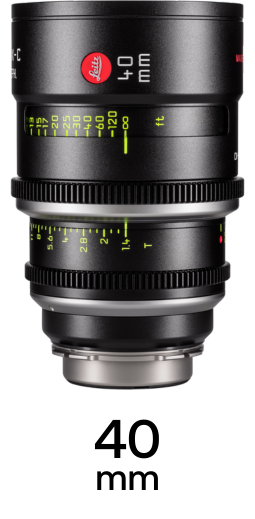
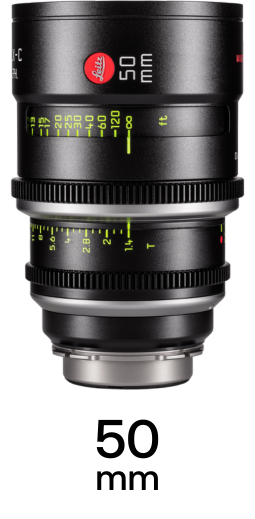
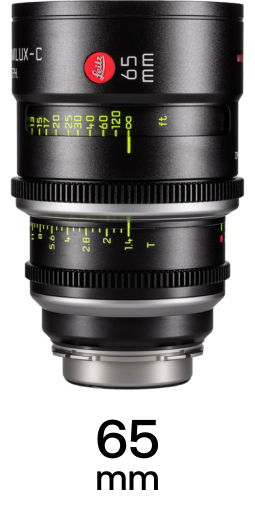
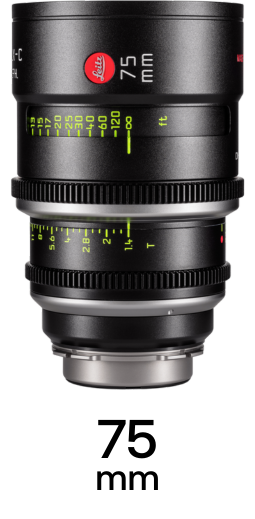
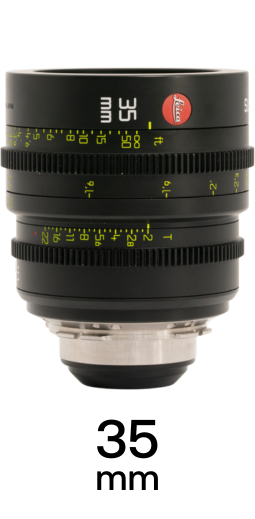
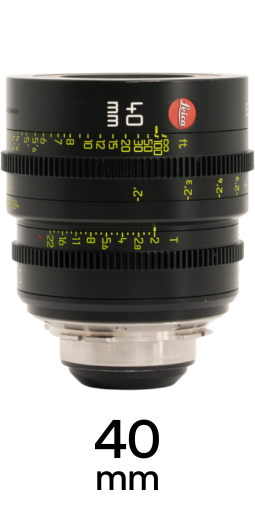
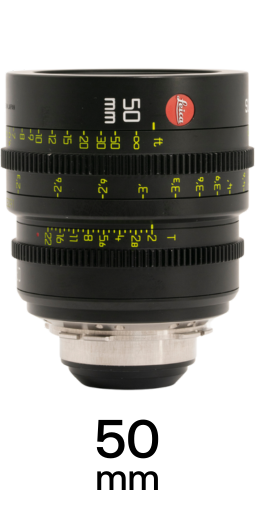
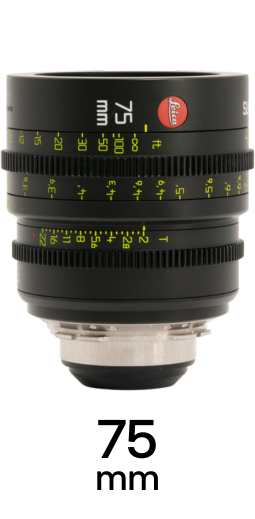
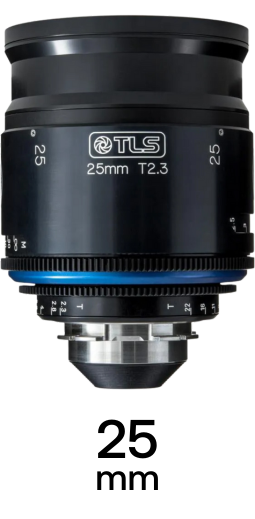
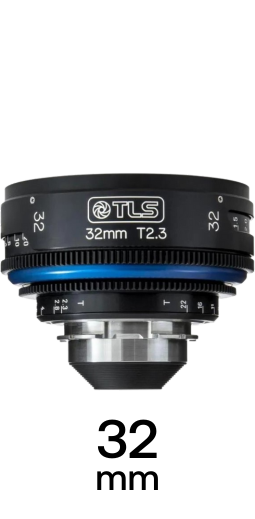
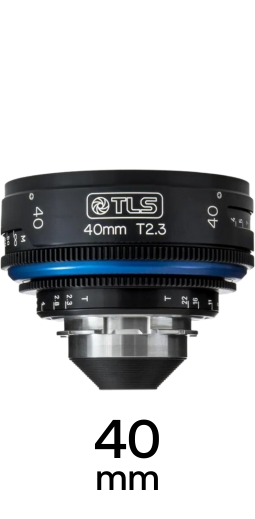
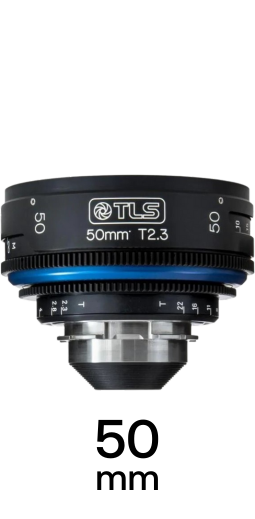
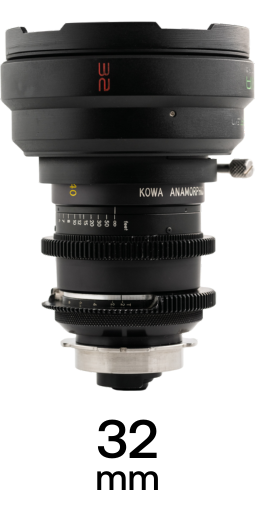
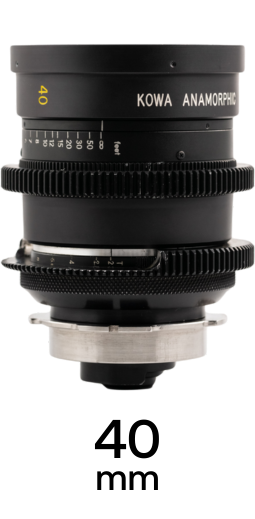
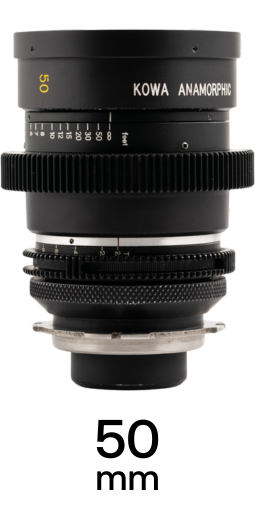
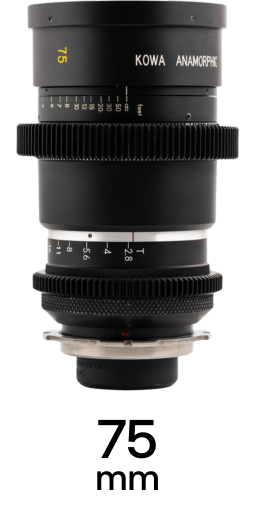
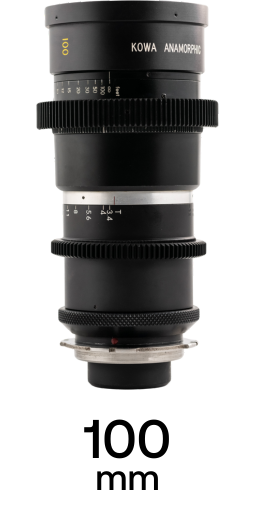
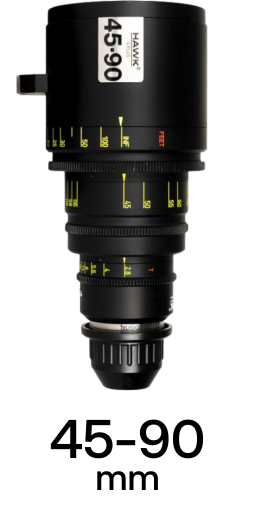
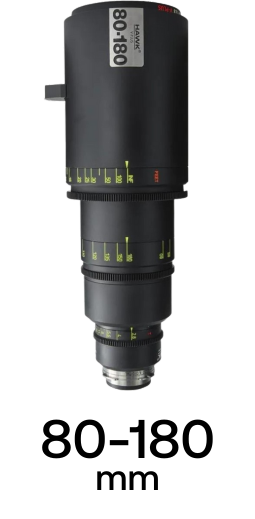
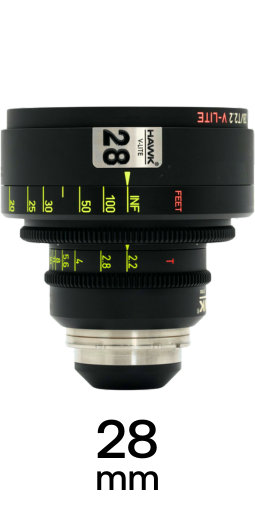
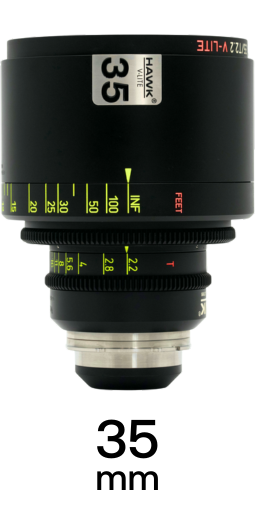
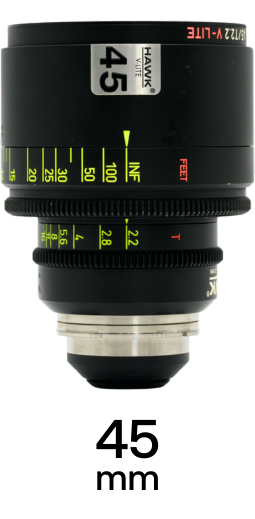
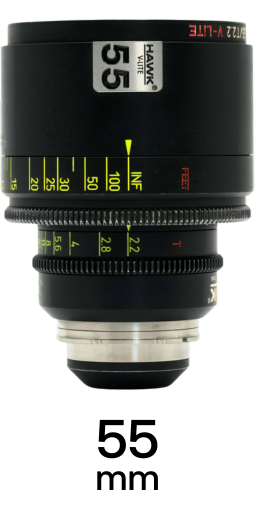
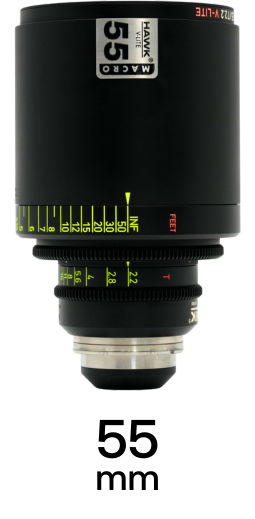
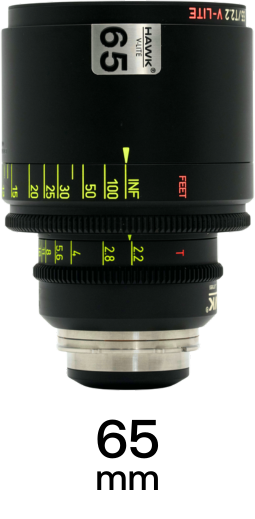
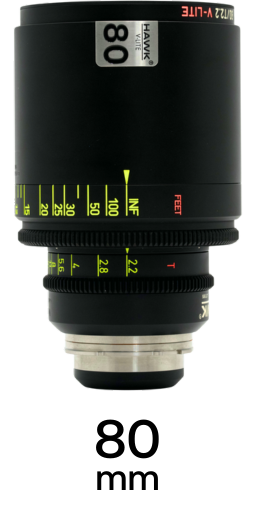
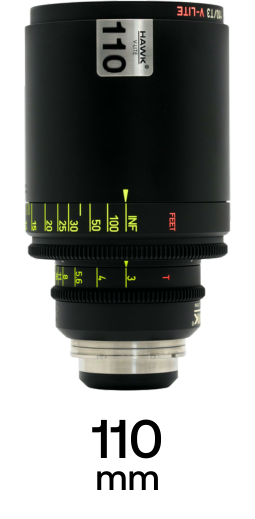
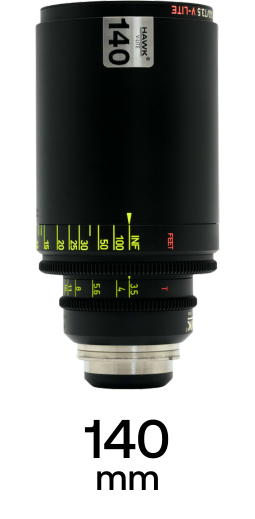
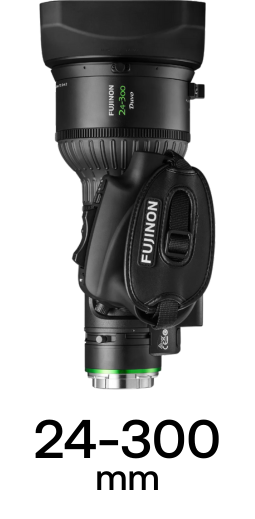
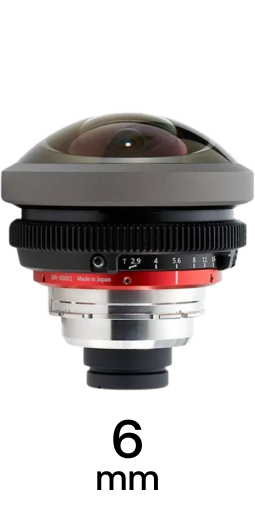
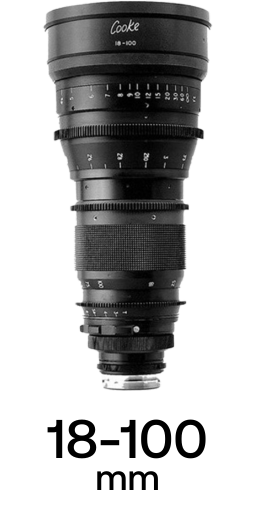
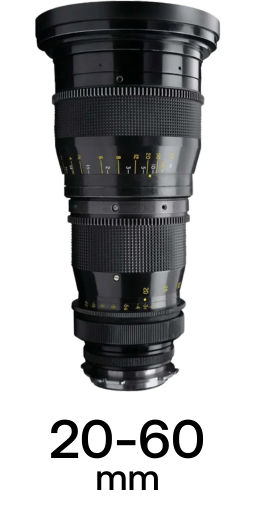
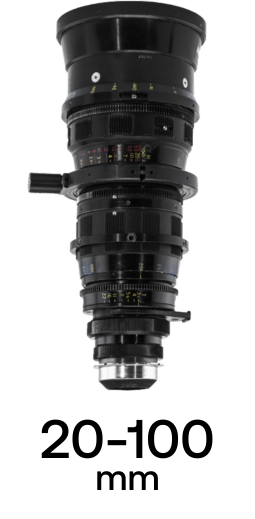
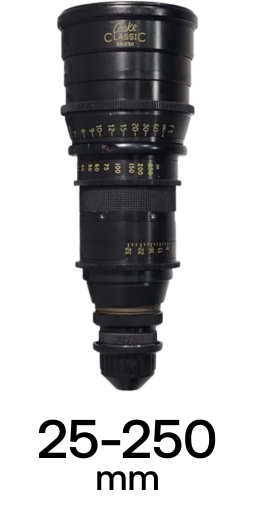
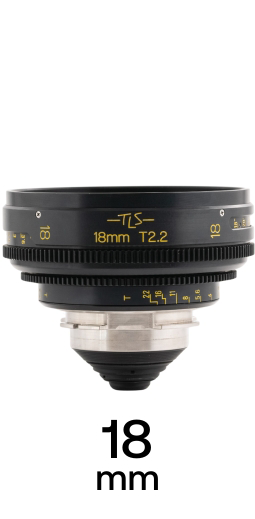
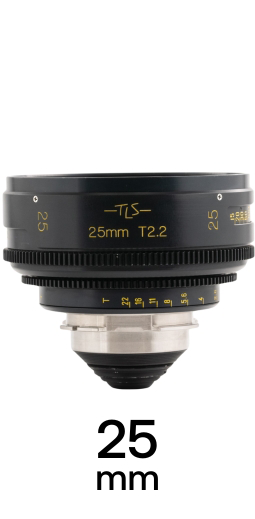
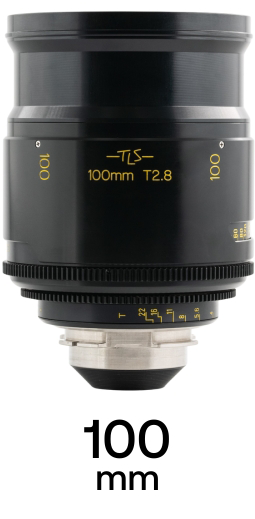
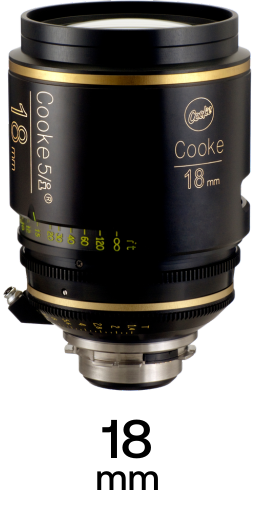
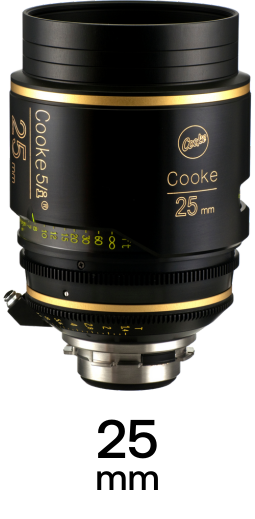
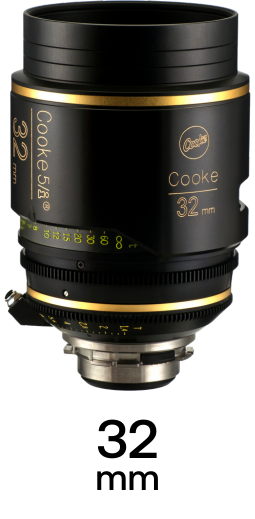
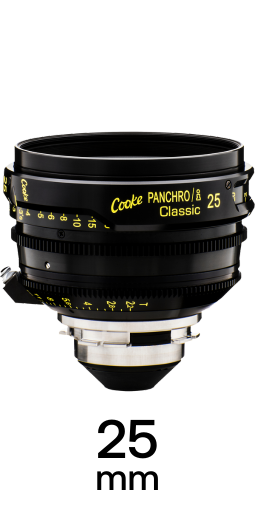
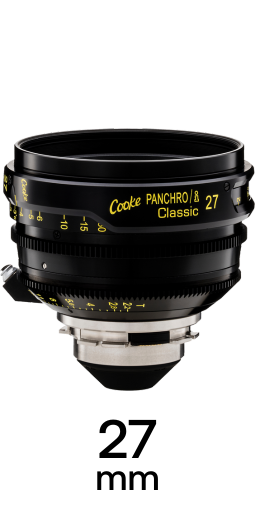
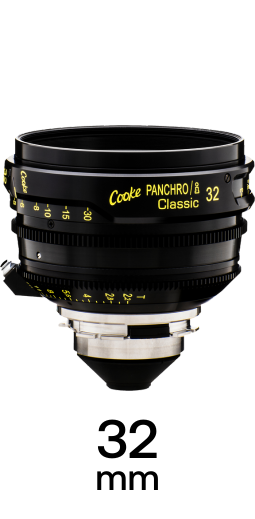
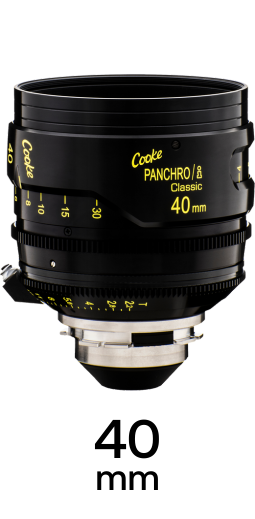
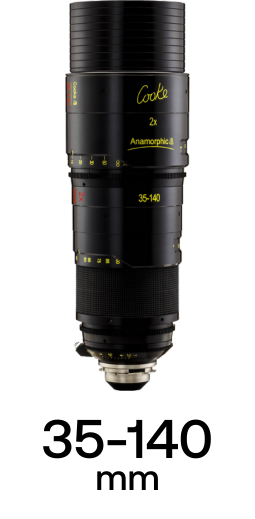
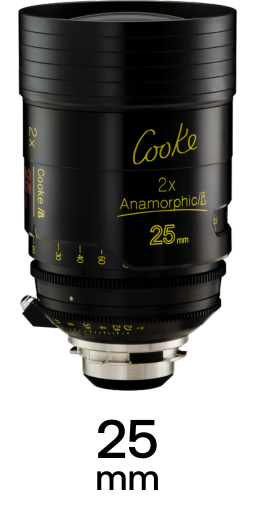
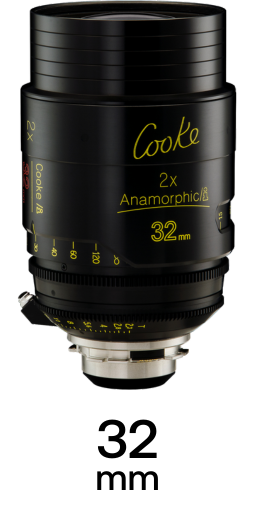
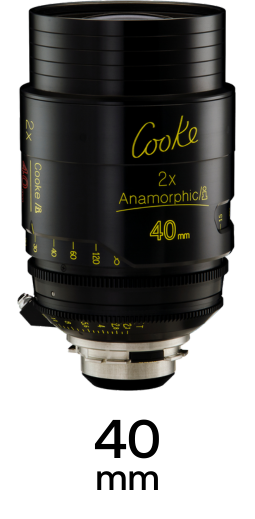
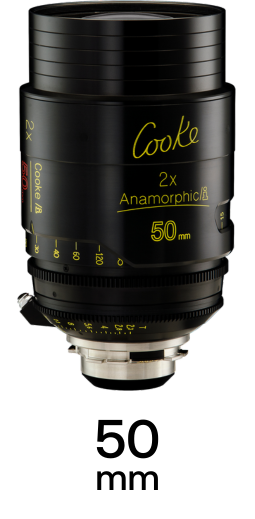
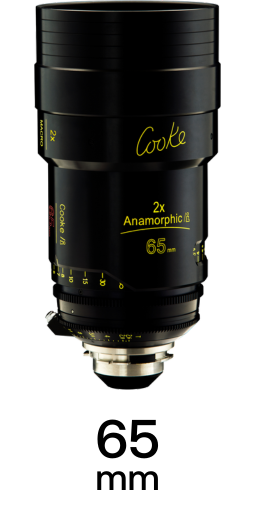
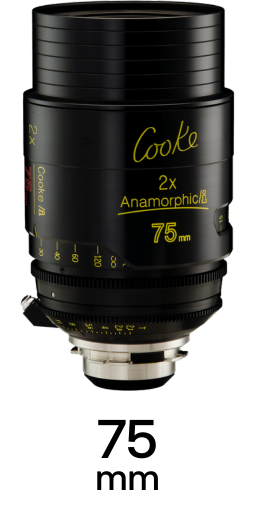
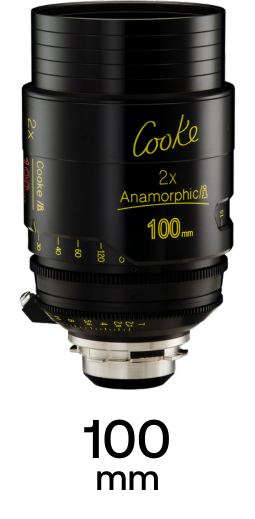
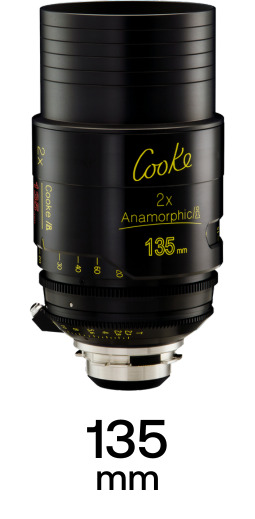
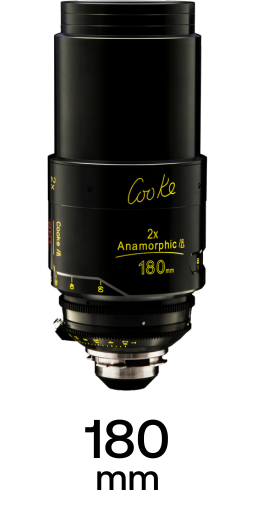
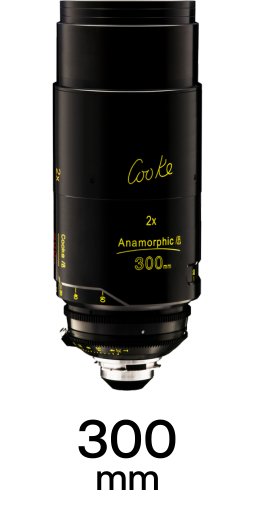
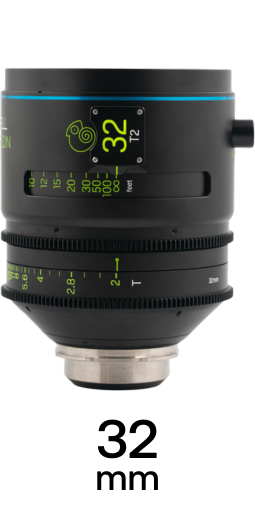
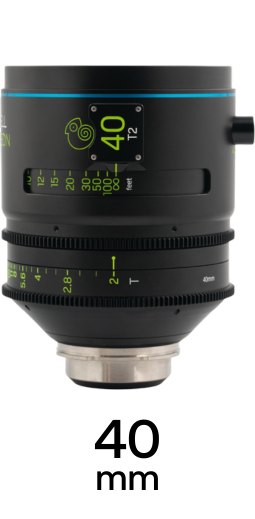
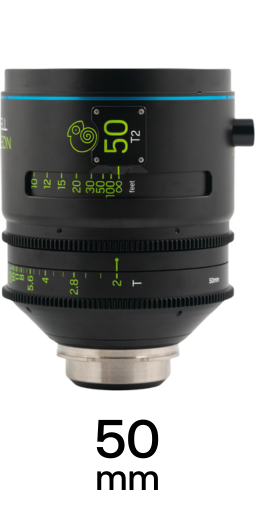
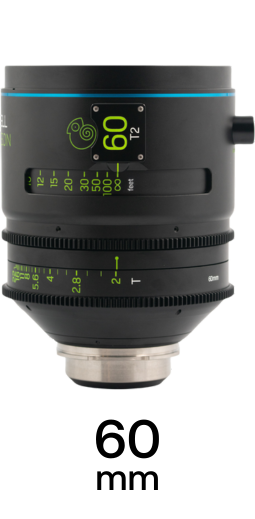
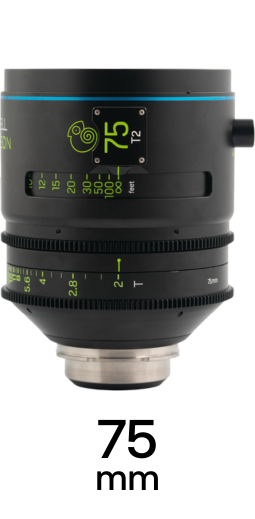
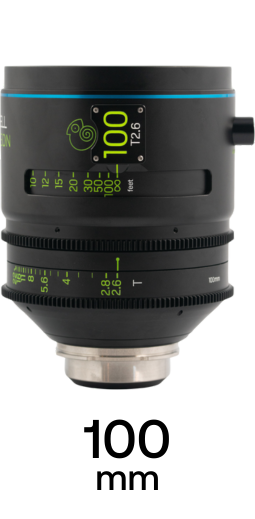
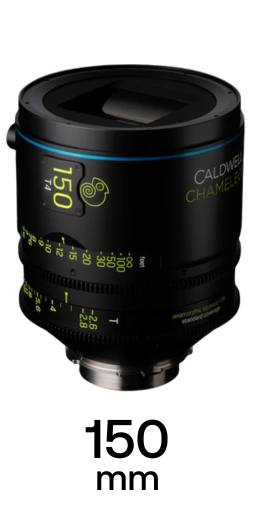
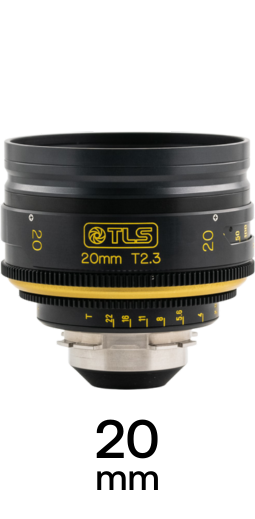
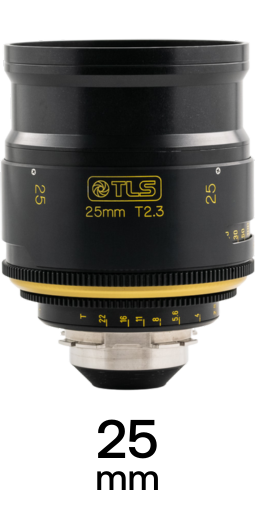
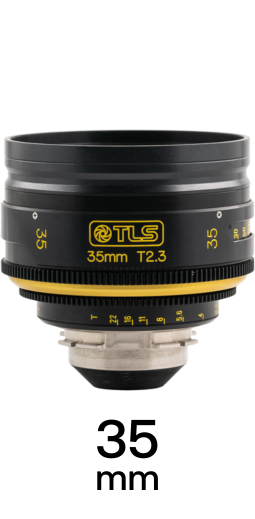
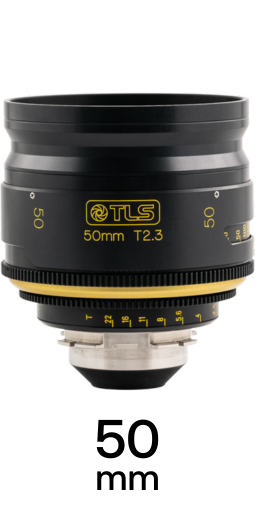
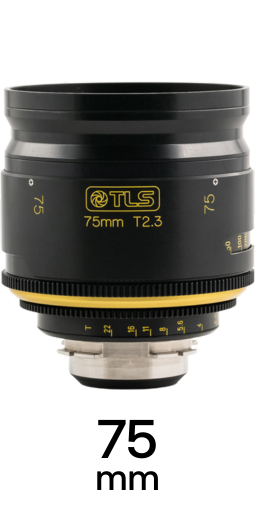
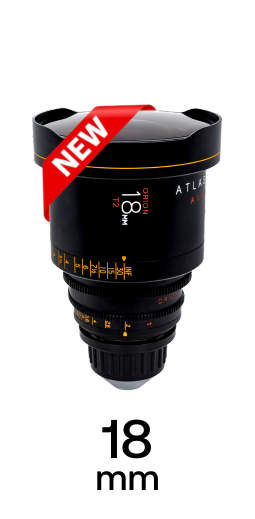
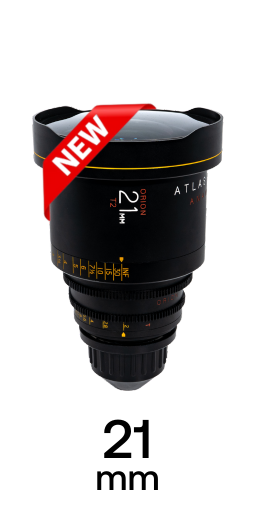
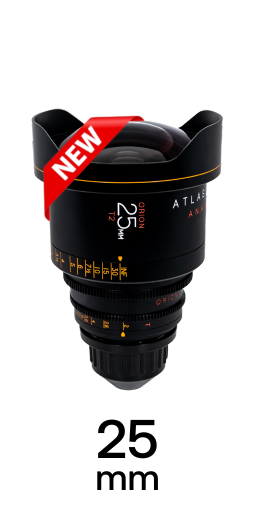
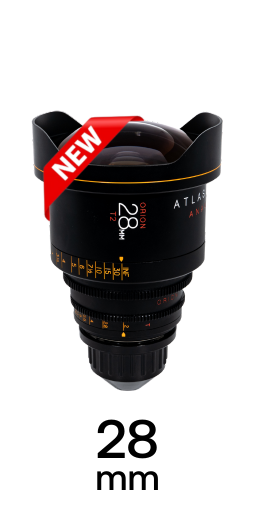
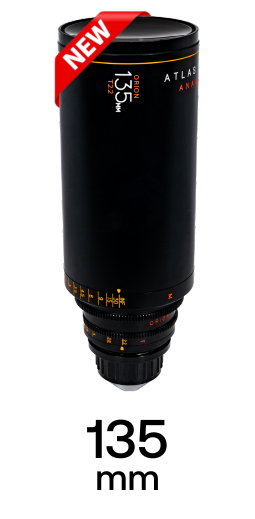
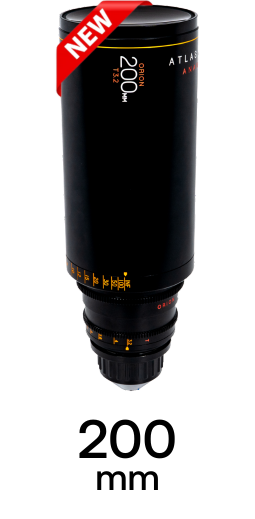
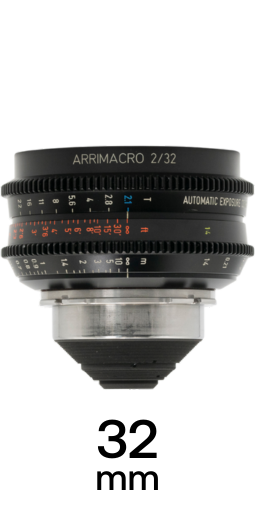
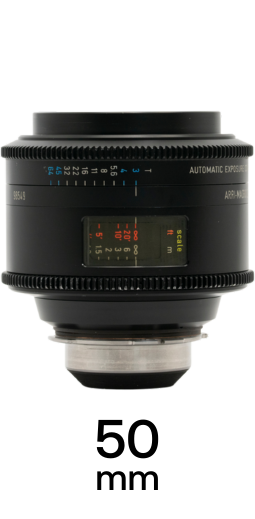
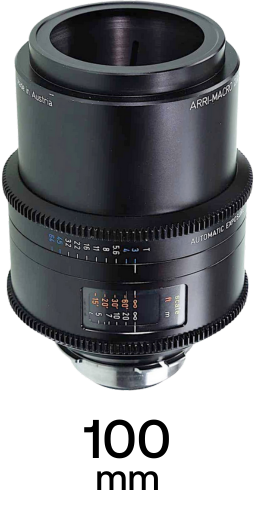
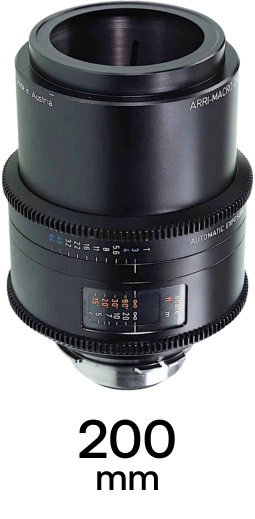
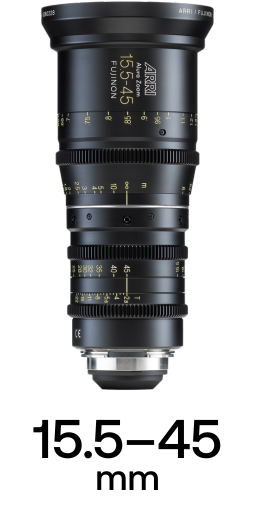
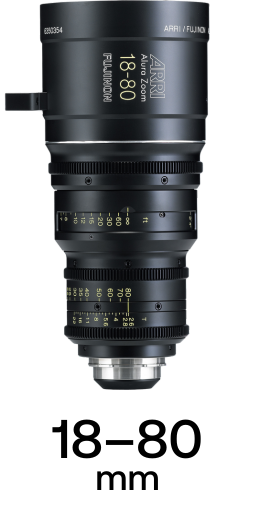
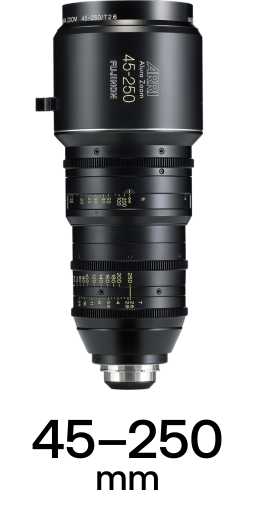
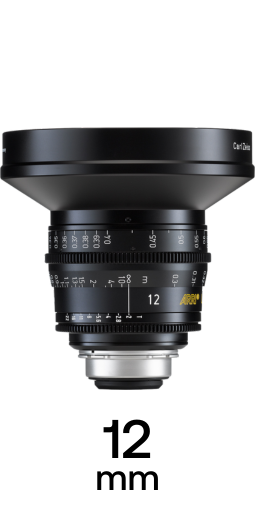
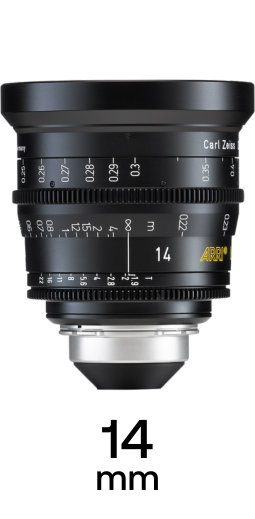
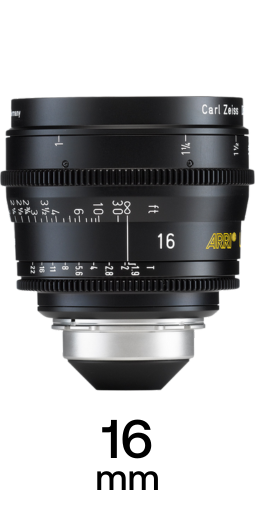
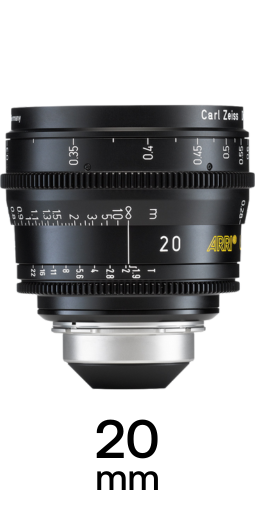
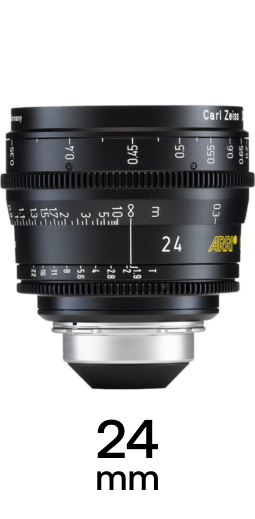
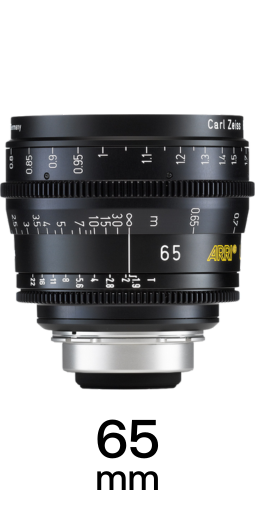
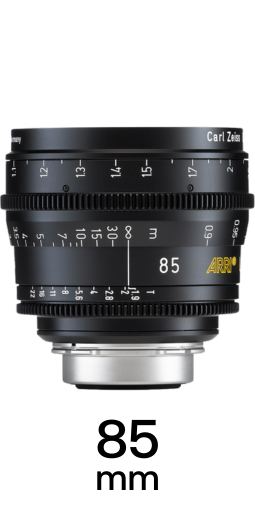
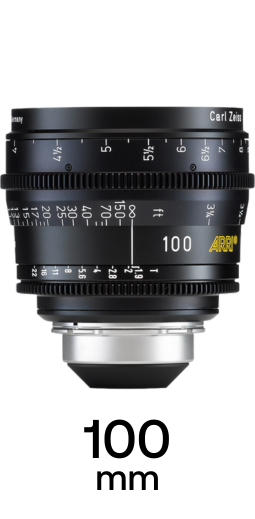
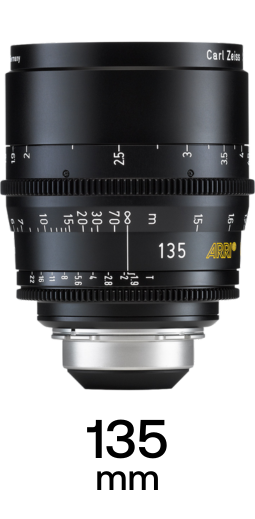
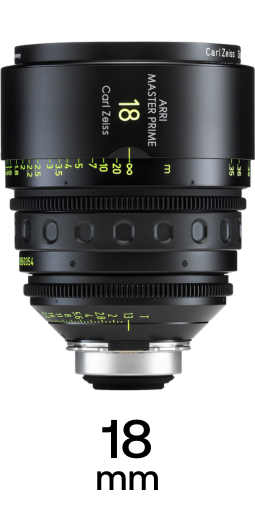
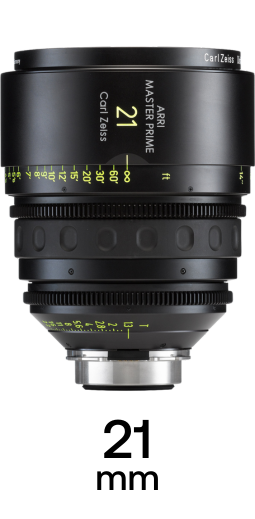
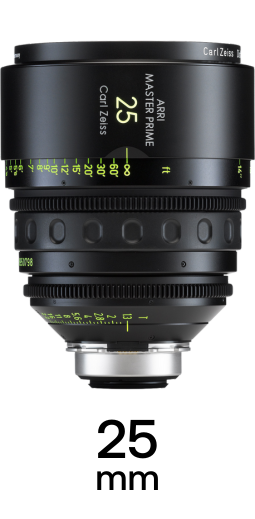
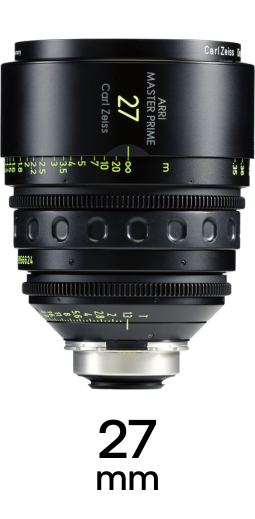
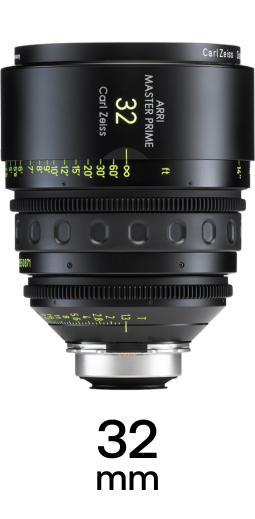
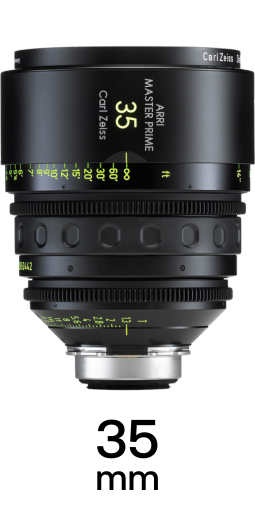
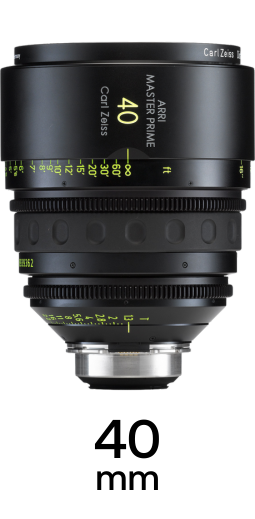
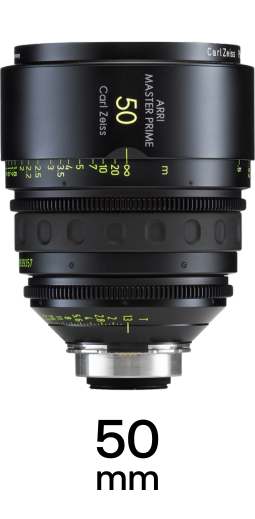
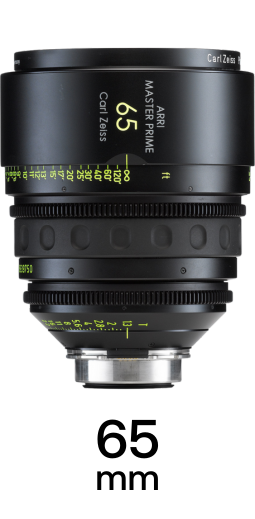
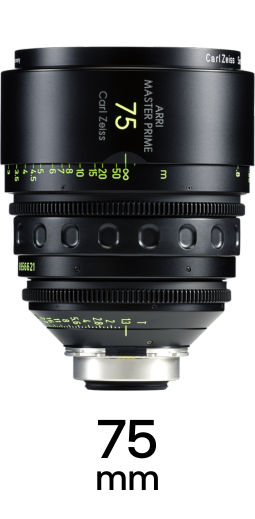
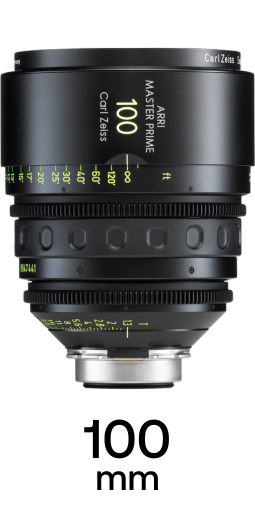
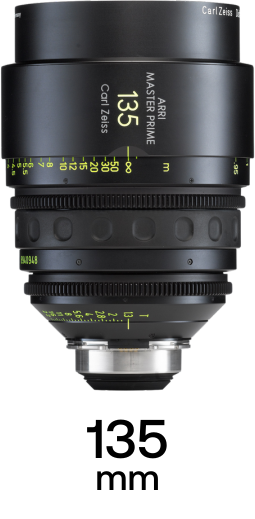
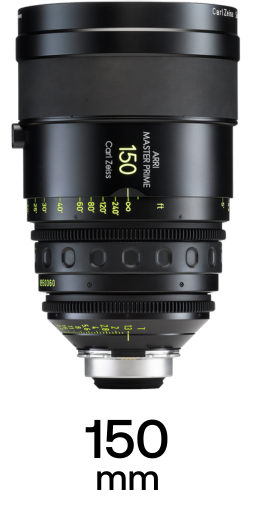
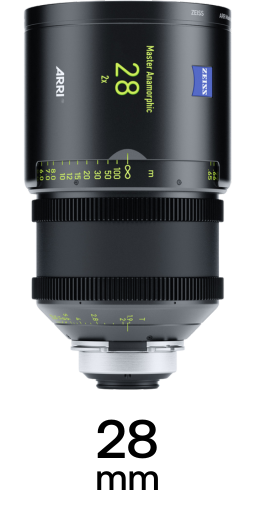
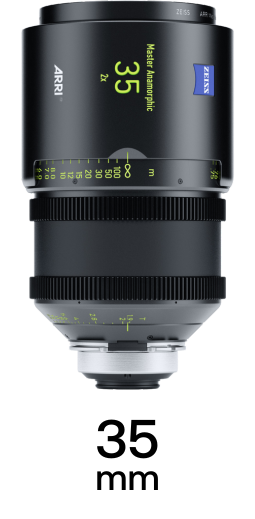
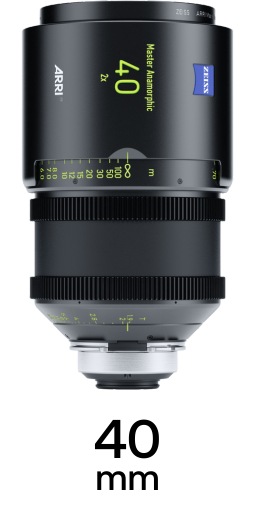
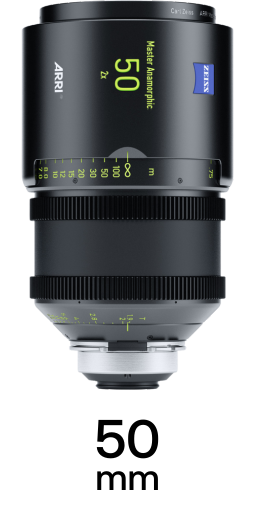
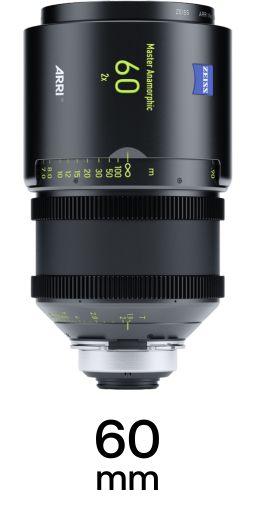
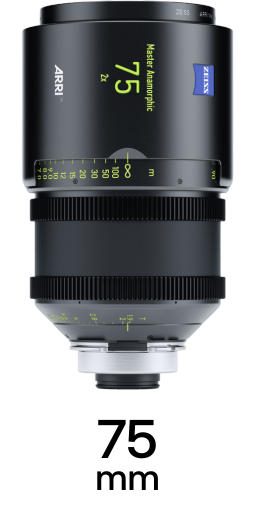
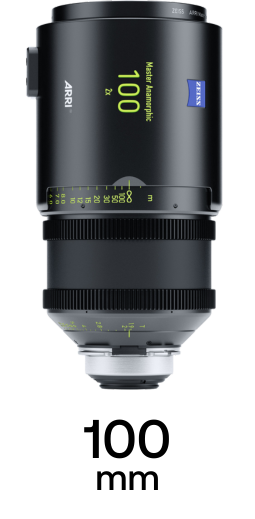
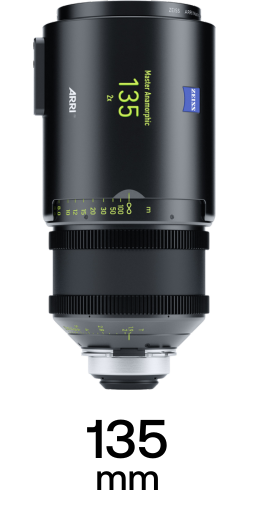
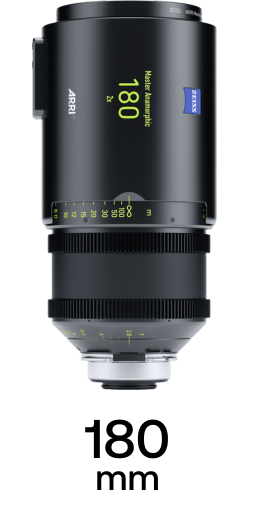
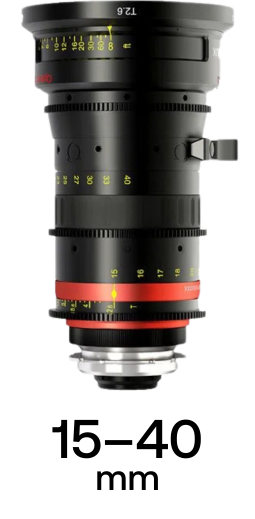
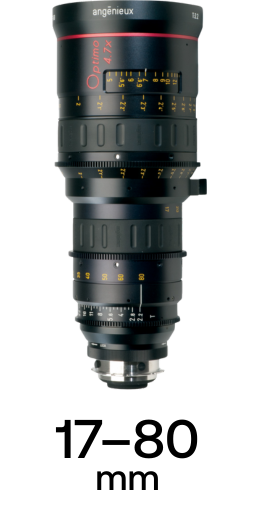
One of the defining advantages of Super 35 is the breadth of lens options available. Because the format has been standard for so long, there is an unusually broad selection of lenses designed specifically for it. This includes everything from modern high-performance primes to vintage rehoused optics and specialized lenses that would not cover larger sensors. It also means Super 35 glass generally will not be the right fit for productions shooting on smaller 16mm-based formats, where coverage requirements are quite different. For productions that want flexibility in lens choice, Super 35 offers the most complete range. The Super 35 sensor area also serves as the traditional canvas for many anamorphic cinema lenses with different squeeze ratios, allowing cinematographers to maximize the vertical resolution for classic widescreen capture.
Focal length behavior in Super 35 is also well understood. A 35mm lens reads as a standard field of view, while wider and longer focal lengths behave in predictable ways that most cinematographers are accustomed to. This familiarity allows crews to move quickly without needing to constantly adjust for format differences, which can be an advantage on fast-paced shoots.
Compared to full frame systems, Super 35 generally produces a slightly deeper depth of field for the same framing. This can be beneficial when maintaining focus across moving subjects or working in environments where controlling depth of field is critical. While full frame formats are often used for shallower depth of field at the same framing, Super 35 remains practical when greater focus tolerance and more familiar focal-length behavior are required.
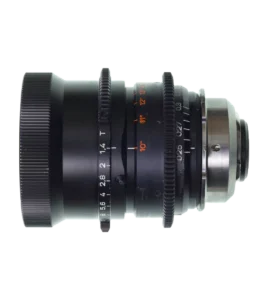
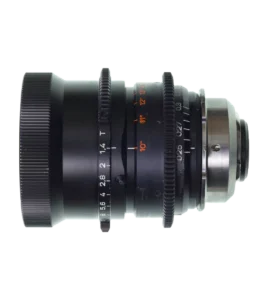
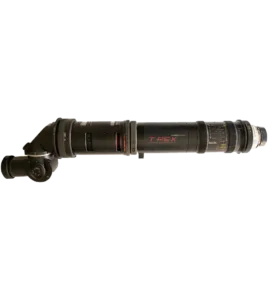
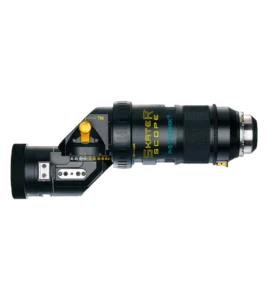
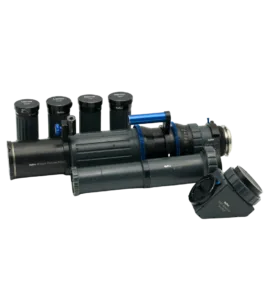
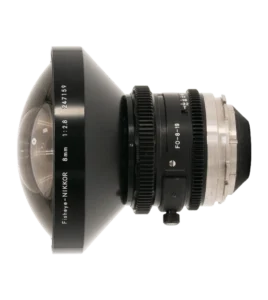
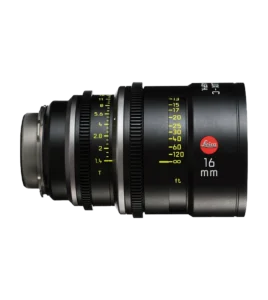
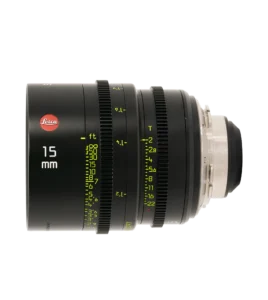
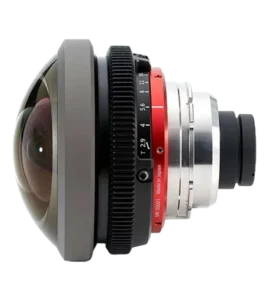
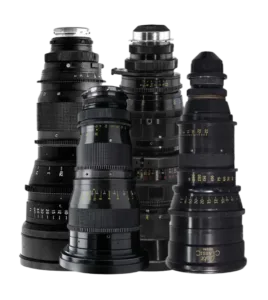
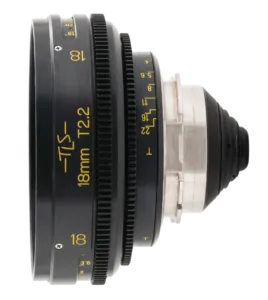
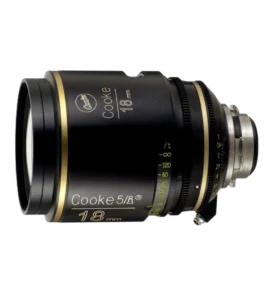
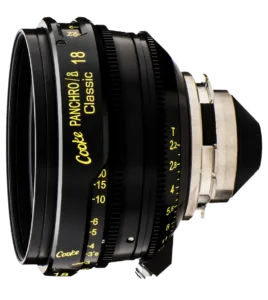
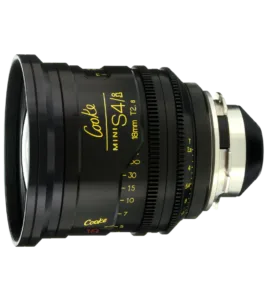
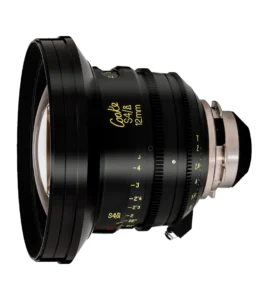
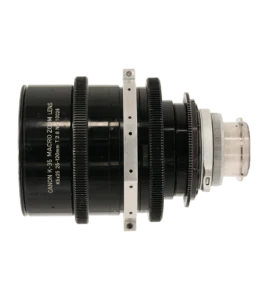
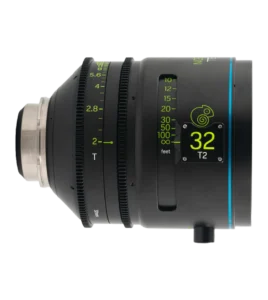
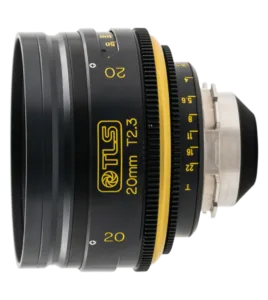
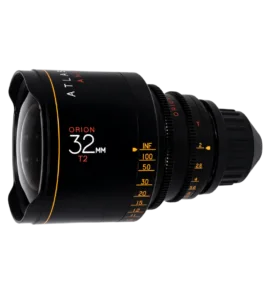
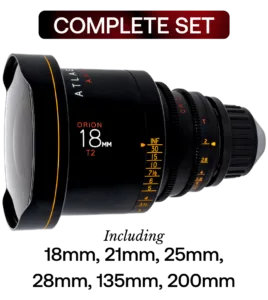
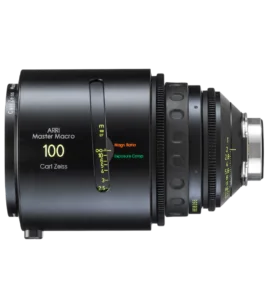
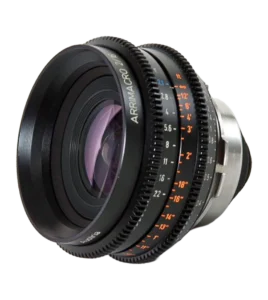
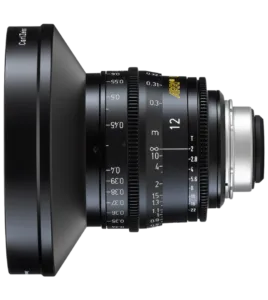
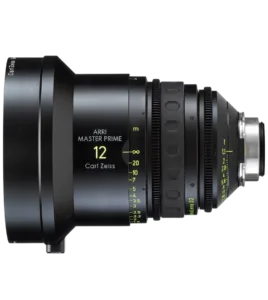
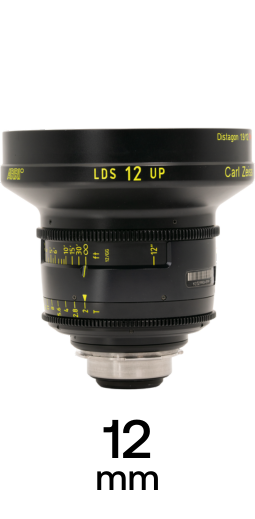
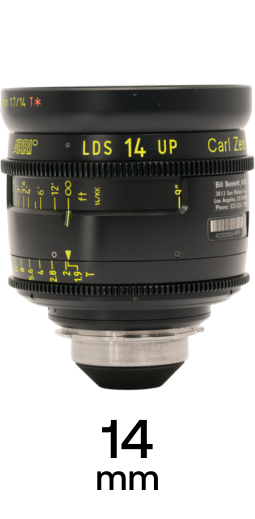
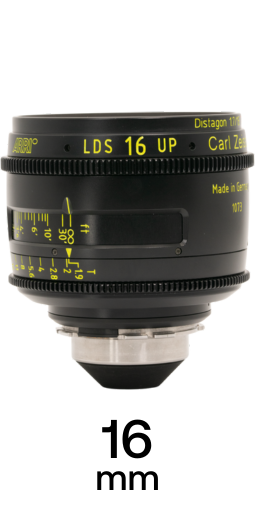
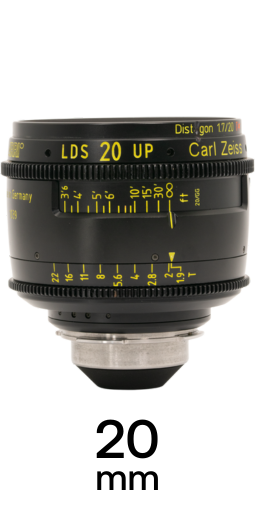
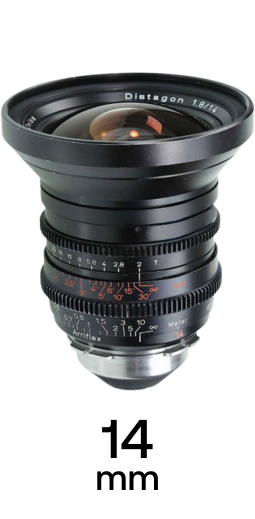
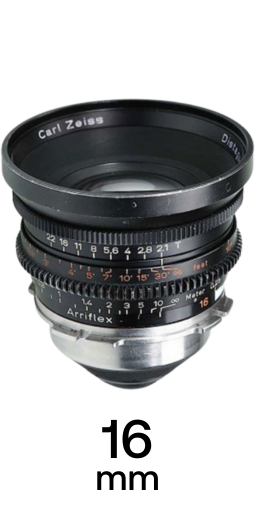
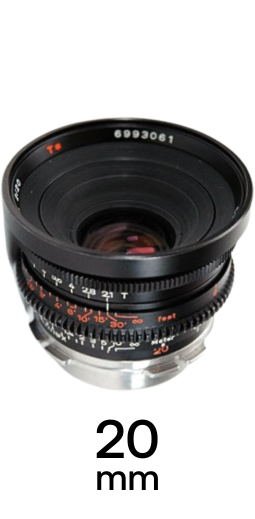
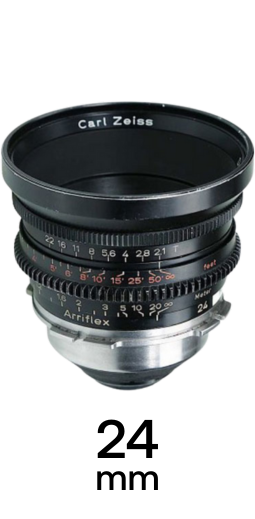
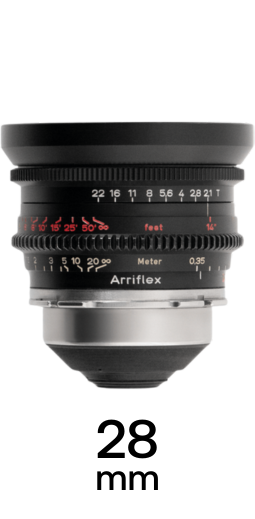
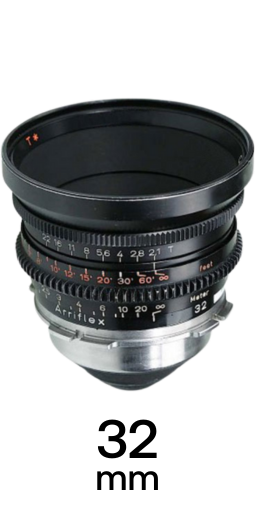
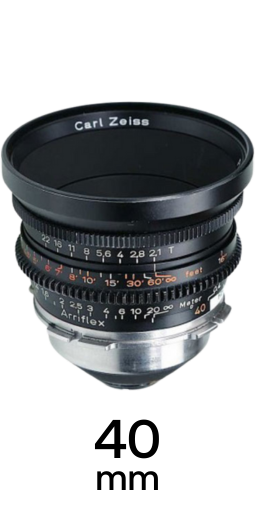
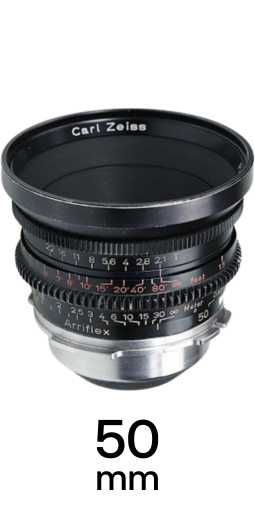
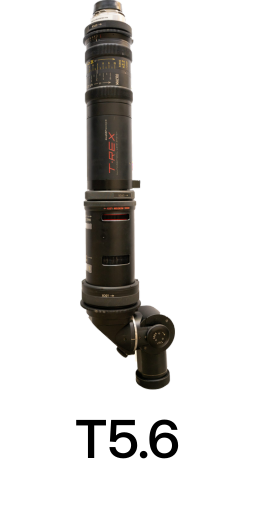
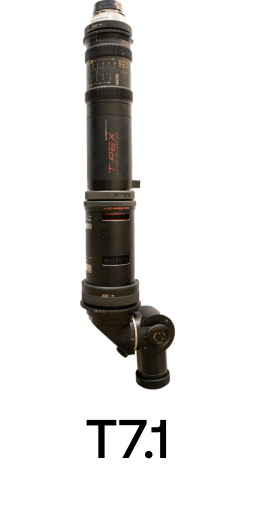
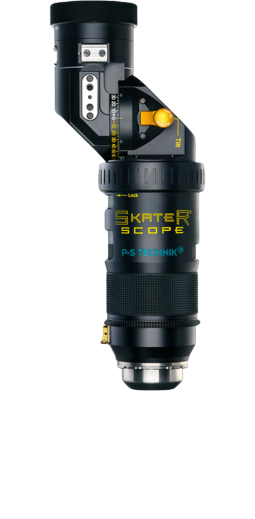
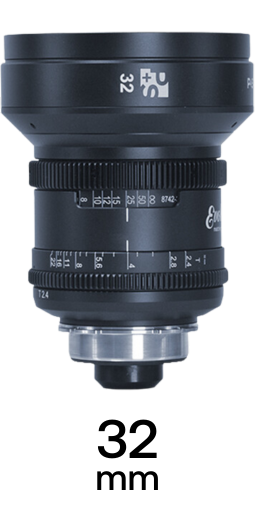
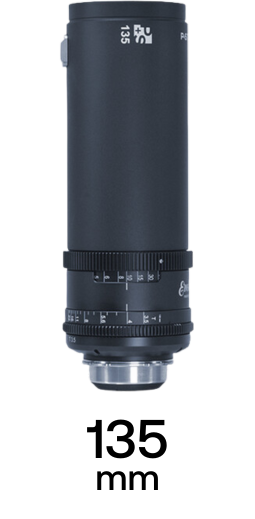
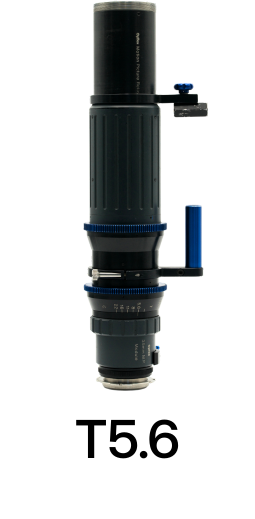
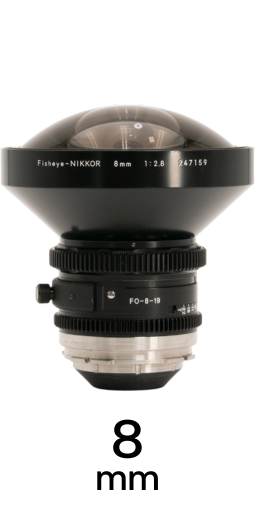
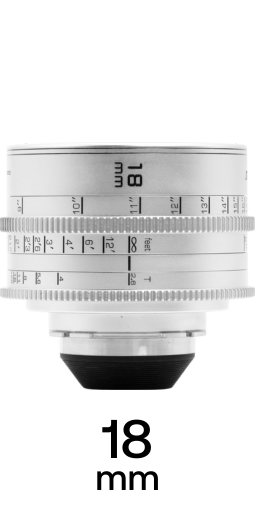
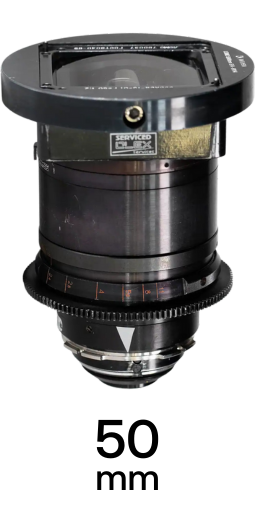
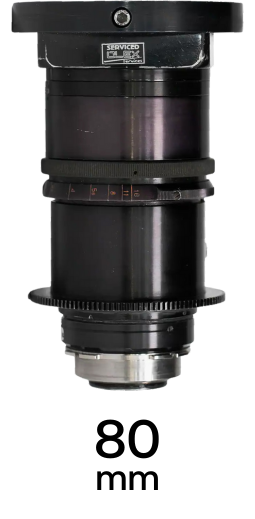
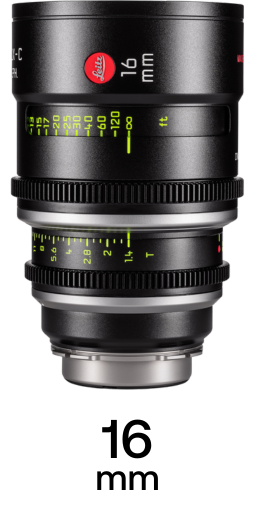
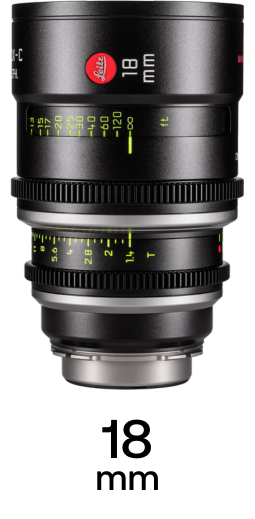
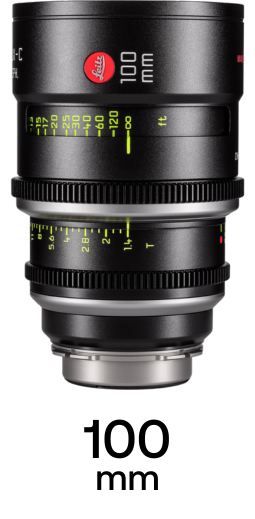
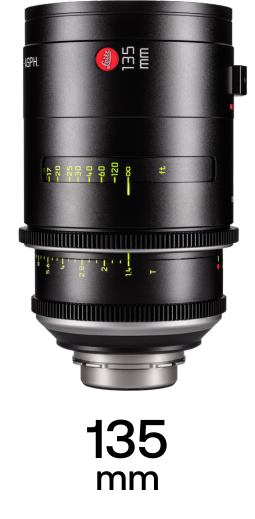
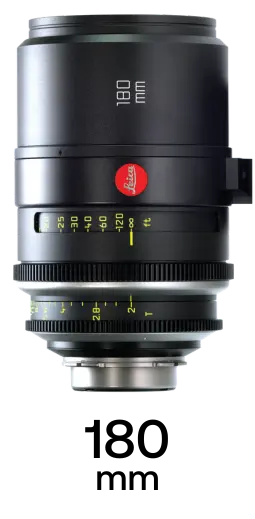
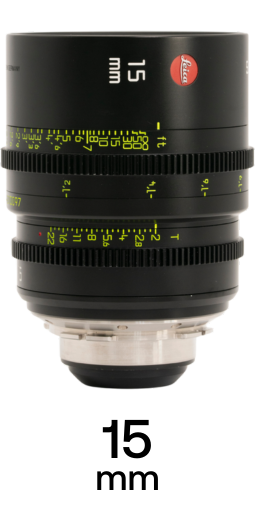
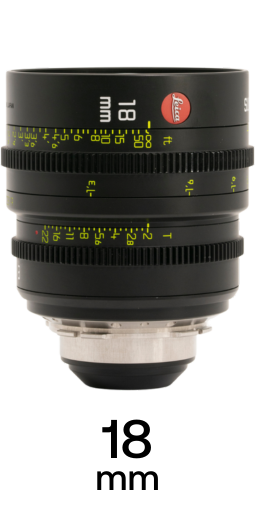
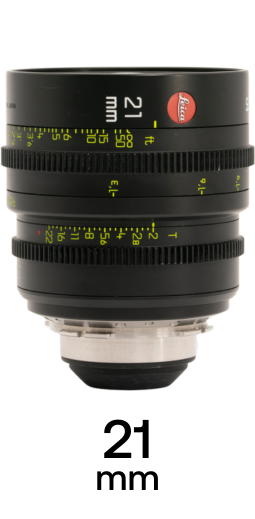
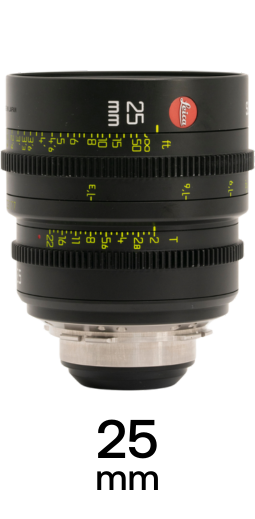
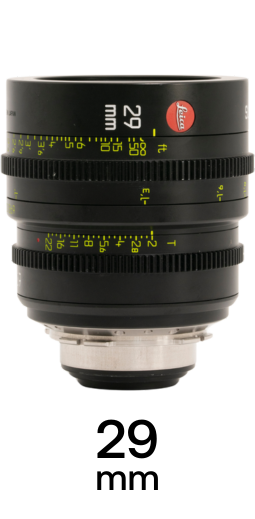
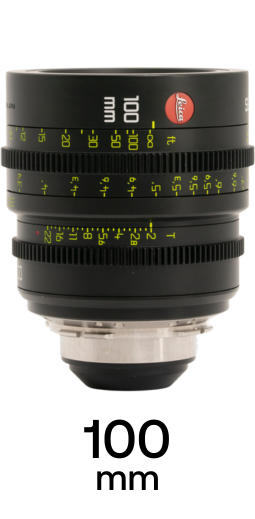
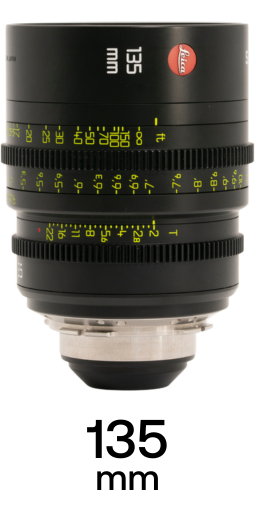
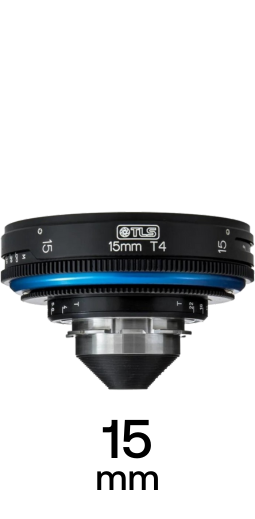
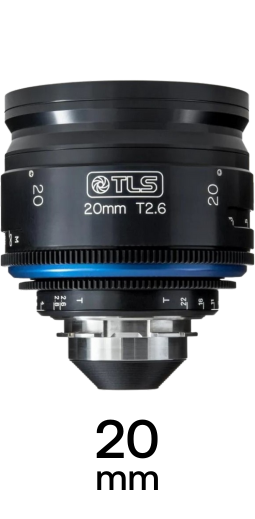
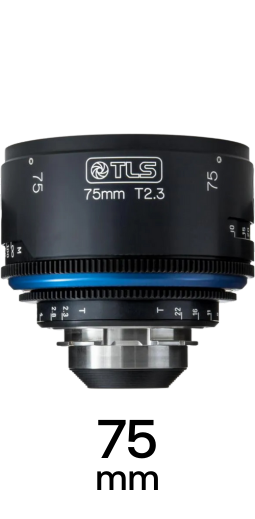
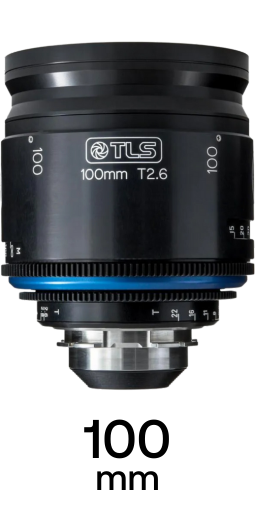
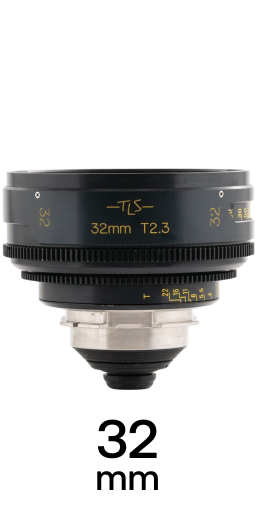
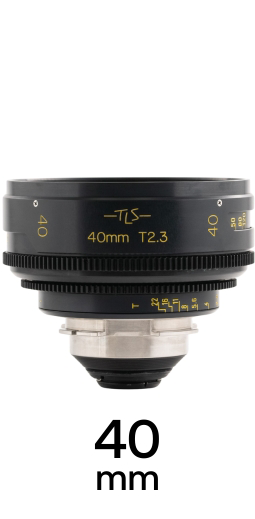
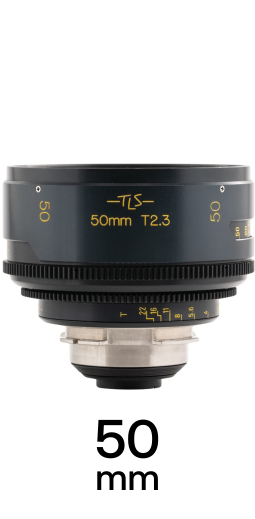
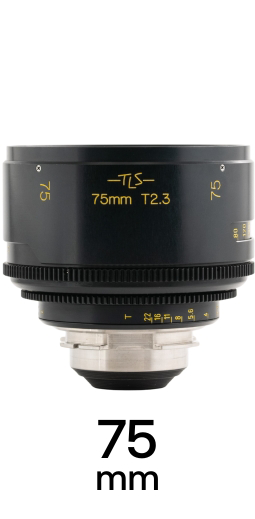
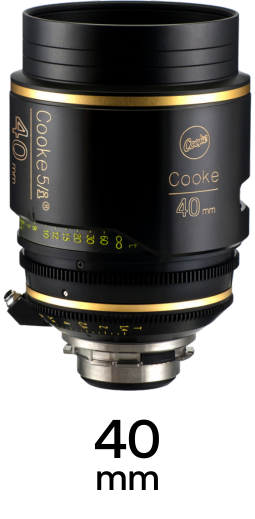
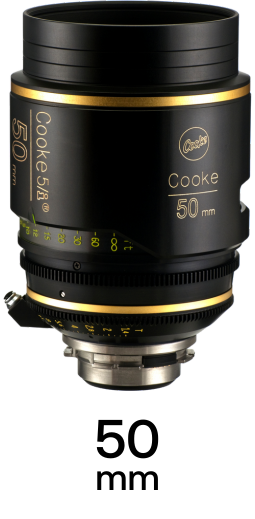
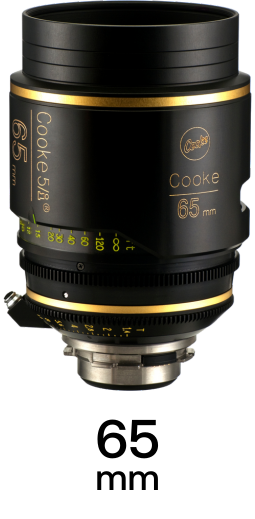
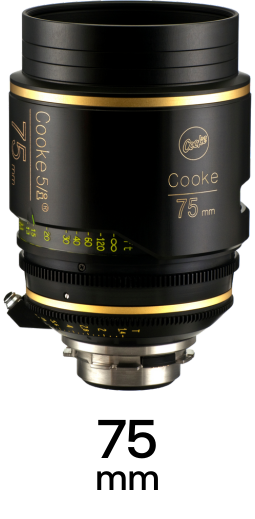
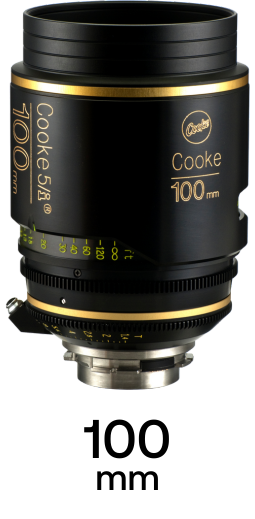
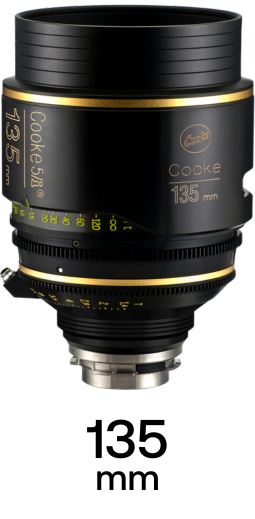
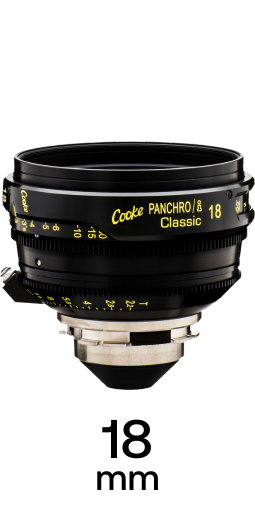
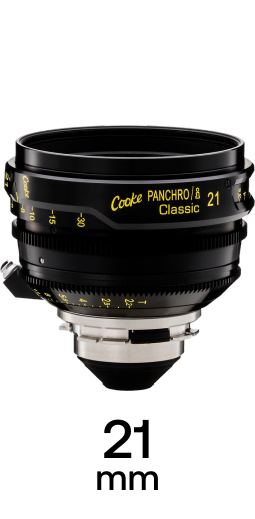
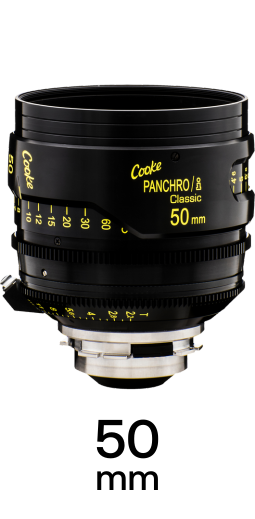
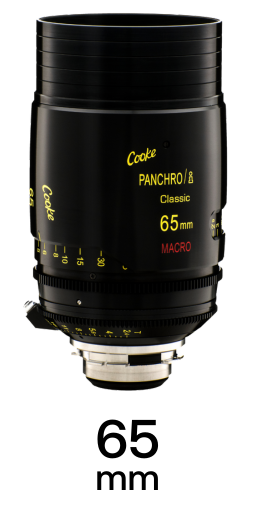
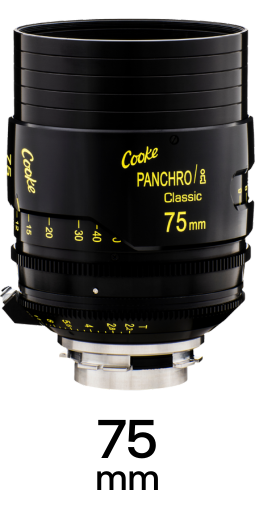
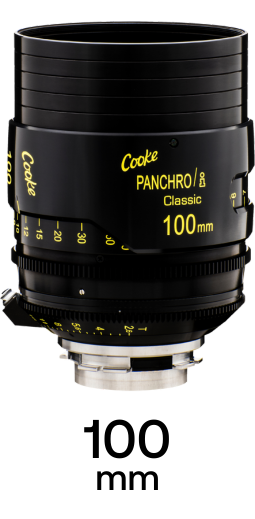
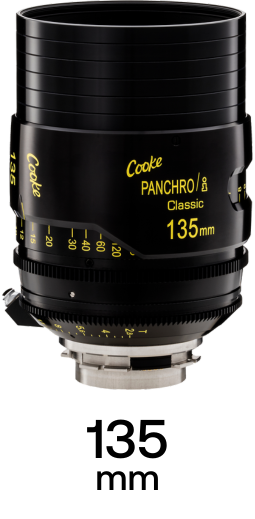
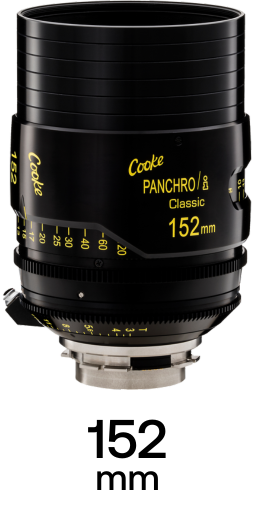
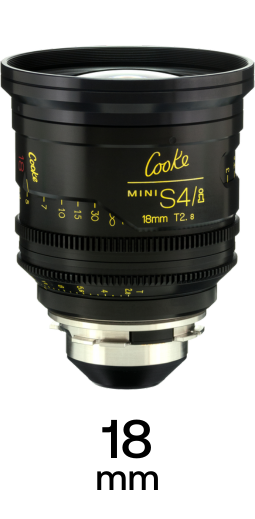
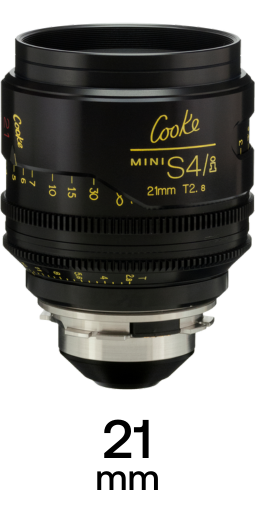
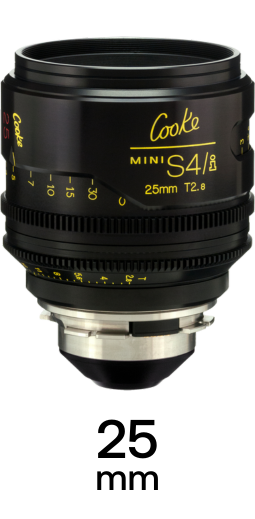
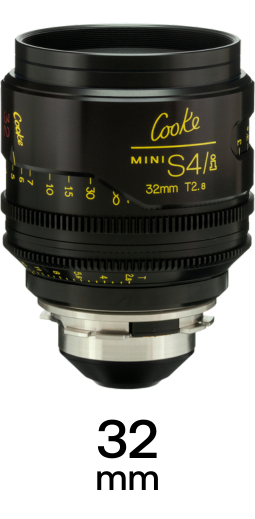
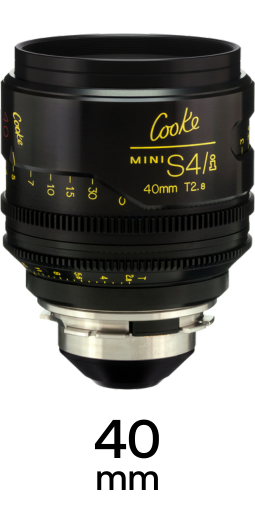
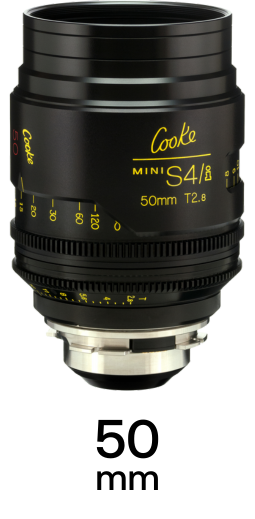
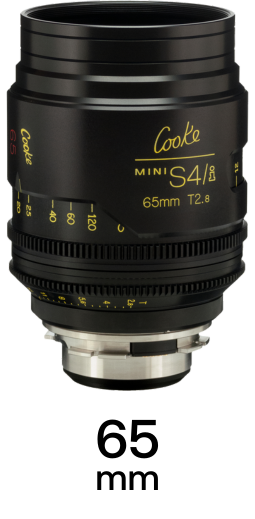
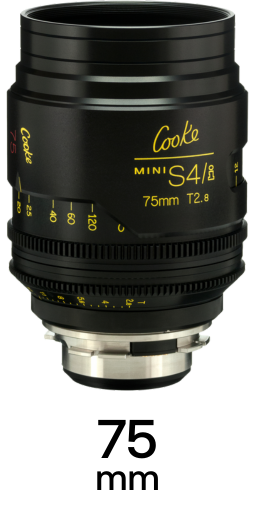
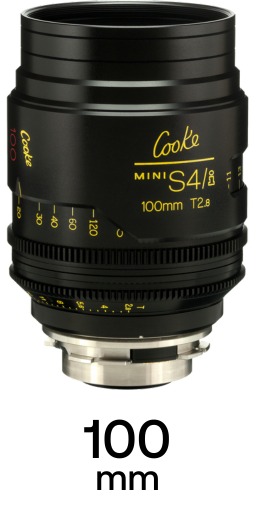
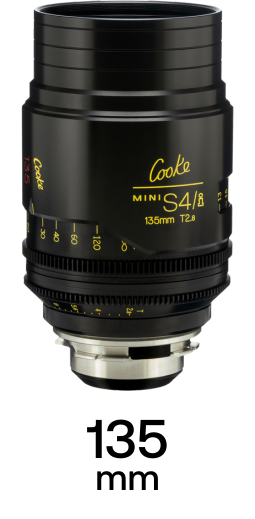
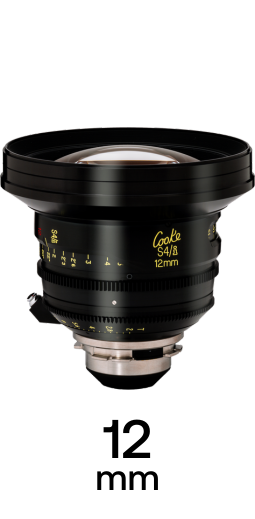
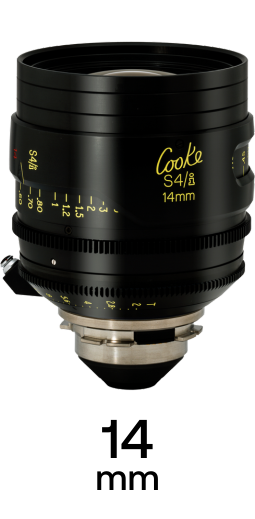
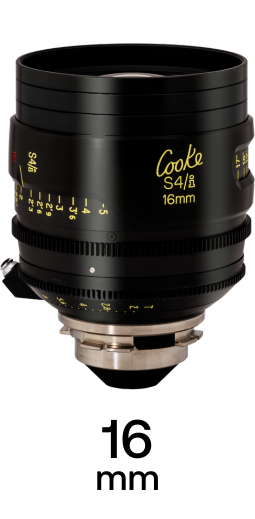
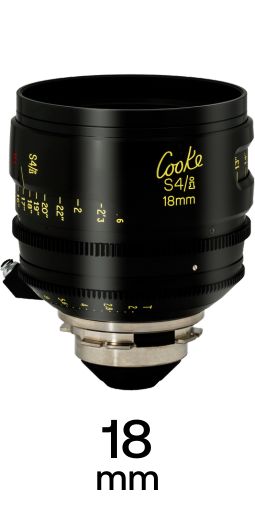
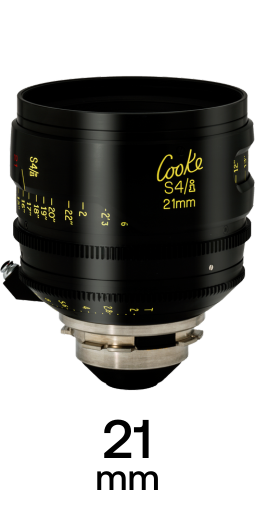
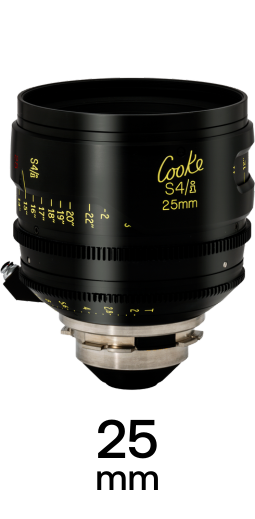
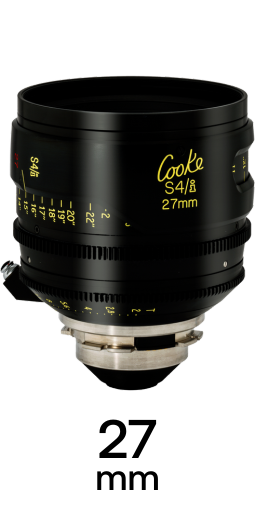
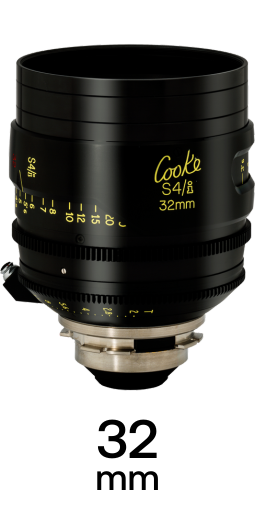
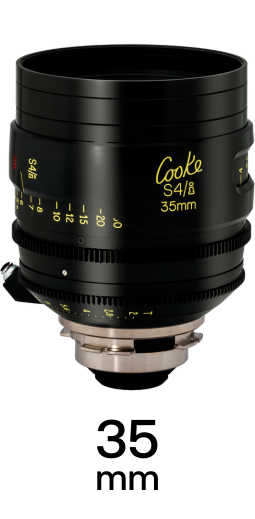
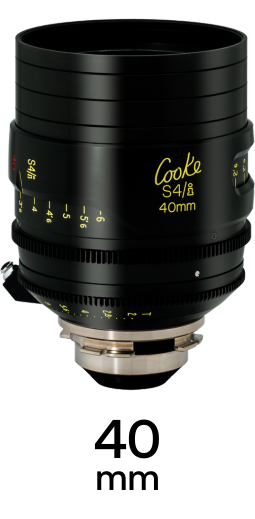
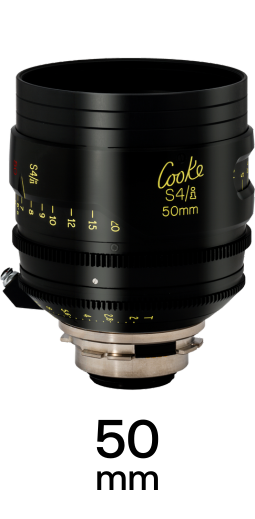
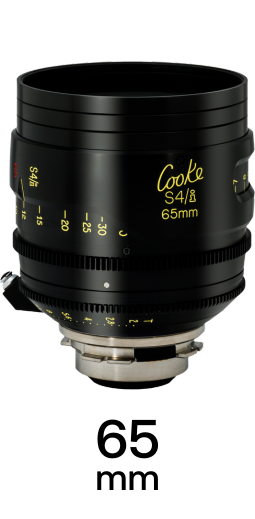
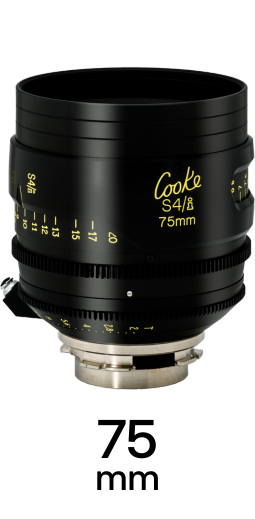
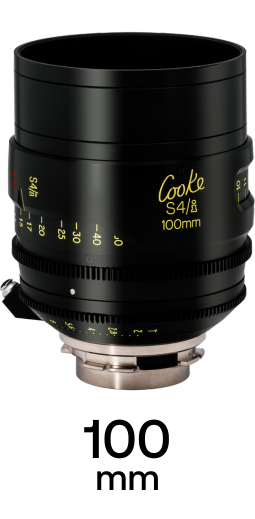
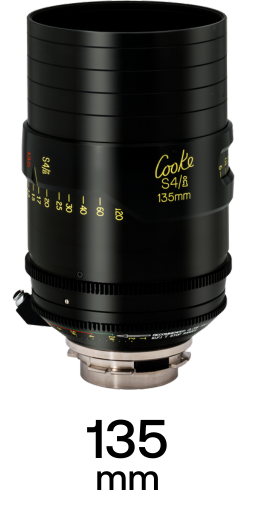
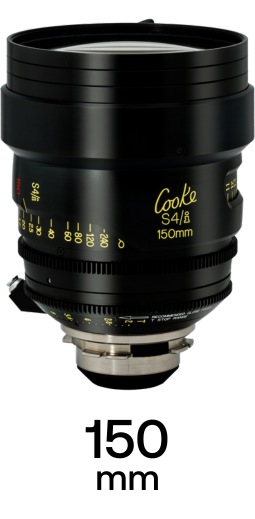
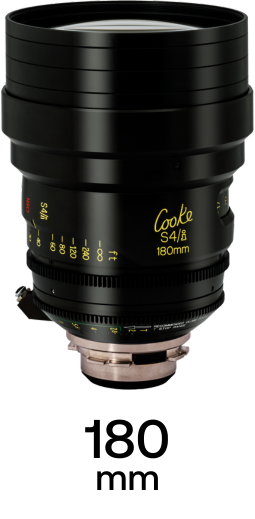
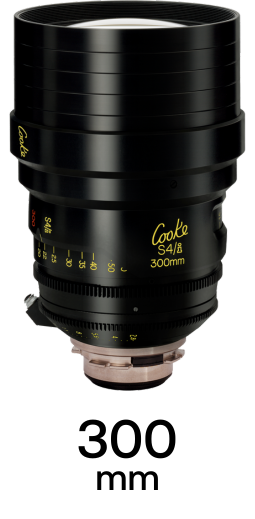
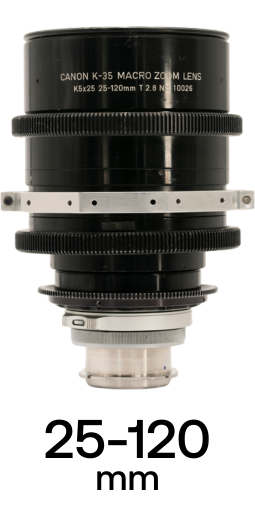
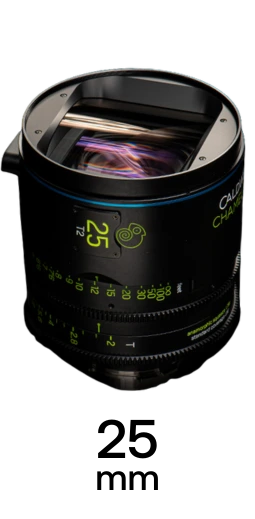
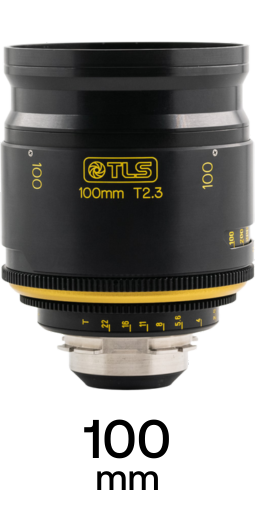
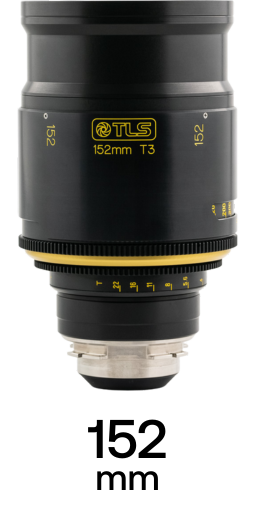
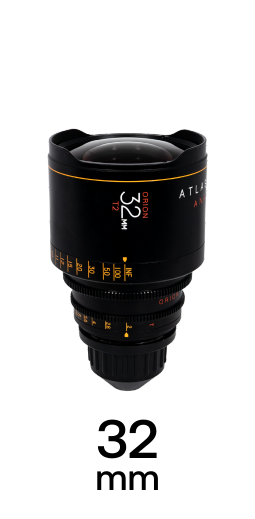
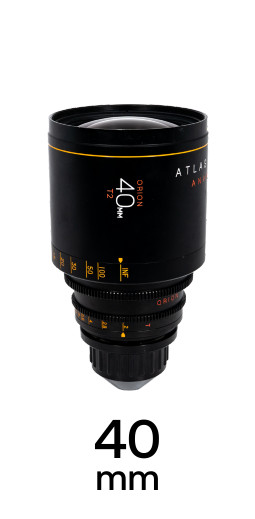
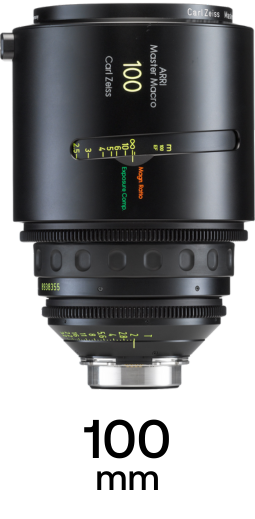
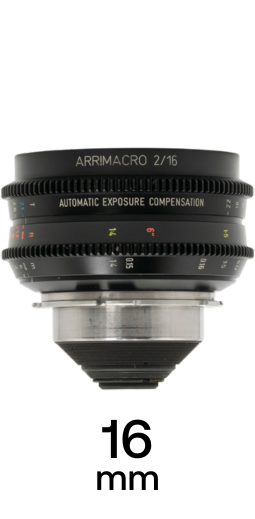
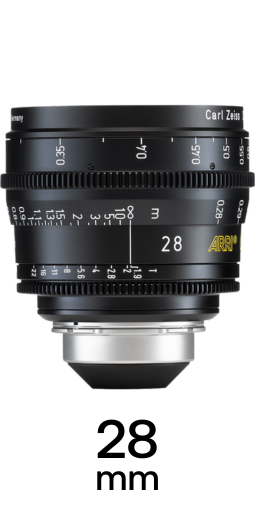
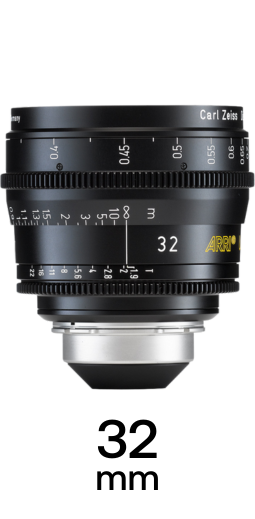
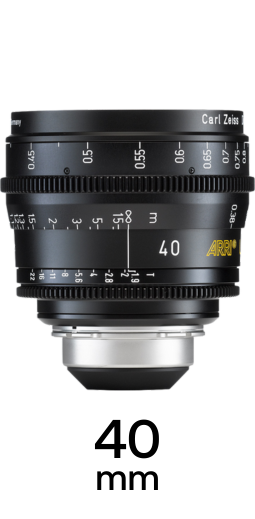
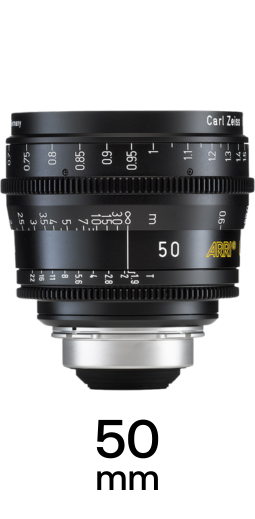
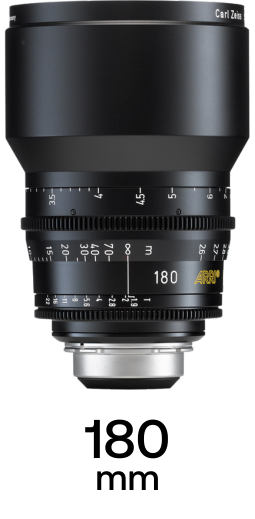
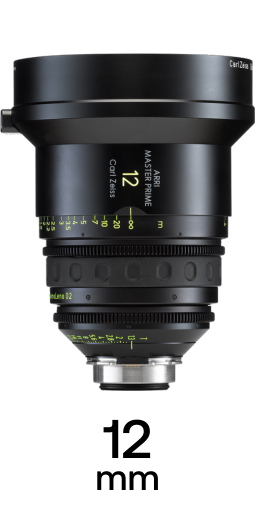
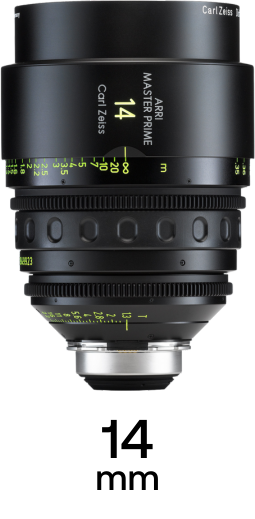
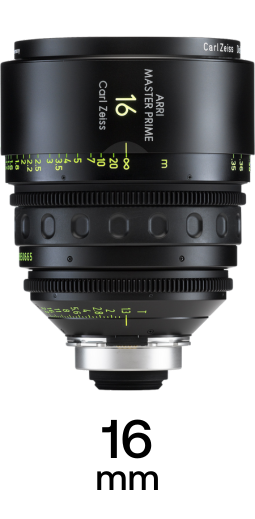
Lens design within the Super 35 format covers a wide spectrum. Modern sets such as ARRI Zeiss Master Primes and ARRI Zeiss Ultra Primes are built for consistency, resolution, and stable performance across the set. Other systems, including Cooke S4/i and Leitz Summilux-C, remain common where productions want a different rendering approach without leaving the format. Vintage and rehoused optics such as Zeiss Super Speeds and TLS Canon K35 lenses were also built around Super 35 coverage, which is one reason the format remains central to so many lens packages. For productions that need extreme close-focus work, short-focus specialty lenses built around Super 35 coverage are also available and integrate cleanly into most standard packages. When a shot calls for getting a camera into a tight practical space or achieving a scale-distorted perspective, miniature perspective lenses designed around this format are another useful tool, particularly on commercial and automotive work.
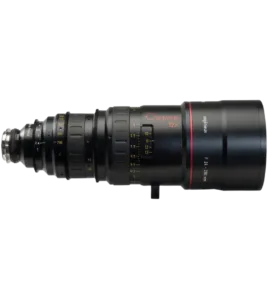
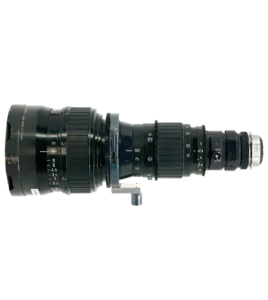
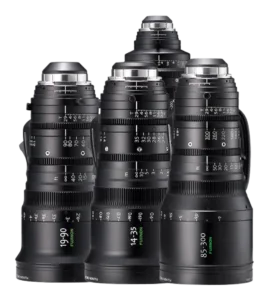
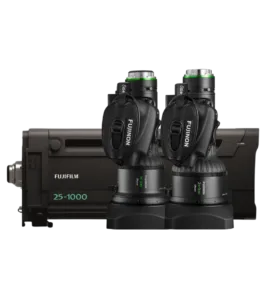
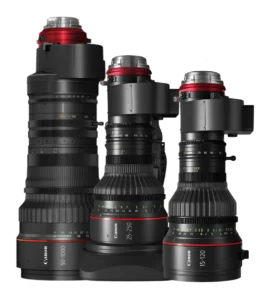
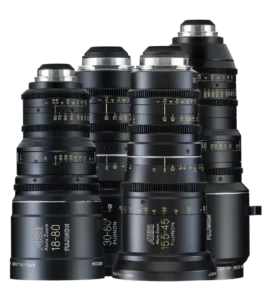
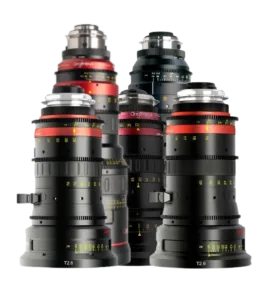
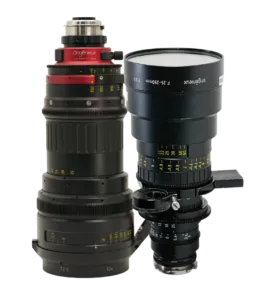
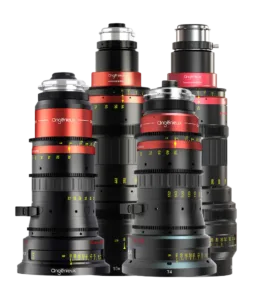
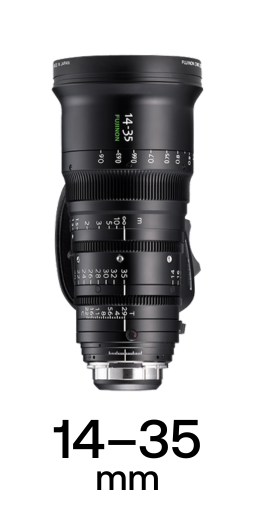
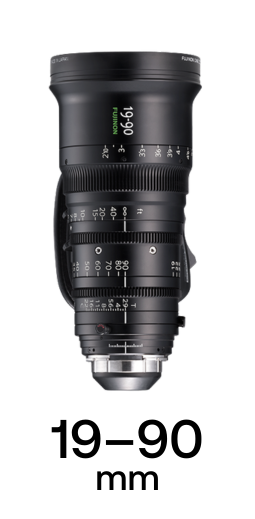
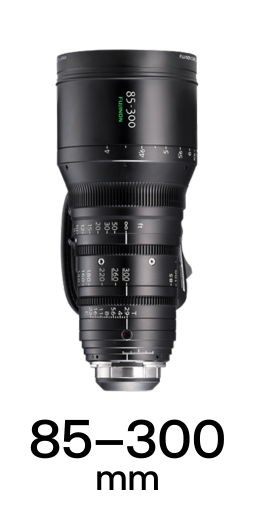
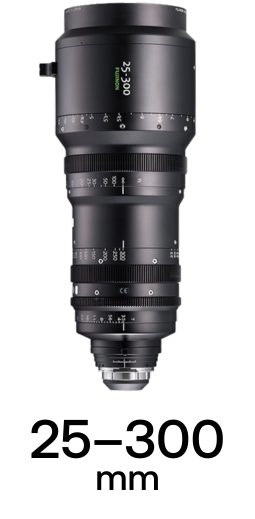
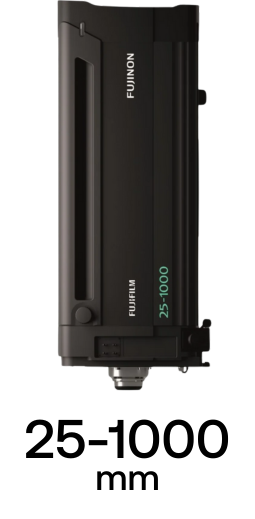
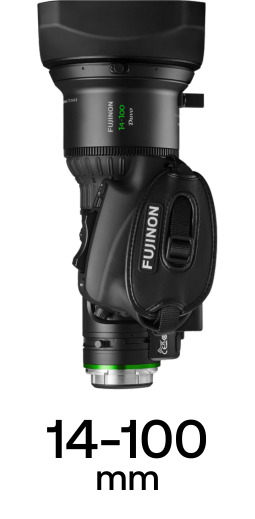
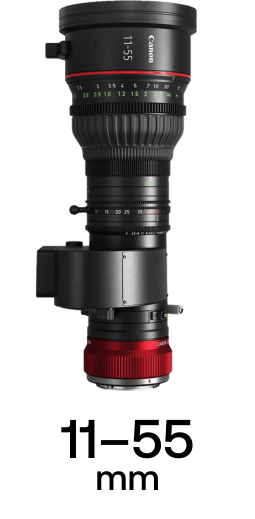
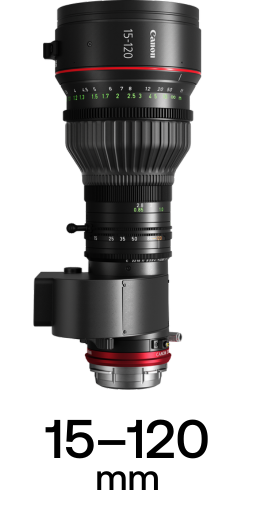
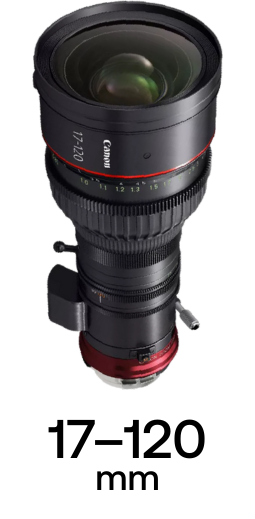
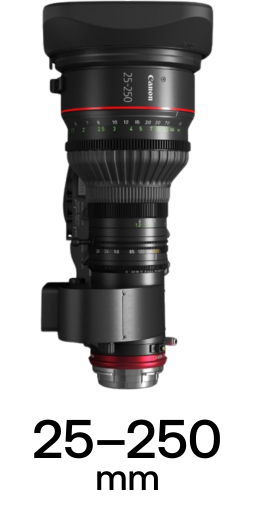
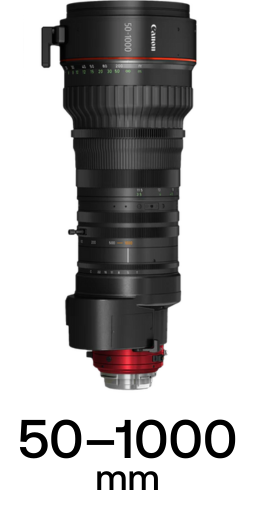
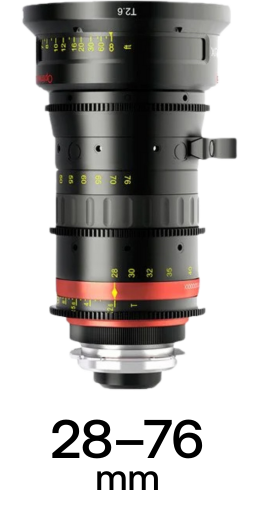
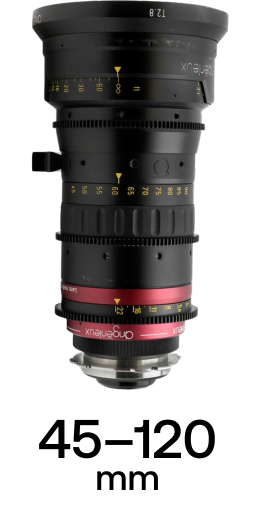
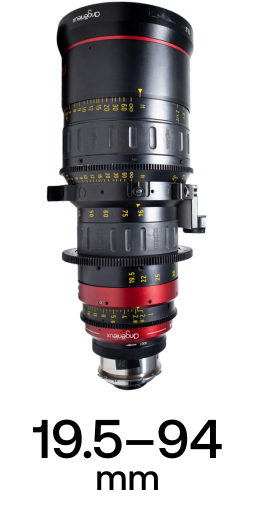
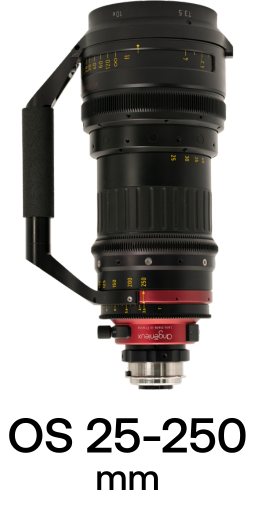
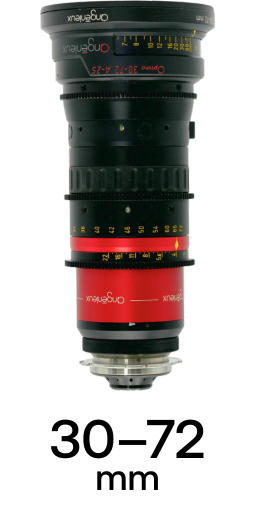
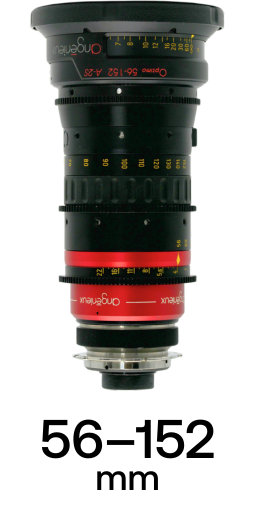
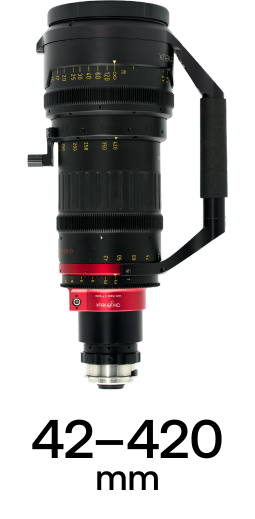
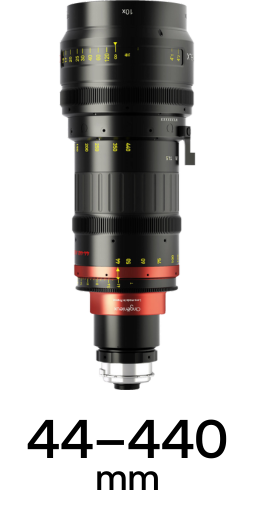
Zoom lenses are also deeply integrated into the Super 35 format. Many of the industry’s most widely used cinema zooms are designed around this sensor size. Systems such as Canon Cine-Servo zooms are widely used across both narrative and broadcast-style production, offering a combination of range, speed, and operational flexibility that fits naturally within the Super 35 world.
Cine Visuals carries a broad range of Super 35 cinema lenses, including both modern and vintage options. This includes industry-standard prime sets, rehoused lenses with distinctive optical character, and zoom lenses that have been widely used across film and television production. The depth of this inventory allows productions to build packages that match both technical requirements and creative direction without being limited by format constraints.
Super 35 remains useful because lens performance, focal-length behavior, industry-standard PL mounts, and coverage expectations are well established across a wide range of systems. This reduces uncertainty during prep and allows cinematographers to focus on creative decisions rather than technical limitations.
All Super 35 lenses are tested and calibrated in-house before leaving the facility. Maintaining consistent focus accuracy, alignment, and overall performance is essential, especially when lenses are used interchangeably across a set. Ensuring that each lens performs reliably within the format is part of the standard preparation process.
Frequently Asked Questions
What is Super 35 in cinema lenses?
Super 35 refers to a sensor format that has been widely used in film and digital cinema. Lenses designed for Super 35 provide coverage that matches this format without vignetting or edge degradation.
Can Super 35 lenses be used on full frame cameras?
In most cases, Super 35 lenses will not fully cover full frame sensors and may produce vignetting. They are best used on cameras designed for Super 35 or cropped sensor modes.
Why is Super 35 still used today?
Super 35 remains popular because of its balance between image control, lens availability, and production efficiency. It offers a wide range of lens options and predictable performance across different shooting environments.
Where can Super 35 cinema lenses be rented?
Super 35 cinema lenses from manufacturers such as ARRI, Canon, Cooke, Leitz, and Zeiss are available through Cine Visuals. All lenses are tested and calibrated in-house to ensure consistent performance across production environments.