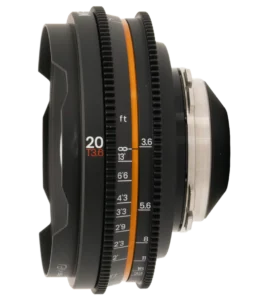
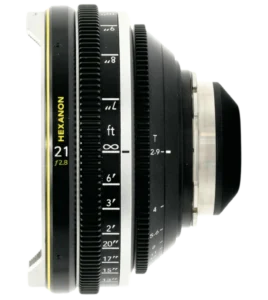
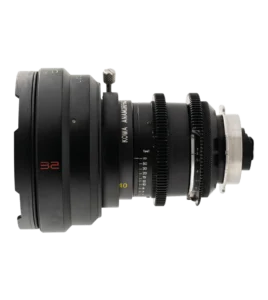
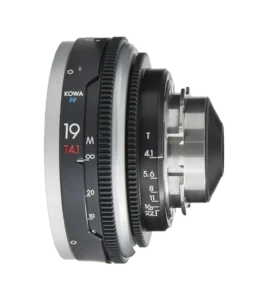
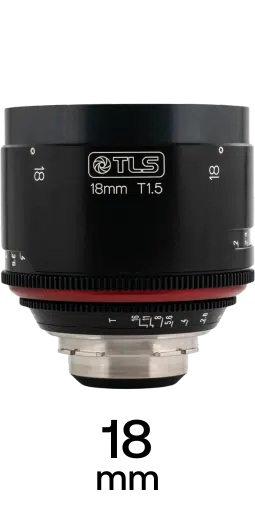
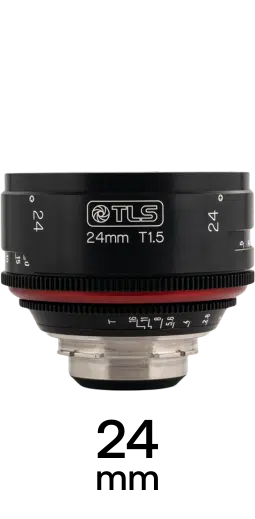
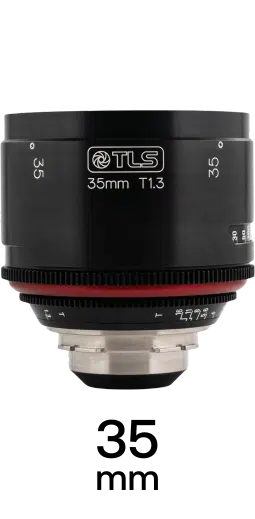
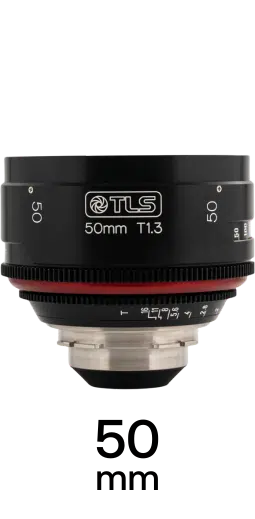
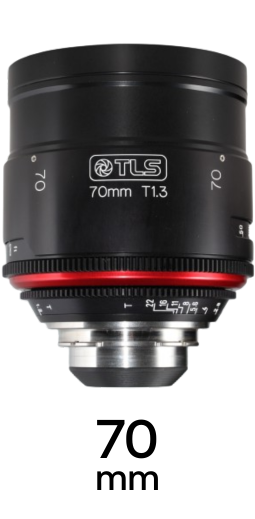
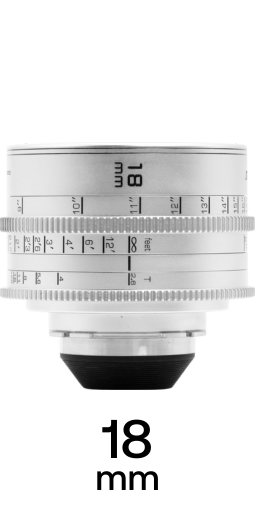
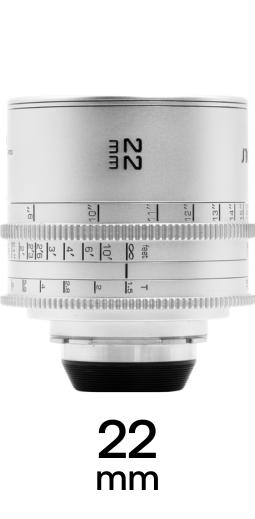
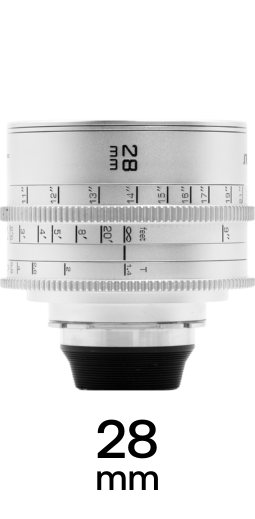
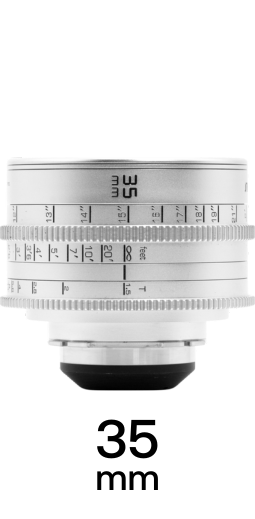
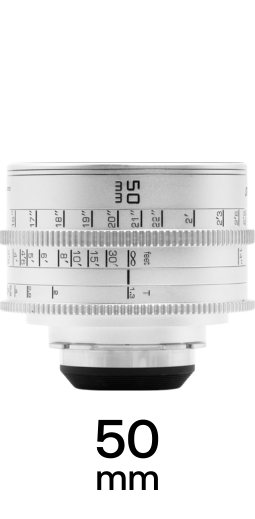
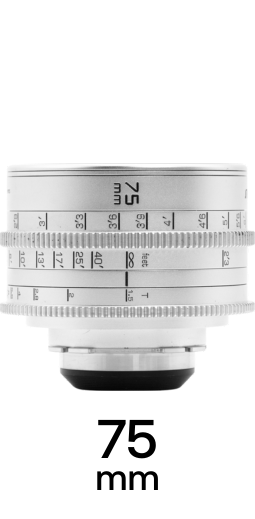
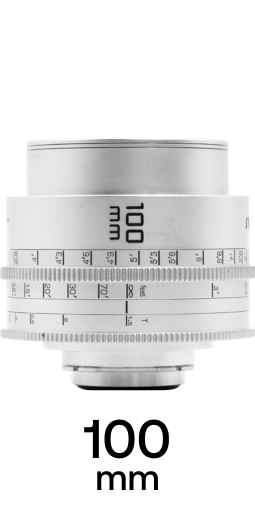
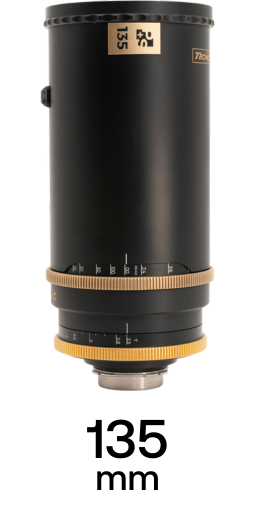
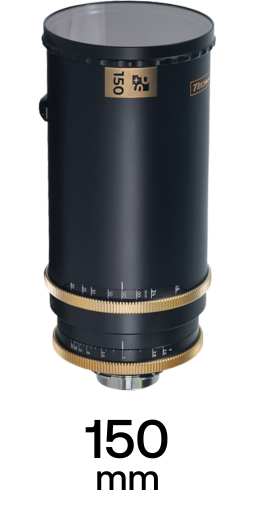
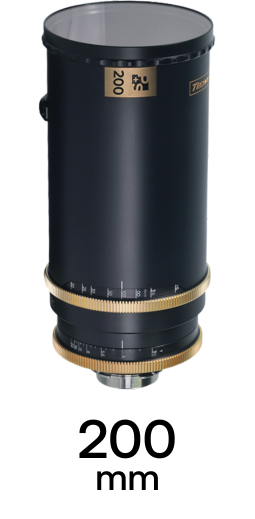
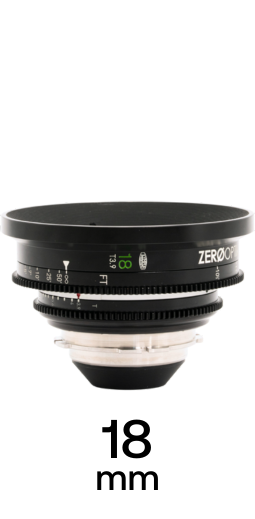
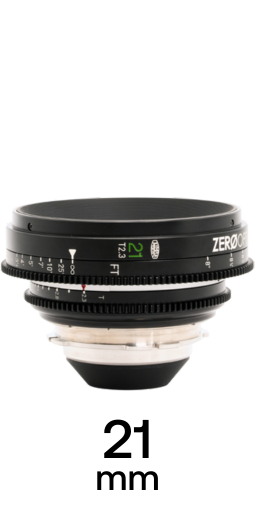
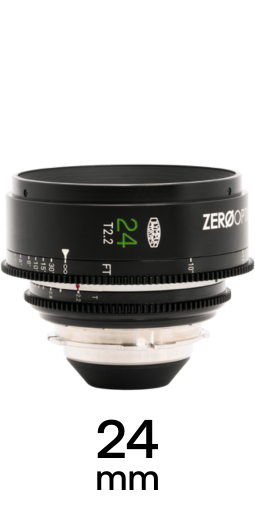
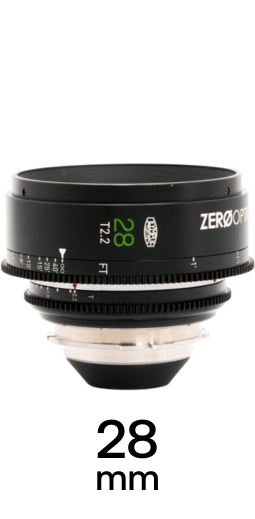
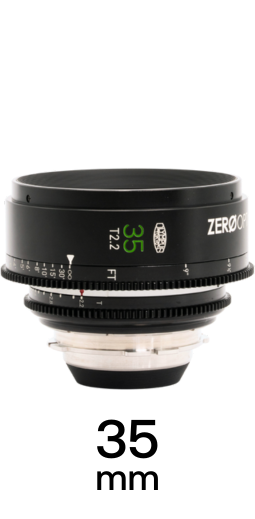
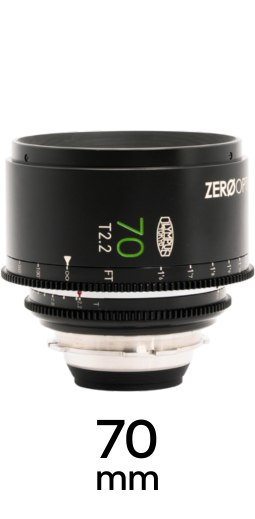
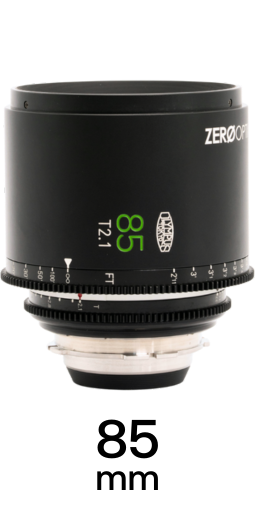
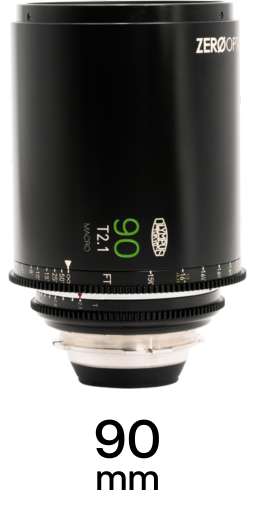
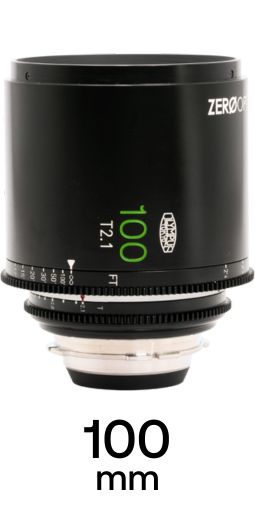
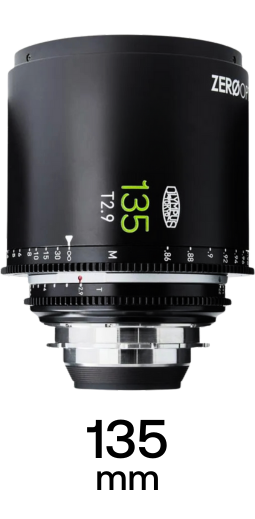
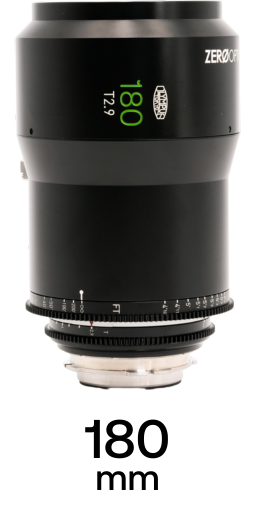
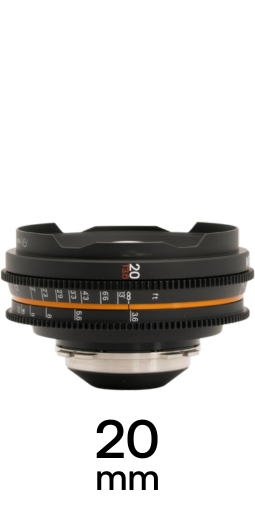
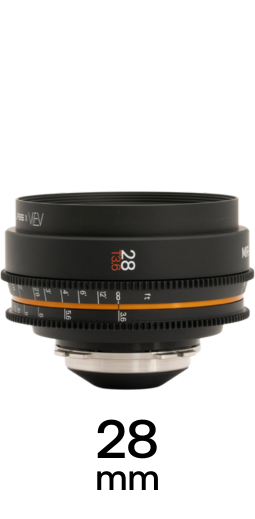
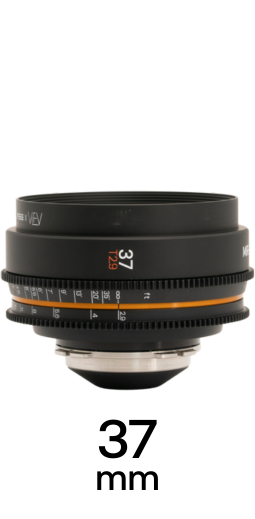
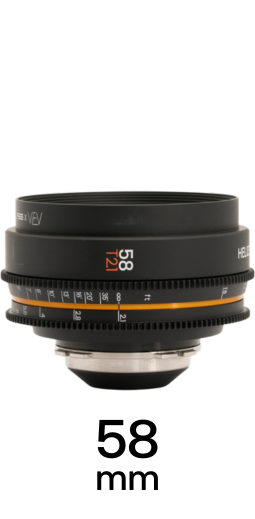
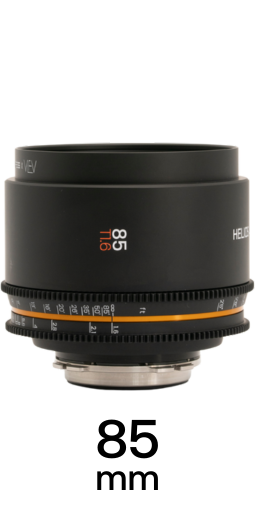
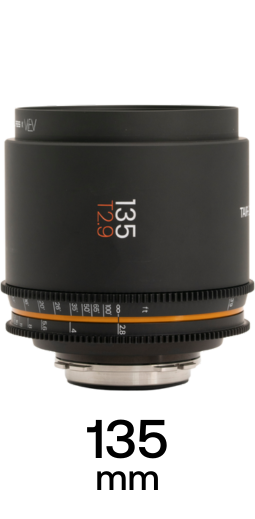
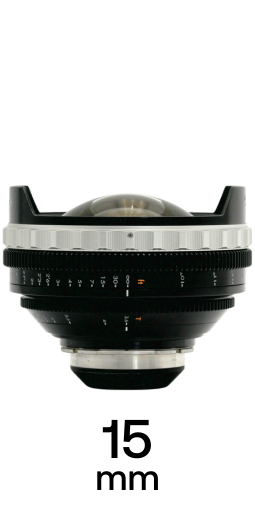
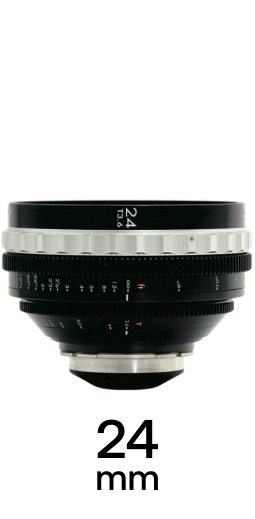
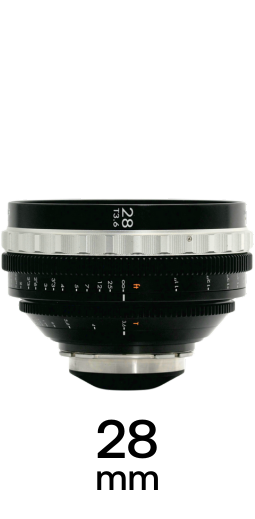
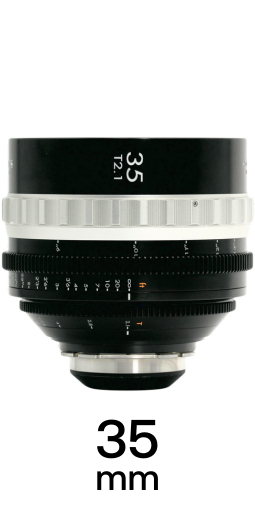
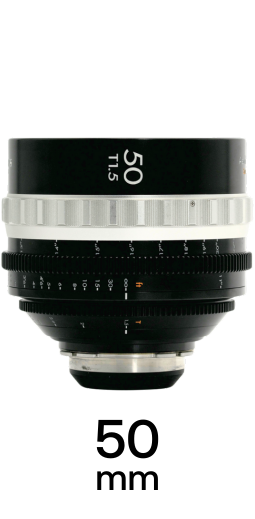
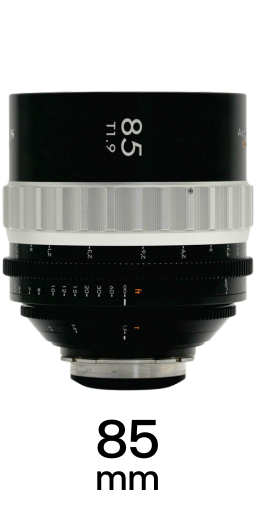
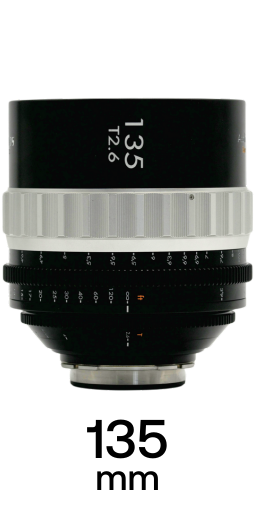
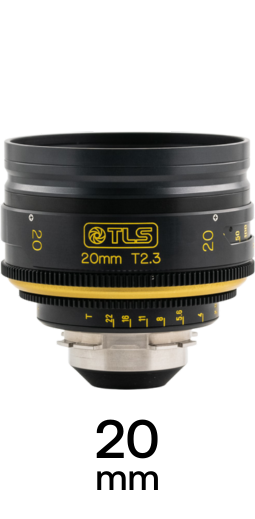
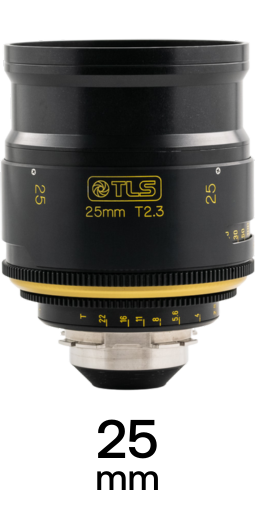
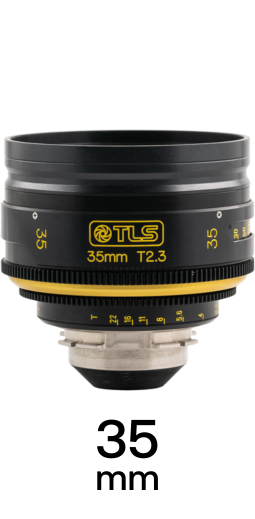
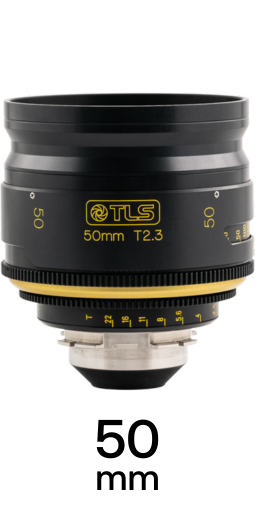
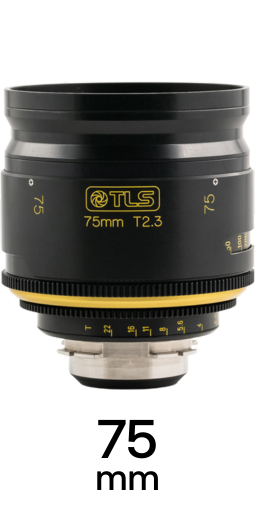
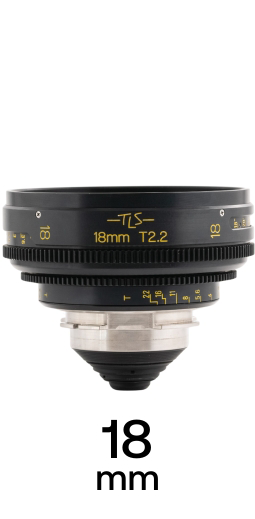
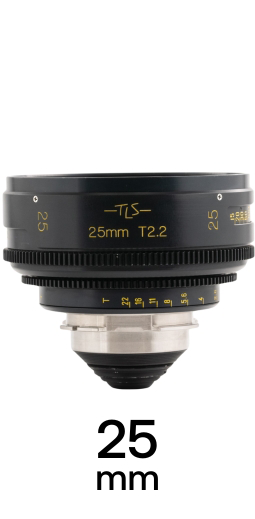
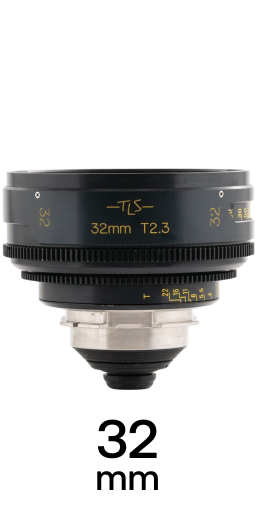
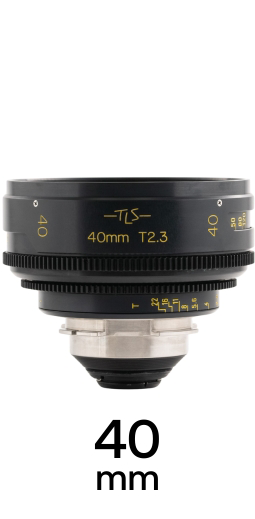
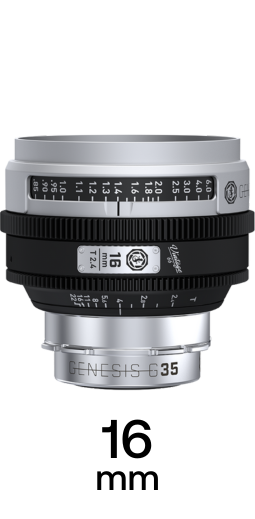
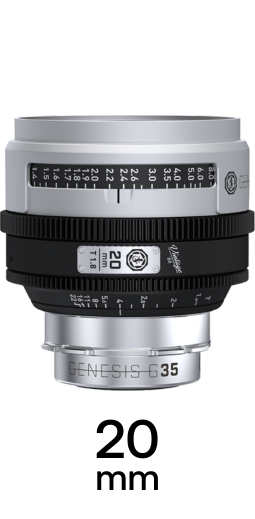
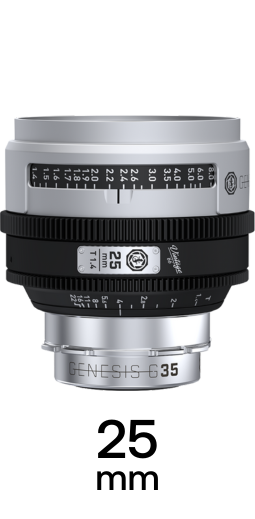
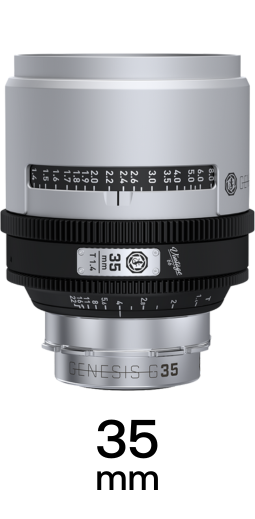
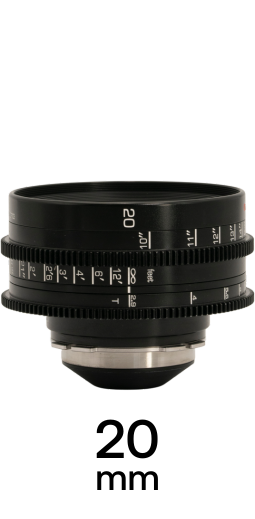
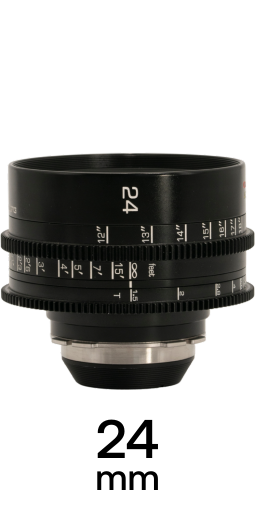
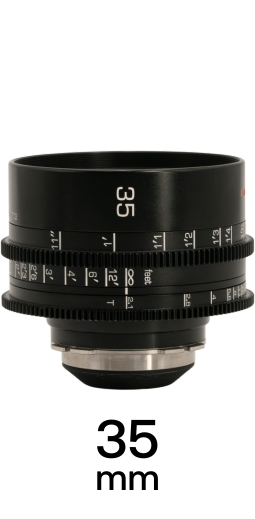
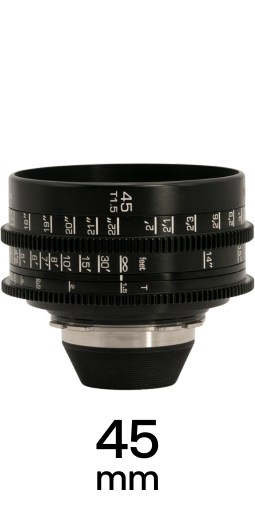
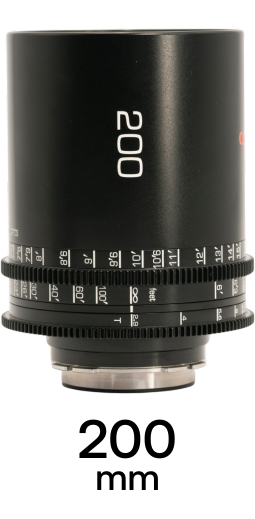
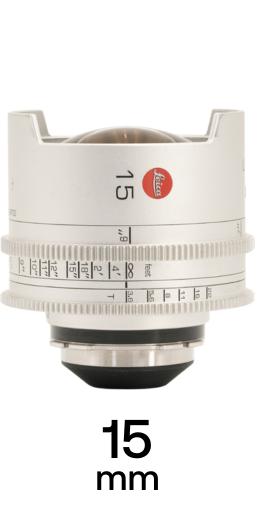
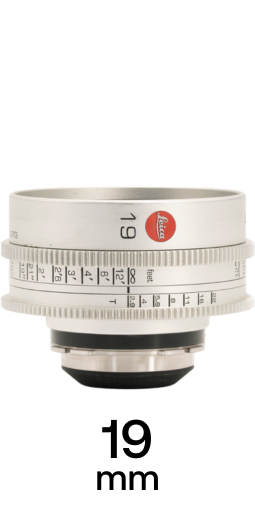
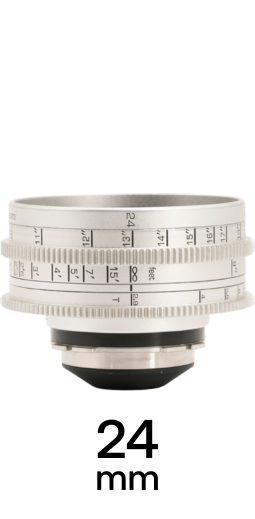
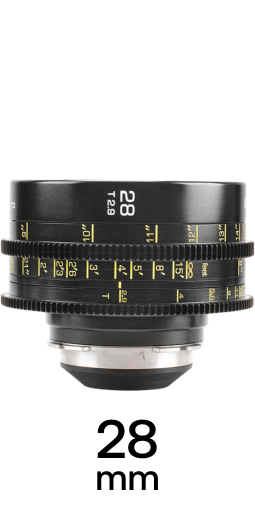
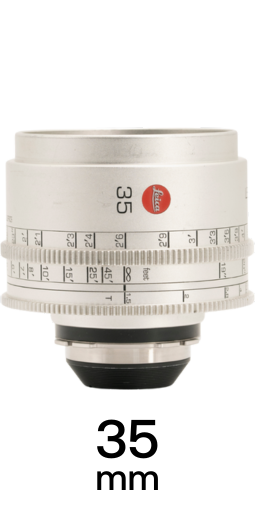
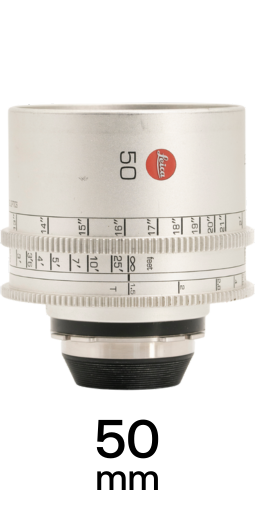
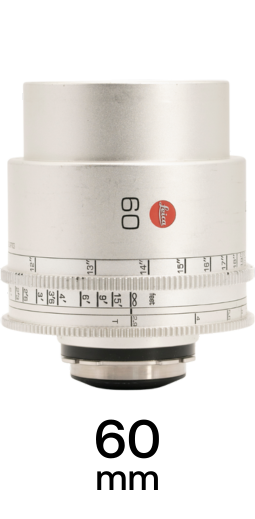
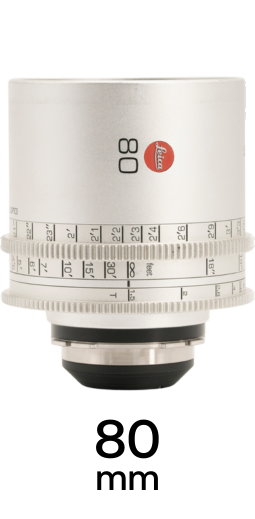
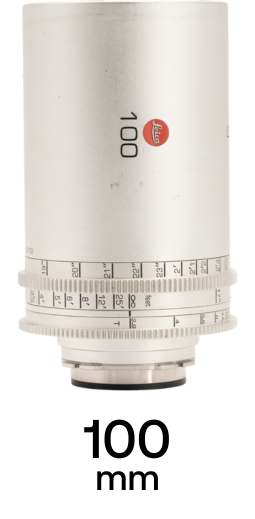
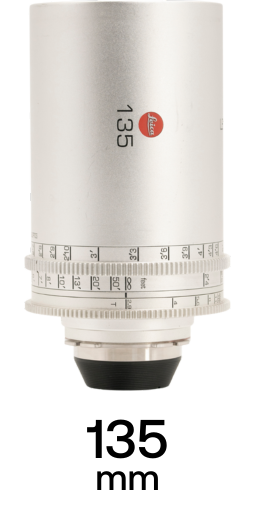
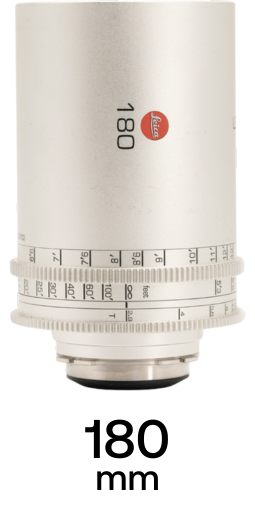
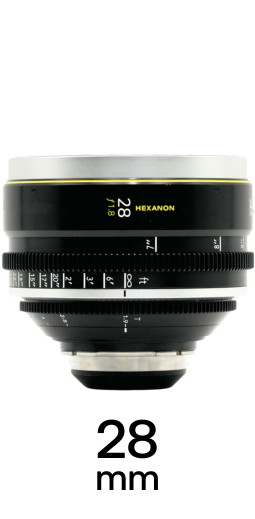
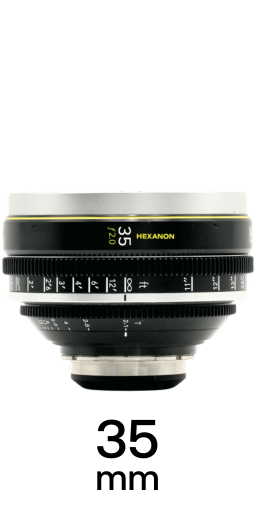
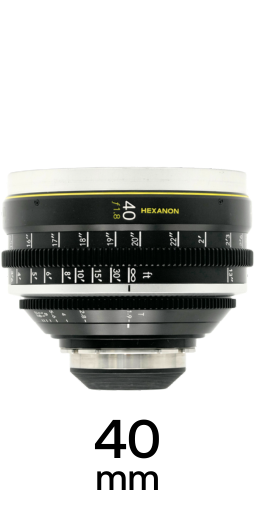
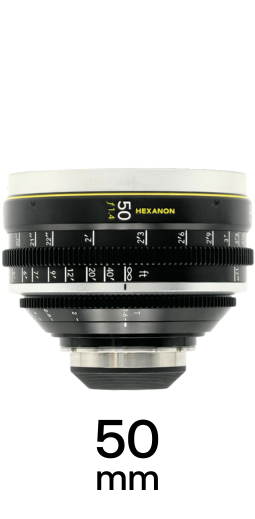
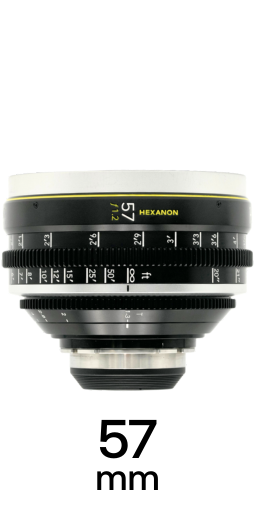
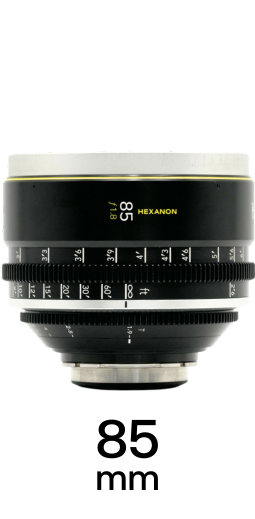
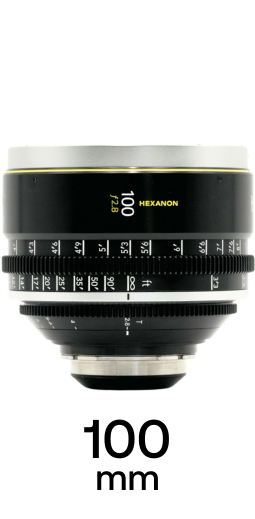
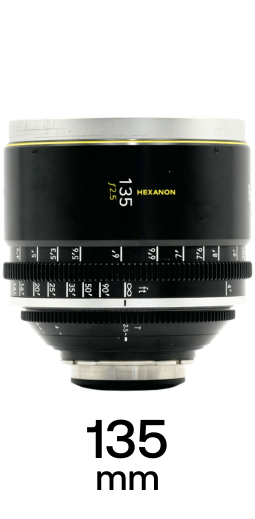
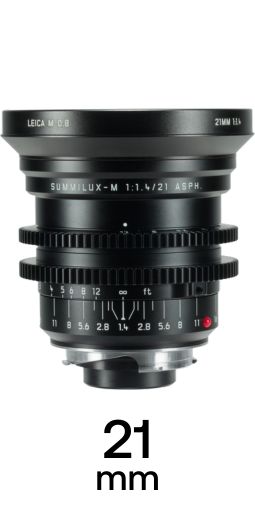
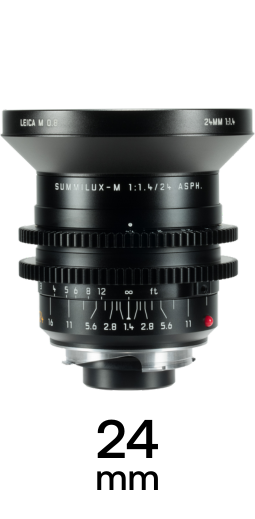
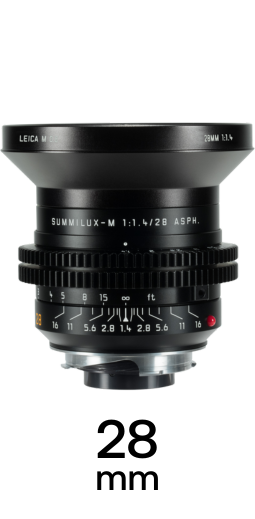
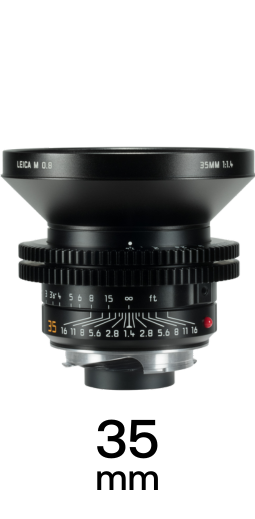
One of the defining traits of vintage glass is inconsistency. Lenses from the same set can vary slightly in contrast, color, and sharpness, particularly at wider apertures. That variability requires more attention during prep and testing, but it also introduces more variation into the recorded image. Many productions embrace this, using the subtle differences between lenses to enhance the visual texture of a project rather than eliminate it.
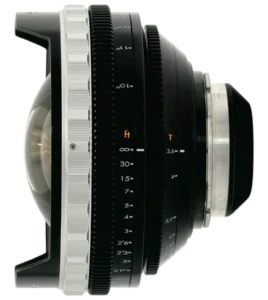
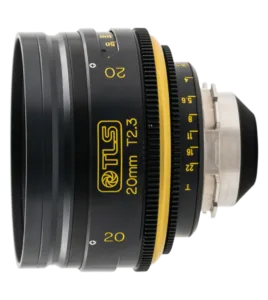
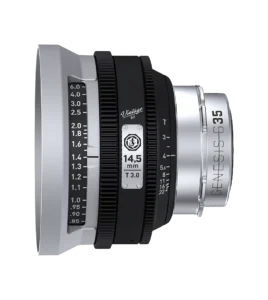
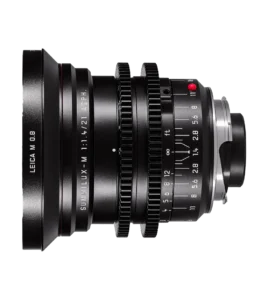
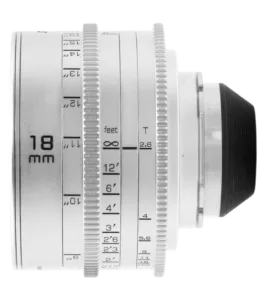
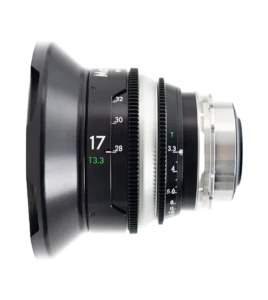
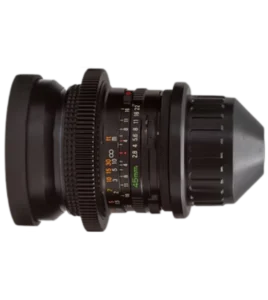
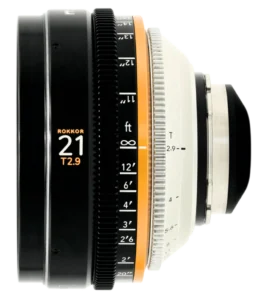
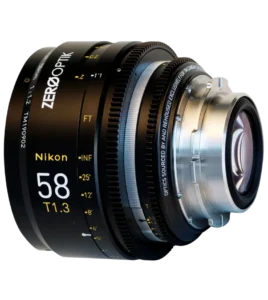
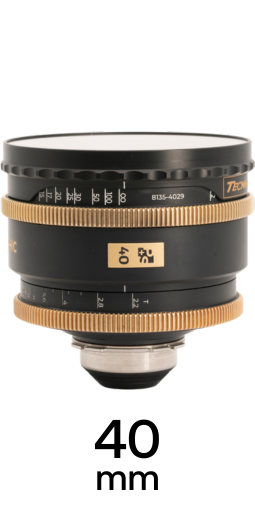
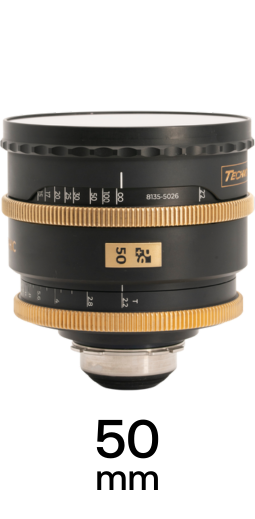
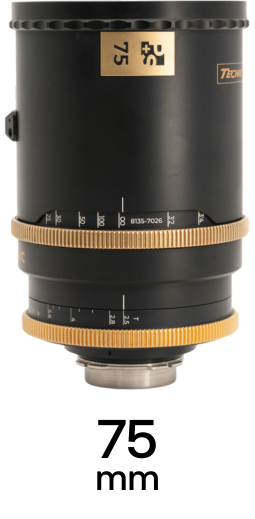
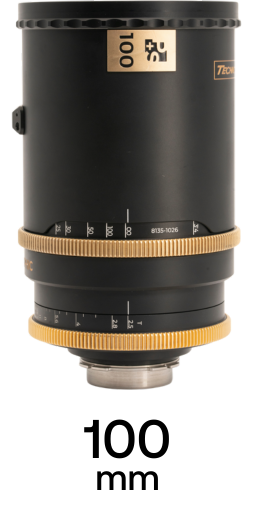
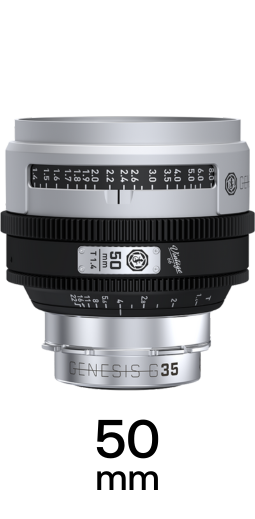
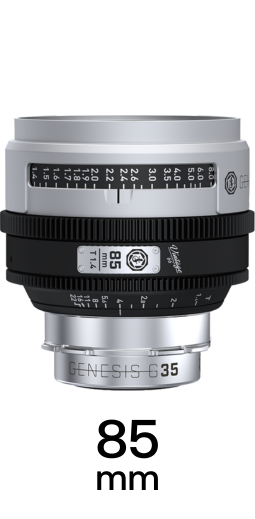
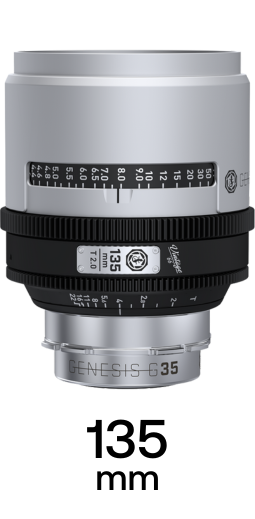
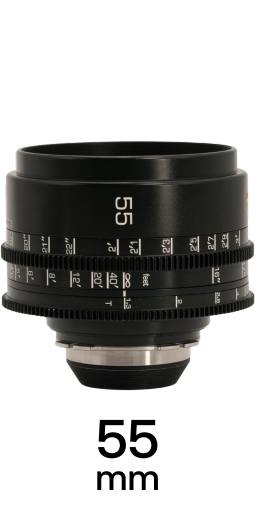
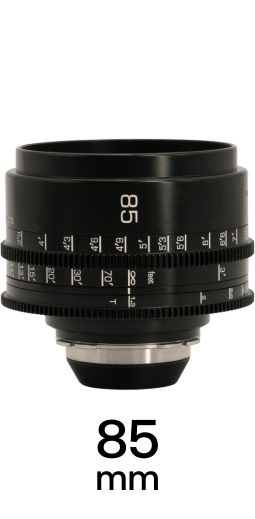
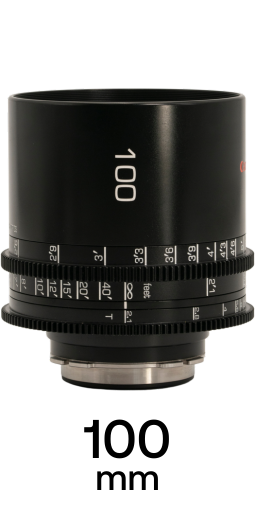
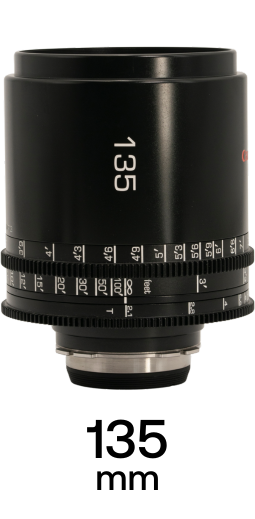
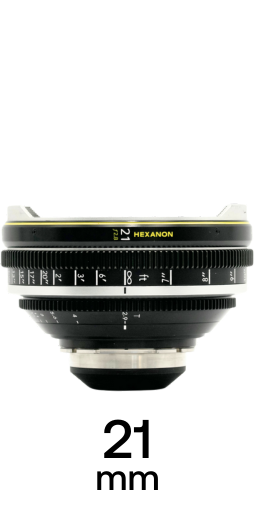
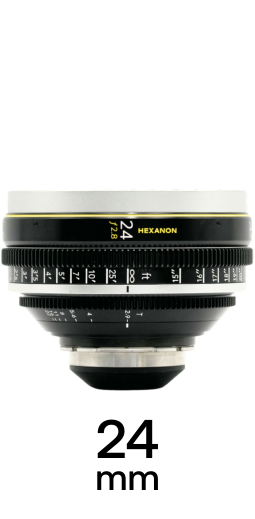
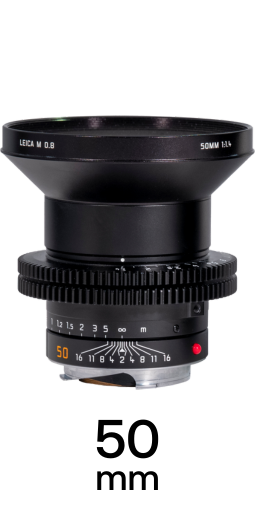
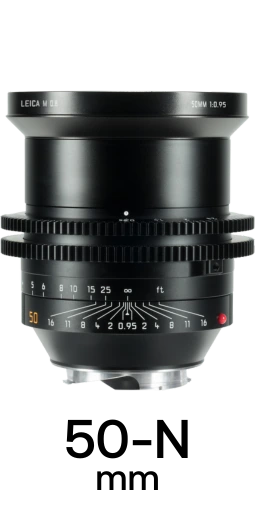
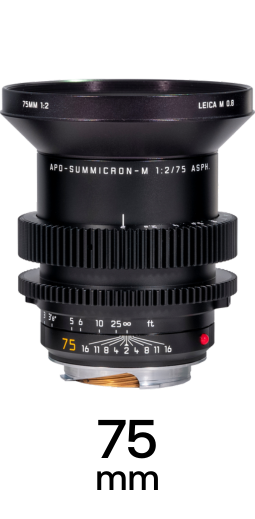
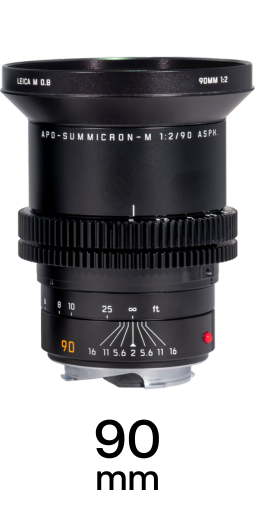
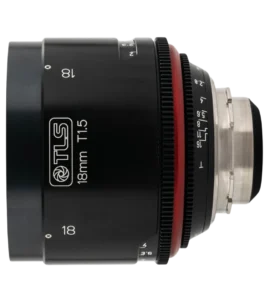
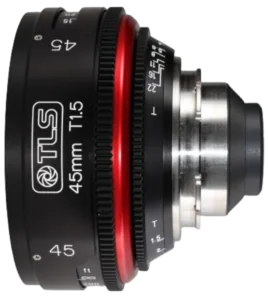
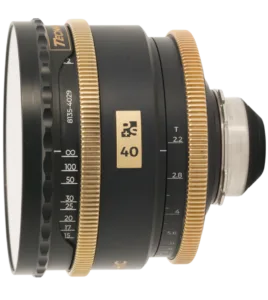
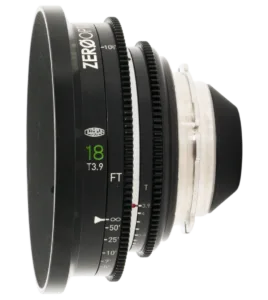
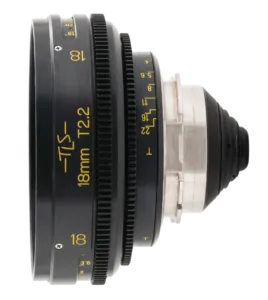
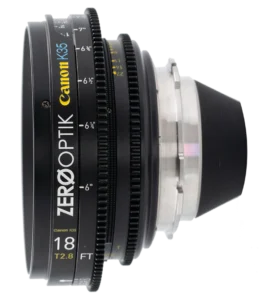
Rehoused vintage lenses take that character and make it usable in modern production environments. Original still or early cinema lenses are rebuilt into standardized housings with proper focus scales, consistent gearing, and improved mechanical reliability. Most of these sets are configured to accept a standard cinema mount, which makes them straightforward to integrate with modern camera bodies without additional adapters or workarounds. This allows crews to work with vintage optics using modern follow focus systems and accessories without losing the original optical qualities that make the lenses desirable in the first place.
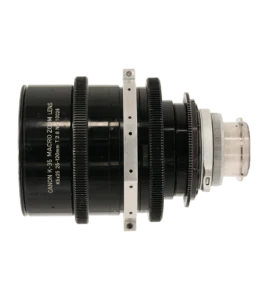
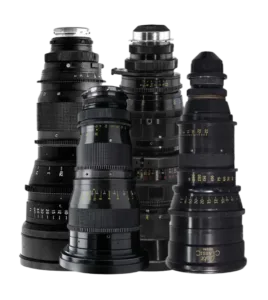
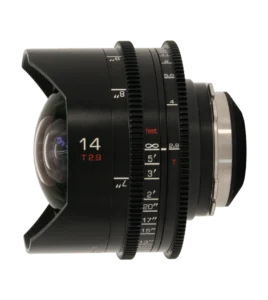
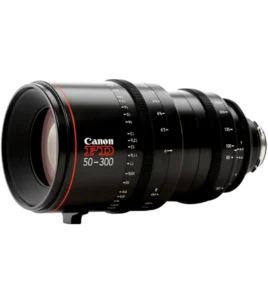
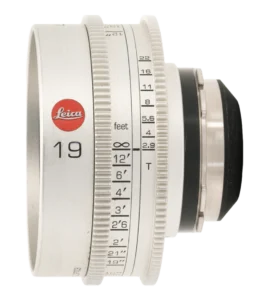
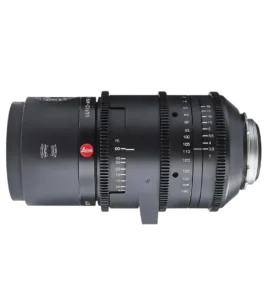
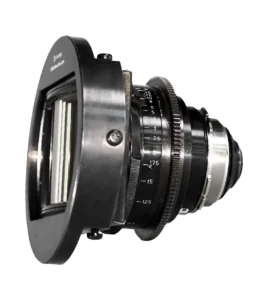
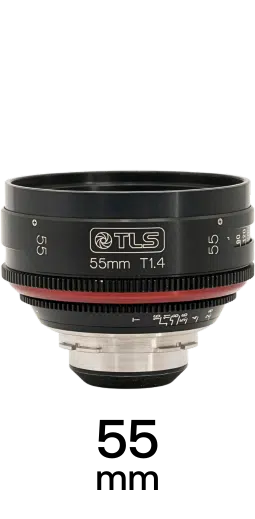
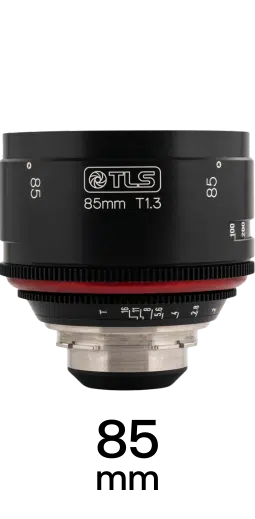
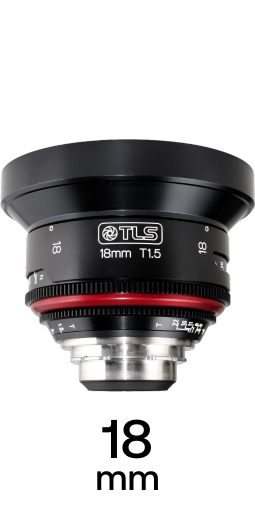
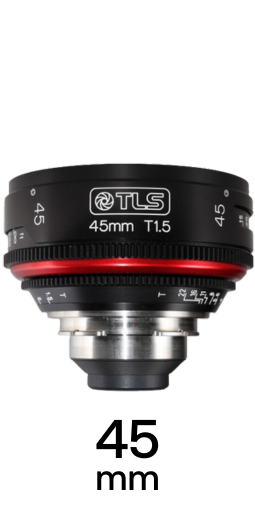
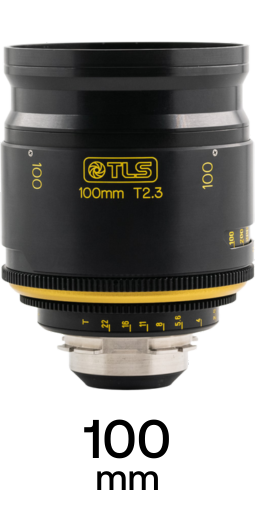
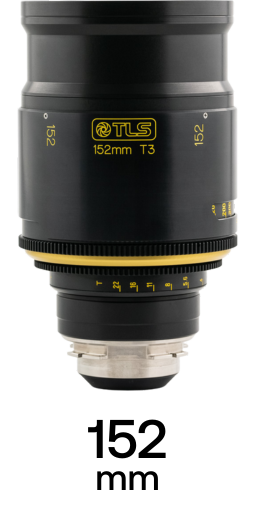
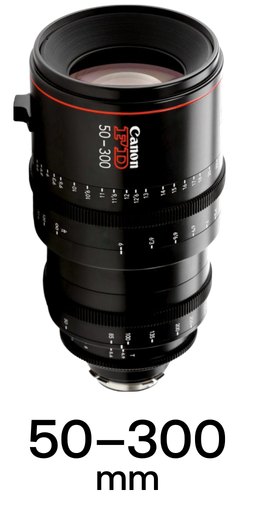
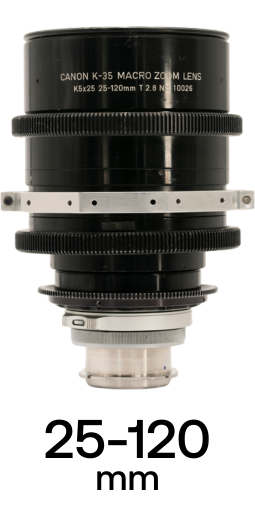
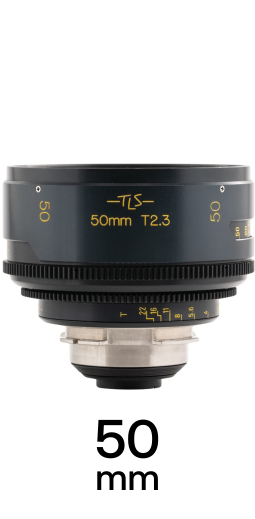
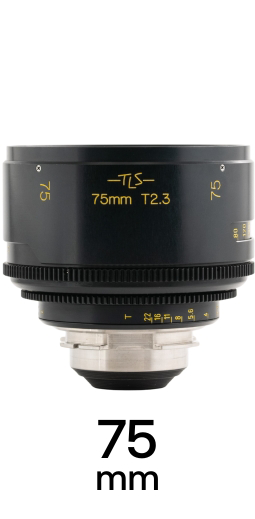
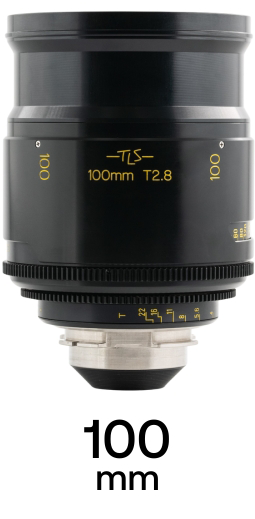
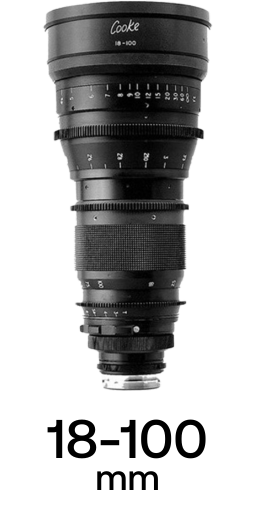
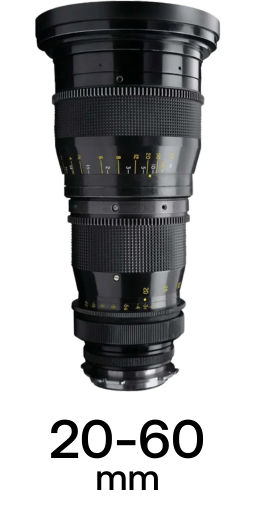
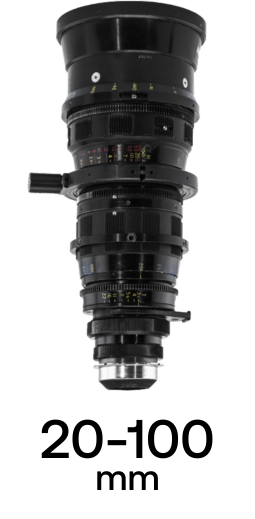
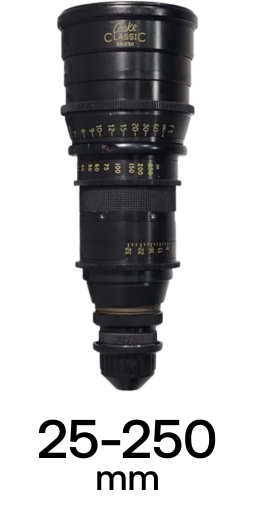
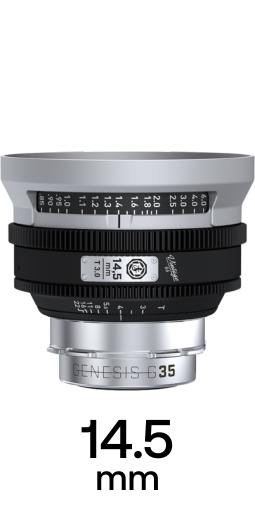
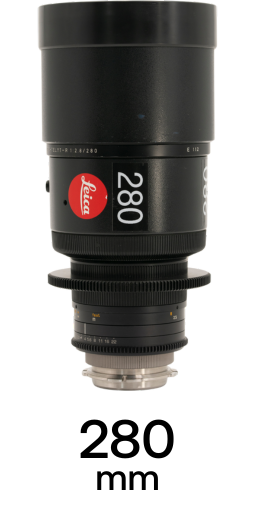
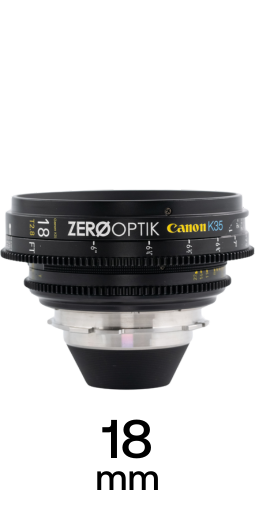
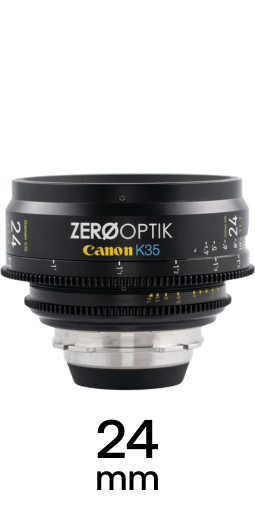
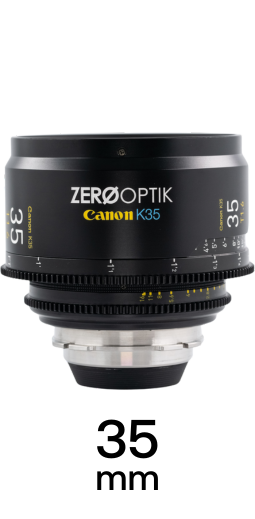
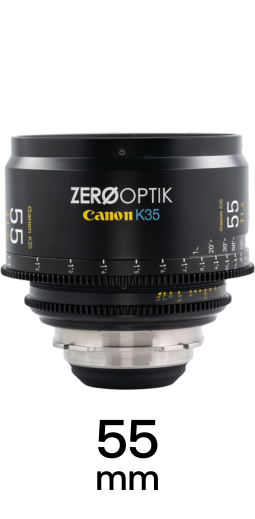
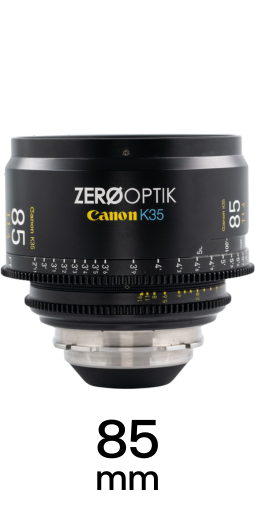
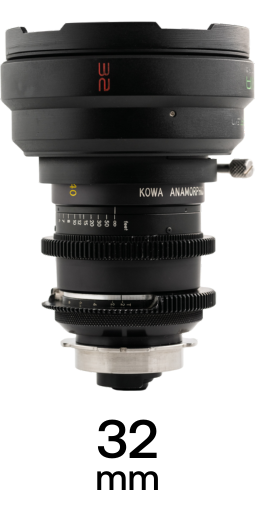
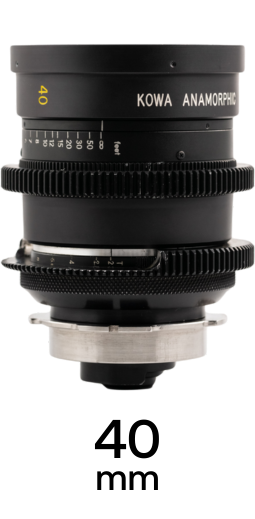
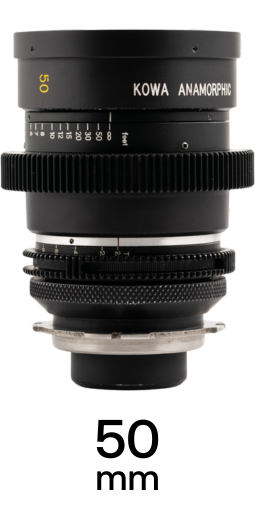
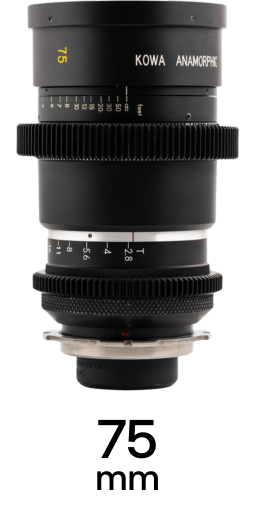
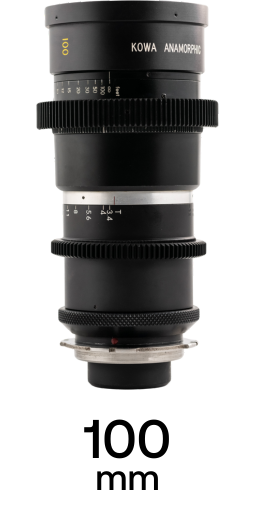
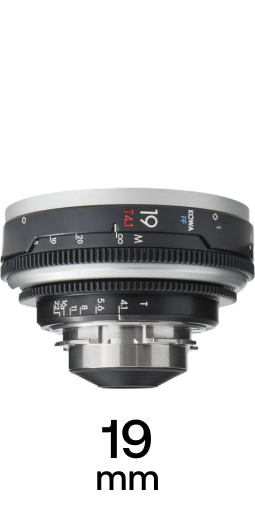
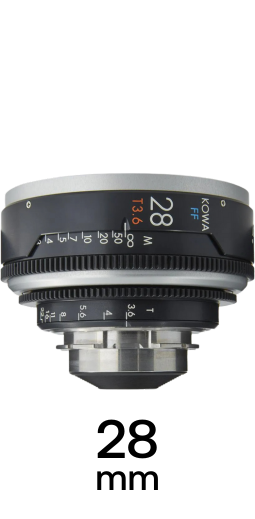
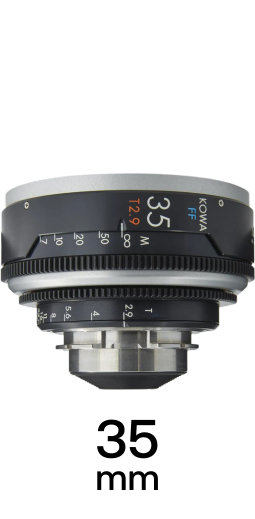
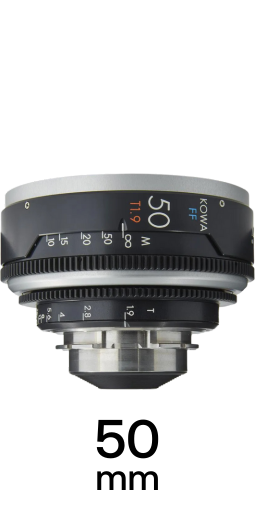
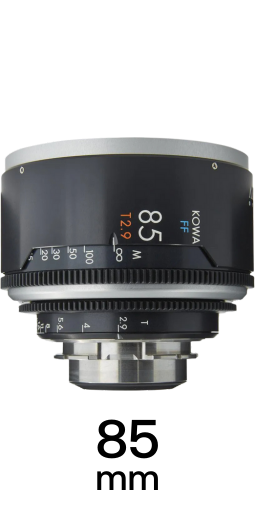
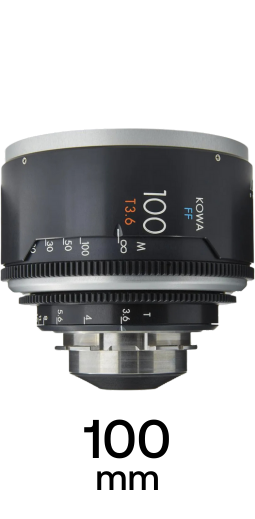
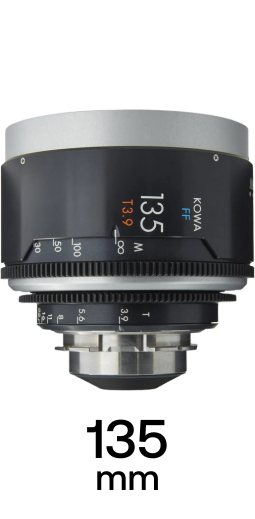
Different vintage systems behave in different ways. Rehoused spherical sets such as TLS Canon K35, TLS Zeiss B Speed, Lomo Super Speeds rehoused by GL Optics, and IronGlass MKII Soviet rehoused lenses each bring different levels of contrast, flare, edge behavior, and wide-open performance. Squeeze-format vintage options such as Lomo and Kowa Prominar introduce additional variables, including flare shape, distortion, and focus falloff. Specialty optics like Petzvalux lenses and variable focal length designs such as Cooke Varotal Vintage zooms extend that range further. When a production needs imagery that standard prime or zoom glass simply cannot produce, close-focus optics and perspective-shifting tube designs are worth factoring into the package conversation from the start. The relevant distinction is not which set is “better,” but which optical behavior fits the production.
Coverage is another factor that has become more important with the shift toward larger sensors. Some vintage lenses were originally designed for smaller 16mm formats and may vignette or behave unpredictably on full-frame or large-format cameras. Lenses that were originally matched to a standard 35mm cinema negative tend to cover more ground, but edge behavior still needs to be verified against the specific body being used on the project. Rehousing and modern adaptation have expanded what is usable, but it is still something that needs to be considered when building a lens package.
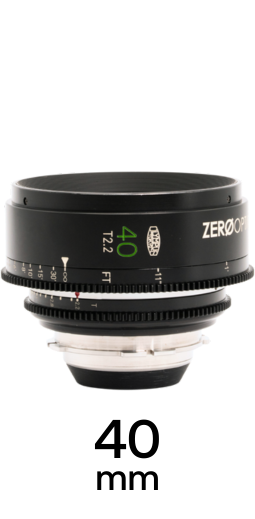
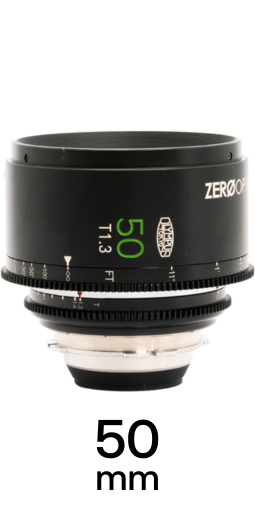
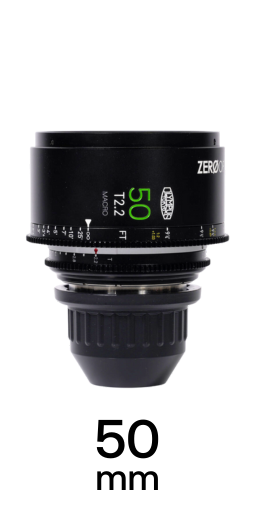
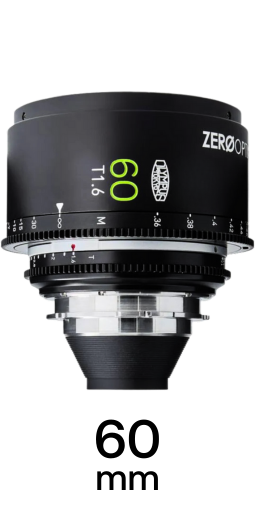
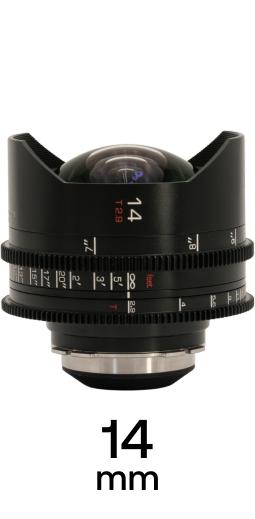
Cine Visuals carries a range of vintage cinema lenses that have been selected for their optical behavior and their ability to function reliably in modern production workflows. This includes rehoused sets, classic cinema optics, and specialized designs that retain their original visual qualities while being adapted for reliable use on set. The depth of this inventory allows productions to build lens packages that match both technical requirements and creative direction without being limited by format constraints.
The value of a well-prepared vintage set is not just in the glass itself, but in how consistently it performs once it is in use. Vintage lenses require careful maintenance and calibration to ensure that what is seen during testing holds up during production. Focus accuracy, mechanical condition, and overall consistency are critical, especially when working with lenses that were not originally built to modern cinema standards.
All vintage lenses are serviced and calibrated in-house before leaving the facility. This ensures that they perform as expected within the limits of their design. While the optical character remains intact, the mechanical reliability is brought up to a level that supports professional workflows.
Vintage lenses are often used alongside modern optics rather than as a complete replacement. Some productions rely entirely on vintage sets to establish a consistent look, while others mix them with modern lenses to create contrast between different scenes or sequences. The decision depends on how much optical variation the project requires and how tightly that variation needs to be managed across the shoot.
What defines vintage cinema lenses is not a specific era or brand, but the way they shape the image. They often introduce lower contrast, more flare activity, less correction, and greater variation than modern systems, which is why they remain relevant for productions seeking those specific rendering characteristics.
Frequently Asked Questions
What makes a lens “vintage” in cinema use?
Vintage lenses are typically older optical designs that were not originally built to modern cinema standards. They are valued for their character, including lower contrast, unique flare behavior, and less corrected image rendering compared to modern lenses.
Are vintage lenses less sharp than modern lenses?
In many cases, yes. Vintage lenses often prioritize character over technical sharpness, especially at wider apertures. However, this is usually a deliberate choice based on the look a production is trying to achieve.
Do vintage lenses work on modern cameras?
Yes, especially when they have been rehoused or properly adapted. Rehoused vintage lenses are designed to integrate with modern cinema systems while preserving their original optical characteristics.
Where can vintage cinema lenses be rented?
Vintage cinema lenses from manufacturers such as Canon, Zeiss, Cooke, Lomo, and Kowa, along with rehoused systems from companies like TLS and GL Optics, are available through Cine Visuals. All lenses are tested and calibrated in-house to ensure reliable performance while preserving their original optical character.