
Loading cart...

TLS Zeiss B Speed: Timeless Character Reborn
Zeiss, TLS, & Cine Visuals Present: TLS Zeiss B Speed Primes
Cinematic Heritage
Few names in the history of optics carry the weight and reverence of Zeiss. The company traces its origins to Carl Zeiss himself, born in 1816 in Weimar, Germany. His small workshop began with a dedication to scientific instruments but quickly evolved into one of the most influential optical companies the world has ever known. Zeiss as a company gained early renown through the precision of its microscopes and scientific lenses, but the philosophy behind the company would ultimately shape photography and cinema for generations. Through the collaboration between optical engineer Carl Zeiss, physicist Ernst Abbe, and glass chemist Otto Schott, the company pioneered the scientific approach to optical design. Lenses were no longer built through intuition and trial alone but through mathematics, physics, and material science. This philosophy of precision and innovation would define the Zeiss name for over 180 years.
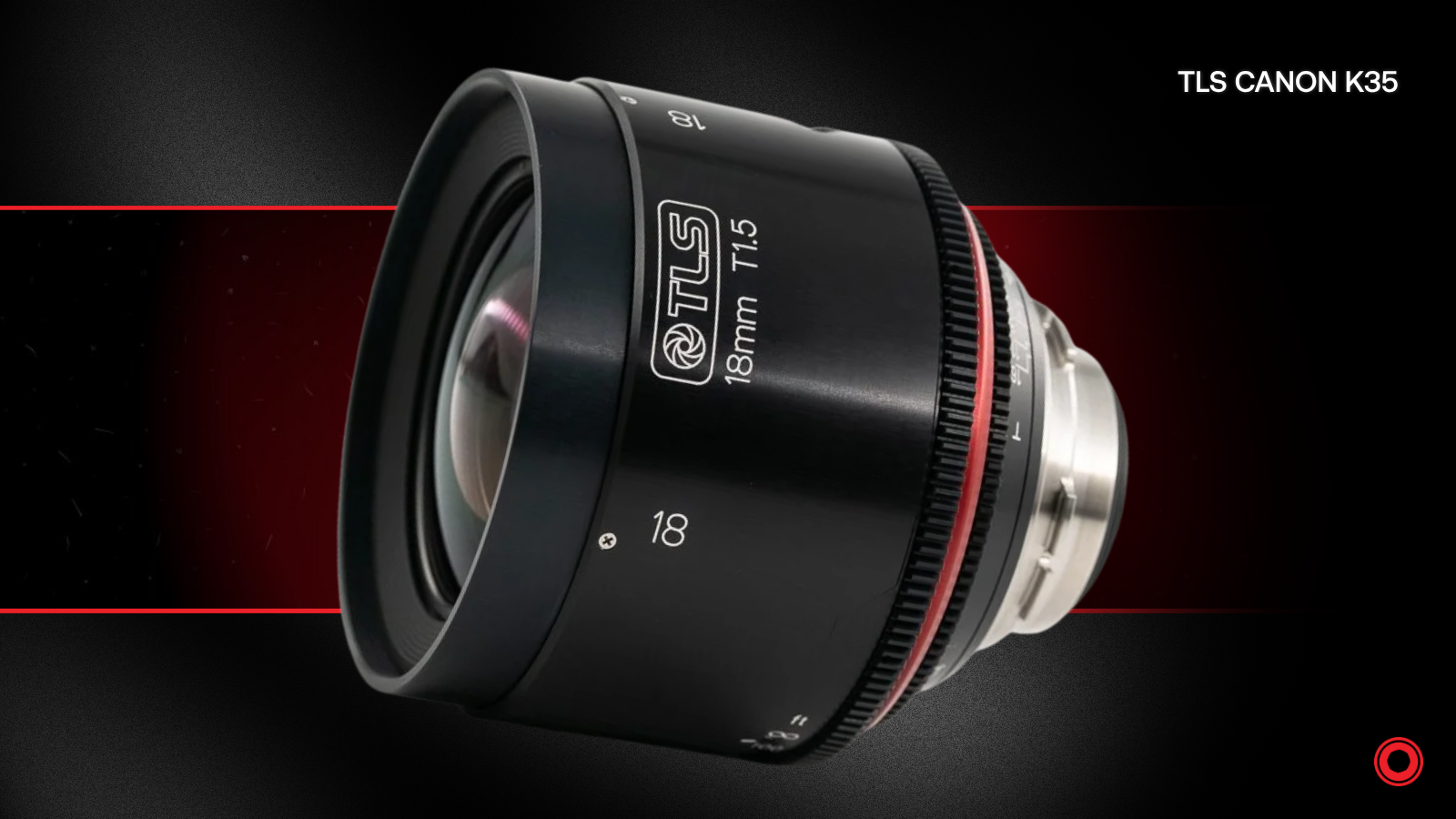
As photography expanded throughout the early twentieth century, Zeiss became synonymous with excellence in camera lenses. Legendary designs such as the Planar, Sonnar, and Distagon became cornerstones of optical engineering. These designs would later influence the world of cinema in profound ways. When motion picture technology began demanding faster and more precise lenses during the 1960s and 1970s, Zeiss drew upon the heritage of its still photography optics to craft a new generation of cinema lenses. During the early 1970s, a quiet revolution was unfolding within the industry. Several manufacturers began adapting their still photography optics for motion picture use. Canon transformed their FD photography lenses into the now iconic K35 cinema lenses. Other manufacturers explored similar paths. Zeiss followed a parallel trajectory with its own photography heritage. Many of the optical formulas used in Zeiss cinema lenses were closely related to the Contax still photography lenses developed in partnership with Yashica in Japan. These lenses represented some of the most advanced still photography optics of their era and provided an ideal foundation for cinematic adaptation.

From this lineage came the Zeiss Super Speed Mark I lenses, which later became colloquially known as the Zeiss B Speeds. These lenses were among the fastest cinema primes available at the time, reaching a remarkable T1.4 aperture when most cinema lenses struggled to reach T2. Their speed allowed cinematographers to work in lower light conditions and capture images with a clarity that earlier film stocks demanded. Yet despite their technical ambition, the lenses retained a softness and warmth that gave them a distinctly cinematic personality. The B Speeds quickly found their place within the visual language of New Hollywood and European arthouse. Their slightly softer rendering, atmospheric flares, and expressive bokeh complemented the raw and emotional storytelling emerging during that time. Films of the late 1970s and early 1980s embraced these lenses that felt so alive.
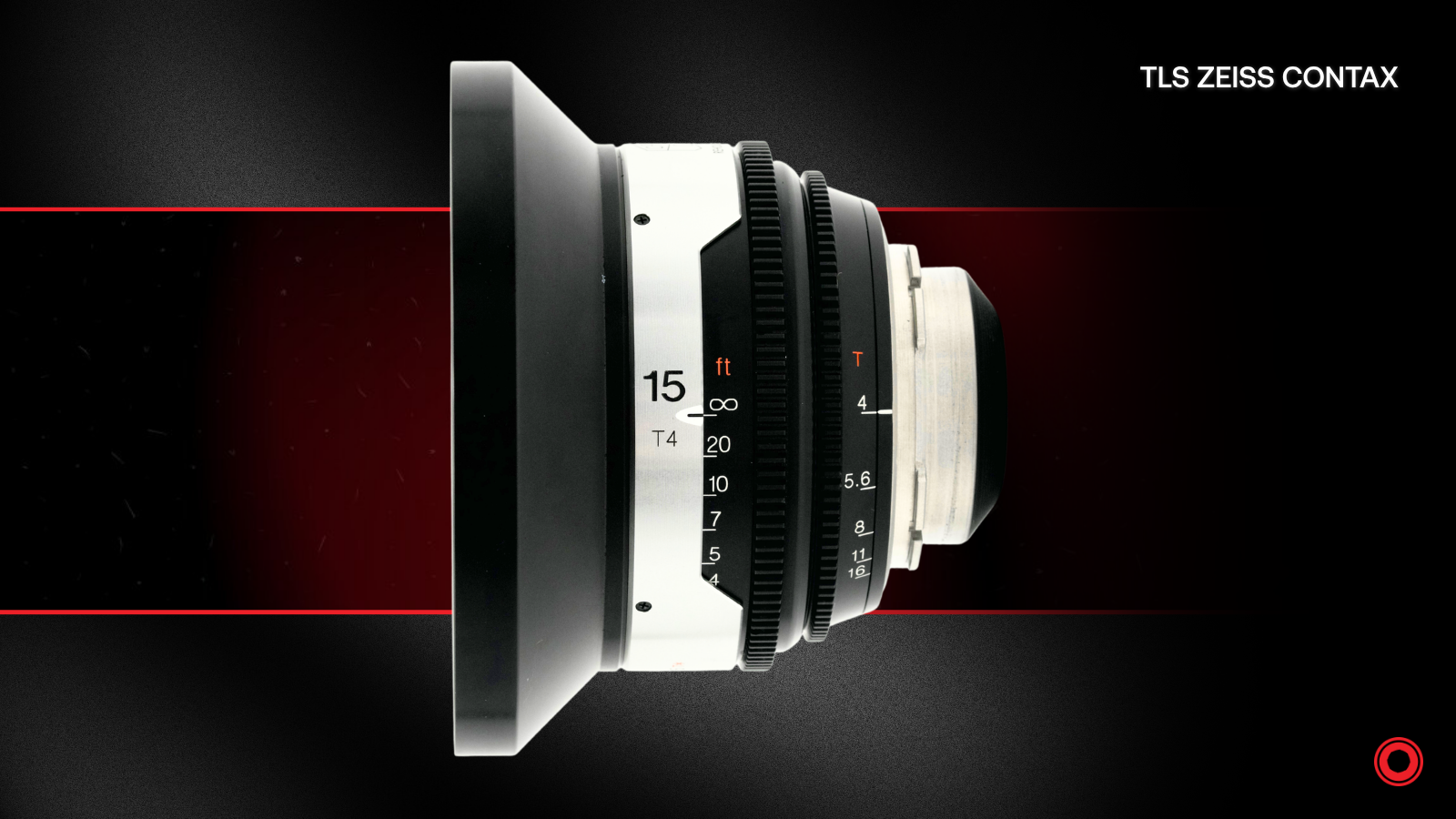
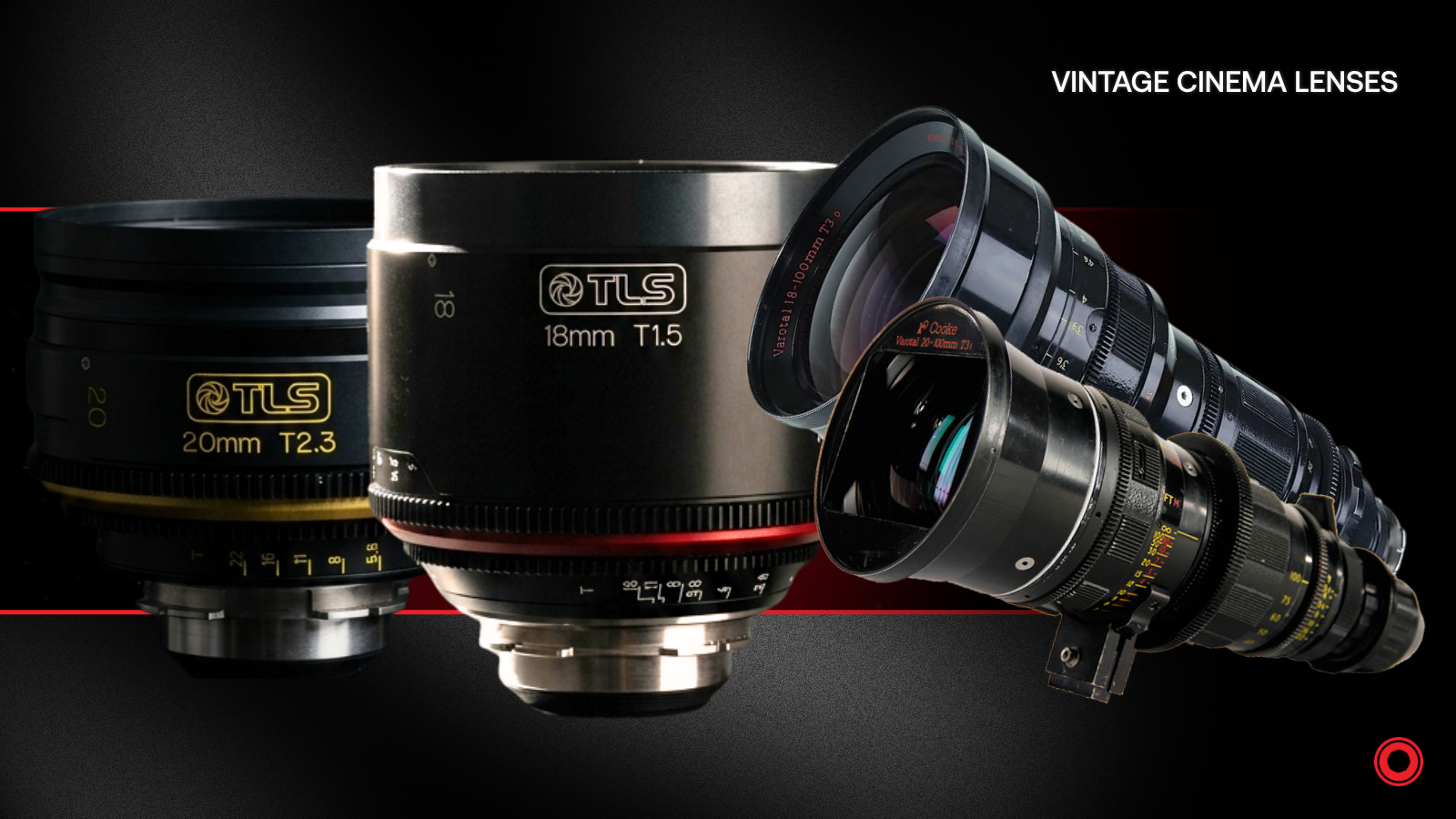
Decades later these lenses remain cherished not only for their historical importance but for their unmistakable character. Yet while the optics themselves have aged gracefully, the original housings reflect the mechanical standards of a different era. This is where True Lens Service enters the story. True Lens Service, widely known as TLS, has built a reputation as one of the most respected lens engineering companies in the world. Based in the United Kingdom, TLS specializes in restoring and rehousing vintage optics so that they can meet the demands of modern film production. Their philosophy is rooted in preservation and innovation simultaneously. The optical soul of a vintage lens remains untouched while the mechanical body surrounding it is reborn through modern engineering.
With the TLS Zeiss B Speeds, TLS has accomplished something truly special. Through careful design and deep understanding of both optics and cinematography workflows, they have given these historic lenses a new life. Not only have the original focal lengths been restored and enhanced through modern housings, but TLS has also pushed the boundaries of what was possible with the original glass. Through meticulous innovation they were able to rework the optical design of the 18mm and create an additional 14mm lens for the set. This remarkable achievement expands the creative possibilities of the B Speed family while preserving the visual identity that made them legendary. In doing so TLS has not simply preserved a historic lens set. They have allowed it to evolve. The Zeiss B Speeds are no longer relics of cinema history. They are once again working tools ready to serve the storytellers of today.
Image Fidelity & Focus
The visual identity of the Zeiss B Speeds is rooted deeply in Zeiss optical philosophy. Even during the 1970s, Zeiss pursued lenses that balanced technical precision with artistic rendering. The B Speeds represent a fascinating moment in optical history when the demand for speed and clarity intersected with the natural imperfections of vintage glass.
At the time these lenses were revolutionary. Film stocks during the 1960s and 1970s required more light and were less resolute than modern film stocks or digital sensors. Cinematographers were constantly searching for lenses that could gather more illumination and detail. The B Speeds answered that need with their impressive T1.4 aperture. For their era they were remarkably sharp and fast, allowing filmmakers to achieve cleaner images even under challenging lighting conditions. Yet what is fascinating is how the same qualities that once made them technically impressive now give them artistic soul in the modern era. Digital cinema cameras today produce images with extraordinary clarity and precision. Modern lenses often emphasize that precision to an extreme degree with modern advancement of optical technology via computers. However, the result can sometimes feel sterile or overly clinical; a pendulum swing in the opinion of some cinematographers.
The Zeiss B Speeds counterbalance that tendency beautifully. They remain sharp where it matters most, especially through the center of the frame, yet they carry a subtle softness and gentle glow that gives the image life. Skin tones are rendered with warmth and compassion. Colors feel rich without being overly saturated and highlights roll off with a softness that evokes the feeling of film stock. Rather than presenting a perfectly corrected image, the B Speeds allow light to breathe within the frame. There is a texture to the way highlights bloom and a softness in the shadows that creates a sense of atmosphere. Rather than pushing hard edges and aggressive contrast, the B Speeds create separation through subtle tonal differences. Faces appear dimensional and natural. Landscapes feel textured and alive.
One of the most celebrated characteristics of these lenses is their handling of focus falloff. Subjects remain crisp and well defined while the background transitions into a painterly softness. This layering of focal planes gives depth to the image and allows cinematographers to guide the viewer’s attention with elegance rather than force. During the ‘70s and ‘80s they were prized for their ability to produce a clear image on slower film stocks. Today, they are cherished for the exact opposite reason. Their organic rendering softens the hyper clarity of digital sensors and reintroduces the emotional imperfection that many filmmakers crave.
The result is a lens that exists comfortably between two worlds. The Zeiss B Speeds are sharp without being sterile, expressive without being chaotic, and nostalgic without feeling outdated. They possess a rare balance that allows them to work beautifully with both traditional film stock and modern digital cameras.
Handling & Adaptability
While the optical character of the Zeiss B Speeds has always been admired, the original housings were designed for a filmmaking environment that looked very different from today. Motion picture cameras of the ‘70s were larger, heavier, and used different tools and accessories or were less dependent on wireless follow focus systems, gimbals, drones, and compact stabilization rigs. Manual follow focus systems, heavy dollies, and – for larger budgets – helicopters were the norm. The mechanical design of those early lenses reflected the needs of that era.
True Lens Service recognized that for these lenses to thrive in the modern production landscape they needed more than restoration. They needed reinvention. The TLS rehousing represents a complete mechanical transformation. The original optics are carefully removed and placed into entirely new housings engineered with modern cinematography workflows in mind. Every element of the lens body has been reconsidered from the perspective of focus pullers, camera assistants, operators, and cinematographers who depend on precision and reliability during long shooting days.
One of the most important improvements is the extended focus rotation. The earlier designs could focus on being compact with shorter focus rotation as the rotation was more dependent on the manual follow focus system. However, that adjustability in the follow focus is impractical with modern wireless follow focus systems. TLS has engineered these lenses with approximately 300º of focus travel. This long focus throw provides exceptional precision for focus pulling, allowing assistants to make subtle adjustments with confidence even at the extremely shallow depth-of-field produced by the T1.4 aperture. The motion of the focus ring itself is famously smooth, often described by assistants as buttery and perfectly dampened.
Uniformity across the lens set is another critical element of the TLS design. Each lens features a consistent 95mm front diameter. This consistency dramatically simplifies on set workflow. Matte boxes and filters can remain in place when lenses are swapped and focus motors do not need to be repositioned. These details may seem small but on a fast moving production they save valuable time and energy. The physical layout of the focus and aperture rings has also been standardized across the set. Camera assistants can rely on muscle memory when swapping lenses and adjusting motors. The geared rings follow modern cinema standards and interface seamlessly with professional wireless follow focus systems.
The overall build quality of the TLS housings reflects a level of craftsmanship that has made the company one of the most trusted names in lens engineering. The materials are robust yet lightweight and the internal mechanics are designed to withstand the rigors of modern production environments. Whether mounted on a handheld camera, balanced on a Steadicam rig, flown on a drone, or attached to a gimbal, these lenses perform with reliability and precision. This transformation allows the B Speeds to move fluidly between the creative demands of cinematography and the practical realities of filmmaking. Operators benefit from compact dimensions and balanced weight while assistants gain the accuracy and consistency required for modern focus systems. Perhaps the most remarkable aspect of the TLS rehousing is how invisible it feels once in use. The lenses simply work. A classic on-set expression is that the camera team did a great job when everyone forgot they were there. These lenses match that ethos. The character of the vintage optics shines through while the mechanics operate with the confidence and predictability of contemporary cinema lenses. In many ways this is the true magic of the TLS approach. They do not attempt to change the soul of the lens. Instead they build a body around it that allows that soul to function effortlessly within the modern filmmaking world.
Image Circle
The Zeiss B Speeds were originally designed for the 35mm motion picture format that dominated cinema throughout the 20th century. Traditional 35mm film exposes the frame vertically across 4-perfs of film stock, creating what later became known as the S35 format. This format defined the visual language of countless films and remains one of the most widely used sensor sizes in digital cinematography today. S35 digital cameras mirror the dimensions of that classic film frame. Cameras such as the ARRI Alexa35, the RED V-Raptor S35, and many others continue to embrace this format because of its versatility and aesthetic familiarity. The Zeiss B Speeds fit naturally into this world because they were designed specifically for it.
Each lens in the set comfortably covers the S35 image area, projecting an image circle optimized for that format. The approximate diagonal coverage varies slightly between focal lengths due to the nature of their optical designs. The 18mm focal length produces an image circle of roughly 32mm. The 25mm expands coverage to 36mm. The 35mm reaches 37mm while the 50mm increases to 41mm, nearly enough to cover Full Frame. The 85mm offers the largest coverage of the set at 43mm, exactly enough to cover Full Frame. These values allow the lenses to perform beautifully on S35 sensors while occasionally offering partial compatibility with Full Frame cameras. However their true home remains the Super 35 format that shaped cinema history. In this way the lenses continue the legacy they were designed for decades ago while integrating seamlessly into modern digital cinematography.
Flare & Bokeh
If the optical rendering of the Zeiss B Speeds gives them their soul, their flare and bokeh give them their unmistakable personality. Zeiss developed innovative anti-reflective coatings during the era in which these lenses were designed. These coatings improved contrast and light transmission while still allowing the glass to interact expressively with strong light sources. The result is a flare signature that feels organic and atmospheric rather than overly controlled. Bright light entering the lens often produces gentle veiling flare and delicate streaks that sweep across the frame. These flares carry subtle color shifts depending on the light source and angle of entry. Rather than overpowering the image they add texture and dimensionality. Cinematographers often use these characteristics intentionally, allowing highlights to bloom slightly in order to enhance the emotional tone of a scene.
Each focal length within the B Speed family is derived from one of Zeiss’s classic optical design families. Wide lenses draw from the Distagon heritage while normal and telephoto lenses reflect Planar architecture. These differing designs allow each focal length to perform optimally for its perspective while still matching the overall visual identity of the set.
Yet the most iconic visual trait of the B Speeds lies within the aperture itself. Unlike most modern lenses that rely on many iris blades to create a perfectly circular opening, the B Speeds employ a distinctive 3 blade iris design. When the lens is stopped down this triangular aperture shape becomes visible in the bokeh throughout the image. The result is the famous triangular bokeh that has become synonymous with these lenses. Points of light in the background transform into glowing triangular shapes that dance across the frame. The effect is subtle yet unmistakable. It adds a geometric elegance to the image that feels both stylized and organic. This triangular bokeh has played a role in shaping the visual language of numerous films. One of the most famous examples can be seen in Stanley Kubrick’s “The Shining”, where distant lights and reflections take on the distinctive triangular shape that has since become a hallmark of the B Speed aesthetic. Importantly the lenses also retain circular bokeh when used wide open. At their maximum aperture the iris blades retract completely and the lens behaves like a traditional circular aperture. This dual personality allows cinematographers to choose between classic round highlights and the unique triangular shapes simply by adjusting the stop. And through the thoughtful engineering of True Lens Service, these remarkable qualities are now paired with the precision and reliability required by modern cinema. The Zeiss B Speeds continue to shape images just as they did decades ago, only now they move through contemporary productions with renewed strength and grace.
These lenses are available for rent at Cine Visuals. For inquiries or testing appointments email info@cinevisuals.com or call (323) 244-2552.