

Loading cart...

Anamorphic vs Spherical Lenses: When to Choose Each for Your Shoot
Cine Visuals Presents: A Lens Design Deep-Dive
Intro
Cinematographers approaching a new project may find themselves making a choice between spherical and anamorphic lenses, a decision that shapes the visual identity of the image. Spherical lenses offer flexibility, clarity, and natural rendering, while squeeze factor optics introduce wider fields of view, distinctive characteristics, and a heightened sense of scale and emotion. Understanding differences in aspect ratio, distortion, ergonomics, and artistic characteristics helps determine when each format is the right fit. Ultimately, the choice depends on the needs and visual language of the story and the cinematographer’s personal taste, as each approach influences how an audience experiences the image.
Spherical vs Anamorphic Imagery – What’s the Difference?
On the most basic level spherical and anamorphic glass are differentiated by squeeze factor. Spherical lenses actively work to capture light in what could be called a “1x squeeze factor” or in other words, as accurately as possible. Like the human eye’s own circular pupils’, spherical lenses try to capture the world in a 1:1 way. This feels comfortable to humans with our forward facing eyes designed for precision. But this isn’t the way all animals (or machines) see. Anamorphic glass comes from WWI tank scope designs that allowed tank drivers to see wider than normal. Simply put, the optics bend light to capture more information on the horizontal periphery in exchange for lower accuracy and higher distortion. For film, this optical design creates the signature and beloved look of anamorphic lenses.
The choice of lenses is a decisive factor in choosing the look for a project. Often, cinematographers turn to vintage sphericals or anamorphic lenses for projects that need extra character. However, knowing the differences is hugely helpful. The ARRI Zeiss Master Anamorphic Primes have a 2x squeeze factor but are known for their clean and neutral rendering. Whereas, various Soviet lenses have loads of unique characteristics but remain spherical. Thus, it isn’t necessarily a 100% catch-all to say spherical lenses are always sharper, more balanced, or even more clinical than anamorphics.
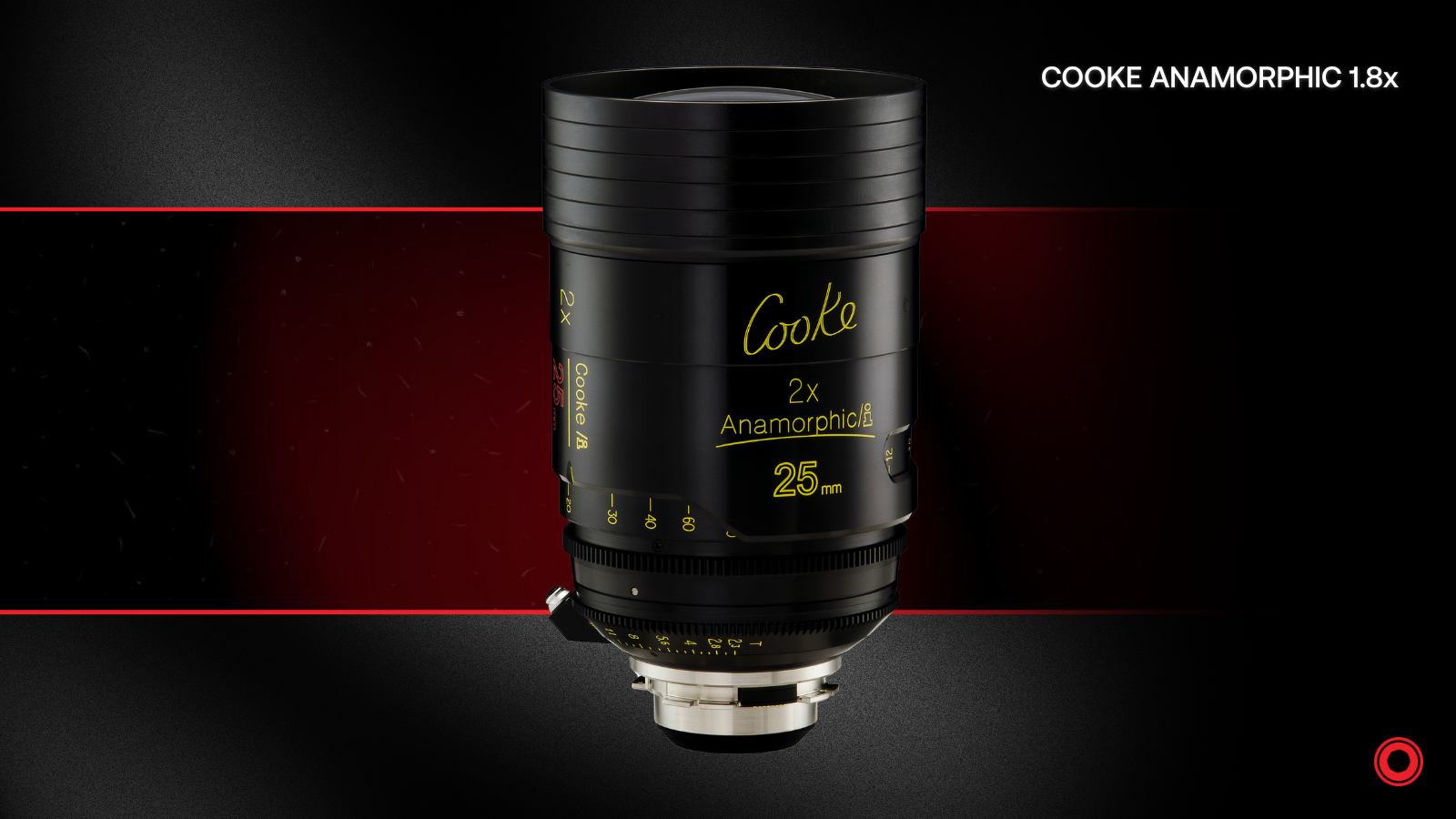
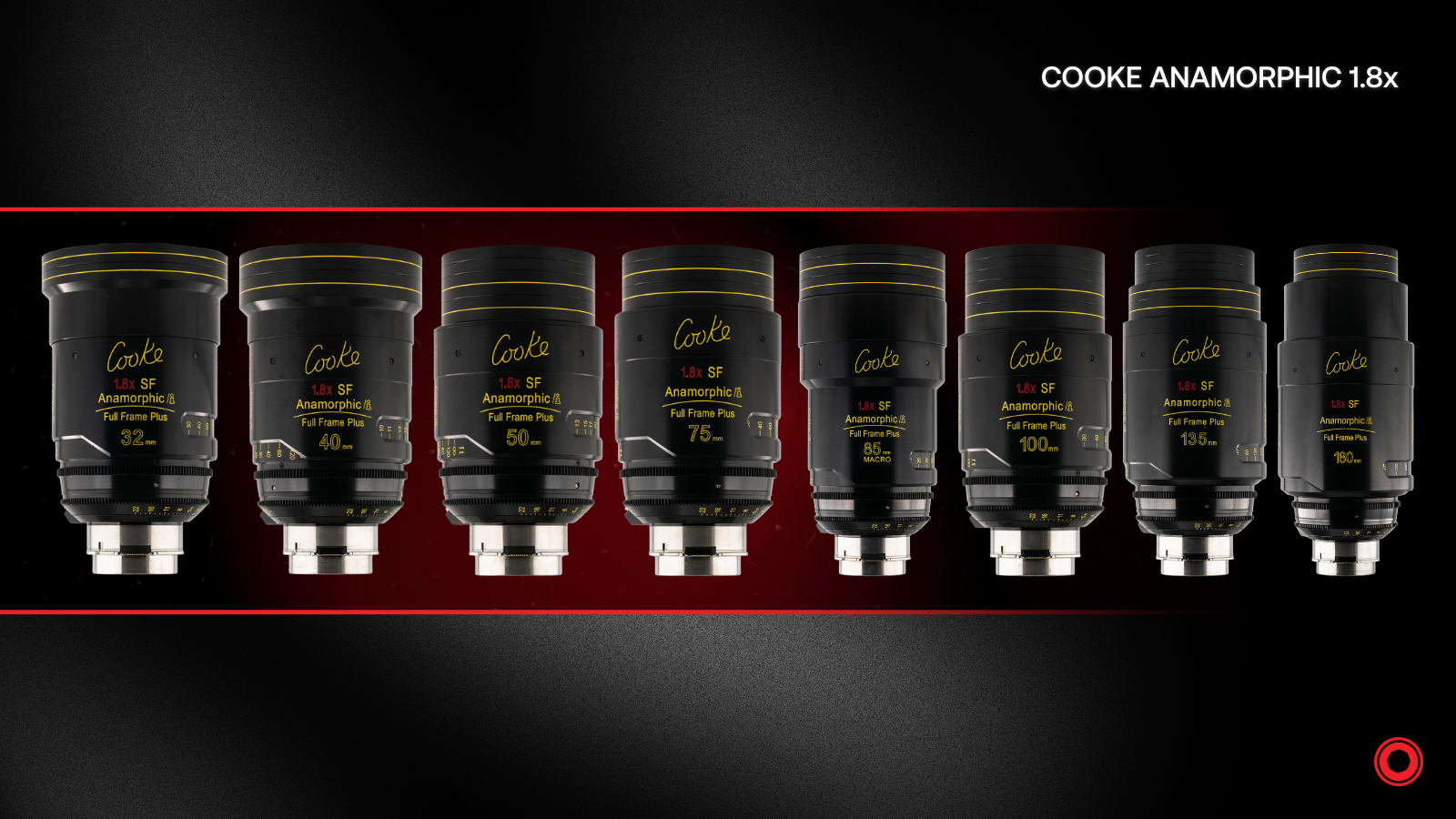
Both modern spherical lenses and modern anamorphic lenses tend to have a cleaner appearance. In contrast, vintage glass tends to have a more expressive look. For some cinematographers who need a neutral, clean look overall with the addition of something extra, cleaner anamorphics are an excellent choice. Lenses like the Cooke Anamorphic 1.8x Primes bring out a bit more character with only gentle distortion for that adds a little more subtle feeling. Additionally, the wider aspect ratio gained by anamorphic glass means less or no cropping of the sensor or film plane preserving image resolution overall. However, there are definitely situations that arise that need vivid character but anamorphic lenses are not the right fit – like a taller aspect ratio such as 1.5:1. In these scenarios, vintage spherical lenses shine. The GL Optics Asahi Takumar Primes bring vibrant and rich features without any squeeze factor.
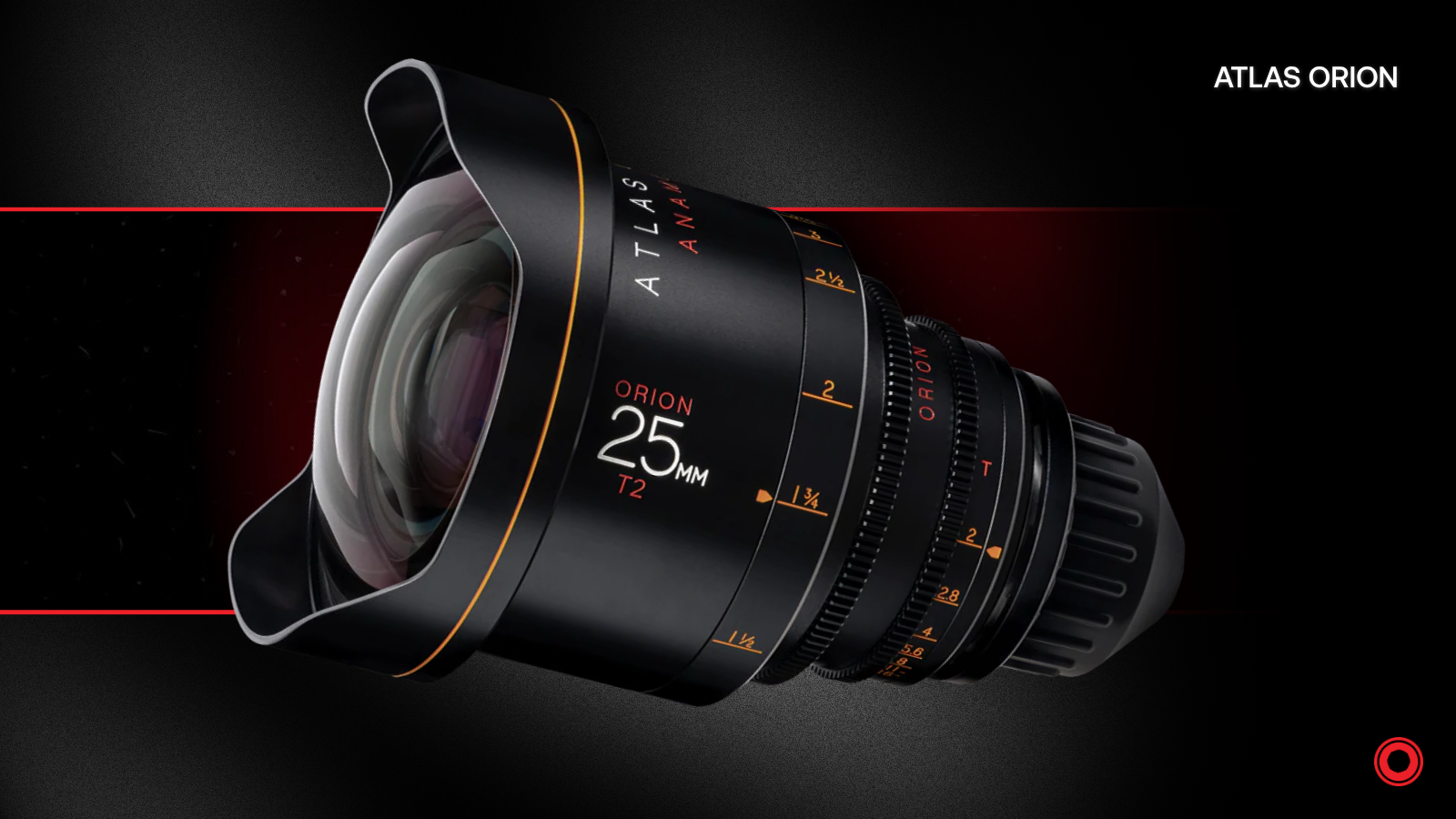
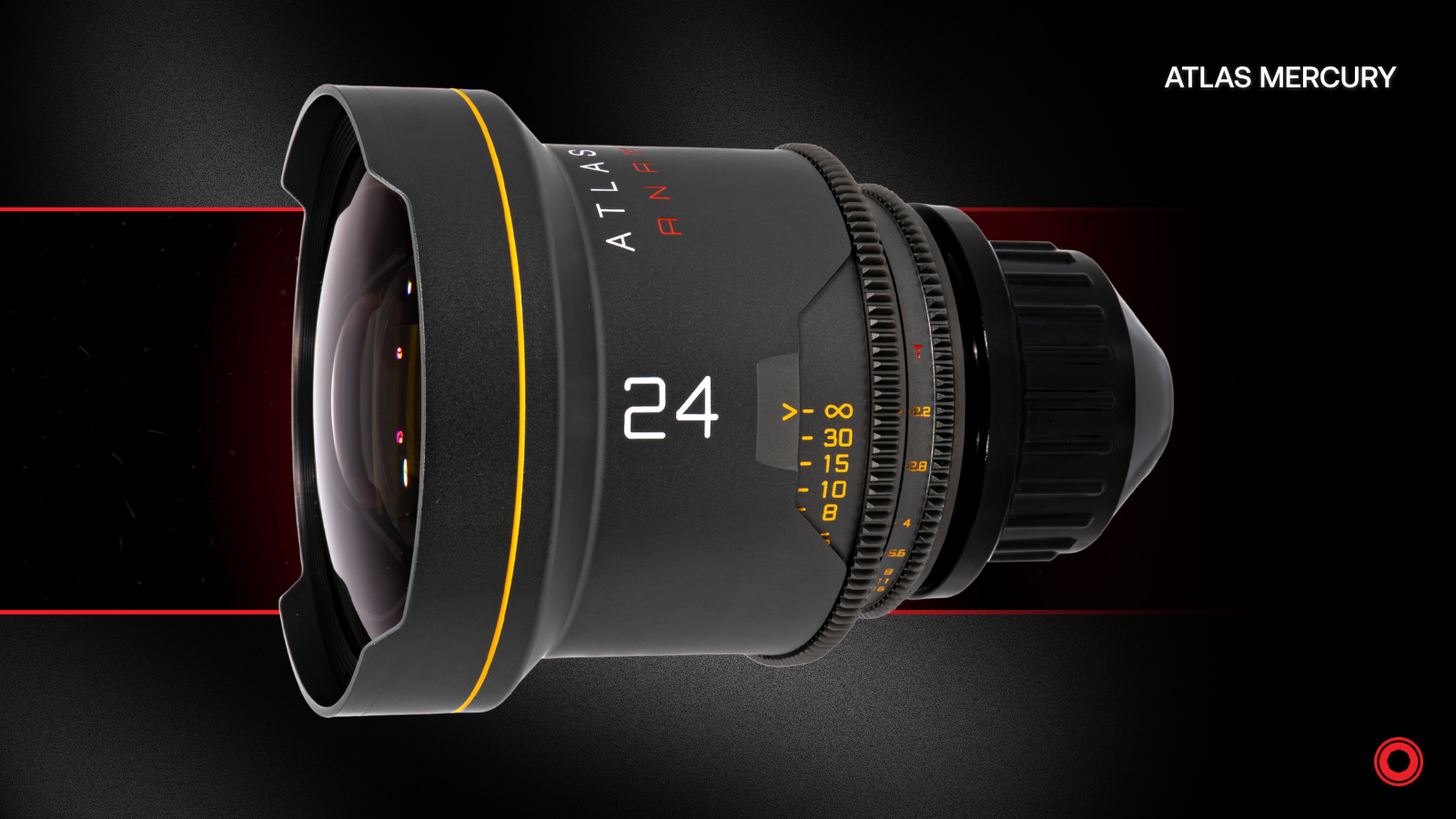
Vintage spherical glass can also be an affordable alternative to many anamorphics if optical aberrations and unique characteristics are desired. Examples include the swirly bokeh of IronGlass Soviet Rehoused Lenses, or the Ancient Optics Petzvalux. Whereas, for projects where affordability, clarity, and image resolution (i.e. limited film or digital cropping) is a concern but the classic cinematic widescreen look of anamorphic glass is needed – clean, compact modern anamorphics are a great option. For these scenarios lenses like those from Atlas such as the Atlas Orion and Atlas Mercury Anamorphics as well as the Laowa Nanomorphs are an excellent fit.
While anamorphic lenses are known for their distinctive imagery, there is a large range of strength in their distinctive look. Lenses like the TLS Lomo Round Front Anamorphics are quite expressive in comparison to the clean and subtle imagery of these Laowa Nanomorph Anamorphic primes. The same goes for spherical glass with lenses made by Leitz with lenses the Leitz Summilux-C Primes which are known for their clarity versus the TLS Canon Rangefinders dreaminess. For a cinematographer, knowing the feeling the project is trying to convey greatly helps to decide the lenses to strengthen that expression. For focused, performance-driven projects with heavy VFX, a clean and reliable spherical like these ARRI Zeiss Ultra Primes LDS are often an excellent choice. Or, for a larger-than-life poetic genre piece shooting on large format perhaps something expansive and nostalgic yet controlled and refined like the P+S Technik Technovision Primes can help elevate the image.
Form Factor
One of the many considerations that cinematographers must take into account when deciding between spherical and anamorphic lenses is the physical practicality of the lenses themselves. Of course, ergonomics are always second to the artistry of the image but definitely worth noting. Anamorphic lenses have a reputation for being long, bulky, and heavy. Much like a zoom, they can require lens supports and rods that add even more weight to the package, requiring more delicate care from the camera team which can be difficult for high-speed productions. Each focal length of the Aria Impressionism Anamorphic lenses weigh at least 6 lbs and none are shorter than 9 inches. Even the Hawk V-Lites – a modification of the Hawk V series – weigh around 5 lbs on average and 6 inches in length.
On the other hand, spherical lenses tend to be shorter, lighter, and more flexible. The legendary and groundbreaking for its time Zeiss Super Speeds made by Zeiss weigh about 2.5 lbs on average with 3-4 inches in length. These lenses have impressive optical design even 5 decades later and are frequently used on productions. However, this maxim about bulky anamorphics and compact sphericals isn’t always the case.
Lenses like these Kowa Prominar Anamorphic have incredibly tight 80mm front diameters. Furthermore, each focal length of the Kowa Cine Prominar Anamorphics measures 3 lbs and 6.5 inches or under. For a vintage lens set with a 2x squeeze this is rather impressive. Other 1.5x squeeze examples are the Laowa Nanomorphs or the Atlas Mercury. On the other end, the ARRI Zeiss Master Primes average 6 lbs and 6 inches in length with many focal lengths exceeding these sizes. Other large spherical lens examples include the ARRI Signature Primes and the Cooke S8/i Primes. All of these lenses are used on high-budget productions and well-loved by cinematographers. Knowing the size, weight, front diameter, and technical housing specifications of a lens is always something to consider.
Aspect Ratio, Image Circle, & Squeeze Factor
Spherical lenses are straightforward. They have a circular image circle with an even radius from the center. They easily cover the native 4:3 or 3:2 aspect ratios of Super 35 and Full-Frame digital cinema cameras. The aspect ratio alteration is entirely dependent on the crop factor, typically from the top and bottom. For instance, 1.85:1 – which stems from Super 35 3-Perf film – on digital cameras crops the top and bottom of the sensor a little bit but maintains the horizontal edges. Usually, the aberrations and optical characteristics of a lens are most stark on the edges of the image. When cropping top and bottom with a spherical lens, the aberrations are mostly left on only the horizontal edges.
However, anamorphic lenses bring in some complications. To put it as quickly as possible, the 2.39:1 aspect ratio cinephiles love so much comes from the 2x desqueeze of the anamorphic projection of 1.33:1 on Super 35. This was by design, to utilize the entire film plane of 4-Perf 35mm and still get a wider aspect ratio without using more film (like with VistaVision’s horizontally exposed 8-Perf film). Beloved modern examples include the Hawk V-Lite Anamorphics from Hawk, and the Atlas Orion.
This squeeze factor comes with very apparent characteristics that, unlike in spherical lenses, are much more noticeable when cropped. This makes choosing anamorphic lenses more decisive on a specific aspect ratio than with spherical lenses which have more flexibility. Anamorphic glass is designed to convert a camera’s native aspect ratio into another via the squeeze factor, so digital cropping in post-production can often alter the overall look in an unfamiliar and unpleasing way. Though, due to this issue, many modern anamorphic lenses present alternative squeeze factors to bring about different aspect ratios. Lenses such as the Caldwell Chameleon’s 1.79x squeeze or Second Reef Coral Anamorphics 1.5x squeeze utilize different squeeze factors to accommodate for this.
Same Base Glass – Spherical vs Anamorphic?
Some companies utilize their popular spherical base glass as the rear element and add the anamorphic front element to them to create new anamorphic lenses. Effectively, this brings a look cinematographers already know to an anamorphic alternative. Vintage examples of this are the Kowa Cine Prominar Spherical and Kowa Cine Prominar Anamorphics. The original Kowa Vintage R was adapted by Kowa in the early ‘70s to cinema-ready lenses – hence “Cine Prominar”. Then, Kowa decided to create an anamorphic version of these lenses which have been popular ever since. Another vintage example is from Lomo who adapted their Lomo Super Speeds to the Lomo Square Front Anamorphics.
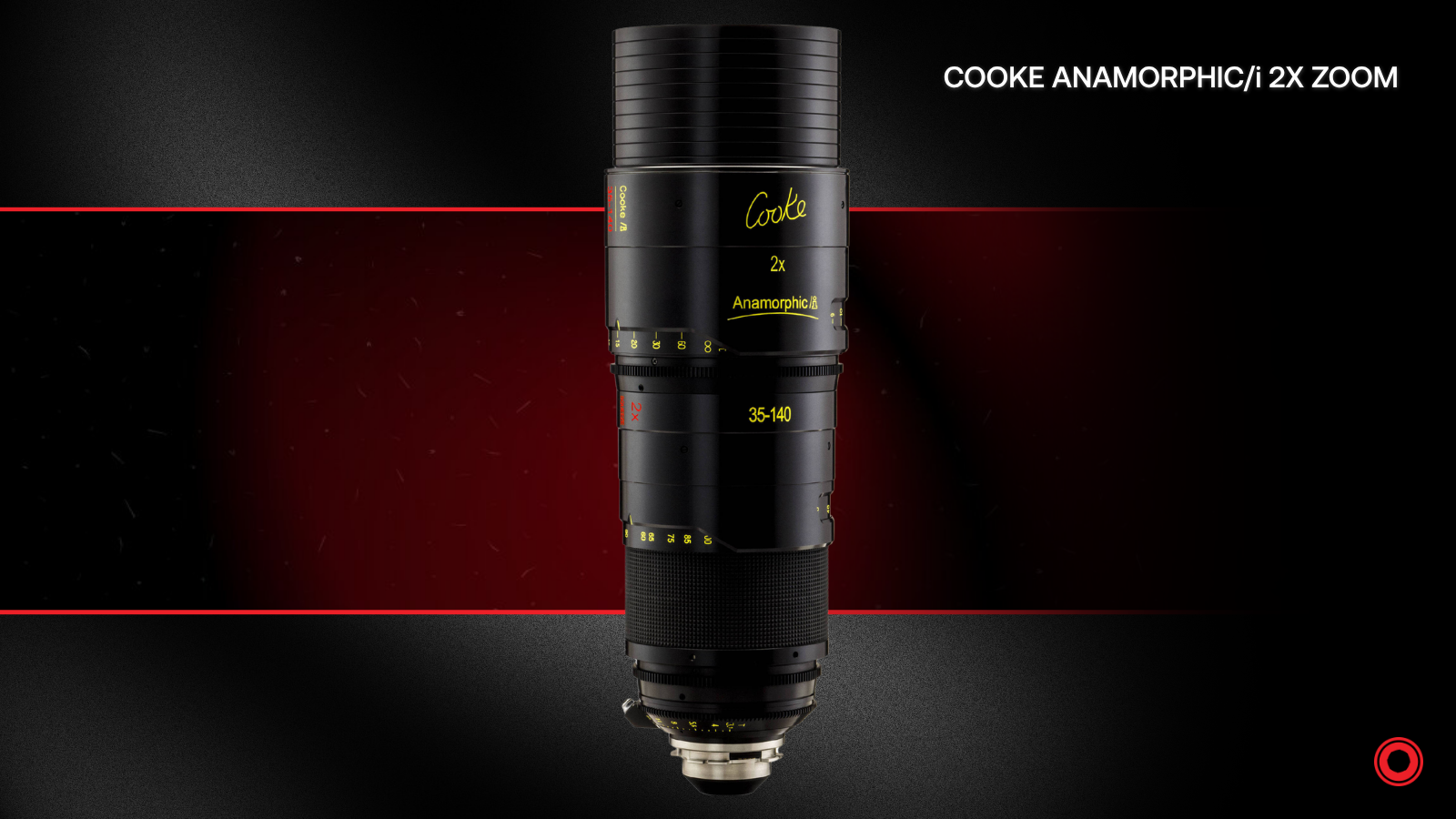
Modern examples include Cooke converting their Cooke S5/i spherical lenses into the Cooke Anamorphic 2x lenses and ARRI converting their Master Primes to the Master Anamorphics. Same base glass, but with an anamorphic front element attached. Vantage Hawk also performed this but in reverse by taking their well-trusted anamorphic lenses such as the Hawk V-Lites and instead removing the anamorphic front element to create spherical lenses like the Vantage One4 lenses.
For cinematographers who have a fondness for a certain spherical or anamorphic lens but need the opposite, or need both spherical and anamorphic for a project, knowing which spherical and anamorphic lenses have the same base is a beneficial factor when choosing a lens and a look.
Conclusion
The choice between spherical and anamorphic lenses remains one of the most defining creative decisions in shaping a project’s visual identity. Spherical lenses offer flexibility, clarity, and natural rendering, while anamorphic lenses provide wider fields of view, distinctive characteristics, and a heightened sense of scale and emotion. Ultimately, the decision depends on the needs of the story, the intended aspect ratio, and the cinematographer’s personal visual language. At Cine Visuals, all of the lenses mentioned in this article are available for rent, along with an extensive range of additional spherical and anamorphic options to explore. Each lens is maintained to the highest standard by Cine Visuals’ expert in-house technicians, ensuring consistent performance on set. These lenses are available for rental and hands-on testing at any time, giving cinematographers the opportunity to determine what best suits their project and fully understand each lens’s capabilities.