

Loading cart...

What is a PL Mount? Understanding the Industry Standard for Cinema Lenses
Cine Visuals Presents: A PL Mount Deep-Dive
Intro
There are many camera mounts across both still photography and motion picture, but there is only one that became the standard cinema lens mount. Developed by ARRI, the ARRI PL mount has become the backbone of modern cinematography, prized for its strength, precision, and universal compatibility across professional cinema lenses. Designed to securely support heavier optics while maintaining exact flange depth, it offers a level of reliability that filmmakers depend on in demanding production environments. Understanding why the PL mount became the industry standard reveals not only its technical advantages but also how it continues to shape lens design and rental workflows today.
A Brief History
Camera lens mounts exist to solve a simple but essential problem – how to securely attach interchangeable lenses to a camera body while preserving optical accuracy. From the earliest days of photography and motion pictures, mounts allowed filmmakers and photographers to swap lenses depending on focal length, speed, or visual character. Still photography systems often developed proprietary mounts optimized for portability and autofocus integration, while cinema mounts evolved to prioritize durability, repeatability, and mechanical precision. In cinema especially, where lenses are frequently changed and often much heavier, the mount must maintain perfect alignment under stress. This need for reliability is what ultimately led to the development of more robust standards like the PL mount, which could withstand the rigors of professional filmmaking while ensuring consistent image quality.
Development of the PL Mount
The PL mount, short for “Positive Lock,” was introduced by ARRI in the 1980s as an evolution of its earlier bayonet mount. The key innovation was its rotating locking ring, which allows the lens to be inserted and then securely clamped into place without rotating the lens body itself. This design dramatically improved stability, particularly for larger cinema lenses that require precise positioning for focus and zoom mechanisms. As motion picture cameras advanced from film to digital, the PL mount remained consistent, appearing on everything from classic film cameras to the ARRI Alexa series, reinforcing its role as a long-standing industry standard. It continues to dominate, supporting a vast ecosystem of lenses such as the ARRI Zeiss Master Primes, ARRI Zeiss Ultra Primes, and ARRI Zeiss Master Anamorphics.
In recent years, ARRI introduced the LPL mount, a large format evolution of the PL Mount designed to accommodate Full Frame sensors and provide improved optical performance. With this new mount they released the ARRI Signature Primes, as well as most recently a high-end compact LPL mount lens set, the ARRI Ensō Primes. This newer mount expands the possibilities of modern lenses. At the same time, certain specialized cine rehoused Japanese optics, like the TLS Canon Rangefinders, benefit from the LPL mount’s increased flange distance, demonstrating how the LPL mount design can unlock unique creative tools while still coexisting with the established PL standard.
PL Mount for Cine Lenses
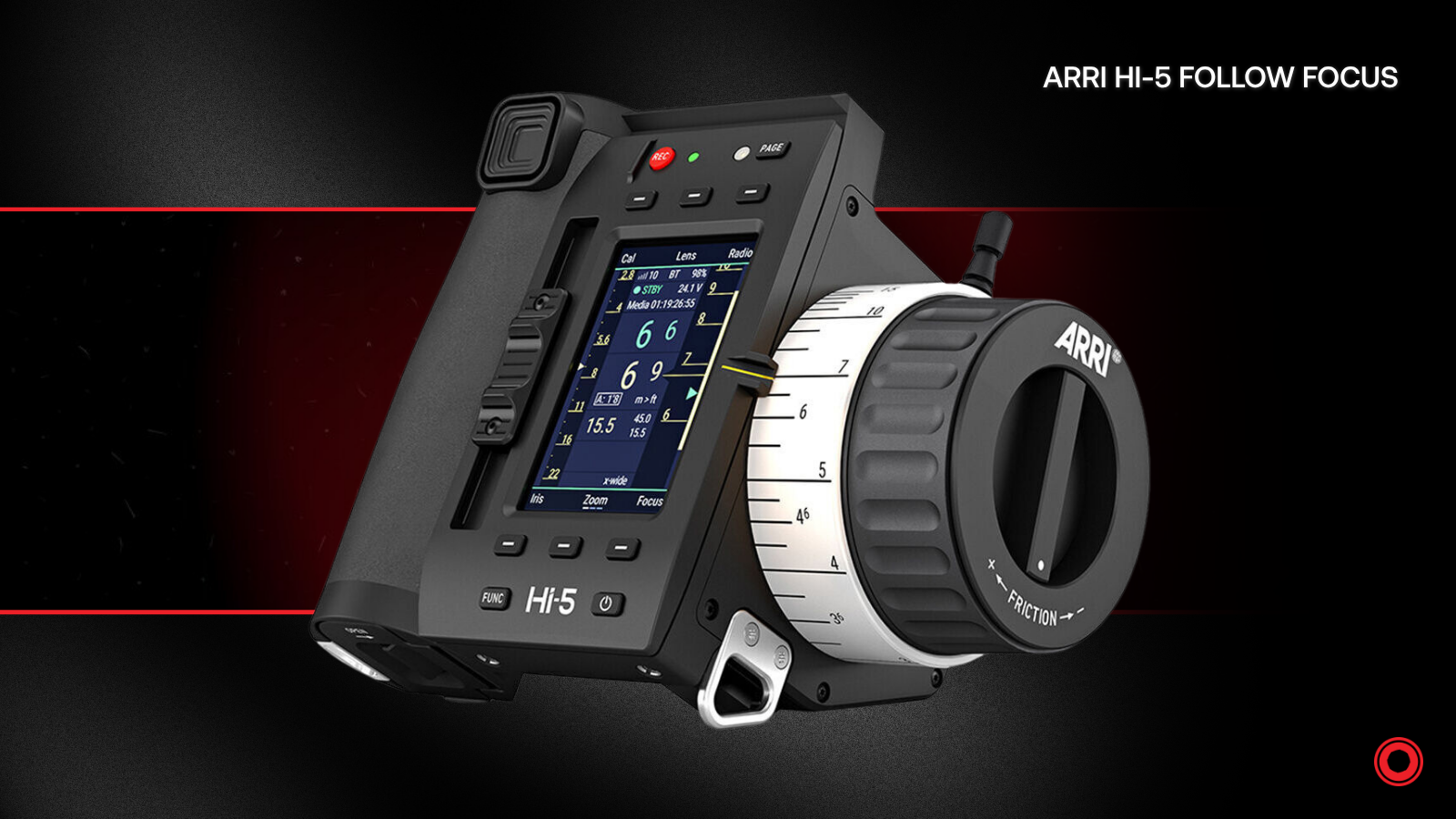
The widespread adoption of the PL mount across cinema lenses is rooted in its engineering. The positive locking mechanism ensures that the lens remains firmly seated against the camera, eliminating play or wobble that could otherwise affect focus accuracy or introduce unwanted movement during operation. The mount’s flange focal distance is carefully standardized, allowing lenses from different manufacturers to perform consistently across compatible camera systems. This reliability is especially important for productions using follow focus systems, remote motors, and matte boxes, where even slight instability could compromise a shot.
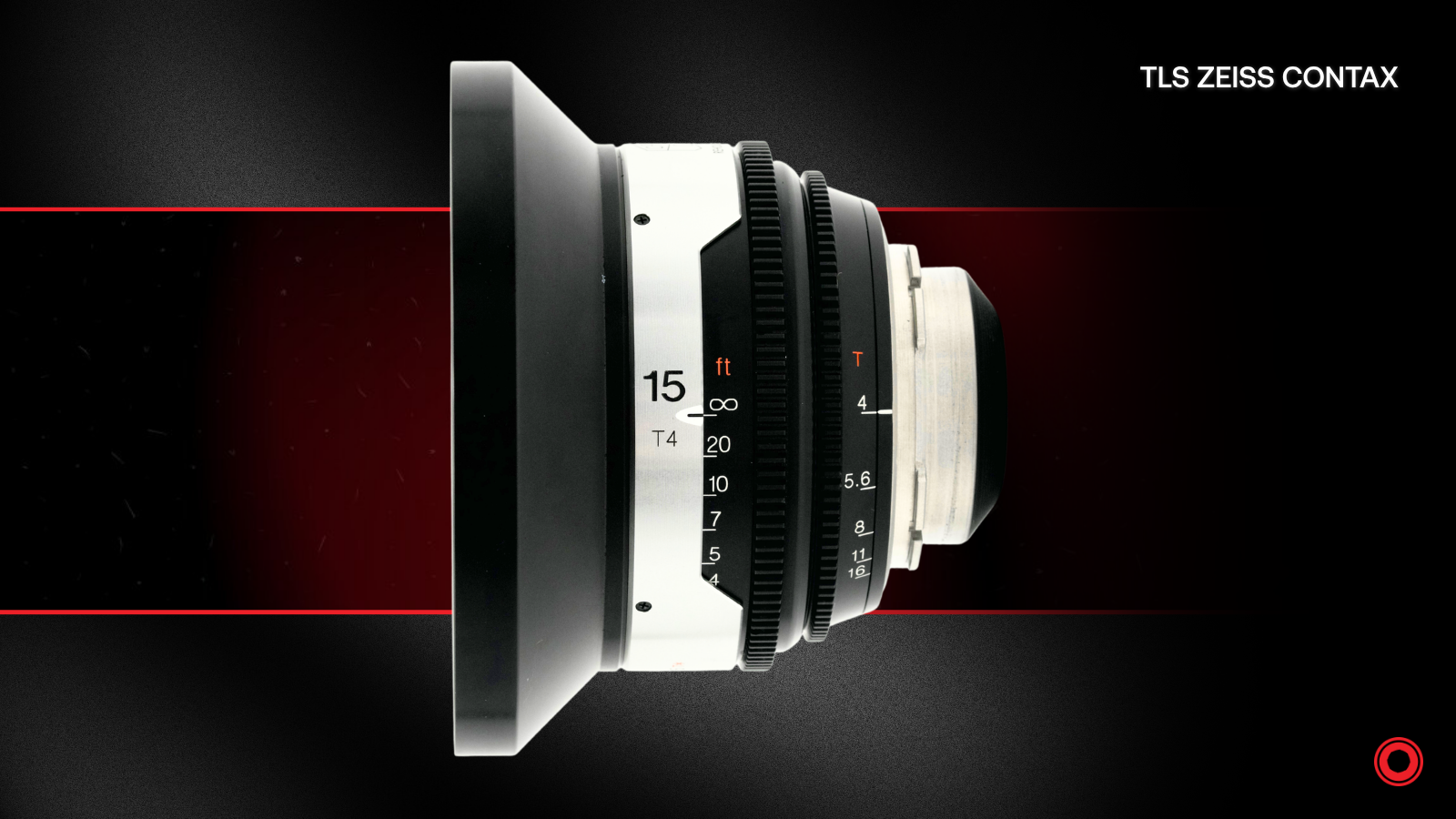
From these advantages, many lens rehousing companies have built their businesses around converting vintage or still photography lenses into PL mount cinema lenses such as TLS, Zero-Optik, and GL Optics. By rehousing older optics into robust cinema housings with PL mounts, these companies enable filmmakers to access unique visual characteristics while maintaining professional usability. TLS Canon K35, Zero Optik Olympus OM, and Lomo Super Speeds are all among the lenses that benefit from these PL Mount rehousings. This adaptability has further strengthened the PL mount’s position, as it bridges the gap between classic glass and contemporary production demands.
PL Mount as the Gold Standard
Despite its dominance, the PL mount is not the only system in use. Panavision, for example, continues to use its proprietary PV mount for its exclusive lens ecosystem. Meanwhile, the rise of mirrorless cameras has led to increased interest in EF and RF mount cinema lenses, particularly for smaller-scale productions. Even so, major camera manufacturers recognize the importance of PL compatibility. For instance, the new Fujifilm GFX Eterna 55 cinema camera may feature proprietary mounts, but they are often paired with PL mount adaptors to ensure access to the industry’s vast library of lenses. Cameras like the Sony Venice, Venice 2, and Burano all utilize a PL mount adaptor that allows PL Mount lenses to pair with their proprietary mounts.
A PL mount adaptor serves as a bridge between different mount systems, allowing lenses designed for one mount to be used on a camera with another. These adaptors are engineered with extreme precision to maintain the correct flange distance and alignment, ensuring that optical performance is not compromised. In addition to adaptors, PL mount expanders and speed boosters offer further flexibility by altering the effective focal length or image circle of a lens. Specifically, this Atlas PL 1.4x expander enlarges the image to convert from Super 35 to Full Frame, enabling cinematographers to adapt lenses for different sensor sizes or achieve specific visual effects.
The universality of the PL mount is also reflected in the wide range of manufacturers that support it. Lens makers across the industry design their optics with PL compatibility in mind. Cooke has long embraced the PL Mount with examples like the Cooke S4/i Primes. Hawk, a modern German anamorphic lens crafter with early 21st century vintage-inspired squeeze optics like the Hawk V-Lite anamorphics, are another example. Fujinon, a Japanese industry staple camera and lens inventor with their beloved variable focal length optical designs like the Fujinon Duvo Zooms, are also an example. This cross-brand consistency allows cinematographers to mix and match lenses with different cine camera brands based on the needs of a project without worrying about compatibility issues. It also simplifies the rental process, as production teams can confidently build lens packages knowing that PL mount lenses will integrate seamlessly with most professional camera systems.
Conclusion
The ARRI PL mount remains the defining standard for cinema lenses because of its durability, precision, and unmatched compatibility across decades of filmmaking technology. From its origins in the 1980s to its continued relevance alongside newer systems like LPL, it has enabled a vast ecosystem of lenses, adaptors, and creative tools to flourish. Its role in supporting everything from vintage rehoused optics to cutting-edge cinema glass underscores its importance in both the technical and artistic sides of filmmaking.