

Loading cart...

Macro vs. Probe: How to Choose the Right Tool for Your Shoot
Cine Visuals Presents: A Macro vs. Probe Lens Deep-Dive
Intro
Close-up cinematography has evolved into one of the most expressive visual languages in modern filmmaking, and choosing the right tool whether that be macro, probe, or periscope can define how an audience experiences scale, texture, and space. Macro lenses are designed for true close-focus reproduction and shallow depth-of-field. Probe lenses extend the camera physically into environments with a wide-angle, deep-focus perspective. Meanwhile, a periscope system builds on that idea with articulated viewing angles and relay optics for even greater placement flexibility. The right choice ultimately depends on whether the project prioritizes optical precision, immersive perspective, or physical accessibility into tight or complex environments. In practice, the decision is less about which system is better and more about which perspective best serves the creative intent. With that in mind, exploring the origins and applications of close-up cinematography reveals why each of these tools exists and where they excel.
Close-Up Cinematography
Close-up cinematography exists because filmmakers have always sought to reveal what the human eye cannot naturally perceive, whether that be the texture of a product, the intricacies of a miniature world, or the subtle emotional detail in a human face. In tabletop cinematography – particularly in advertising – this pursuit becomes highly technical, with carefully controlled lighting, motion-control rigs, and precision optics used to make everyday objects feel monumental. Historically, innovations like the periscope lens system emerged to solve very specific challenges, such as capturing insects in their natural environments while maintaining deep focus from foreground to background. At the same time, traditional macro lenses evolved to provide high-magnification imagery for inserts, beauty work, and narrative detail, while probe systems were developed to physically place the lens inside environments that would otherwise be inaccessible. These parallel innovations all stem from the same goal of controlling perspective, scale, and focus in ways that expand the visual language of cinema, leading naturally into how each system differs in practice.
Macro vs Probe – When Should I Use Which?
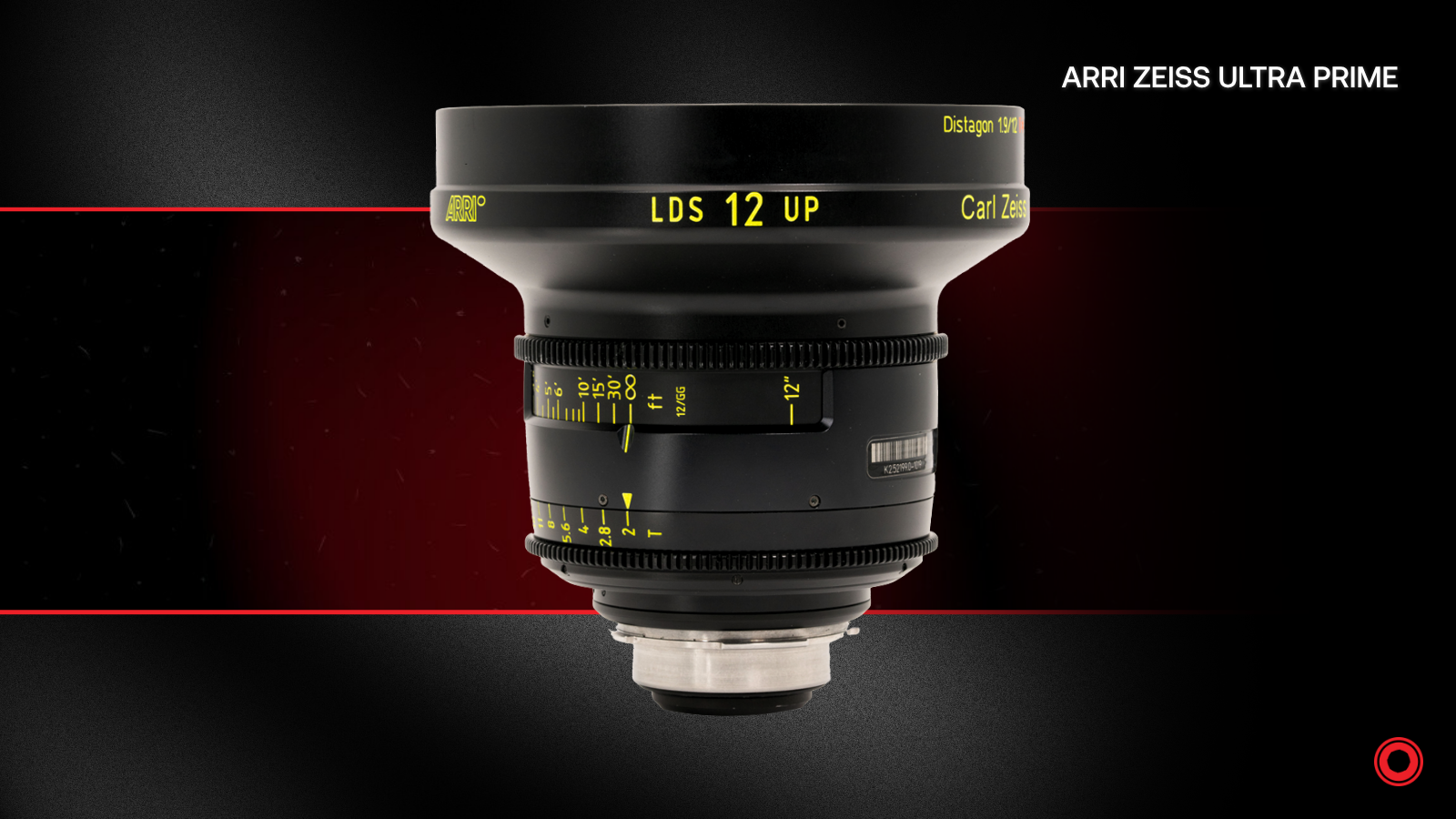
Macro lenses and probe lenses may both operate in the realm of close-up cinematography, but they fundamentally approach the image in different ways. Developments such as the ARRI Macro Primes or the IB/E Raptor APO Macro all contributed to the evolution of macro lenses. These lenses are designed to reproduce subjects at life-size magnification or greater, with an emphasis on optical precision, shallow depth of field, and natural perspective. They excel in beauty work, product inserts, and narrative close-ups where detail, texture, and controlled focus falloff are critical. The ARRI Zeiss Macro Primes bring a refined, consistent rendering rooted in Zeiss optical science, while the IB/E Raptor APO Macros push technical performance further with apochromatic correction, delivering pristine clarity and minimal color fringing even under extreme magnification.
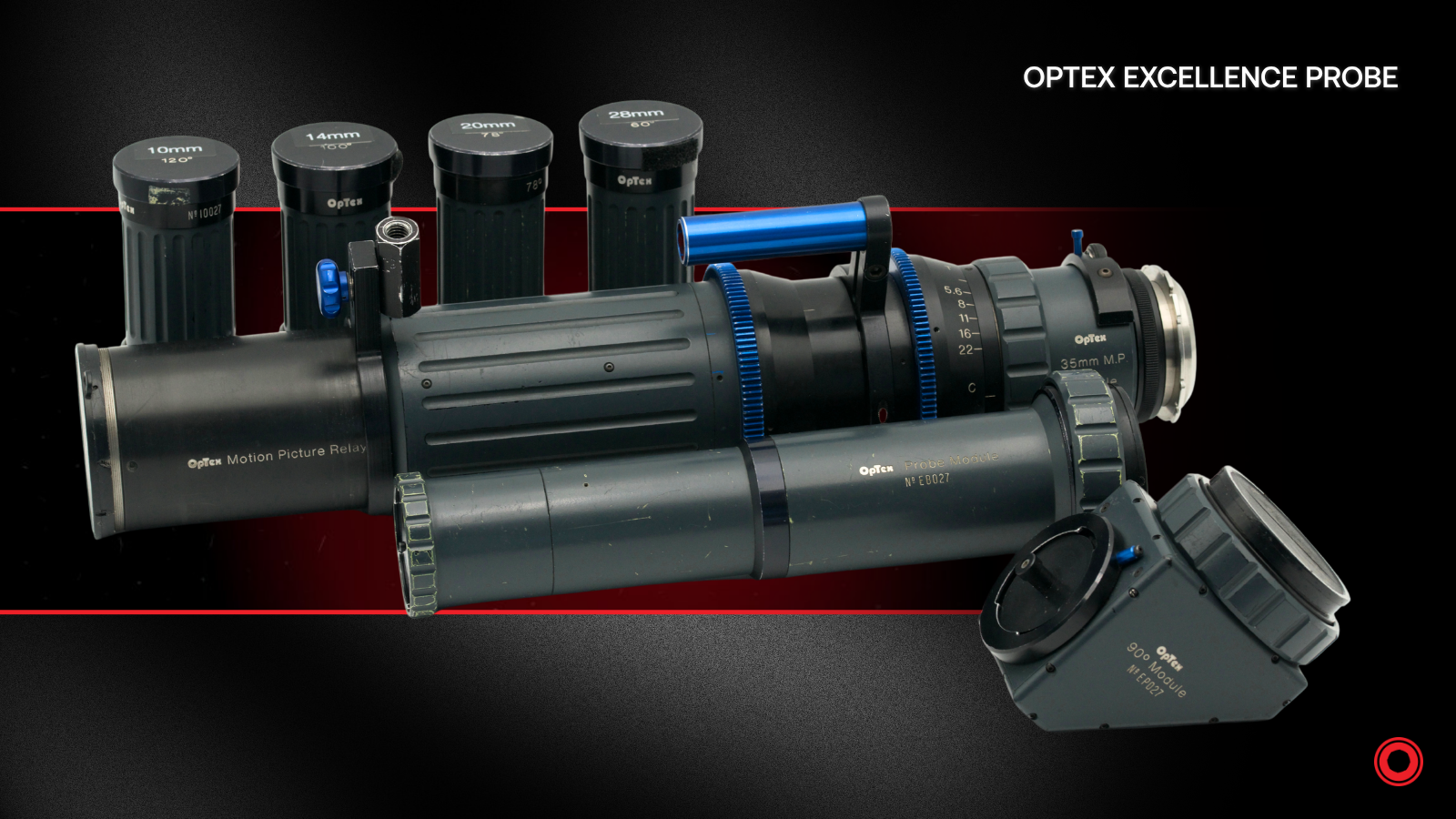
Probe lenses, by contrast, are less about isolating a subject and more about placing the viewer inside a space. China has become a major hub for probe lens technological development. Both Laowa and DZO lenses have contributed greatly to this type of optical advancements. Tools like the DZO X-Tract Probe Zoom, Laowa Pro2be, and Laowa Probe Zooms use long, narrow barrels and wide-angle optics to achieve deep focus while physically entering tight environments. The result is a perspective that feels immersive and dimensional, where foreground elements loom large and backgrounds remain visible. The addition of zoom capability in the DZO X-Tract and the Laowa Probe Zooms, an evolution of the Laowa Pro2be, introduces a new level of flexibility, allowing cinematographers to reframe without moving the camera – an invaluable advantage in delicate tabletop builds. Ultimately, macro lenses are the choice when optical fidelity and subject isolation are paramount, while probe lenses excel when perspective, movement, and environmental context drive the shot.
Periscope vs Probe – What’s the Difference?
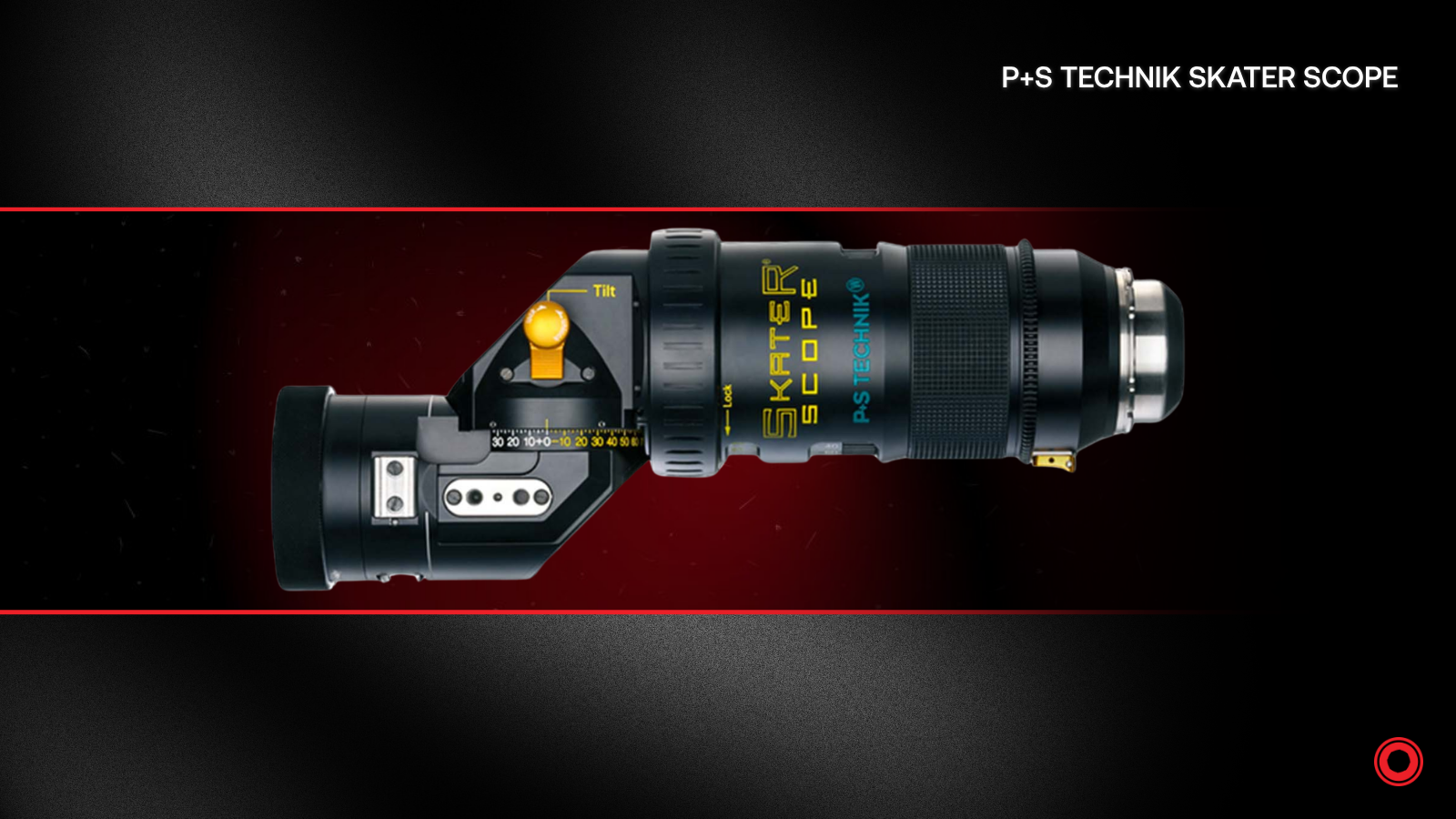
Periscope systems take the core concept of probe lenses and expand it through the use of relay optics and articulated viewing angles. Engineering from Europe has led to the P+S Technik Skater Scope as well as the IB/E Raptor Scope. These systems allow cinematographers to not only enter tight spaces but also change the viewing direction without moving the camera body. This added level of control makes them particularly valuable in complex builds, motion-control setups, and dynamic shots where repositioning the entire camera would be impractical.
Compared to probe lenses like the DZO X-Tract Probe Zoom and Laowa Probe, periscope systems are often more modular and mechanically sophisticated. The IB/E Raptor Scope, for example, integrates perfectly with the Raptor Prime ecosystem, maintaining the high optical fidelity and apochromatic precision of those lenses while extending their reach into periscope-style configurations. The Skater Scope, on the other hand, emphasizes movement and fluidity, allowing the lens to glide through environments with a distinctive, kinetic perspective. Probe lenses remain more compact and self-contained, making them faster to deploy and easier to integrate into smaller setups, while periscope systems offer greater creative control and flexibility in camera placement. Choosing between them depends on whether the shot demands simplicity and speed or maximum control over perspective and movement.
Macro vs Periscope – Precision vs Perspective
Macro lenses and periscope systems represent two ends of the close-up cinematography spectrum. One grounded in optical precision, the other in spatial exploration. Macro lenses like the ARRI Zeiss Macro Primes and IB/E Raptor APO Macro Primes are unmatched when the goal is to render fine detail with clarity and control, particularly in beauty, tabletop, and narrative inserts where the subject must feel tangible and refined. Periscope systems such as the IB/E Raptor Scope and P+S Technik Skater Scope, by contrast, transform the relationship between camera and subject, enabling perspectives that would otherwise be physically impossible.
In practice, these tools often complement rather than compete with each other. A production might use macro lenses to capture pristine detail shots and then transition to a periscope system to move through the environment, creating a sense of scale and immersion. When combined, a macro lens on a periscope, the filmmaker is able to achieve both advantages by bringing the audience into the space with a close focus clarity. However, there are also scenarios where one clearly outperforms the other. Macro lenses are better suited for controlled, static compositions where focus and rendering are paramount, while periscope systems excel in dynamic, exploratory shots where the camera must navigate space in unconventional ways. Understanding how these tools can work together allows cinematographers to build a visual language that is both precise and immersive.
Conclusion
Choosing between macro, probe, and periscope systems ultimately comes down to understanding the visual language each tool creates and how it serves the story. Macro lenses provide unmatched precision and detail, probe lenses offer immersive perspective within confined spaces, and periscope systems expand that perspective with dynamic control and movement. Each of the systems explored from the ARRI Zeiss Macro Primes and IB/E Raptor APO Macros to the DZO X-Tract, Laowa Probes, and advanced periscope solutions like the Raptor Scope and Skater Scope brings its own strengths to modern cinematography. When used thoughtfully, they do not compete but rather complement one another, allowing filmmakers to move seamlessly between detail and environment. Whether the goal is refined product imagery or bold, exploratory camera movement, these tools open creative possibilities that continue to define contemporary visual storytelling, all of which are readily accessible through the curated rental offerings at Cine Visuals.