

Loading cart...

What are Rehoused Cine Lenses? A Cinematographer’s Guide
Cine Visuals Presents: A Rehoused Cinema Lens Deep-Dive
Intro
A rehoused cine lens is a vintage optical design derived from older cinema or still photography glass rebuilt into a modern housing that meets today’s production standards. This process preserves the unique character, imperfections, and rendering of legacy lenses while upgrading their mechanics for compatibility with contemporary filmmaking tools and workflows. In essence, rehoused lenses bridge the gap between the artistry of vintage optics and the precision and usability required on modern sets.
The optics industry has long aimed to produce sharper, faster images, historically balancing quality with affordability due to technical and cost limitations. With the rise of VFX and Super 35mm in the late 20th century, there was a strong shift toward highly sharp spherical lenses. This trend continued for decades, prioritizing precision and clarity. However, in the 2010s, cinematographers began rejecting the perceived clinical look of digital paired with modern lenses, turning instead to vintage optics to reintroduce character and artistic imperfection into their work.
Choosing Vintage Glass
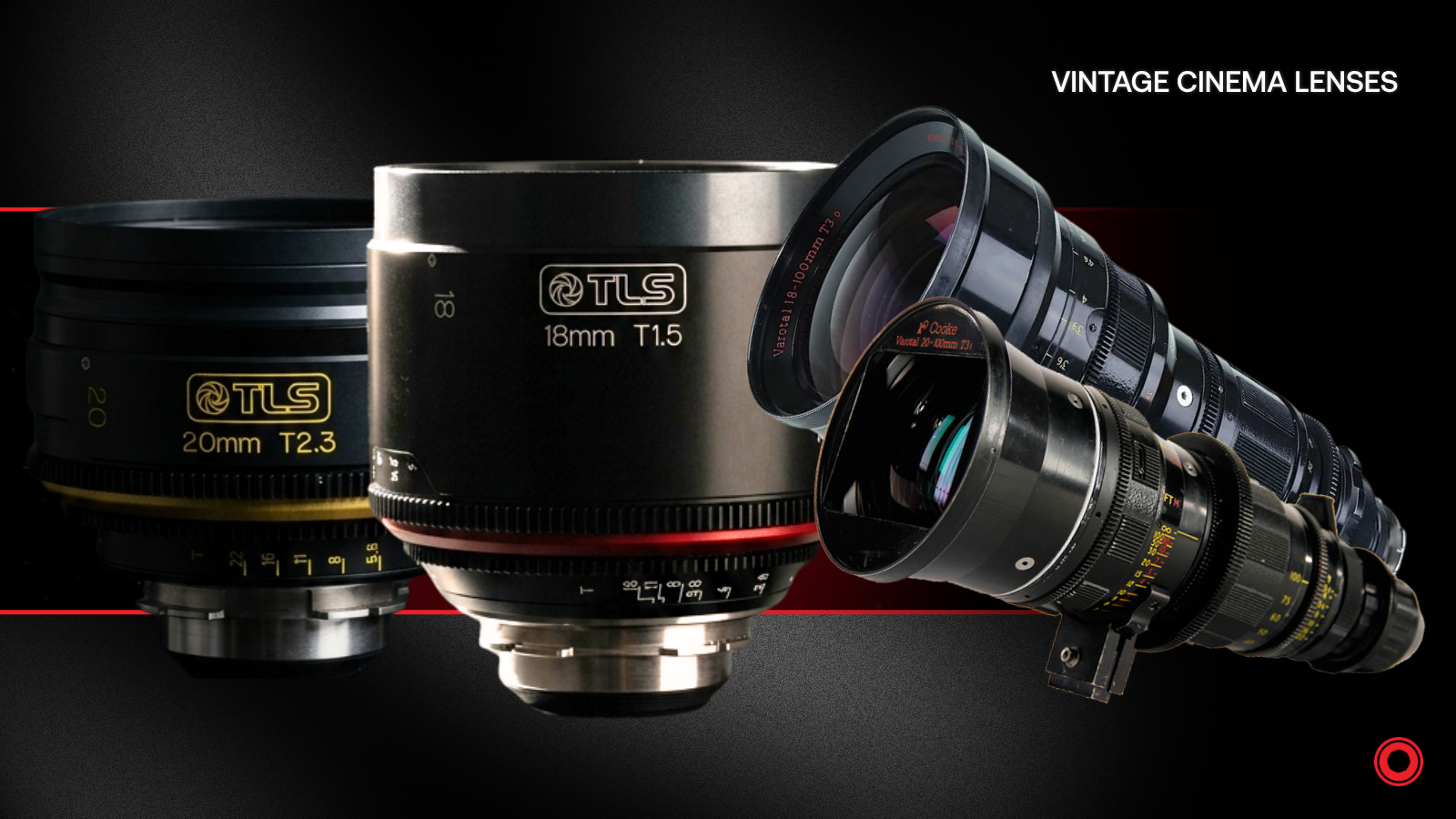
Cinematographers know that every lens choice is project dependent. Not all projects need expressive character while others would suffer from a sharp rendering. So what lens to choose for which project is one of the weighing questions cinematographers must grapple with in pre-production. Essentially, vintage lenses are old motion picture optics from a simpler and yet arcane era of filmmaking. But these very aberrations bring the qualities of lower contrast, expressive flares, softer rendition, chromatic and comatic aberration that make so many filmmakers drawn to them. For many cinematographers, they feel these imperfections bring back a feeling of organic human thought to a format that has been so refined optically and digitally. Vintage lenses offer interesting and unique qualities such as irregular shapes like the triangular bokeh of the Zeiss B-Speeds, the creamy texture of Canon FD glass, or the soft, dreaminess of the Minolta Rokkors. These varied looks offer different imagery for different feelings for different projects.
Why Choose One Vintage Lens Over Another
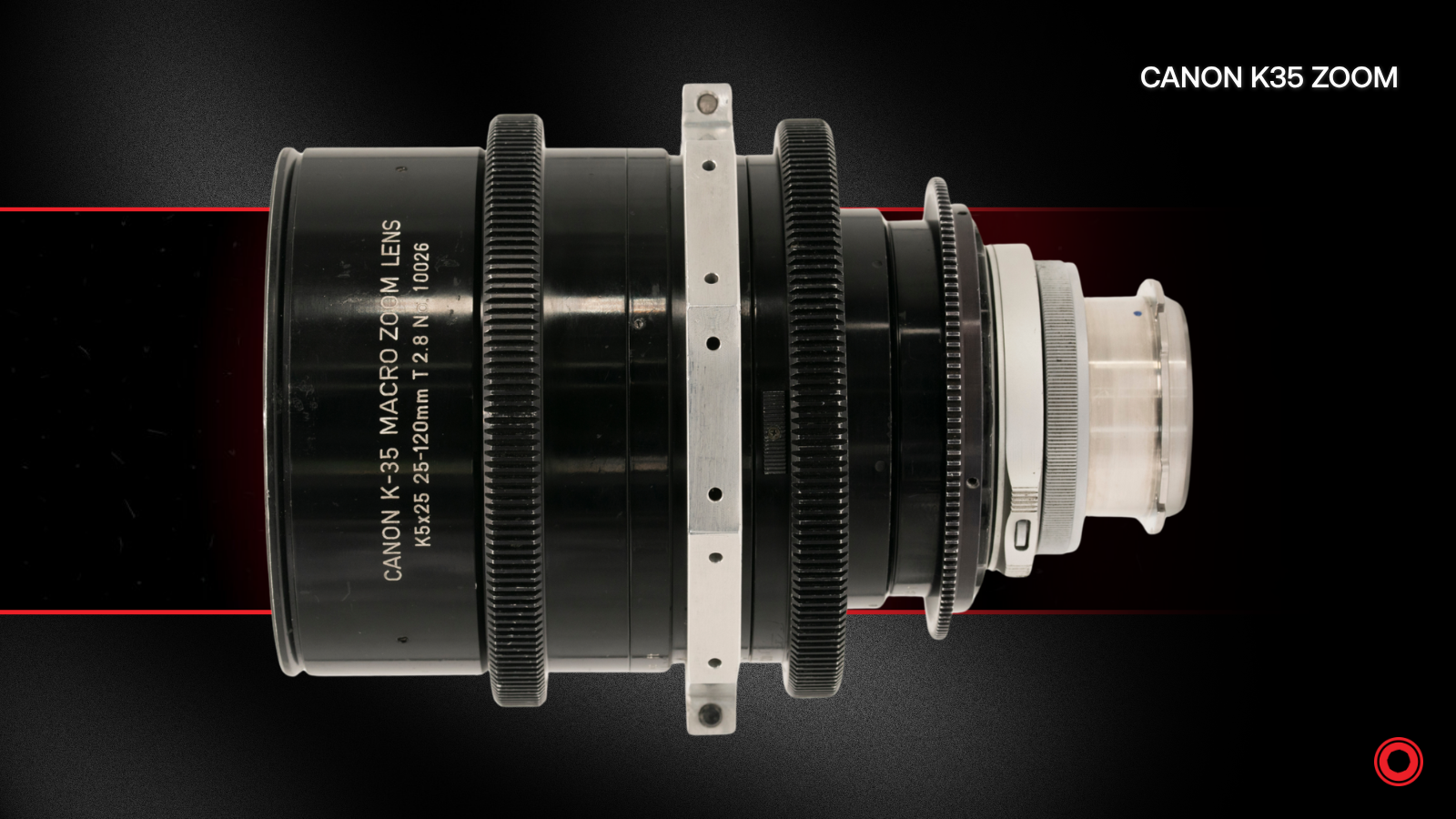
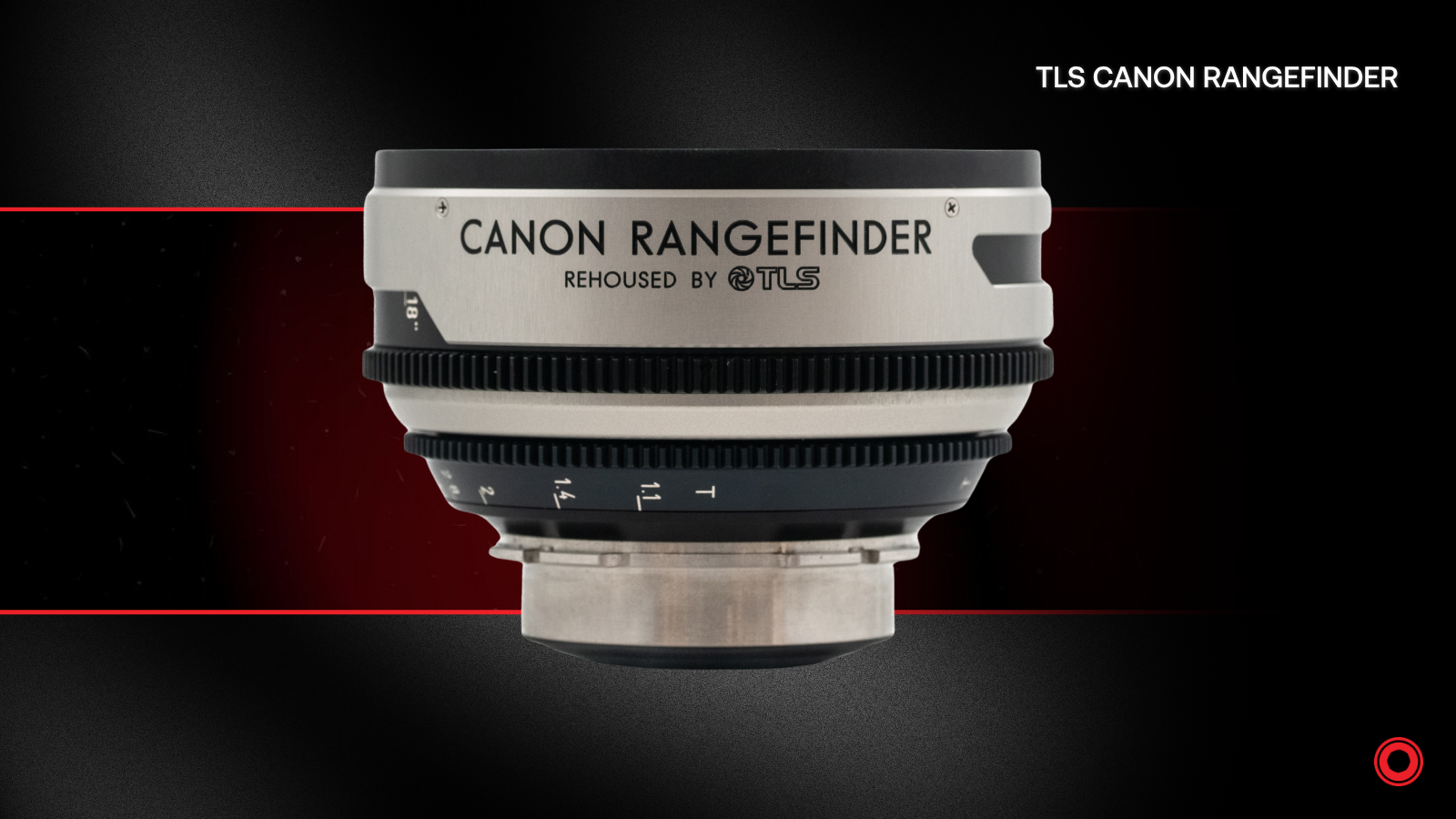
After over a century of filmmaking, and over a decade of focused rehousing projects, there is a wide array of vintage lenses to choose from. A project that needs an overall nostalgic feeling with a golden appearance and smooth skin tones might choose the Canon Rangefinders. A heavenly glow emanates that makes the world feel dreamy and light with bubbly bokeh. These lenses use a single-layered coating that brings out golden expressive flares giving it the “Canon Dream Lens” nickname.
Whereas, the Helios lenses from the Soviet era have a mixture of optics that bring intense comatic aberration that many describe as “swirly bokeh”. These IronGlass MKII Soviet Rehoused lenses have far less halation to them and subjects, with very strong focus falloff. With the strong swirly bokeh and center-sharpness, these lenses work well with photographing subjects or situations that are center heavy as the nature of the lens creates a frame that pulls the eye to the center.
Or, another example are the TLS Zeiss Contax Primes. These lenses were the still photography lenses from which the famous Super Speeds found their base. With the brilliant blue flares Zeiss is known for, fast apertures, gentle focus falloff, and smooth skin tones these lenses offer a gentle and organic character that still feels controlled all while covering Full-Frame sensors. Plus, with TLS’ high quality rehousing, they become up to speed for modern day workflows. Those who treasure the balanced and flexible but soft and organic character of the Zeiss Super Speeds but need large format now don’t have to compromise on lens choice. Something not possible without the cine rehousing.
Comparing these to a modern lens, take the ARRI Zeiss Master Prime, considered the most perfect cinema lens ever created on a strictly technical level. Their rectilinear capture of the world brings every corner of the frame into precise control with little to no focus falloff. Flares are neutral, controlled, and the presentation of the world is clear. These lenses shine for cinematographers who need a trusted brush that creates a neutral world the same way every time from which they can build. However, they would never naturally provide the smooth dreaminess of the Rangefinders, the textured bokeh of the IronGlass Soviet lenses, or gentle organic flare of the Contax. Each lens has something to offer and often rehoused vintage lenses provide all the ergonomic advantages of the modern era coupled with their unique and artistic way of capturing the world.
Rehousing – What is it?
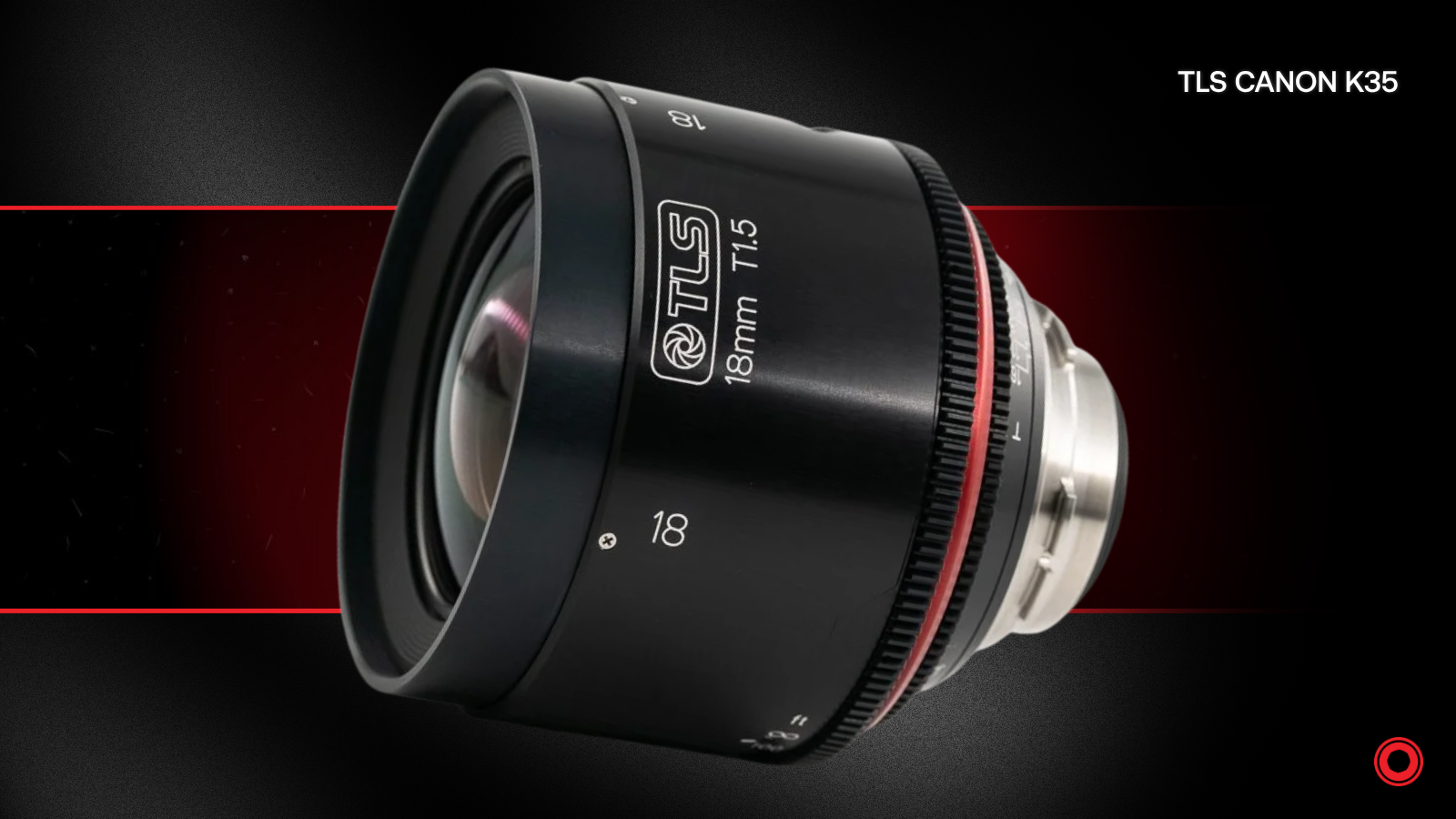
Lens manufacturers continuously evolve designs to meet the current production workflows which, in many cases, left vintage lenses on the shelves. Renewed demand for their artistic qualities led engineers to rehouse them in modern, production-ready designs. An example are these hugely classic New Hollywood lenses, the TLS Super Baltar. Loving the Bausch & Lomb Super Baltar Lenses, a group of lens techs in London formed who became obsessed with the idea of bringing these types of legendary but neglected lenses back to life. Naming themselves True Lens Services, or TLS for short, they brought the Super Baltars into modern high-quality housings. Since their founding, this UK-based rehousing company has remastered a wide swath of vintage lenses, with a large selection available here at Cine Visuals. That selection includes the legendary TLS Canon K35 lenses which have exploded in popularity.
Another company that has formed with this motive is GL Optics from Shenzhen, China. Looking for other classic lenses, GL Optics found the Lomo Super Speeds. Designed to be a high-quality affordable alternative to Western glass for Soviet filmmakers, the Lomo Super Speeds were born. GL Optics has brought them new life with modern housings, bringing the legacy of the mid-late Soviet era of cinema to the art of modern filmmaking.
The power of rehousing has also brought vintage still photography lenses to the world of modern cinema. Such examples are Olympus OM lenses with their expressive flares and warm imagery. Zerø Optik – a premier cinema lens rehouser based in Los Angeles – brought the Olympus OM lenses to modern day motion picture with their expert housing designs.
Rehoused lenses bring modernization to vintage glass. They build a bridge for cinematographers between the artistry of legacy filmmaking and the demands of present-day productions.