
Loading cart...

Asahi Takumar: Painterly Optics in Honor of Takuma Kajiwara
GL Optics, Pentax, and Cine Visuals Present: Asahi Takumar Primes
Cinematic Heritage
In the late 19th and early 20th century, Japanese industry was on an explosive rise. The Asahi Optical Company was founded in 1919 by Kumao Kajiwara (the predecessor to Pentax), originally focusing on eyeglasses and later breaking into making optical components for other companies. Asahi means “rising sun” or “morning sun” in Japanese and is associated with a multitude of ideas, brands, and is even a given name. The feeling often is associated with both the ideas of hope and growth. By the 1950s, Asahi had in fact grown immensely and Kumao Kajiwara took his optical designs to the next level: photography.
His previous optical designs had been focused on precision and clarity, but this time he wanted to bring a creative spark to the glass. Looking for inspiration, he turned to his artistic younger brother who had become a well-renown painter, Takuma Kajiwara. Naturally, he named his lenses after his brother, which would become the legendary Takumars. Kumao Kajiwara hoped to invoke the feeling of artistry as the brand identity by associating the lenses with his younger brother, letting people know that was the intent in their creation.
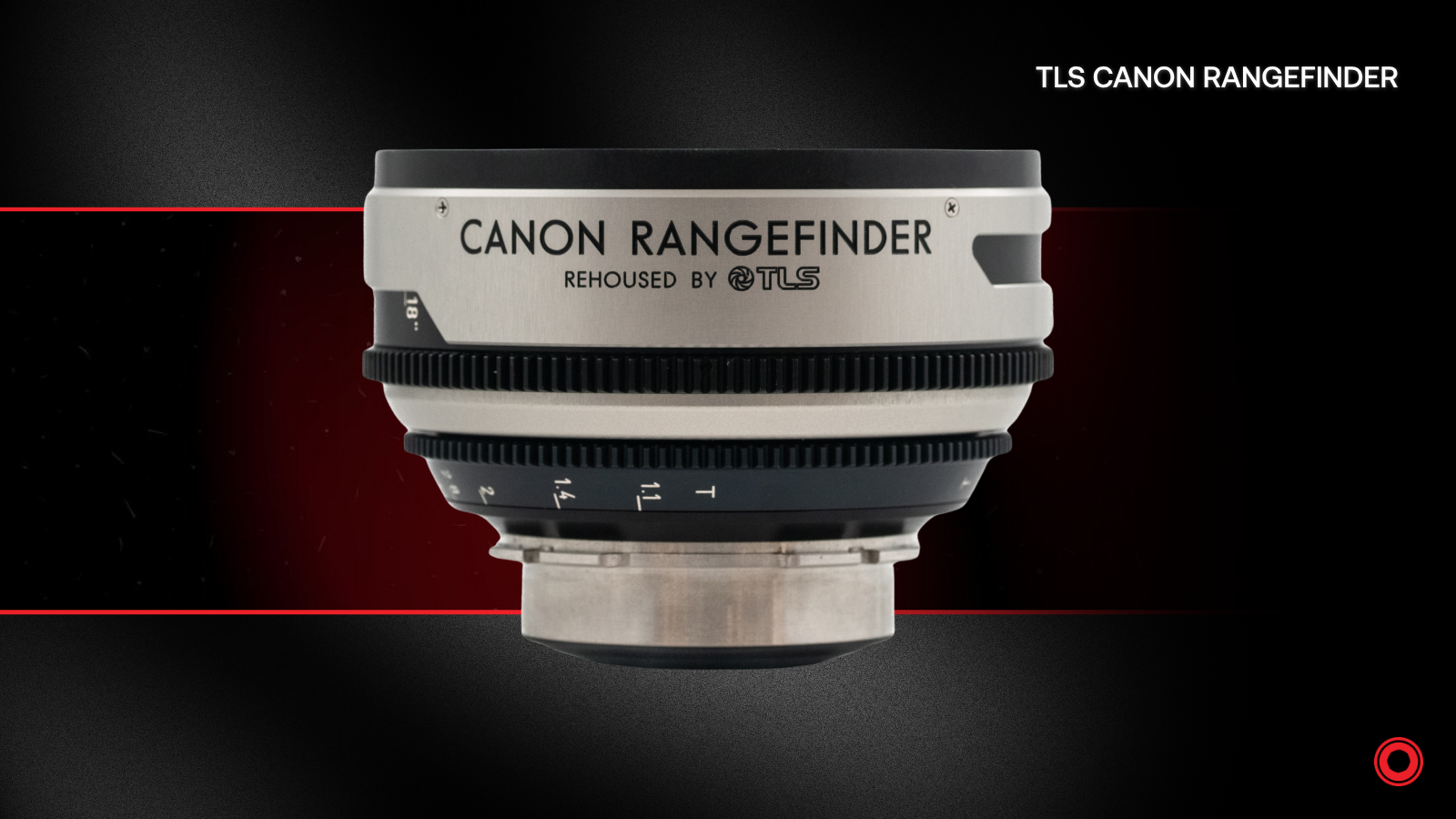
Original Takumars had simple and easily replicable anti-reflective coatings, which were not necessarily new at this period but were streamlined. However, by the late 1950s the implementation of the M42 screw mount to the Takumars – later known as the Pentax screw mount – made the Takumars widely accessible to 35mm SLRs. At this point, their popularity exploded. However, what really made the Takumars become so special was yet to come. At a time when most lenses used simple single coatings, Asahi leaned into experimentation with coatings to configure new beautiful optical qualities. The Super Takumars were released with newly concocted single-layer coatings that would establish the classic Takumar look that people associate with them. By 1971, the Super Multi-Coated Takumars were released with seven-layered coatings. This increased light transmission up to 8% more and controlled flaring without reducing the quality. Sometimes thought of as a lens in-between the classic worlds of Canon Rangefinders and Cooke Panchros and the slightly more modern era of Canon K35/FDs and Olympus OM Zuikos. A careful balance between the dreaminess of the Canon Rangefinders and the old single-layered coatings and the more modern, cleaner looks of lenses from the later ‘70s and ‘80s. The Super Takumars, with their impressive balance of beauty and control, would often be dubbed “the Zeiss Killer” as they quickly competed with the dominating Zeiss brand.
Flash forward to the digital era of today. A time of growth. A rising sun of possibilities are on the horizon and yet many still remember the way the sunrise of yesterday made them feel. The human desire to look to the known past for answers toward the unknown future. GL Optics has taken this motive to heart by bringing the beauty of vintage glass into the mechanics of the modern day. Rehousing the classic Super Takumars into a modern cinema-ready design, the GL Optics Asahi Takumar Set brings that creative, innovative, and inspirational spark of the Kajiwara brothers into the future of filmmaking.

Image Fidelity & Focus
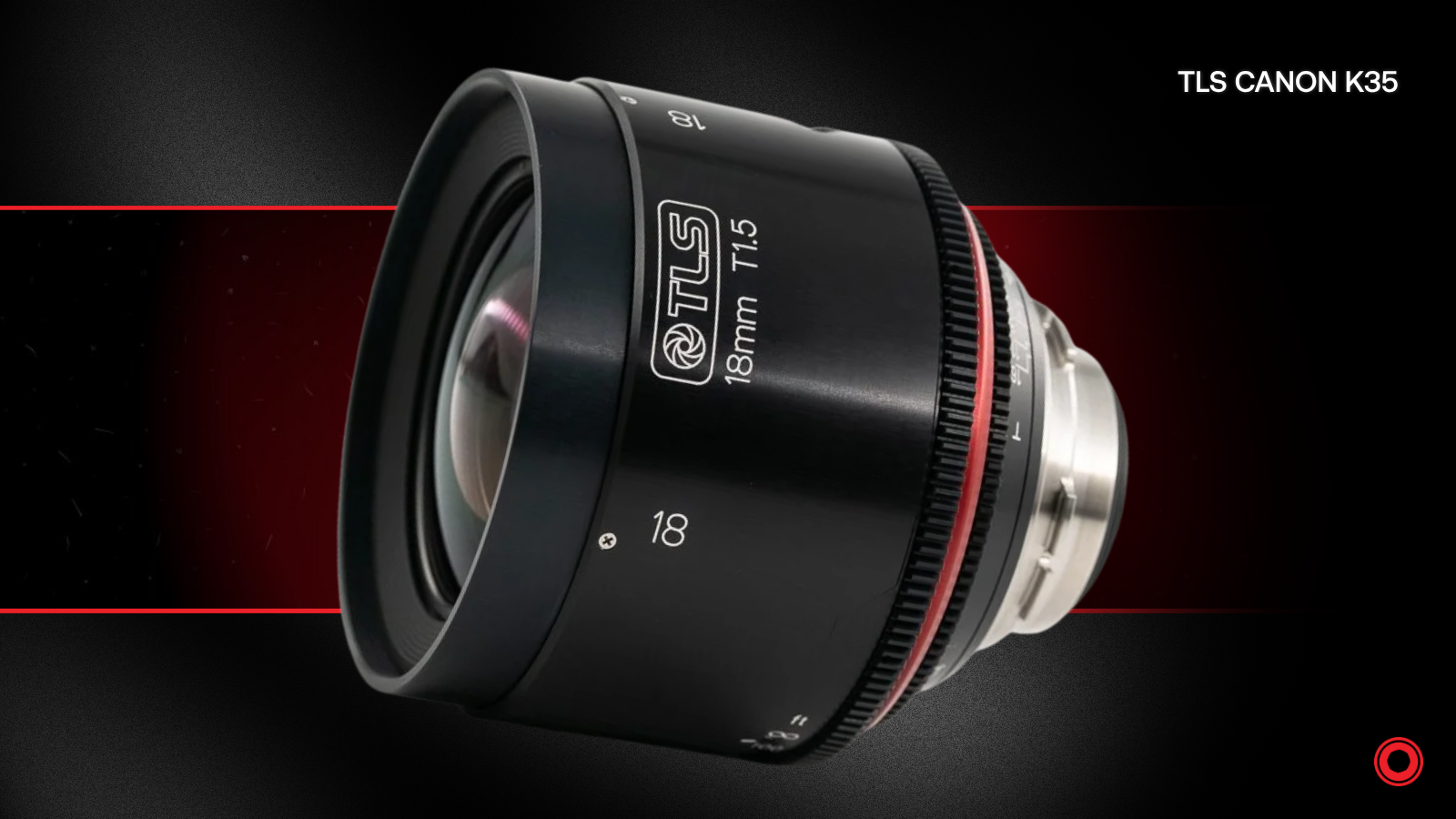
Super Takumars are some of the most well-crafted lenses of the 20th century. Asahi’s experimentation of coatings in the late ‘60s and early ‘70s was revolutionary. As many other brands attempted to compete with the Zeiss brand both in photography and motion picture (such as Canon’s K35 and FD lines, rehoused and also available here at Cine Visuals) the Super Takumars were some of the biggest competitors, often dubbed “the Zeiss Killer”. And yet, their nostalgic quality has been slept on over time. GL Optics has brought the naturalistic and organic quality of these lenses back to life with their incredible rehousing. Subjects are sharp with a filmic quality. Focus gently rolls off from the center towards the edges. As these lenses were designed to mimic the feeling of Takuma Kajiwara’s paintings, the glass brings a painterly quality that, out-of-focus, feels almost impressionistic. Skin tones are handled with care. People are made to feel smooth and nostalgic, like a memory, without drawing attention to itself. Optics are crisp and yet have a subtle touch to them. Not the Baroque of lenses, not the perfection of the Renaissance, nor the expressiveness of Dada. No, Takumars are the Romantic era of lenses. Gentle, realistic, but beautiful and otherworldly all at the same time. Takumars have a medium contrast to them due to their special multi-layered coatings, which many lenses of the day are softer with lower contrast. There is a warmth in the lenses typical of the era, without that thorium orange that bleeds throughout the image. Instead, the different elements within the image maintain a neutrality with just the most gentle touch of warmth.
Handling & Adaptability
The 15mm to 50mm each weigh under 3 lbs with the 85mm and 135mm weighing 3.42 and 3.53 lbs respectively. For lenses that have such robust quality, and vintage glass, GL Optics has managed to rehouse these in a lightweight design suitable for on-set workflows. The set ranges in length from 116-196mm or 4.6 inches to 7.7 inches. A nice range of size with the wider end being nearly uniform from 14-28mm. Large enough for camera assistants to have the flexibility and maneuverability to work on the lens while being small enough for operators to easily manage the lens. To keep uniformity for matteboxes and consistency, each prime has a front diameter of 110mm. Between the 15-35mm lenses, focus rotation is 180º degree and for 50-135mm, each lens has a focus rotation of 330º. With a front diameter of 110mm with these long focus throw, focus pullers will find that pulling is precise, clean, and smooth. GL Optics housing is well-crafted to create buttery smooth focus pulls. These lenses are camera assistant friendly and keep production efficient.
Image Circle
Super Takumars were originally designed for 35mm still photography film. Unlike motion picture film that is exposed vertically at a 4-Perf size, 35mm still film is exposed horizontally at 8-Perf. The cinema version of this was VistaVision in the 1950s, however that quickly went out of popularity but has seen a resurgence in the last few years. Full Frame sensors were inspired by the VistaVision model, which in many ways have become a new standard for today’s filmmaking. As the Super Takumars were created to naturally cover this exposure area, the rehoused GL Optics Asahi Takumars pair excellently with Full Frame sensors whether that be the ARRI Alexa Mini LF, the Sony Venice 1 & 2, the RED Raptor VV, or other Full Frame cinema cameras. Each lens has an image circle that easily covers Full Frame, however the 85mm and 135mm have image circles of 55mm which are large enough to cover 70mm film, the ARRI Alexa65, and medium format sensors such as the Fujifilm Eterna 55 available to rent here at Cine Visuals. Additionally, the 50mm lens has an image circle of 49.5mm which is enough to cover the Eterna 55 in a 2.39 cropped aspect ratio. Otherwise, each lens pairs excellently with Full Frame sensors or VistaVision film.
Flare & Bokeh
GL Optics Asahi Takumars draw from the original still photography Asahi Takumar lenses. As mentioned above, these lenses were some of the early era of deep experimentation into multi-layed anti-reflective coatings to try and bring control to the glass without sterilizing them. A subject of great popularity today, Asahi was way ahead of its time in the early ‘70s with the Super Takumars. As a result, flaring is gentle. While present and artistic, they have a subtlety to them. In the era of Canon Rangefinder lenses, there is a deeply expressive quality while today many modern lenses are sharp, and clinical. Super Takumars lay in the middle of these worlds, with flaring that has character with restraint. Bokeh is rather unique in these lenses. Circular and light, the bokeh takes on a pastel effect with gentle rolloff on the edges. Bokeh maintains its circular appearance with an impressive 15 blade aperture. However, the most iconic and memorable aspect of the Takumar bokeh is the limbal circles on the ends of each bubbly bokeh. A gentle layer that embraces the rest of each of the bokeh that has a slightly more saturated tone than the rest, reminiscent of the limbal circle in the iris of the human eye. This helps the humanist and organic feeling that the Takumars are known for, now brought to life for modern cinema with GL Optics rehousing.
These lenses are available for rent at Cine Visuals. For inquiries or testing appointments email info@cinevisuals.com or call (323) 244-2552.