

Loading cart...

Super 35 vs. Full Frame: How Sensor Format Affects Lens Choice
Cine Visuals Presents: A Cinema Lens Format Deep-Dive
Intro
Sensor size is one of the most influential yet often misunderstood factors in how an image is captured and perceived in cinematography. From the historical foundations of the Super 35 classic film format to the rising demand of Full Frame, each format has technical differences in image area, aspect ratio, and lens coverage. Both Super 35 and Full Frame carry their own visual language and creative implications. These differences directly impact field-of-view, depth, and spatial relationships, meaning the same focal length and lens set can evoke entirely different feelings depending on the sensor it’s paired with. For cinematographers, understanding this relationship is essential to choosing a lens set (as well as individual focal lengths within that set) that truly align with the emotional tone and perspective their project needs.
Super 35 vs Full Frame – What’s the Difference?
35mm is the ubiquitous format standard for cinema. Chosen from the early days, this has been the flagship of motion pictures. And yet, how that 35mm has been exposed has been an ever-changing evolution. Super 35 wouldn’t be introduced until the early ‘80s (which was essentially a return to Standard 35mm, removing the optical sound). This format is 24.89mm x 18.66mm with an aspect ratio of 1.33:1 and a required diagonal image circle of 31.1mm, exposing the negative vertically. Vintage cinema lenses often nod to this format. Even the most modern, technically perfect lenses ever designed (such as the ARRI Zeiss Master Primes) were crafted for this iconic format.
In the 1950’s with the rise of television, the film industry wanted to compete with better image resolution and larger formats. VistaVision was born from this challenge which is horizontally exposed 35mm film (similar to 35mm still photography). This format has dimensions of 37.72mm x 24.92mm and an aspect ratio of 1.5:1 and a required diagonal image circle of 45.2mm. Many cine-rehoused still photography lenses have been converted for cinema as they naturally capture this image plane size.
These two form the foundation of the vast majority of digital cinema camera sensors. For digital image planes, Super 35 (S35) is still known as simply Super 35 and VistaVision is known as Full Frame (FF), Large Format (LF), or sometimes like with the Red Raptor as literally just VistaVision (VV). Colloquially however, Full Frame is a good catch-all when referring to this size on a digital sensor. In essence, Full Frame has a larger capture area which requires lenses to take in more light and project a large image circle with more information than Super 35.
Lens Choice
Cine Visuals offers a wide array of lens choices that cover various formats. However, not all lenses are designed for every format. Lenses designed for Super 35 will not project a full image circle onto Full Frame sensors. Whereas, lenses designed for Full Frame will cover Super 35 with ease, but many of the optical characteristics of the lens that show up on the edges of the image circle will be lost and the sharp center will be all that is left in the image. Some lens sets have the same image circle across the set whereas others vary between focal lengths. All of this is important to consider when choosing a lens to match the camera size format. A modern Ukrainian-based set of anamorphic lenses are an example of mismatching image circles. Named the Xelmus Apollo Anamorphics, these lenses are mostly intended for usage on Full Frame sensors, however their widest lenses only cover Super 35 while their telephoto lenses nearly cover medium format cameras.
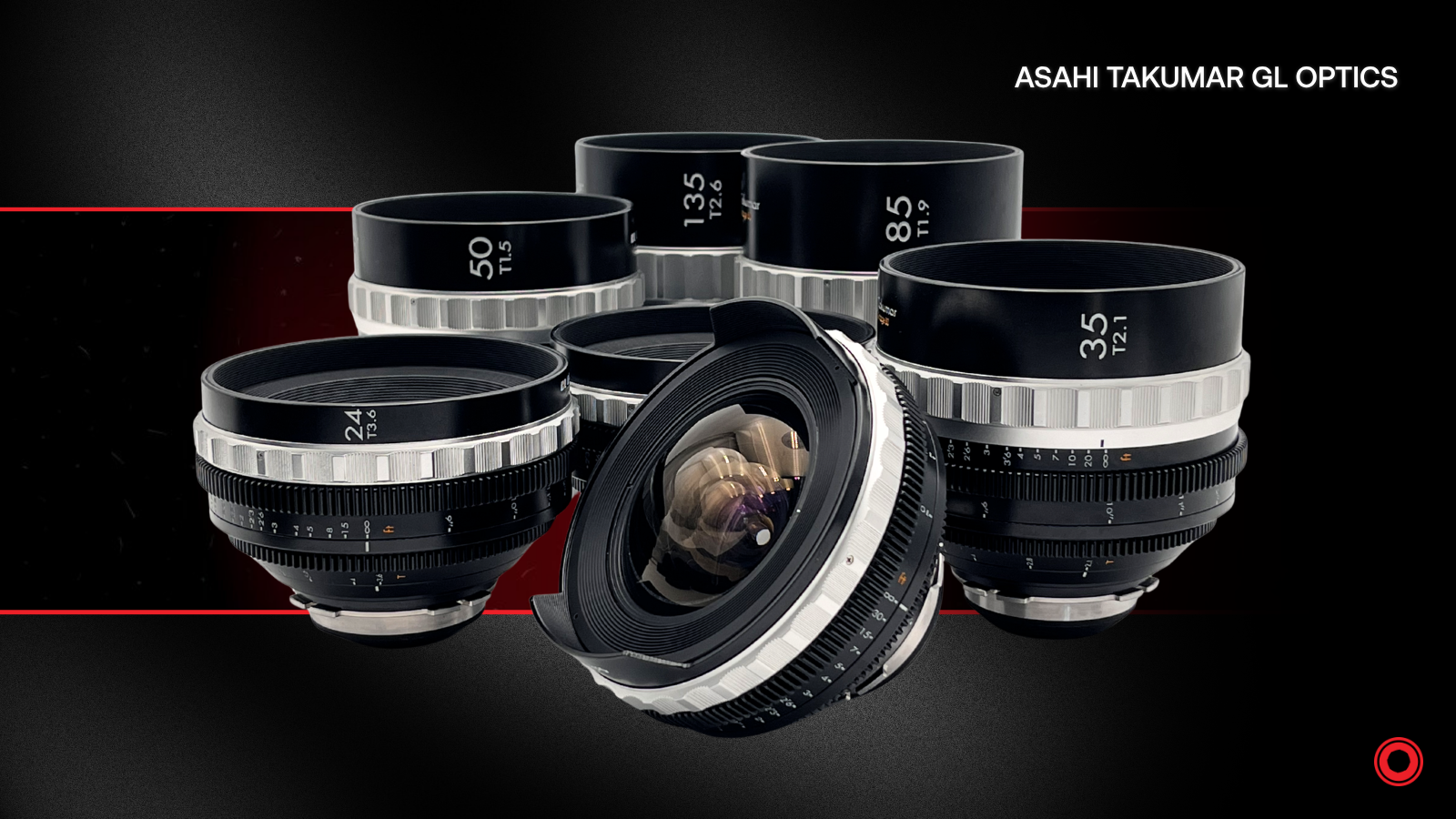
Since the rise of Full Frame digital cinema is still fairly recent in terms of the film industry, many lenses designed for Full Frame have a modern technical supreme quality that in the eyes of many cinematographers presents a sharp, clinical image. And many vintage cinema lenses only cover Super 35, so turning there for artistic salvation will do no good. Companies like Shenzhen-based GL Optics, LA based Zerø Optik, and UK-based TLS bring vintage still photography lenses that cover Full Frame to modern cine housings. These companies bring Classic Japanese optics and influential German glass back to life for modern motion pictures.
For cinematographers working on projects that have multiple size formats that otherwise need to match, Cine Visuals has a variety of lenses that function in this way. For instance, TLS Zeiss Contax lenses that cover Full-Frame were the original glass base for their classic German counterparts, the Zeiss Super Speeds. During this same time period, Canon FD lenses were converted into TLS Canon K35 lenses. This brought new life to these iconic optics. Canon FD lenses and Canon K35s match wonderfully, providing the same look designed for both Full-Frame and Super 35 respectively.
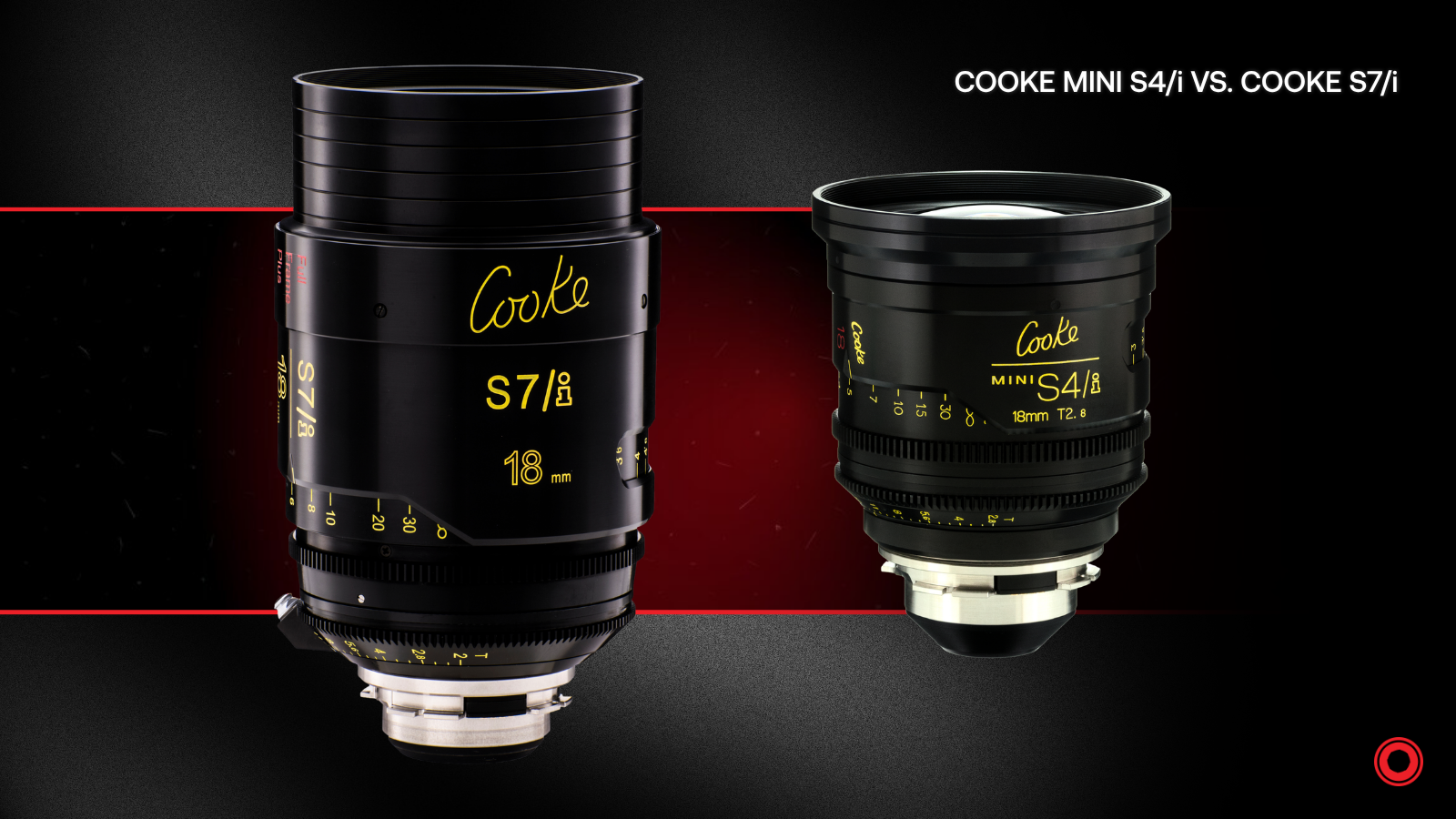
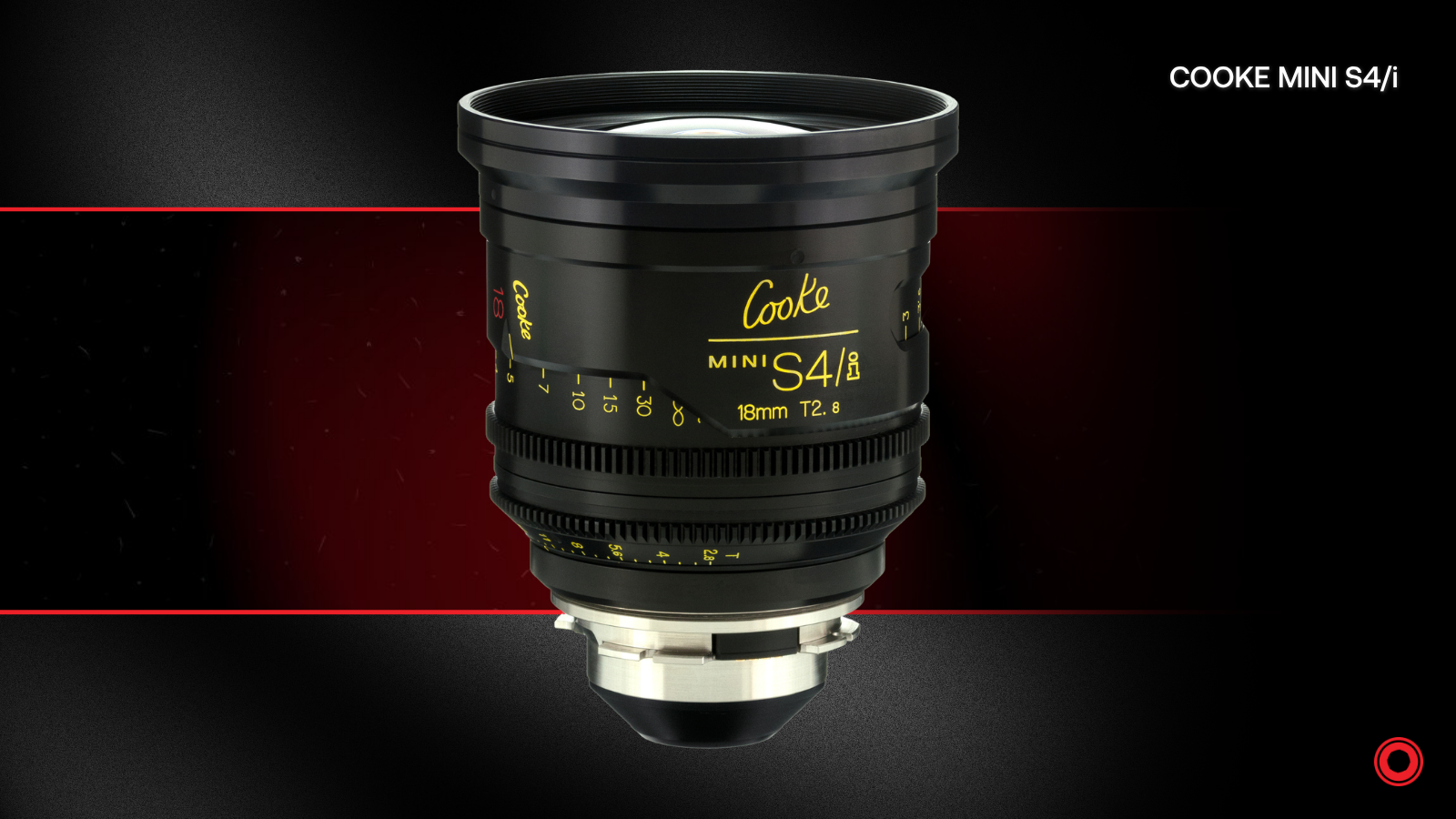
For a project demanding Full Frame, as well as a sharp, neutral image, cinematographers will have to turn elsewhere. Out of this need, the ARRI Signature Primes were born, with updates to their overall character from cinematographers’ feedback. Another such example of this evolution is from Cooke, who created a design that became the defining early 21st century lens. Of course, these are the well-known and beloved Cooke S4/i Primes. These lenses designed for Super 35 coverage have become some of the most well-loved lenses in cinema history. With the rise of Full-Frame, Cooke needed to create a large format S4 equivalent lens set. These would be the Cooke S7/i Primes that have now become a modern staple to the film industry.
Field-of-View
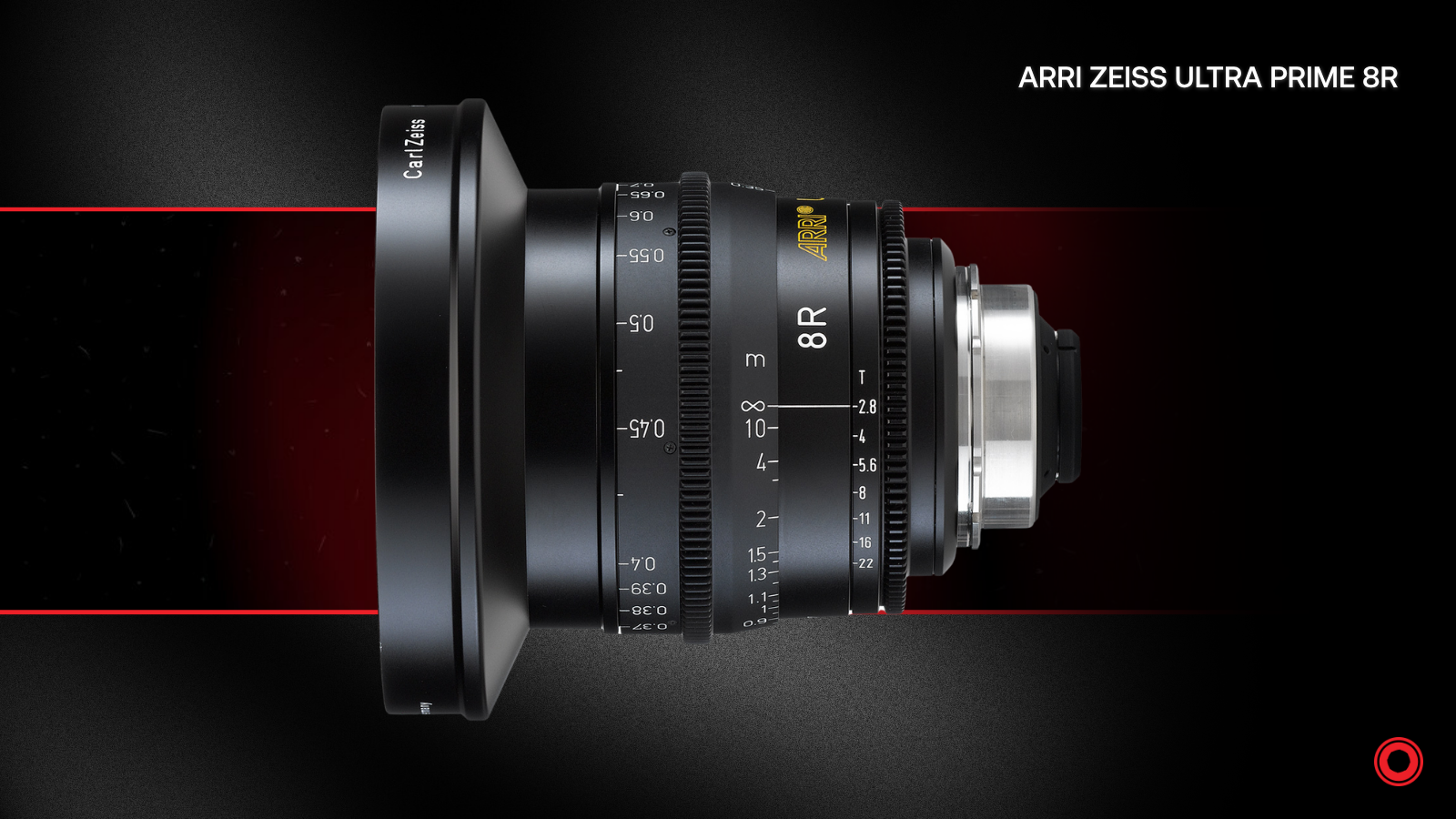
Knowing the size of Super 35 vs Full-Frame is important but the essential factor in actually using these forms is understanding the difference in field-of-view (FOV). Scientifically, the human eye has a horizontal field-of-view of 200º-220º depending on the person. However, only about the center 40º-60º is in clear, attention-focused view. Focusing on the edges of the periphery, one can sense what is there, but it’s difficult to really analyze what’s going on without putting that information into the center. Cameras don’t have this extended view, but the brain is comparing what is seen on-camera with that 40º-60º range. That is why even rectilinear ultra-wide lenses such as the ARRI Zeiss Ultra Prime 8R have such a puzzling and interesting look with their immense field-of-view.
Playing into the human eye, there is no 1:1 comparison in cinema, but the closest comes from Full Frame. A Full Frame sensor with a 40-50mm focal length is about equivalent to the 40º-60º field-of-view that most closely matches the human eye. The image lands as a neutral, balanced baseline. From here, cinematographers can play and change the way the audience is allowed to view the world, whether that be a wider lens that shows a more expansive space than their eye is used to seeing or a telephoto lens that narrows what they are allowed to see for a more focused experience. Either way, the farther from this baseline the more apparent the difference feels. With a baseline of 40mm, this allows cinematographers to capture the subject in the frame with a longer focal length that typically would have a more condensed field-of-view on Super 35, such as an 85mm. A less compressed image means that the audience can see a more expansive image without the restraints of a smaller format. Often, cinematographers use this technique to create shallower depth-of-field, less apparent distortion in the image leading to idealized human faces, and an overall more immersive experience. Canon Rangefinder lenses are an example of combining Full Frame with a romantically dreamy, idealized world.
And yet, filmmakers still consistently shoot on Super 35 despite knowing the above. Other than being the original cinema camera and lens format, many filmmakers feel Super 35 has a human intimacy to it. Scientifically, they are right. In order to create the same field-of-view of 40º-60º, the lens must be physically closer to the subject with a lensing of 27-35mm. Capturing the subject closer creates an image that alerts the audience’s brain that they are also physically closer to that person. This is due to the subject’s size in the frame and the subtle distortion on their face that occurs when the lens gets close. The same distortion happens with the human eye. Being closer and feeling closer is inherently intimate. All of this results in a more present, and intimate experience on camera. In comparison, put the camera in the same spot with a Full Frame 27mm focal length on a Full Frame camera. The larger capture area gives a wider field-of-view that registers in the human brain that the subject is farther away or that there is more space between and around the subject and the camera, even if the facial distortion is the same. Depending on the project and the emotion of the moment, cinematographers can play with their lensing knowing their camera’s field-of-view and how different focal lengths will play with that sensor size.
Super 35 and Full Frame each offer distinct yet equally powerful approaches to shaping perspective, field-of-view, and emotional connection, giving cinematographers the tools to craft images that feel either intimate and immediate or expansive and immersive. With a wide selection of both Super 35 and Full Frame lenses available, Cine Visuals provides the flexibility and expertise to support any creative vision, making it the ideal destination for renting lenses for any production.