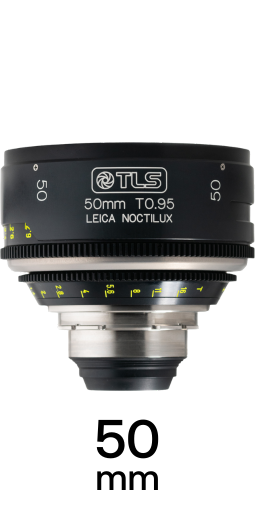
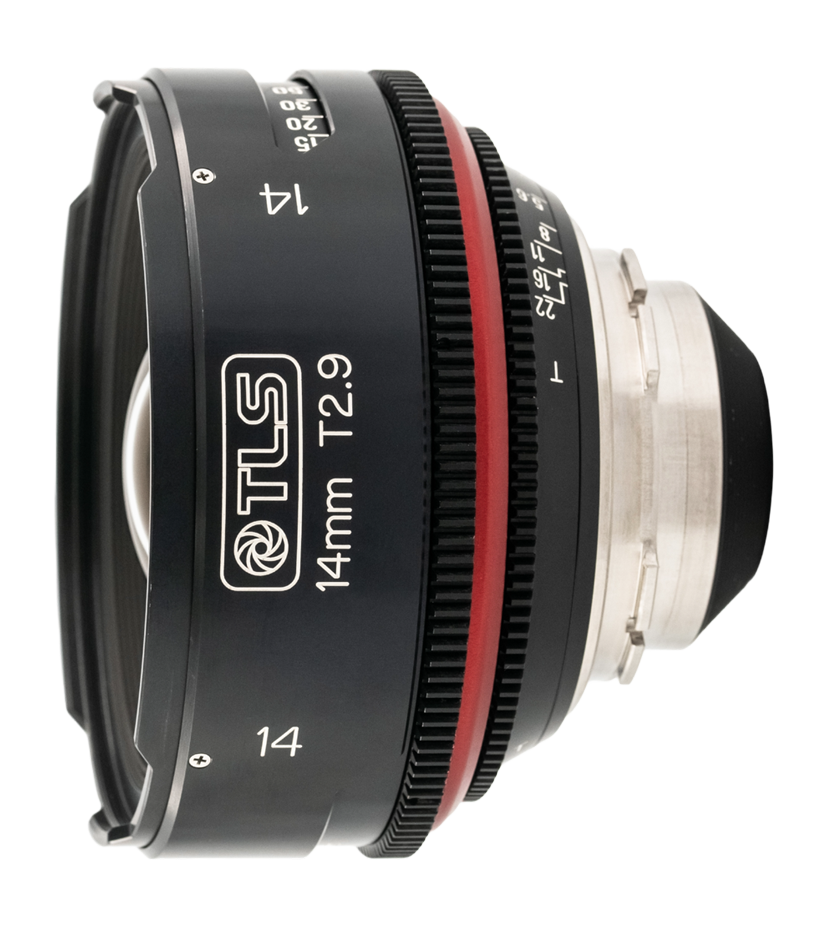
- Leica Noctilux 50mm T0.95
Matching Items
TLS Leica Noctilux 50mm
Prime - Spherical - Full Frame
product details
The TLS rehoused Leica Noctilux 50mm T0.95 is one of the most iconic and extreme lenses ever made, legendary for ultra-fast aperture and dreamlike images with razor-thin depth of field. Less a workhorse lens than an artistic brushstroke, it is used sparingly for maximum effect, often in stylized close-ups, dream sequences, or night exteriors where extreme subject isolation and painterly softness create an unmistakable, ethereal aesthetic. Originally designed as a still photography lens by Leica for its M-series rangefinders, the rehoused 50mm T0.95 has become a dependable specialty cine lens. Available for rental or sub-rental at Cine Visuals.
- Leica Noctilux 50mm T0.95
| Set Includes |
50mm (1 Lens)
|
| Type | - |
| Format | - |
| Lens Mount | - |
| Iris Blades | - |
| Metadata | - |
| Per Focal Length | |
| Focal Length | - |
| T-Stop | - |
| Close Focus | - |
| Front Diameter | - |
| Weight | - |
| Length | - |
| Era / Generation | |
| Contrast & Tonal Character | |
| Sharpness & Resolution | |
| Focus Fall-Off / Transition | |
| Iris & Bokeh Quality | |
| Flare & Highlight Behavior | |
| Handling & Ergonomics | |
| Build & Modifications | |
| Cinematic Heritage & Credits |
*Refer to the Technical Specifications table
Matching Items
Matching Items
Blogs
About the TLS Leica Noctilux 50mm Cinema Lens
The Leica Noctilux 50mm T0.95 is defined by its extreme aperture, producing razor-thin depth of field and a highly stylized, dreamlike image that is impossible to replicate with conventional cinema lenses. Wide open, it delivers glowing highlights, lower contrast, and a soft, painterly falloff that isolates subjects in a distinctly emotional, almost surreal way, making it a deliberate creative choice rather than an everyday lens.
Rehoused by TLS, the Noctilux becomes a usable cine tool with PL mount, precise focus mechanics, and standardized gearing, while preserving its original optical character. Focus at T0.95 is extremely critical, requiring experienced operation, but rewards with a unique visual signature characterized by swirling, creamy bokeh and expressive flare. It is best used selectively for close-ups and low-light scenarios where its aesthetic impact can define the shot.
ย
Image Fidelity & Focus
The Noctilux is famed for its extremely shallow depth of field. At T0.95, the lens produces strong subject isolation with a painterly focus falloff, glowing highlights, lower contrast, and swirling, creamy bokeh. Stopped down, sharpness increases significantly, balancing character with clarity. Sharpness is limited at the edges, but the center can be crisp enough for character-driven close-ups. Generally, contrast is moderate, with gentle blooming highlights at wide apertures. Chromatic aberrations are visible at T0.95 but add to the romantic rendering.
Handling & Adaptability
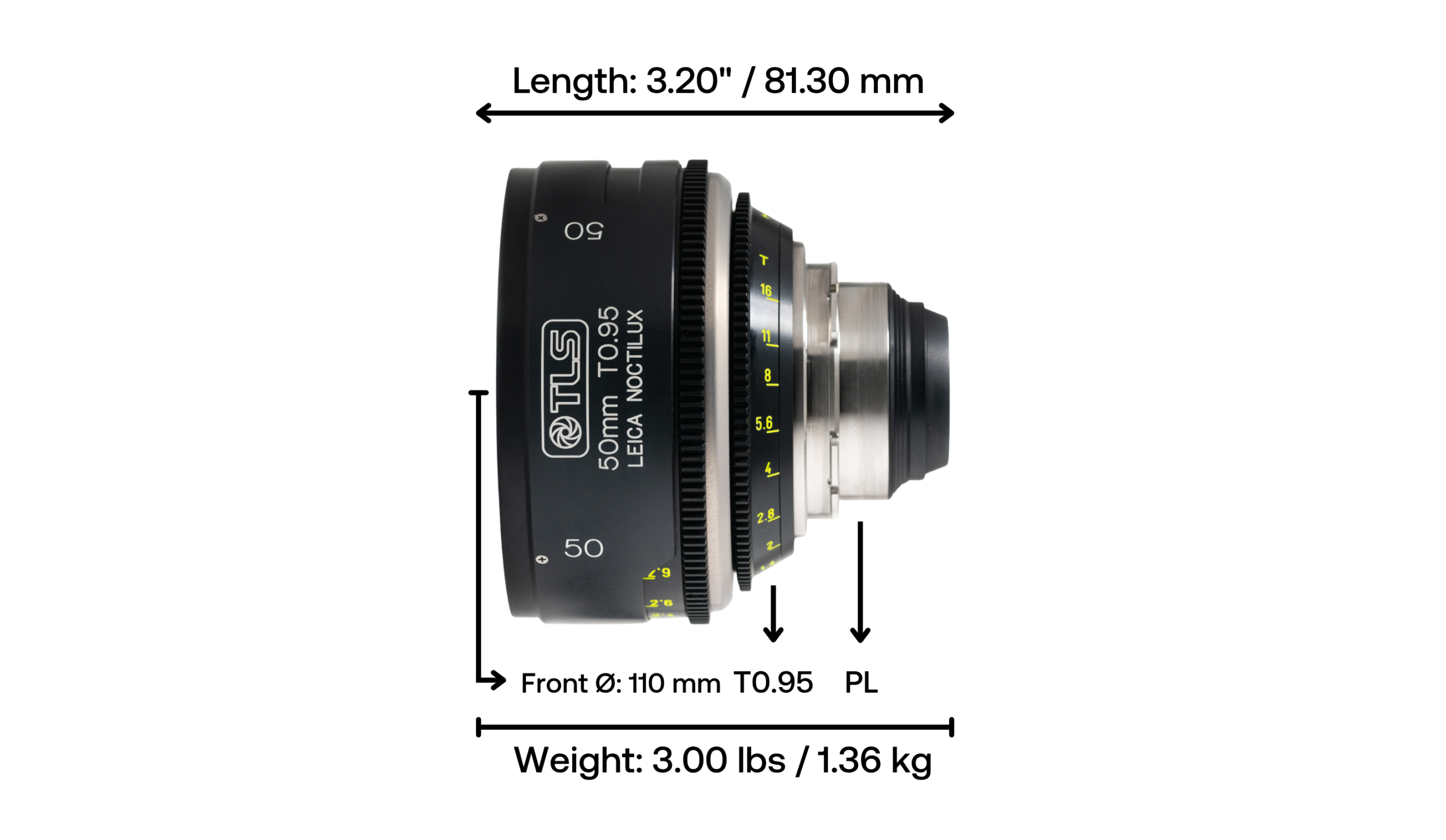
The Leica Noctilux 50mm f/0.95 has been rehoused by TLS, which transformed the fragile M-mount lens into a robust cine prime with PL mount, geared focus and iris, and a standardized housing. While compact for its speed, it remains heavier than in its original form. Pulling focus at T0.95 is extremely challenging, requiring skilled assistants and precise follow-focus systems. Front diameter is 110mm. The rehoused version improves close focus by about a foot compared to the original donor lens.
Flare & Bokeh
Flares are expressive and glowing, with veiling around bright points. Bokeh is creamy, with highlights swirling toward the edges, which creates a unique and surreal atmosphere.
Image Circle
The TLS-cine rehoused Leica Noctilux 50mm T0.95 has a 44mm image circle that covers Full Frame sensors, making it compatible with MiniLF, Sony Venice and RED Monstro sensors.
Cinematic Heritage
The Noctilux was first introduced in 1966 at f/1.2, and was updated to the f/0.95 version in 2008. Designed as a statement of Leicaโs optical mastery, it became prized by photographers for low-light and artistic shooting. TLS began rehousing them for cinema use in the 2010s.