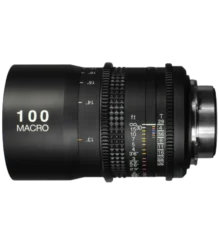
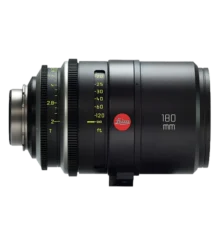
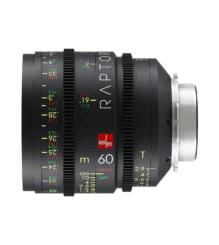
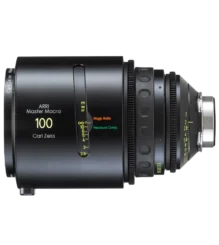
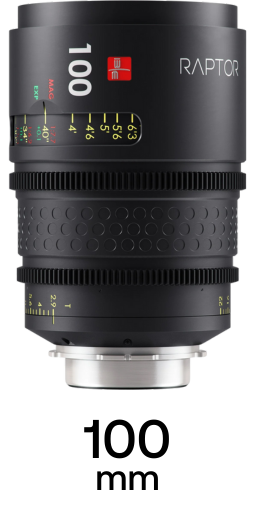
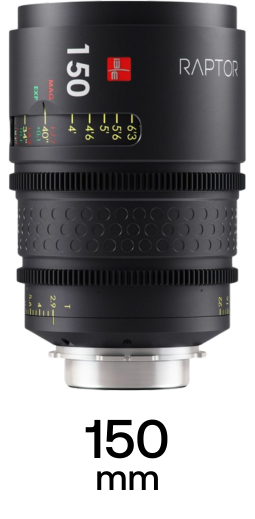
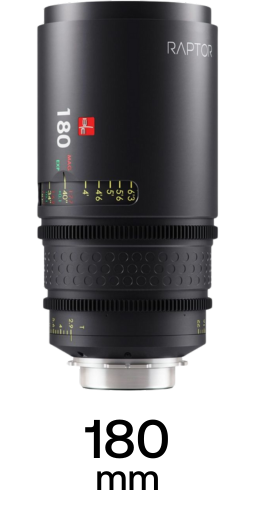
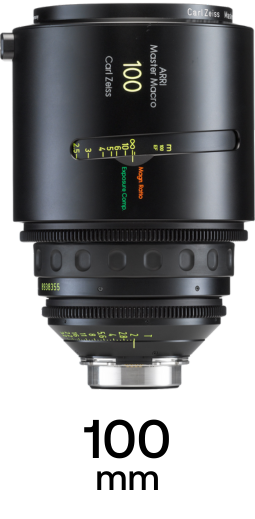
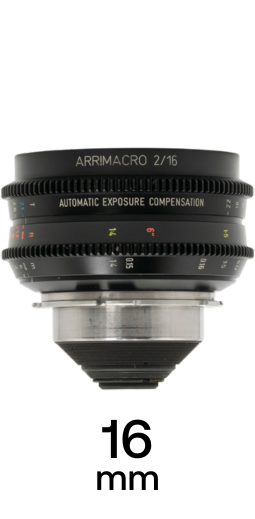
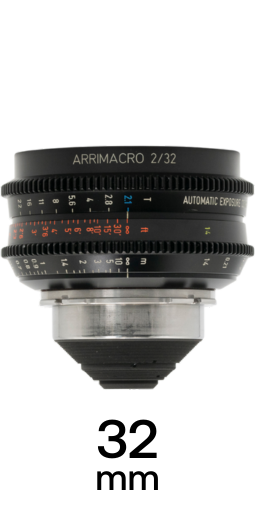
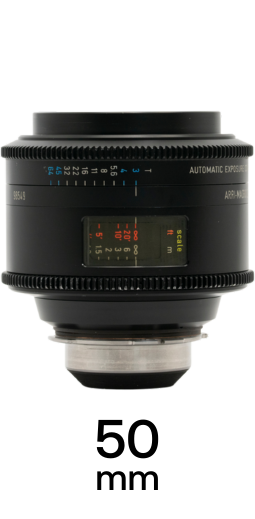
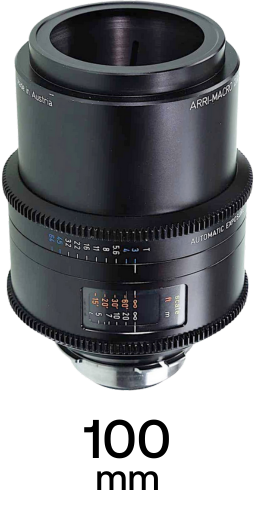
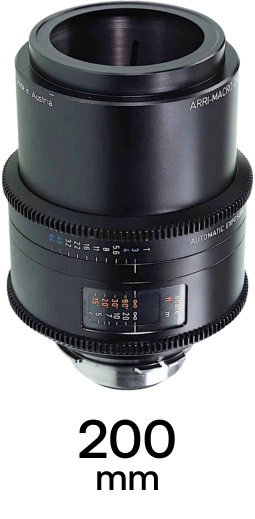
What defines a true macro lens is not just minimum focus distance, but how it performs at that distance. Many lenses can focus relatively close, but they are not corrected for edge-to-edge sharpness or consistent contrast at macro range. Dedicated macro lenses are engineered specifically for this use. They maintain resolution across the frame, control distortion at close distances, and produce a clean, usable image even at extreme magnifications. That is the difference between a lens that can get close and one that is built to live there. Older glass adapted from classic photographic designs is occasionally pressed into close-focus work, but without purpose-built macro correction, frame-edge consistency tends to fall apart at high magnification.
Depth of field is one of the biggest factors to manage in macro cinematography. At high magnification, even at higher T-stops, the plane of focus becomes extremely thin. This affects everything from lighting decisions to camera movement and blocking. Focus pulling becomes more demanding, and maintaining consistency across takes requires careful control. These are not theoretical concerns. They directly impact how a shoot is executed. Sensor format is another variable worth flagging early: the same lens will behave differently on a full-frame body versus a standard S35 camera, and that gap in depth of field behavior is noticeably wider at macro distances than it is at conventional working ranges.
Focal length also plays a significant role. Shorter macro lenses allow for tighter working distances but can introduce perspective distortion if not used carefully. Longer macro lenses provide more working distance between the camera and subject, which is often critical for lighting and staging, especially in product and tabletop environments. Choosing between them is usually a practical decision based on how the scene needs to be built. All of the dedicated macro options in the catalog are built to standard PL mount spec, which keeps them compatible across the full range of cinema cameras without the alignment concerns that come with adapted mounts.
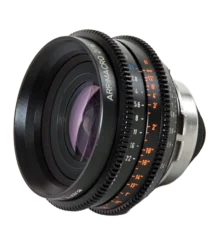
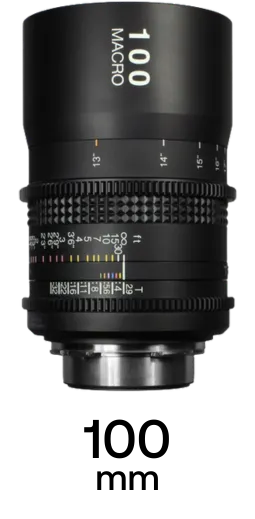
Cine Visuals carries a focused range of macro-capable cinema lenses that cover both dedicated macro systems and lenses known for reliable close-focus performance. This includes true macro designs such as ARRI Macro Primes and the ARRI Master Macro 100mm, which are widely used when consistency and optical precision are required. Both are optimized for standard S35 image circles and cover the format cleanly without vignetting. These lenses are designed to maintain consistent image performance at close distances, which is why they remain standard tools for controlled detail work in commercial and narrative production. It is also worth noting that squeeze format optics handle close focus differently due to the additional elements in the optical path, and when that format is part of the brief, lens selection needs its own conversation. Similarly, variable focal length options are generally not the right call for primary macro work: zoom designs are built around focal range rather than precision at a fixed distance, and that compromise shows up fast at close focus.
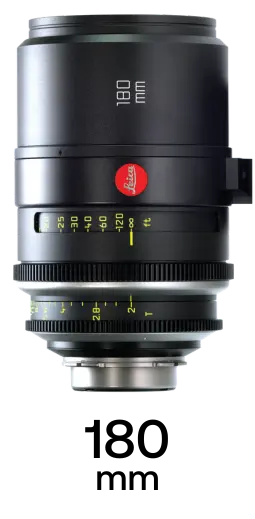
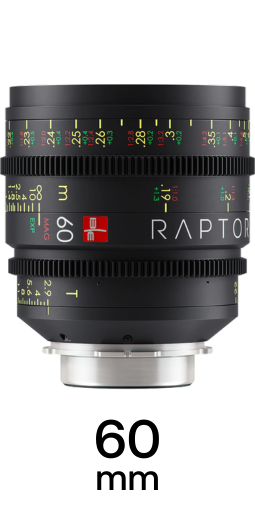
In addition to dedicated macro lenses, certain lenses in the catalog are selected for their close-focus capability and how they behave when pushed into macro territory. The difference is not just in specifications, but in how they render texture, contrast, and falloff when working near their limits. That distinction matters when choosing a lens package that needs to balance macro work with broader coverage across a shoot.
All macro lenses are prepared and calibrated in-house before leaving the facility. Close-focus work places tighter tolerances on lens performance than standard shooting distances. Small inconsistencies in focus calibration or flange depth become more noticeable when working at high magnification. Ensuring that each lens performs as expected at these distances is part of the baseline preparation, not an added step.
Macro lenses should be evaluated on their own terms: magnification, working distance, focus behavior, and consistency at close range. Lenses built to physically enter confined spaces are a different tool entirely and belong in their own category, as do lenses designed for smaller 16mm formats, where the crop factor changes the magnification math and coverage requirements in ways that affect lens selection from the ground up. More specialized tools belong in separate categories with different physical and optical constraints.
Macro cinematography is not just about getting closer. It is about controlling detail, depth, and focus in a way that holds up under scrutiny. The right lens choice makes that possible, not just in terms of magnification, but in how the image behaves when pushed to its limits.
Frequently Asked Questions
What makes a lens a true macro cinema lens?
A true macro lens is designed to maintain optical performance at very close distances, typically around 1:1 magnification. This means consistent sharpness, controlled distortion, and stable contrast across the frame when the subject fills the image at a very small scale.
Can standard cinema lenses be used for macro work?
Some lenses offer close-focus capability, but they are not optimized for macro performance. They can be useful in certain situations, but they often lose consistency in sharpness and contrast at extreme close distances compared to dedicated macro lenses.
What is the difference between macro lenses and probe lenses?
Macro lenses are designed for close-up imaging with traditional form factors, while lenses built to physically enter tight or restricted spaces allow the camera to capture perspectives that a standard body simply cannot reach. Those tools are treated as a separate category due to their unique physical design and shooting requirements.
Where can macro cinema lenses be rented?
Macro cinema lenses are available through Cine Visuals. All lenses are prepared and calibrated in-house to ensure reliable close-focus performance in production use.