
TLS Canon Rangefinders: The Iconic “Dream” Lenses
Canon, True Lens Service, & Cine Visuals Present: TLS Canon Rangefinders
Cinematic Heritage
The story of these lenses begins in prewar Japan, where a small and ambitious optical company set out to challenge the dominance of the well-established German manufacturers like Zeiss and Leica. That company would become Canon Inc., founded in 1937 with the intent of producing high quality cameras and lenses for a domestic market that had long relied on imported European glass. In its earliest years, Canon’s mission was both practical and aspirational. It sought to create tools that were more accessible to Japanese photographers while still meeting the rigorous optical standards set by its German counterparts. What followed was a rapid period of innovation, as Japanese engineering matured and began to rival, and in some cases surpass, the established European optical giants.
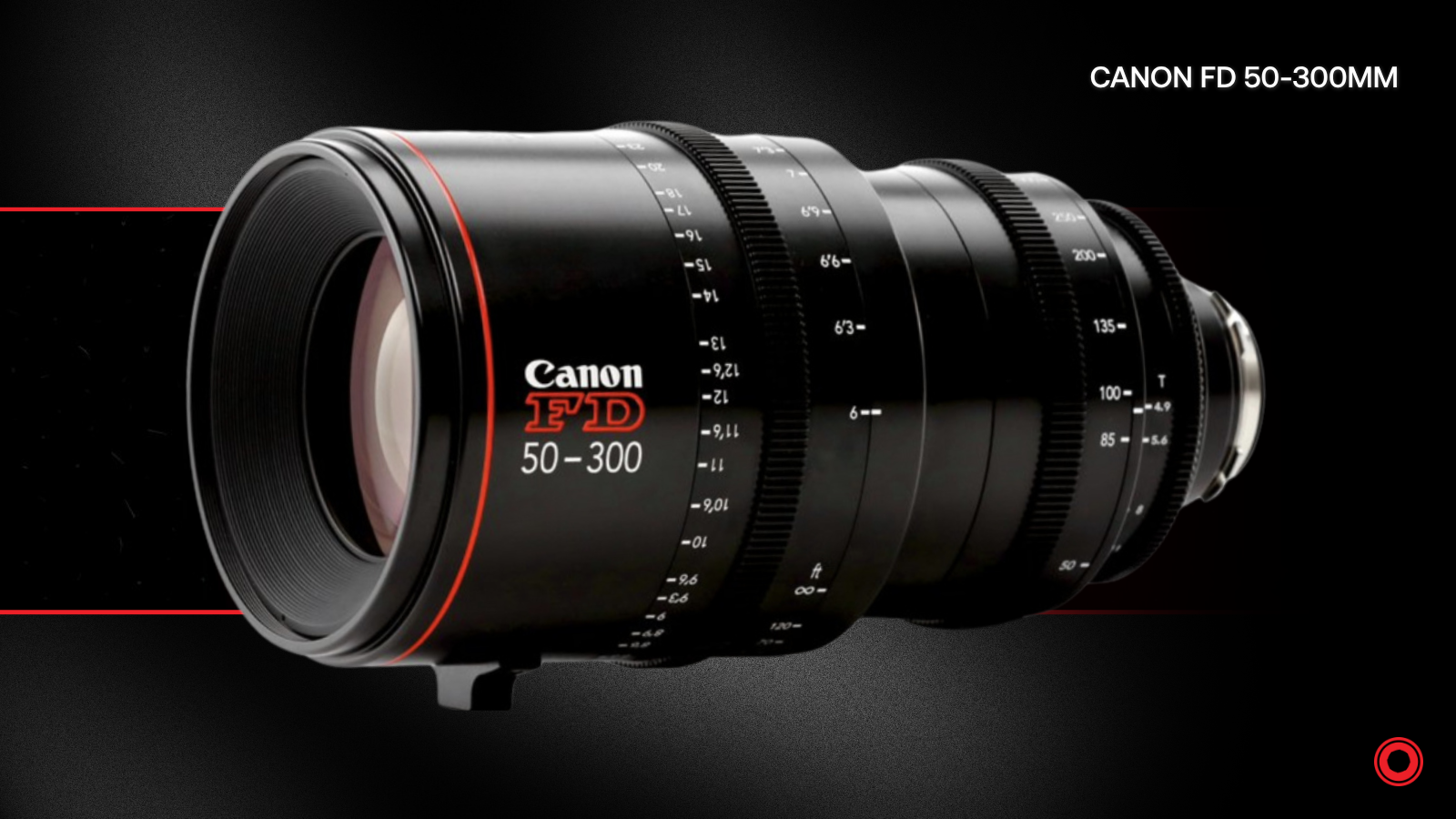
Canon entered the rangefinder market in earnest in the late 1930s, but it was throughout the 1950s and into the 1960s that its lenses truly came into their own. Built primarily for Leica Thread Mount systems, these rangefinder lenses were compact, fast, and optically ambitious. They were designed during a time when the industry was pushing the limits of speed and portability, and Canon responded with lenses that offered fast apertures and a distinct rendering that differed from that of European optics. They interviewed and researched the photography and art scene in Japan at the time and sought to design their lenses toward the domestic Japanese market. This design led to lenses that had a softness, a warmth, and an emotional quality that would become highly sought after across the world, making Canon a global player in the optical world. These lenses were not built with motion picture in mind and it would not be until the later K35s that Canon would adapt their still glass (the FD mount lenses) for cinema use. At this time, Canon Rangefinder lenses were designed strictly as tools for still photographers.

Many years forward optical designs became, on a strictly technical level, near perfect across many optical manufacturers – Canon included. This goal was desired to compensate for earlier, grainier film stocks to render a cleaner image. However, with the precision of digital cameras and the technical perfection of optics, many filmmakers felt their tools had become clinical, looking to so-called legacy lenses to bring an organic feeling back into their image. However, these vintage optics slowed down productions with their old mechanical housings that were often seen as cumbersome. In the United Kingdom, True Lens Services, known throughout the industry simply as TLS, had an idea to solve this issue. TLS recognized that many of the most beautiful optics ever made were locked inside outdated housings that simply could not meet the demands of contemporary production. Rather than chasing perfection through new optical designs, TLS focused on preserving the character of vintage lenses while transforming their mechanics for modern filmmaking. This philosophy has greatly opened the door of possibilities for cinematographers, reviving lenses that could bring texture, imperfection, and humanity back into the image in a production-friendly body.
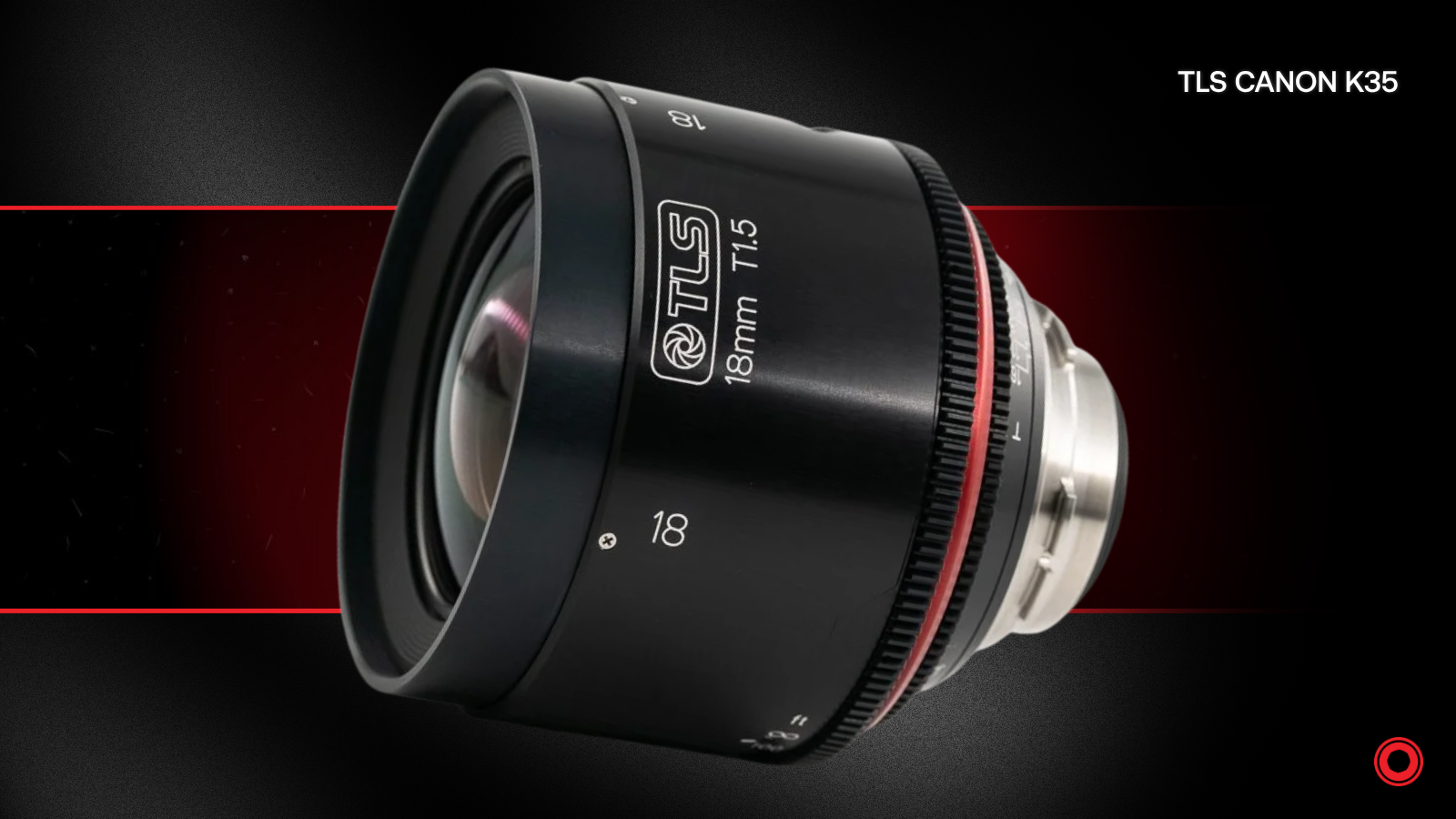
The Canon rangefinder lenses proved to be ideal candidates. Their optical performance was already exceptional, with fast apertures and a rendering style that felt both nostalgic and timeless. By rehousing these lenses, TLS was able to retain every nuance of the original glass while rebuilding the exterior into a robust cinema tool. The result is a marriage of eras. Inside, the lenses remain exactly as Canon designed them decades ago. Outside, they function with the precision and reliability expected on a modern set. And because they were originally designed for 35mm still photography, they naturally cover today’s Full Frame sensors, making them not only relevant but remarkably well suited to the demands of contemporary large format cinematography.
Image Fidelity & Focus
Canon’s approach to optical design during the rangefinder era was rooted in balance. These lenses were engineered to be fast, compact, and match the growing desires of the art and photography scene of post-war Japan. Their coatings, early predecessors to what would later evolve into Canon’s Super Spectra technology and the famous Canon FD lenses, were relatively simple by modern standards. Many were single layer coatings, yet they imparted a distinctive golden warmth and organic softness that has become hard to find among contemporary optics. Wide open, the lenses reveal their personality immediately. Contrast is gentle, almost restrained, allowing highlights to bloom slightly and shadows to retain detail without feeling crushed. The center of the frame holds sharpness with confidence, while the edges fall away gradually, creating a natural sense of depth. This falloff guides the viewer’s eye toward the subject in a way that feels intuitive rather than forced. Focus transitions are smooth and continuous, giving the image a dimensional quality that modern lenses often struggle to replicate. Subjects do not simply separate from the background. They emerge from it. Stopped down, the lenses shift character. Sharpness increases, contrast tightens, and the image takes on a more neutral and controlled appearance. Yet even at slower stops, there remains a softness in the rendering. Skin tones are particularly pleasing, carrying a warmth that feels natural and familiar. There is a slight golden bias to the color rendition, one that flatters without overwhelming.
Among the set, the 50mm stands apart. Often referred to as the “Dream Lens”, it is a piece of optical history that continues to captivate cinematographers. With its exceptionally fast aperture – especially for the time period – of T1.1, it produces an image that feels almost surreal when used wide open. Highlights glow, focus falls away into a gentle haze, and the entire frame takes on a painterly quality. It is not a lens for technical perfection. It is a lens for emotion. Filmmakers often turn to it when they want to push beyond realism and into something more expressive, more dreamlike, and ultimately more human.
Handling & Adaptability
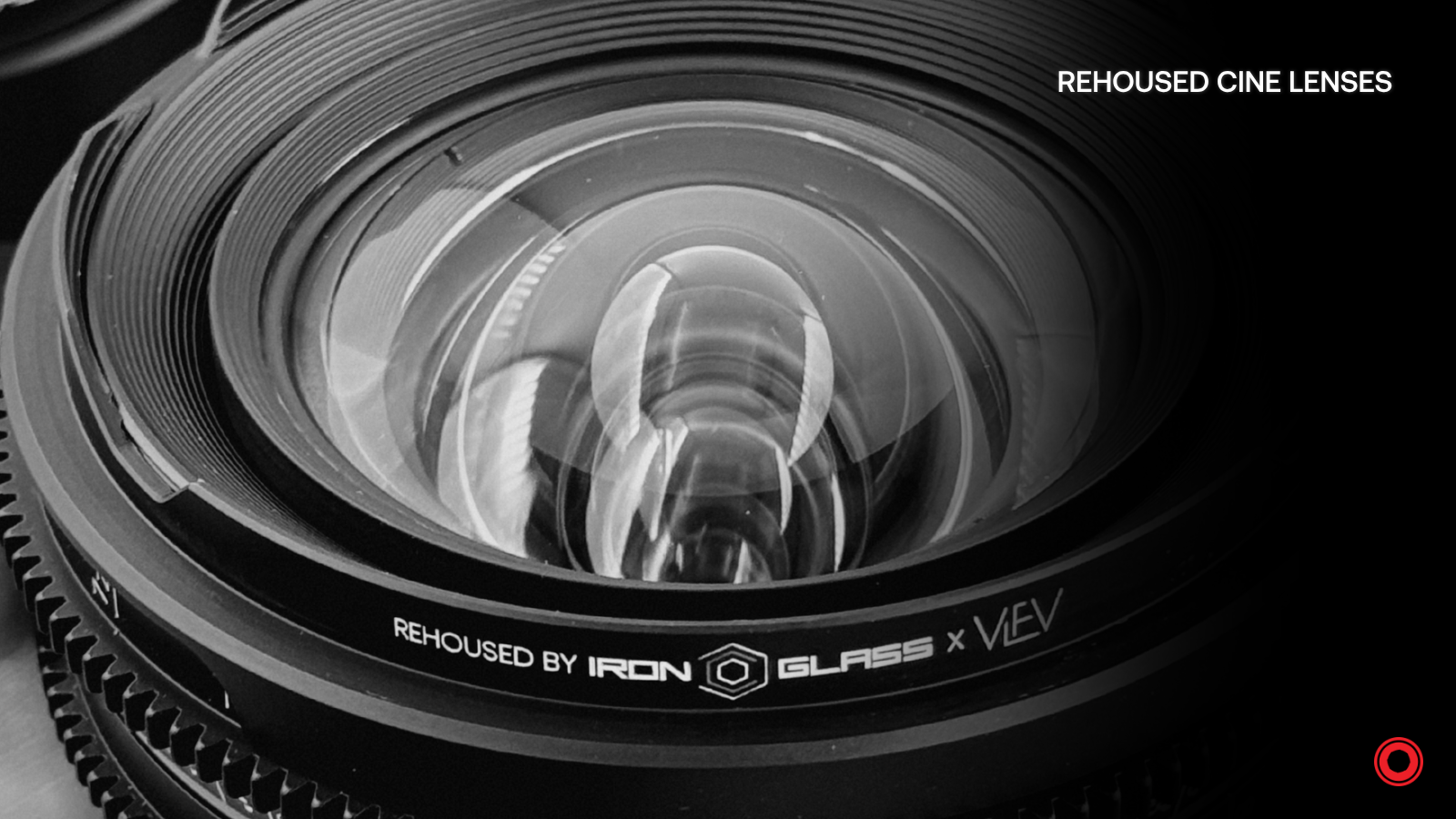
If the glass represents Canon’s legacy, the housing is where TLS brings these lenses fully into the present. The original rangefinder lenses were beautifully engineered for their time, but they were never intended for the demands of motion picture production. Focus throws were short, aperture rings were clicked, and the overall construction lacked the robustness required for modern motion picture workflows. They were, after all, lenses for 1950s still photography rangefinder cameras – their housing has a different intention. TLS addresses all of this with a complete mechanical transformation that respects the optics while redefining usability, bringing the potential of the glass to the world of modern filmmaking.
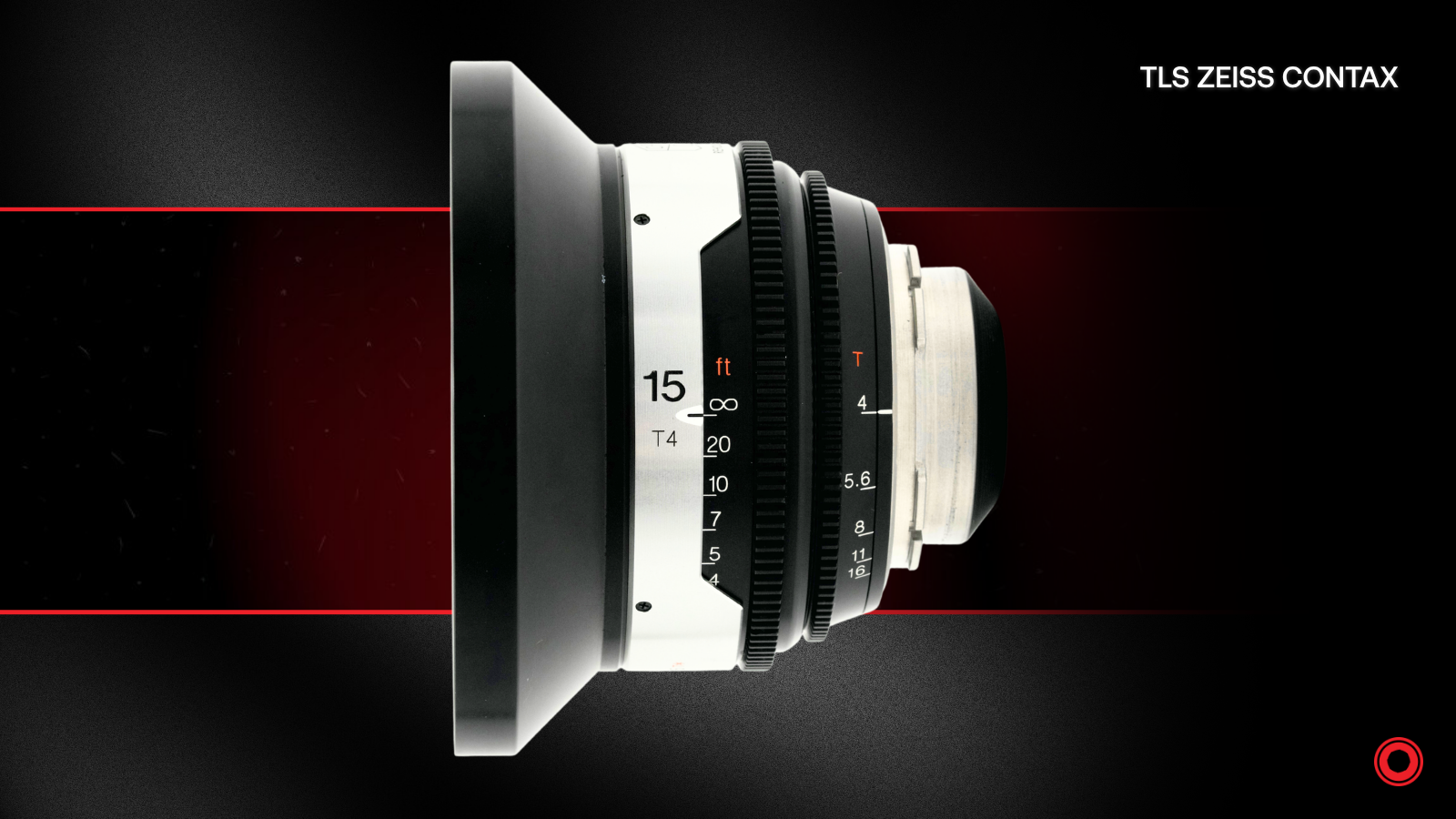
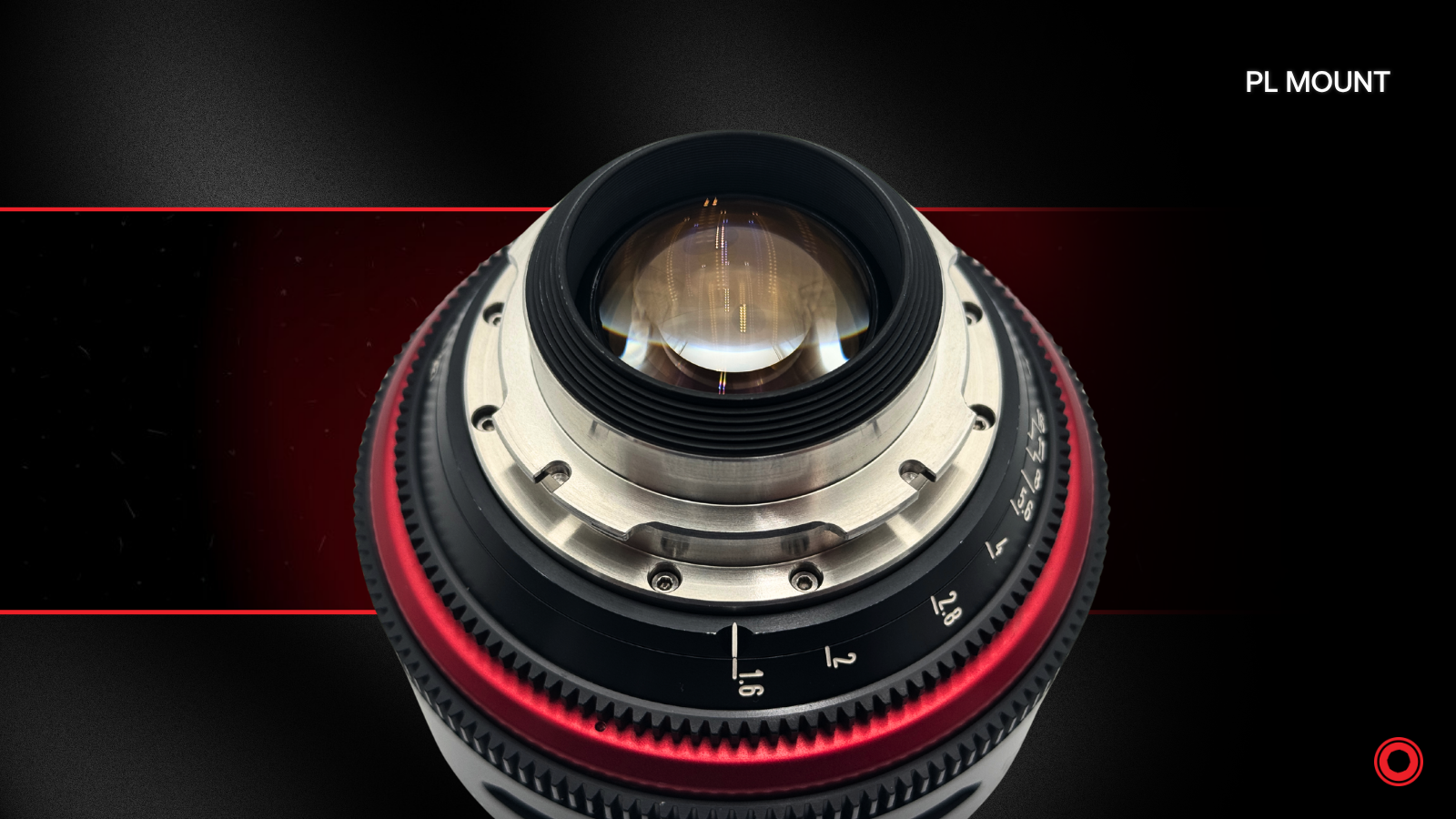
Every lens in the set shares a unified front diameter of 110mm, a standard that simplifies matte box and accessory changes across the entire range. Focus rotation extends to approximately 300º, allowing for precise and repeatable focus pulls even at the widest apertures. The iris is de-clicked and features a rebuilt 16 blade design, maintaining a circular aperture throughout the range. One of the most important features it that the lenses are rehoused in LPL mount. Originally, the flange distance was much longer and in order for the optics to properly work their rear element needed to be bigger and deeper. This issue has prevented their use with many traditional 35mm motion picture film and digital cameras of PL, EF etc. With ARRI’s advent of the LPL mount, TLS was about to bring the Canon Rangefinders up to speed ensuring compatibility with modern cinema cameras and providing a secure, stable connection.
Physically, the lenses strike a careful balance between durability and manageability. The wider focal lengths such as the 19mm, 25mm, and 28mm sit around 2.60 to 2.68 lbs, with lengths of just 2.74 inches. The 35mm and 40mm are slightly lighter, hovering at 1.95 lbs and 2.0 lbs respectively and measuring 2.31 inches and 2.62 inches in length. The 50mm and 58mm maintain similar proportions, weighing around 2.25 lbs and 2.10 lbs and offering compact builds of 2.62 inches that remain easy to handle on a variety of rigs. As the focal lengths increase, so does the physical presence. The 85mm reaches approximately 3.34 lbs with a length of 2.41 inches, while the 100mm and 135mm extend further, with weights 3.44 lbs and 3.58 lbs and lengths of 4 inches and 4.68 inches. Overall these lenses are remarkably lightweight, compact, and consistent for their speedy apertures and beautiful optics. Gear placement is standardized, balance is predictable, and the tactile feel of each lens remains uniform. For camera operators and assistants, this translates into speed and confidence. Lens changes are seamless, focus marks are reliable, and the mechanics respond with a smoothness that has become synonymous with TLS. These are lenses built not just to perform, but to integrate effortlessly into the rhythm of a professional set.
Image Circle
To understand why these lenses feel so at home in modern cinema, it is worth revisiting the origins of the formats they were designed for. 35mm began as a still photography standard, where film was exposed horizontally across an 8-perf frame. This orientation allowed for a wider image area, demanding lenses capable of covering a large image circle. In motion picture production, efficiency led to a different approach. Film was exposed vertically using a 4-perf frame, reducing the required image circle and establishing what would later become known as Super 35.
Systems like VistaVision returned to a horizontal 8-perf format, inspired by still photography to achieve higher resolution and a larger negative. While VistaVision eventually fell out of widespread use – though it has made a comeback with movies like “The Brutalist” (2024) and “One Battle After Another” (2025) – its influence never disappeared. Today’s Full Frame digital sensors are, in many ways, a direct continuation of that idea. Cameras such as the ARRI Alexa Mini LF and Sony Venice embrace a larger sensor area that closely mirrors the dimensions of 35mm still photography. Even the RED Raptor VV uses the “VV” to refer to VistaVision for its large format size.
This is where the Canon rangefinder lenses reveal their quiet brilliance and modern resurgence. Since they were originally designed for 35mm still photography, they already project an image circle large enough to cover these modern large format sensors. In practice, the lens set delivers coverage of 44mm, easily enough to cover Full Frame. The rehousing process preserves this completely. TLS does not alter the optics. It simply enables them to be used as they were always capable of being used The result is a perfect alignment of past and present. Vintage still photography lenses, designed decades ago, find themselves ideally suited to the most advanced digital cinema systems available today. They bring with them not just coverage, but a visual language that stands in contrast to the clinical precision of modern large format glass.
Flare & Bokeh
If there is a defining signature to these lenses, it is the way they respond to light. The single layer coatings developed during this era greatly shape the unique character of the glass, particularly its flares. Compared to modern multi layer coatings, they allow more internal reflections to occur, but in a controlled and aesthetically pleasing manner. When a strong light source enters the frame, the lenses come alive with a palette of warm tones that feel like a water color painting. Amber and gold are the most prominent, often accompanied by subtle hints of magenta and violet. These flares do not wash out the image but rather drift through it, adding texture and atmosphere without overwhelming the composition. Highlights bloom gently, contrast lowers slightly, and the image takes on a softness that feels organic and whimsical. A quality not easily replicated with filters or post processing even in this digital age.
Bokeh carries that same sense of artistry. With fast apertures across the set and a 16 blade iris, the bokeh maintains a circular appearance even when stopped down. Points of light become soft, luminous orbs. Toward the edges of the frame, the bokeh experiences a pleasing comatic aberration that can take on a subtle cat’s eye shape, introducing a gentle swirl that adds movement and depth. The effect is particularly pronounced on the faster lenses, like the T1.1 50mm “Dream Lens” where shallow depth of field transforms backgrounds into flowing layers of color and light.
These lenses are available for rent at Cine Visuals. For inquiries or testing appointments email info@cinevisuals.com or call (323) 244-2552.