
Loading cart...

Choosing a Probe Lens: An In-Depth Comparison
Cine Visuals Presents: Comparing Probe Lens Options
Introduction
Probe and periscope lenses have become essential tools in modern cinematography, offering distinct tubular optics to capture immersive close-up imagery. Choosing between systems such as IB/E, Laowa, DZO, P+S Technik, and other specialty manufacturers depends entirely on the needs of the shot. More accessible, self-contained options like Laowa and DZO probe lenses prioritize speed, compactness, and ease of use, making them ideal for tight spaces, fast setups, and indie budgets. In contrast, high-end periscope systems such as the IB/E Raptor Scope and P+S Technik Skater Scope deliver superior mechanical precision, lens interchangeability, and dynamic control, excelling in complex, motion-controlled, or technically demanding environments. Specialty tools like the OpTex Excellence Probe and the Innovision Probe II bridge these categories with modular flexibility and distinctive character, ultimately reinforcing that the best choice is determined by balancing ergonomics, versatility, and the creative demands of the production.
Accessibility & Ergonomics
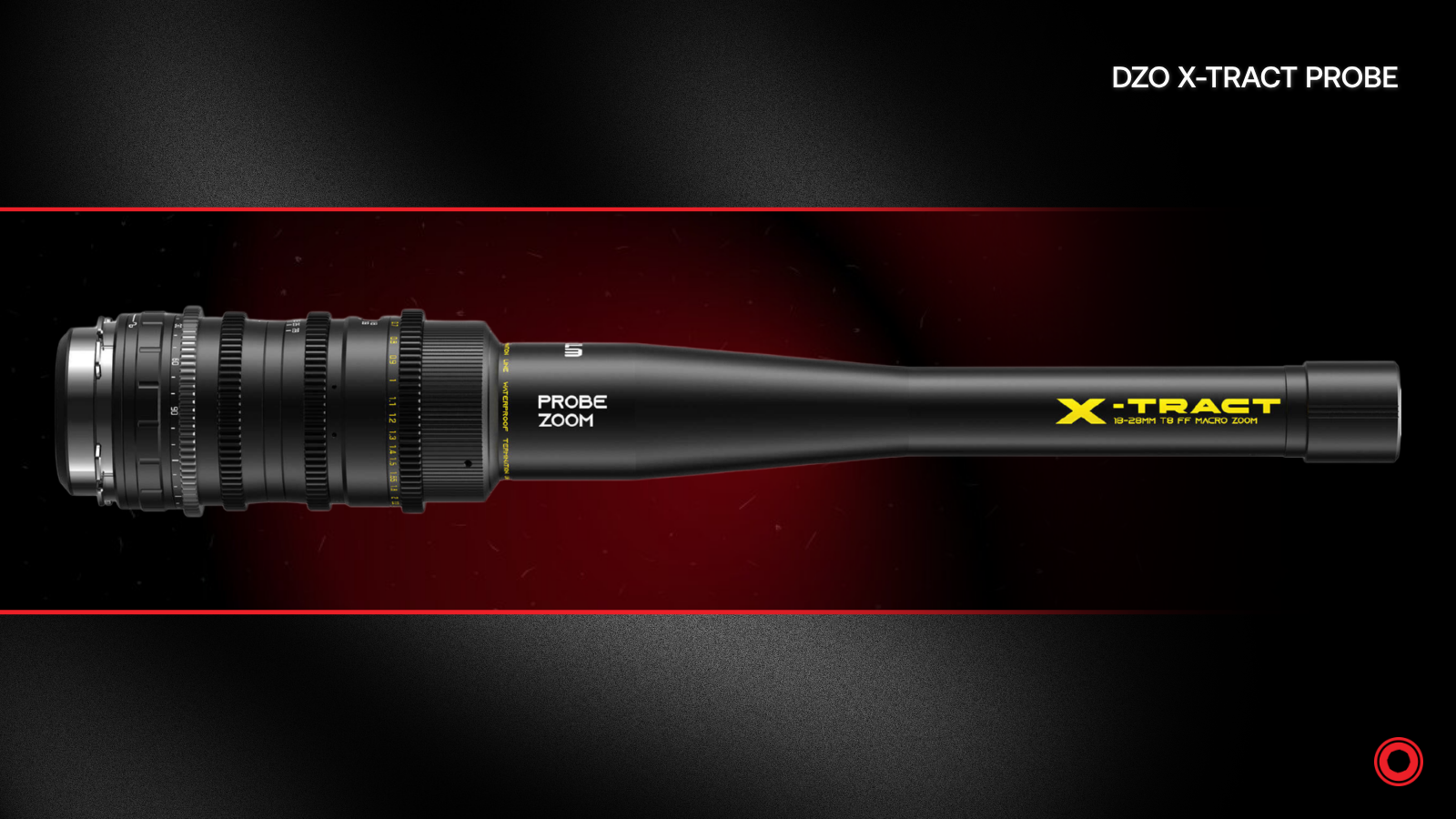
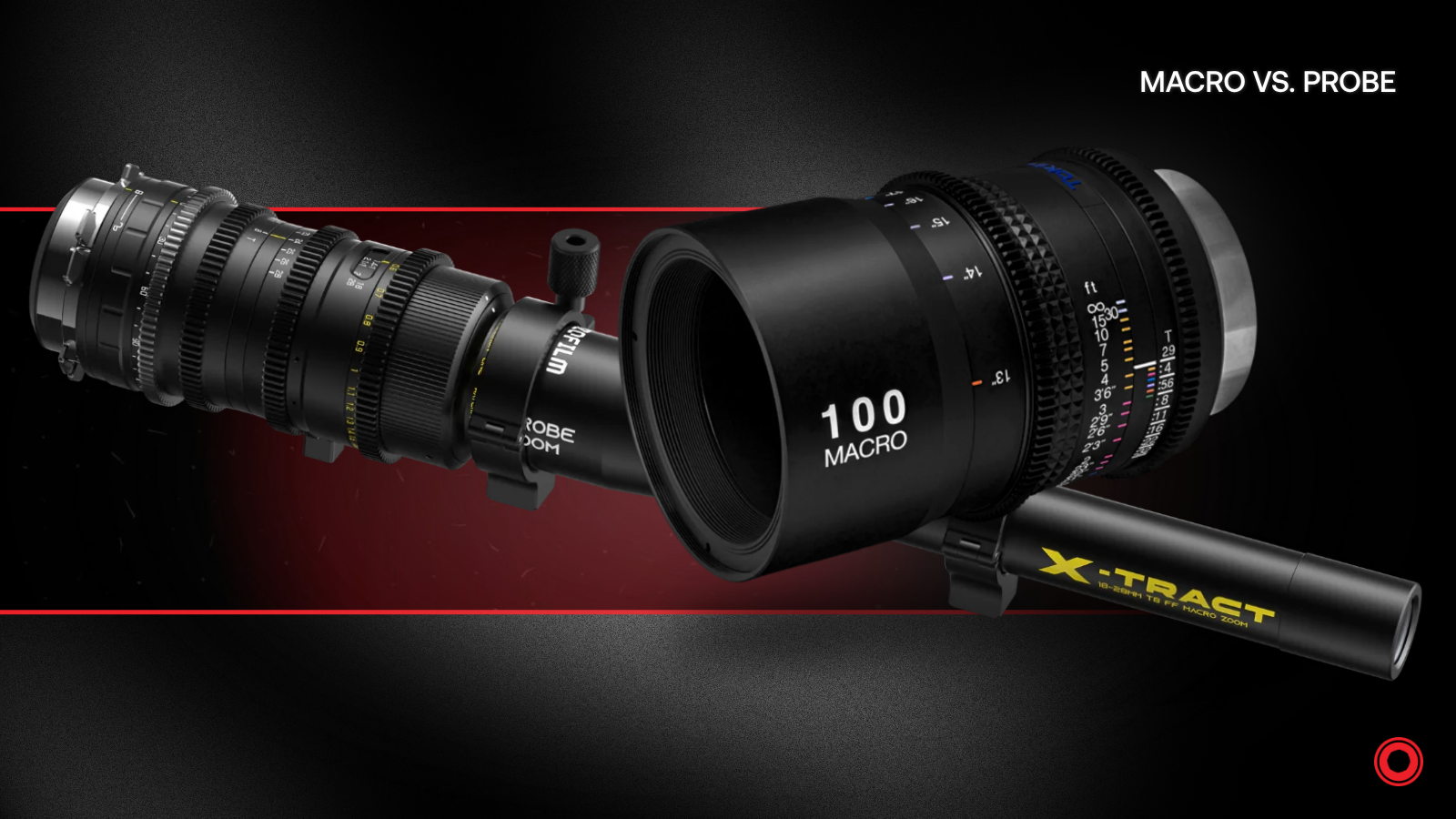
Probe and periscope systems vary widely in how approachable they are on set, both in terms of availability and how easily a crew can deploy them. At the more accessible end, lenses like the iconic Laowa Pro2be, the Laowa 24mm PeriProbe, the Laowa Probe Zooms, and the DZO X-Tract prioritize compact, self-contained designs. These affordable probes are comparatively lightweight, faster to rig, and easier for smaller camera teams to integrate into tabletop builds, handheld rigs, or tight environments. Their all-in-one construction removes the need for separate taking lenses, complex relay assemblies, or macro lenses, making them efficient tools when time and setup simplicity are critical. The DZO X-Tract, in particular, stands out for bringing cine-style zoom control into a probe format, while Laowa’s ecosystem emphasizes affordability and flexibility across multiple configurations.
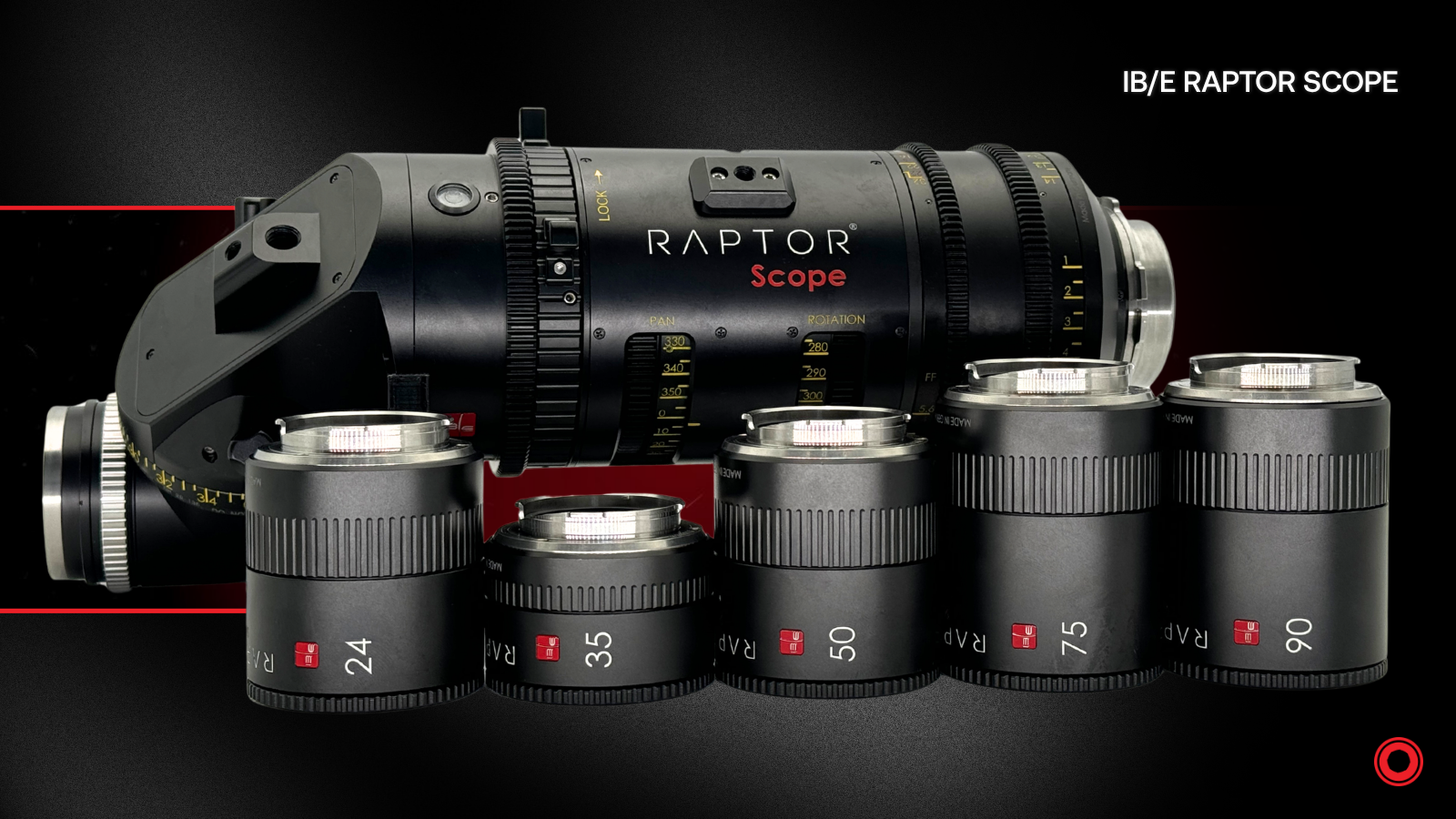
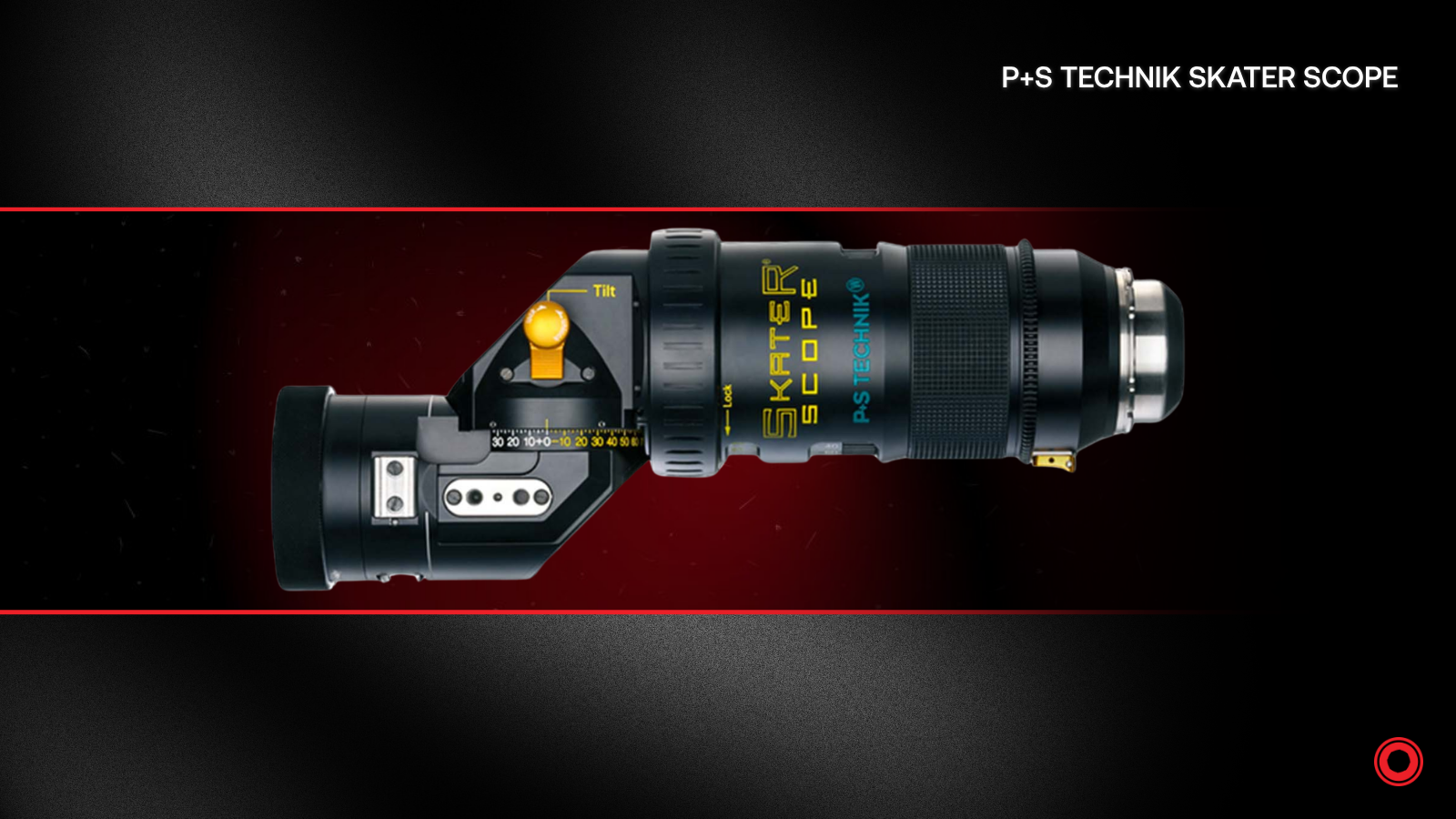
By contrast, systems like the IB/E Raptor Scope offer something different. Instead of being a quick-deploy lens, the Raptor Scope is a precision instrument designed for controlled environments. Similar to the Raptor Scope, P+S Technik offers the P+S Technik Skater Scope, and P+S Technik T-Rex Superscope which sit firmly in the high-end, mechanically sophisticated category. Their builds are robust, durable, and engineered for repeatable performance under demanding production conditions such as motion control or complex commercial shoots. The IB/E Raptor Scope integrates perfectly with its dedicated macro primes while also allowing PL mount and LPL mount lens compatibility, giving cinematographers a wide range of optical choices. Similarly, the Skater Scope and T-Rex systems rely on external taking lenses, trading simplicity for a higher degree of control and image customization.
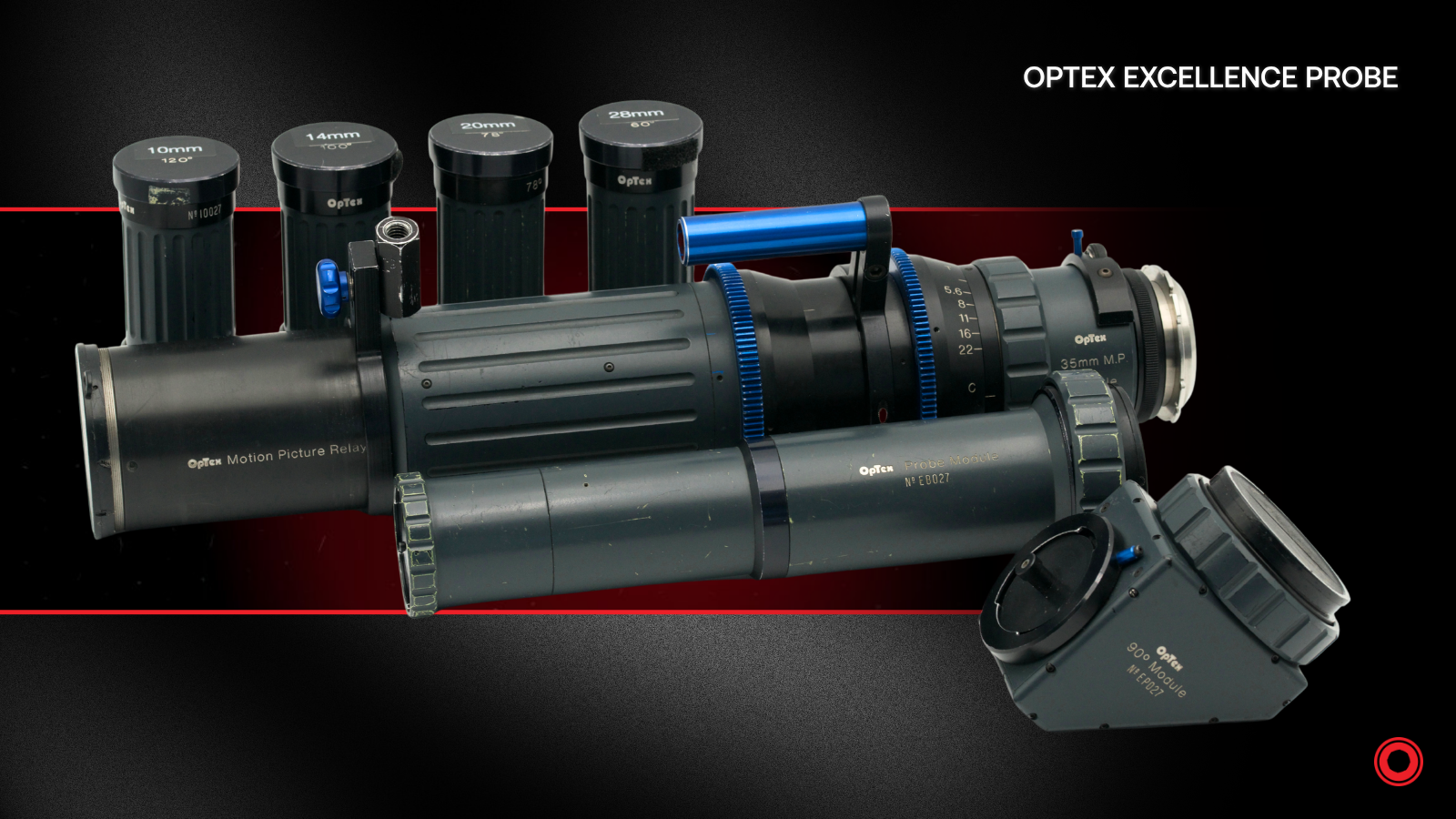
Legacy and specialty systems like the OpTex Excellence and the Innovision Probe II occupy a unique middle ground. They are less standardized than modern Laowa or DZO offerings but bring modularity and distinctive character. The OpTex, with its interchangeable heads and relay design, requires more deliberate rigging but rewards crews with flexibility in perspective. The Innovision Probe II, known historically for its precision and cinematic rendering, similarly requires experienced handling but offers more image control.
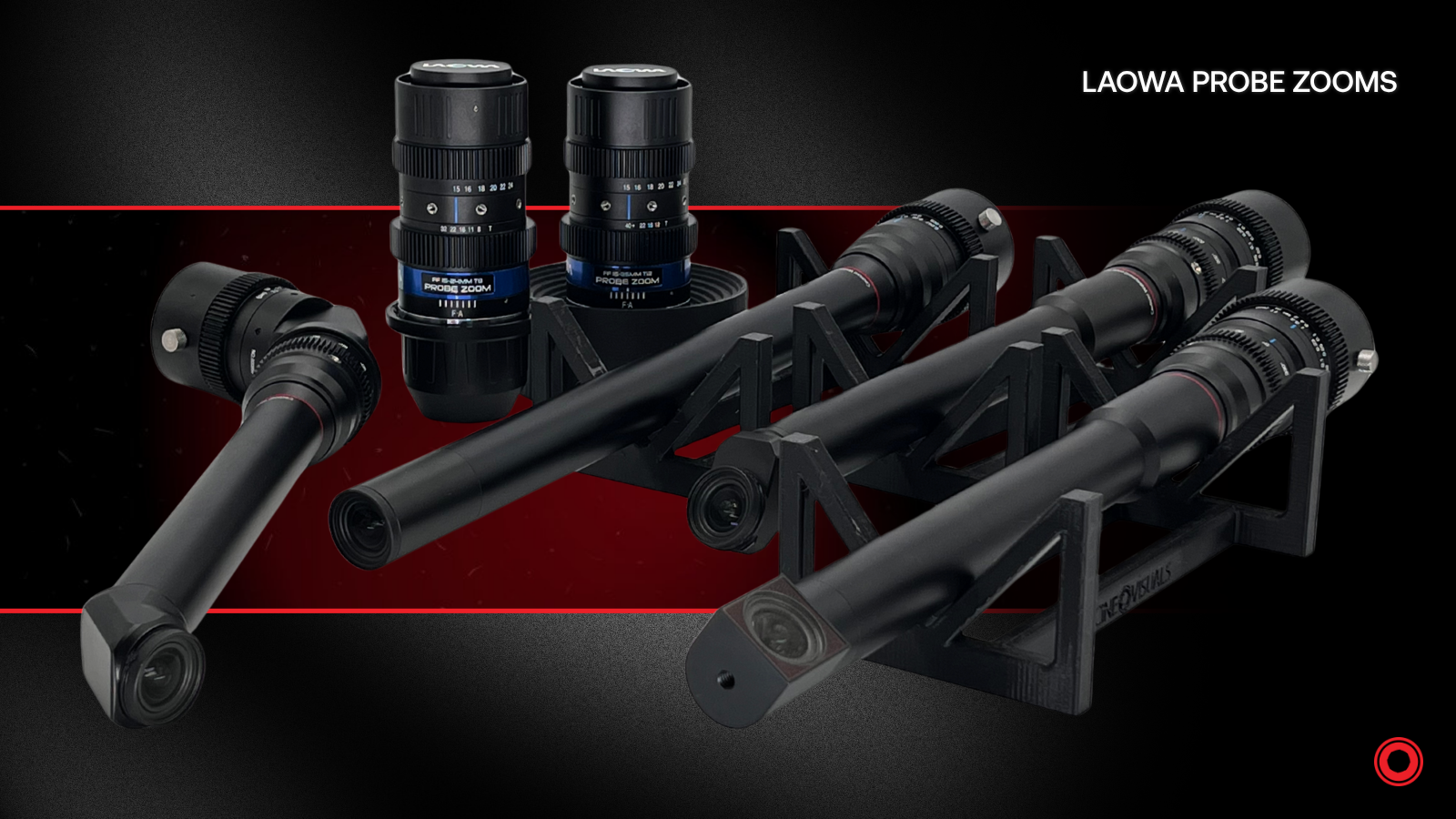
Ergonomically, probe lenses favor speed and minimal footprint, while periscope systems prioritize stability and articulated control. A small probe can be operated by a compact team or even a single operator with the Laowa Probe Zooms. Whereas periscope systems typically benefit from a dedicated crew, support rods, and careful balancing. The tradeoff is accessibility and speed versus mechanical precision and durability.
Versatility & Situational Usage
Choosing between these tools is less about hierarchy and more about matching the lens to the creative and logistical demands of the shot. Probe lenses excel when the goal is immersion within a confined space. Lenses like the Laowa Pro2be, Laowa Probe Zooms, and DZO X-Tract allow the camera to physically enter environments through liquids, miniature sets, or product landscapes while maintaining a wide-angle perspective and deep focus. The addition of zoom capability in the DZO X-Tract as well as the Laowa Probe Zooms introduces a major advantage in controlled builds, allowing reframing without disturbing delicate setups.
The Laowa 24mm PeriProbe represents a hybrid approach. It introduces periscope-like viewing angles but remains a fixed, self-contained lens. This makes it ideal for situations where a slight change in viewing direction is needed without committing to the size and complexity of a full periscope system. However, its fixed focal length limits flexibility compared to zoom-based or interchangeable-lens systems.
Periscope systems like the IB/E Raptor Scope, P+S Technik Skater Scope, and the P+S Technik Superscope expand the concept significantly. These systems are designed for maximum control over perspective. The Raptor Scope, bundled with its own macro primes yet adaptable to PL and LPL lenses, offers a rare combination of optical precision and configurability. It allows cinematographers to maintain the character of their chosen lenses while gaining periscope functionality. The Skater Scope and Superscope rely entirely on external lenses, offering even greater freedom in lens selection but requiring more setup and coordination. These systems are most valuable when the camera cannot move, but the perspective must. In motion-control environments, car interiors, or complex tabletop builds, the ability to pan, tilt, or rotate the image internally without repositioning the camera body is transformative. This is where periscopes excel, offering dynamic framing solutions that would otherwise require cranes, remote heads, or extensive rigging.
Specialty systems like the OpTex Excellence Probe and the Innovision Probe II remain relevant for highly specific applications. The OpTex, with its modular heads and periscope attachments, can shift between straight probe and angled perspectives, making it highly adaptable for experimental or legacy-style tabletop work. The Innovision Probe II, often associated with precision macro cinematography, provides a refined and controlled image, particularly suited for high-end commercial applications.
Conclusion
Choosing a probe or periscope system ultimately comes down to balancing accessibility, control, and the specific visual language required for the project. Compact probe lenses from Laowa and DZOfilm offer speed, affordability, and ease of use, while high-end systems like the IB/E Raptor Scope and P+S Technik Skater Scope provide unmatched flexibility and precision. Specialty lenses such as the OpTex Excellence and Innovision Probe II continue to offer unique capabilities for niche applications and refined macro optics. Cine Visuals offers an expansive selection of these probe and periscope systems, ensuring cinematographers have access to the right tool for any creative challenge. Each lens is maintained to the highest standard by Cine Visuals’ expert in-house technicians, ensuring reliability and peak performance on set, making them an ideal resource for productions seeking both versatility and excellence.