

Loading cart...

A Vintage Zeiss Breakdown: Super, Standard, B Speeds
Cine Visuals Presents: A Zeiss Vintage Cinema Lens Deep-Dive
Intro
Vintage Zeiss cinema lenses sit at a rare intersection of engineering rigor and expressive imperfection, forming a lineage that has shaped both photographic and cinematic history. From the still photography roots of the Zeiss Contax system to the evolution of ARRI-integrated cinema primes like the Standard Speeds, B-Speeds, and Super Speeds, each step in this progression reflects a different response to the same pursuit of faster optics, more usable mechanics, and a distinctive visual language. In their modern rehoused forms through TLS and GL Optics, these lenses continue to define contemporary filmmaking aesthetics while offering filmmakers a range of character-driven options that remain deeply relevant on modern digital sensors.
Optical Imagery and Development
The lineage begins with the Zeiss Contax still photography lenses, developed in collaboration with Yashica in Japan. These lenses established much of the optical DNA that would later influence Zeiss cinema glass. Zeiss Contax lenses have strong micro-contrast, controlled sharpness, and a clean but organic rendering. Their full frame coverage also made them uniquely suited for later adaptation into large format cinema workflows.
As the demand for dedicated motion picture optics increased in the 1970s, Zeiss partnered with ARRI to translate these still photography designs into cinema housings. This led to the ARRI Zeiss Standard Speeds, which effectively recontextualized Contax-derived optics into motion picture tools. The Standard Speeds are defined by their slightly slower apertures compared to later designs, but they reward that compromise with a compact, lightweight form factor and a remarkably accessible price point. They remain one of the most practical vintage Zeiss options for Super 35 cinematography, offering a clean, consistent image with just enough vintage texture to feel organic without overwhelming the frame.
The next evolution came with the Zeiss B-Speeds, also known as the early Super Speed Mark I series. These lenses pushed the speed barrier further while introducing a more expressive optical personality. Their most recognizable trait is the triangular bokeh created by their 3-blade iris design when stopped down, giving bokeh a triangular character that feels both stylized and distinctly analog. The uncoated versions amplify this personality further, allowing increased flare, lowered contrast, and a more unpredictable interaction with light that feels especially atmospheric in backlit or night conditions. They’re an incredible option for affordable lightweight expressive imagery. In many ways, the B-Speeds represent the emotional center of this early Zeiss lineage – less clinically perfect, more visually evocative.
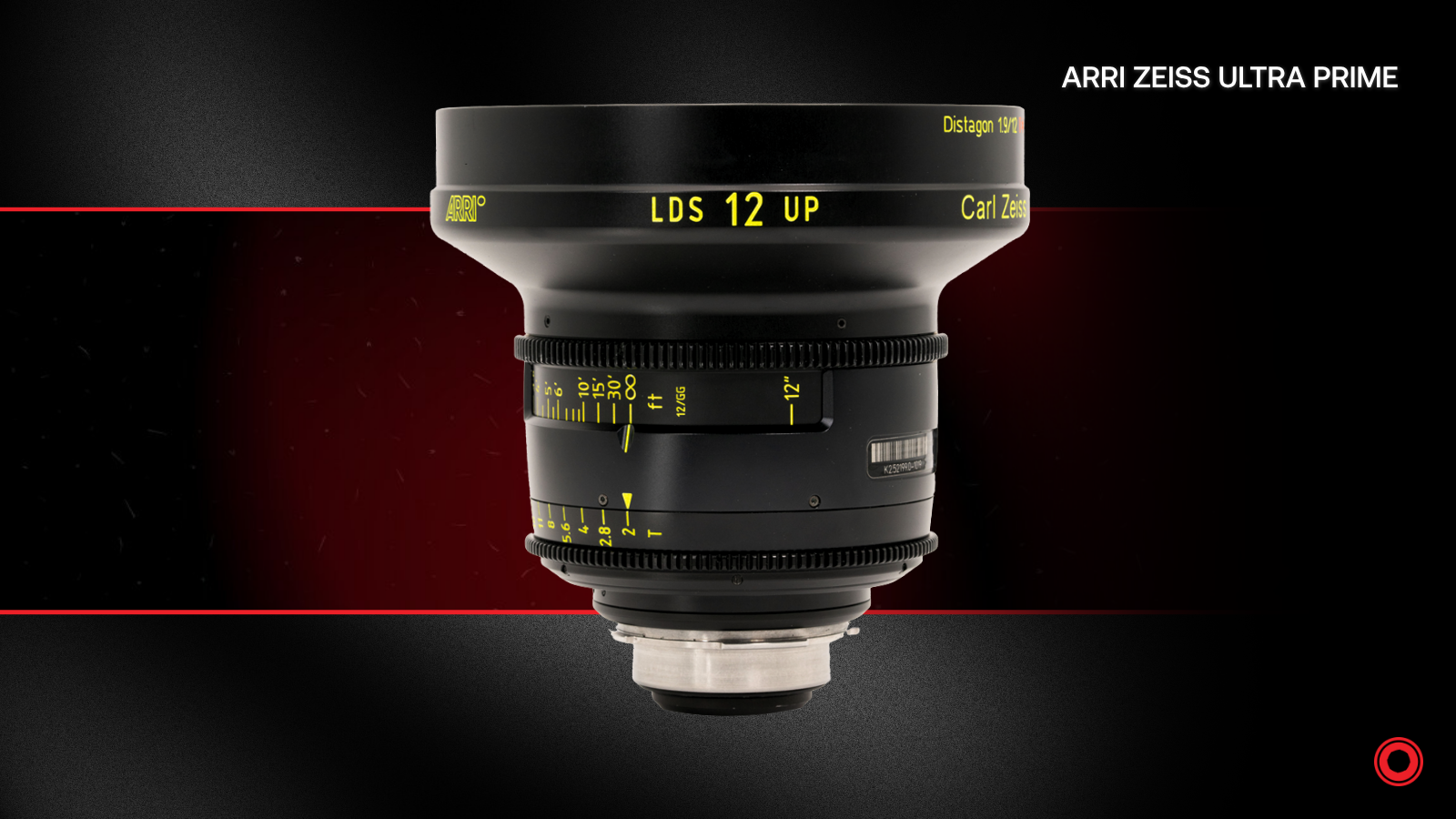
As Zeiss progressed their cinema lenses, the German-crafted Mark II and III generations colloquially became known as the Zeiss Super Speeds, retrofitting the original Super Speeds with the name B-Speeds. The Super Speeds represent the peak of this vintage development arc fitted with ARRI’s advanced mechanical housing and PL Mount capabilities. Faster, more refined, and more mechanically consistent, they became a defining tool of late 20th-century cinematography. Their ability to maintain sharpness at wide apertures while still retaining a gentle falloff and organic highlight roll-off made them indispensable during the transition into faster film stocks and more naturalistic lighting styles. From New Hollywood to the French New Wave to Hong Kong Arthouse, the Super Speeds became synonymous with available-light storytelling, where speed and character were equally essential.
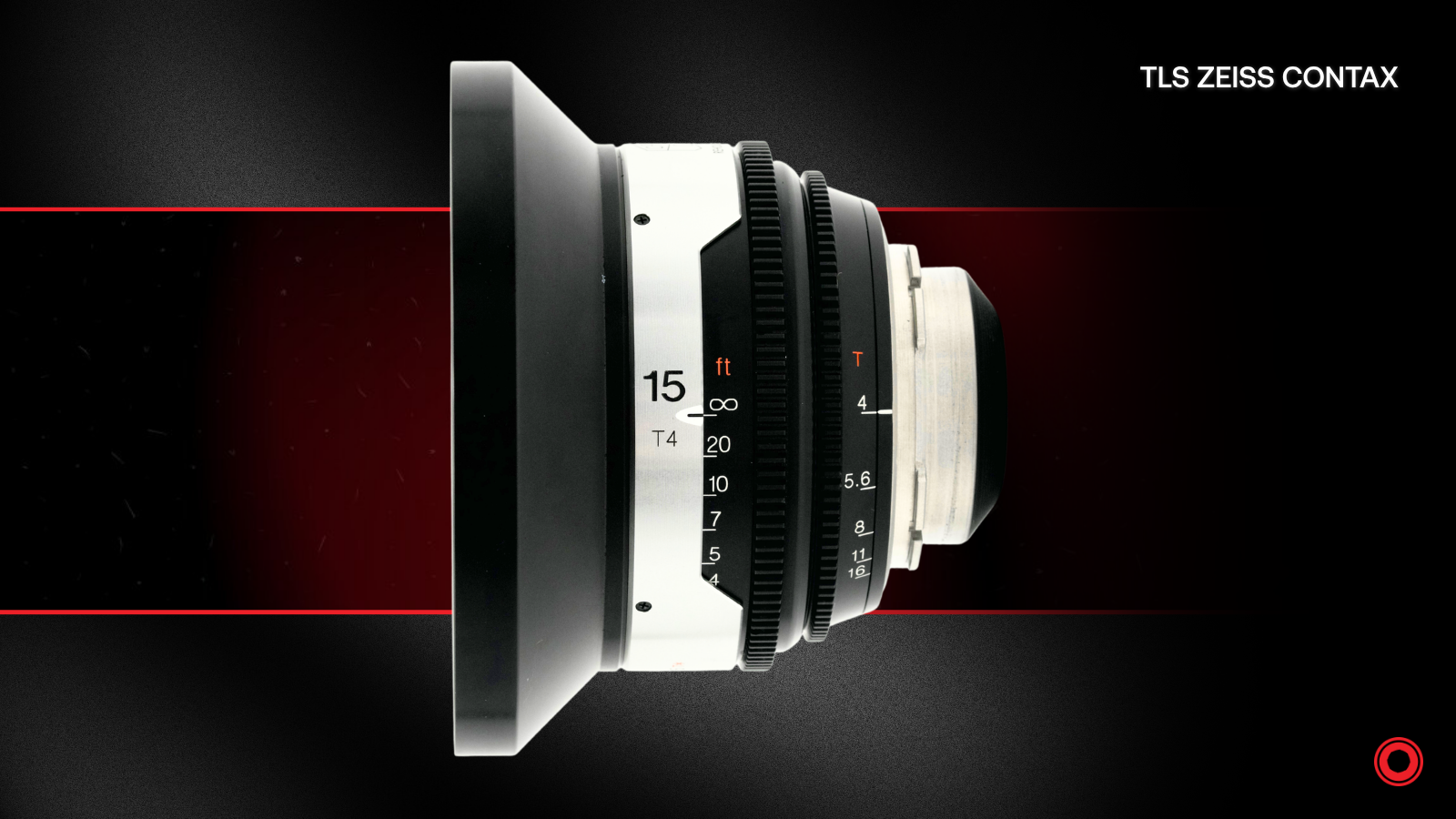
Modern rehousings of these systems such as TLS Zeiss B-Speeds, TLS Zeiss Super Speeds, TLS Zeiss Contax, and GL Optics Contax extend this lineage into Full-Frame and digital cinema environments as well as modern-day production workflows. The Contax-derived sets in particular bridge still photography and motion picture aesthetics, delivering a Full Frame “Super Speed-like” look.
Rehousing Options vs. Original Housings
The mechanical evolution of these lenses is as significant as their optical heritage. Original housings for Standard Speeds, B-Speeds, and Super Speeds were designed for a very different era of filmmaking, one defined by heavier camera systems, simpler accessory workflows, and more limited stabilization tools. These original vintage builds remain compact and relatively lightweight, which makes them attractive for handheld, Steadicam, and gimbal use even today. Their affordability also keeps them accessible for smaller productions seeking authentic vintage Zeiss character without the investment required for full rehoused systems.
However, modern production standards have shifted dramatically, and this is where TLS rehousing becomes transformative. Lenses rehoused by True Lens Services in the United Kingdom, such as the B-Speeds and Super Speeds, retain the original optical blocks but replace the mechanical systems entirely with modern cinema housings. This introduces longer, more precise focus throws, standardized gear positions, consistent front diameters, and improved durability. The result is a set of lenses that behave like modern cinema tools while preserving their vintage optical identity.
The same philosophy applies to the TLS Zeiss Contax and GL Optics Zeiss Contax rehousings. Without these engineering solutions, the Contax system would remain largely locked to still photography workflows. TLS prioritizes uniformity and ergonomic precision, creating sets that feel cohesive across focal lengths, with the Zeiss Contax considered a gift to cinema. GL Optics often provides a more cost-effective entry point, making Zeiss Contax more widely accessible to independent productions.
Meanwhile, Standard Speeds and uncoated B-Speeds often remain in their original housings, which is part of their enduring appeal. Zeiss Standard Speeds are a defining part of motion picture history and help indie filmmakers rise with high quality imagery. Their smaller footprint and lower cost make them ideal for fast-moving productions, where agility and simplicity matter as much as image character.
Situational Comparisons
Each of these lens sets occupies a distinct role in modern cinematography, and the choice between them is driven by format, budget, and aesthetic intent.
TLS Zeiss Contax lenses excel in Full Frame and large-format productions, where their still photography origins translate into a spacious, natural rendering with subtle vintage character. They are particularly well-suited for controlled studio environments or high-end narrative work where sensor coverage and image scale are critical.
TLS Zeiss Super Speeds represent the most balanced professional option. These rehoused German optics’ speed, consistency, and rehoused mechanics make them ideal for demanding productions that require both technical reliability and cinematic character. They perform exceptionally well across both controlled and run-and-gun environments.
Zeiss Standard Speeds occupy a more utilitarian space. In Super 35 workflows, they remain a favorite for indie productions, documentary work, and handheld shooting, where their compact size and forgiving price point outweigh their slower aperture. They deliver a clean, classic Zeiss image without unnecessary complexity.
Zeiss B-Speeds, their uncoated variants, and their rehoused Super Speed Mark I alternatives are the most expressive tools in the lineup. They excel in stylized narratives, music-driven visuals, and night exteriors where flare, bokeh character, and contrast variation become part of the storytelling language. Their triangular bokeh alone makes them a creative choice rather than a neutral one.
Conclusion
Across all variations, the underlying thread is the unmistakable touch of Zeiss characteristics; precision optics shaped by decades of refinement, reinterpreted through different mechanical and artistic eras. Whether in original housings or modern rehousings, these lenses remain active tools of cinematic expression rather than museum pieces. For filmmakers looking to explore this range in practical production environments, accessing them through Cine Visuals’ curated rental inventory allows direct comparison of how each system behaves on set where their differences become not just visible, but creatively decisive.