
Loading cart...

Cooke Mini S4/i vs. S7/i: Which Fits Your Project?
- Author: Sam Jorgensen
Cine Visuals Presents: Comparing Cooke Cinema Lens Options
Introduction
Cooke has long defined the cinematic image with their iconic “Cooke Look.” While both share the same core philosophy, the Mini S4/i Primes offers a traditional film look with classic Super 35 coverage in a lightweight form, whereas the S7/i Primes deliver more modern, full frame coverage with greater sharpness and scale. The distinction ultimately comes down to format, workflow, and creative intent.
Development of the Cooke Look
Early in the evolution of cinema, Cooke developed lenses to properly resolve panchromatic film, which required more balanced sensitivity across the visible spectrum. In solving that problem, they created their optical signature, which is defined by gentle contrast, controlled sharpness, and a warmth that renders skin tones with a natural, almost luminous quality. Cinematographers choose Cooke lenses because they make people look human, dimensional, and emotionally present on screen.
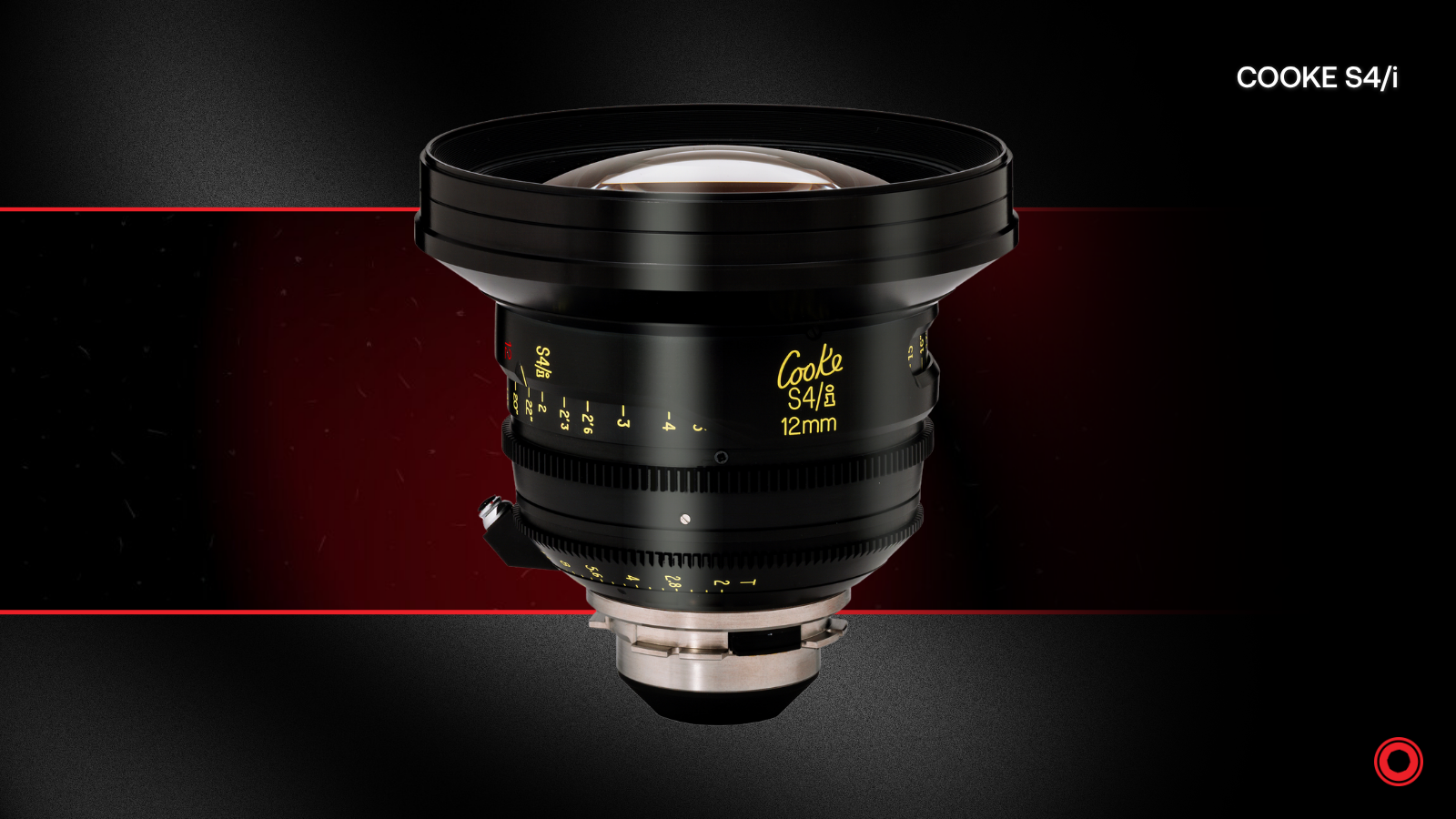
That core philosophy carried forward through decades of optical development, and the Cooke S4/i Primes became a visual cornerstone of early 21st century filmmaking, shaping everything from high-end television to major studio features. Their balance of resolution and character offered a cinematic image that felt polished without becoming clinical, expressive without being distracting. Cinematographers repeatedly returned to them as they delivered consistency, reliability, and a recognizable emotional texture.
As digital cinematography evolved, so did the demands placed on lenses. Higher resolution sensors required optics that could maintain the Cooke Look while resolving more detail, and production environments increasingly favored lighter, more flexible setups. The Cooke Mini S4/i lenses were developed in response to this shift. They retained the essential optical characteristics of the S4/i series but in a smaller, lighter, and more accessible form factor, making them ideal for modern workflows without sacrificing the signature aesthetic.
In parallel, Cooke pushed forward with the S5/i primes, introducing a new level of optical refinement. From that foundation, the Cooke S7/i Primes emerged as a flagship evolution. They were designed specifically for full frame sensors while preserving the warmth and dimensionality that define the Cooke Look with the S5/i glass as their base. For cinematographers, the distinction is not about old versus new, but about choosing how that signature look is expressed in different formats and production scales.
Optical Imagery – Are They Really All That Different?
At their core, both the Cooke Mini S4/i and Cooke S7/i Primes have the unmistakable Cooke Look. They share the same fundamental philosophy of prioritizing natural skin tone reproduction, maintain smooth focus falloff, and avoid the overly clinical sharpness that can detract from storytelling. However, the way each lens set interprets that philosophy differs in meaningful ways.
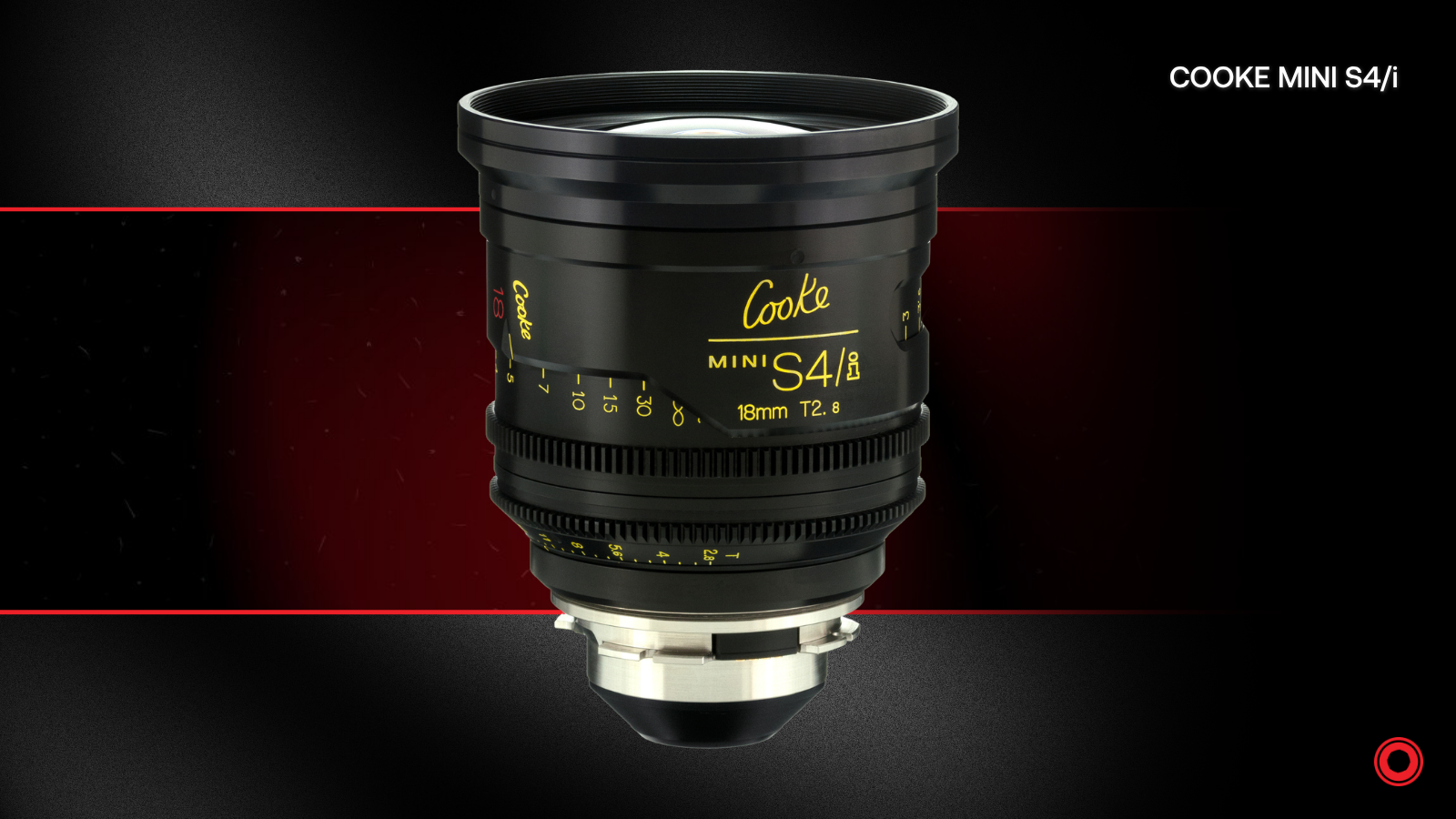
The Cooke Mini S4/i Primes were designed as a lightweight and cost-effective alternative to the original S4/i series, and they inherit much of the same optical DNA. They sacrifice speed with a maximum aperture of T2.8 in order to be more compact than the S4/i lenses with their slightly fast T2 aperture. The Mini S4/i lenses’ Super 35 coverage makes them an ideal match for a wide range of cameras and workflows. One of their defining visual traits is the distinctive octagonal bokeh, a result of their 8-blade iris design they inherited from the S4/i lenses. This gives bokeh a subtle octagonal character that contributes to the classic Cooke aesthetic. The Cooke S7/i Primes, by contrast, represent a more modern interpretation of the Cooke Look. Built for full frame sensors, they provide a larger image circle and a fast T2 aperture. They incorporate a 9-blade iris design first introduced in Cooke S5/i lenses, producing a softer, more circular bokeh that feels smoother and more contemporary.
In terms of overall rendering, the Mini S4/i lenses lean slightly more toward the traditional Cooke aesthetic subtle softness, gentle contrast, and a tactile, filmic quality that feels rooted in classic cinema. The S7/i lenses, while still unmistakably Cooke, introduce a cleaner, more refined image that pairs well with modern high-resolution sensors. They maintain warmth and pleasing skin tones but offer increased sharpness and consistency across the frame, especially at wider apertures. For cinematographers, the choice is about intent.
Form Factor
The Cooke Mini S4/i Primes were conceived as lightweight alternatives to the Cooke S4/i, and that design philosophy is immediately apparent in their size and weight. They are compact, relatively lightweight, and highly versatile, making them particularly well-suited for productions that prioritize mobility and efficiency. Whether mounted on a gimbal, steadicam, handheld rig, or even a drone, they offer a practical solution without compromising the core Cooke aesthetic. This makes them especially attractive for independent productions, documentary-style shooting, and run-and-gun environments where speed and flexibility are critical. Their smaller size also reduces strain on camera support systems and allows for quicker lens changes, which can be invaluable in fast-paced shooting scenarios. Despite their reduced footprint, they maintain the mechanical precision and reliability expected from Cooke, ensuring consistent performance across a wide range of conditions.
The Cooke S7/i Primes, on the other hand, are unapologetically built as flagship lenses. They are larger, heavier, and more robust, reflecting their role in high-end, large-format productions. Their construction supports wider apertures, larger image circles, and more complex optical designs, all of which contribute to their superior performance on full frame sensors. This added size and weight can be a consideration for certain setups, but it also brings advantages in terms of durability, consistency, and overall optical stability. On controlled sets like studio environments or carefully planned location shoots the S7/i lenses excel. Their speed allows cinematographers to work in lower light conditions or achieve extremely shallow depth of field, while their full frame coverage opens up new compositional possibilities. The robust build ensures that they can withstand the demands of large-scale productions, where reliability and repeatability are essential.
Conclusion
Ultimately, the decision between the Cooke Mini S4/i and Cooke S7/i Primes comes down to the specific needs of the project. Both lenses are built to the highest quality. The Mini S4/i lenses offer a lightweight, accessible entry into the Cooke Look, ideal for agile productions and Super 35 workflows. The S7/i lenses, by contrast, represent the pinnacle of Cooke’s optical design, delivering a modern, full frame interpretation of that same aesthetic for high-end cinematic storytelling. For cinematographers renting from Cine Visuals, both options provide a distinct pathway to achieving the warmth, dimensionality, and emotional resonance that define the Cooke Look; it simply becomes a question of scale, format, and creative intent. For those looking to test or rent Cooke lenses, Cine Visuals has a wide array of Cooke lens options as well as highly trained in-house technicians with the technical know-how to help any cinematographer’s lens selection.