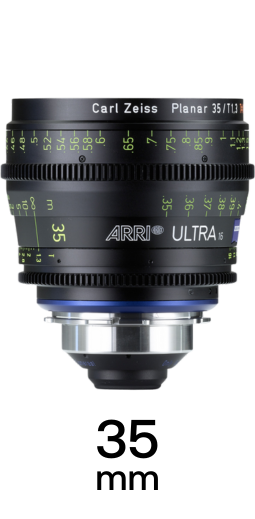
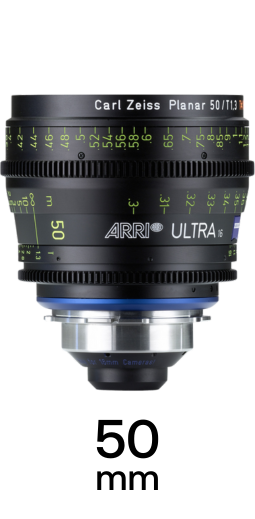
Depth of field behaves differently on Super 16 due to the smaller sensor or film area. For a given framing, Super 16 will generally produce deeper depth of field compared to larger formats. This can be an advantage in environments where maintaining focus across movement is more important than isolating subjects with extremely shallow depth of field.
Lens design for Super 16 is optimized for the smaller image circle required by the format. These lenses are built to deliver consistent performance within that coverage area, without the need to resolve across larger sensors. Using lenses designed specifically for Super 16 ensures proper coverage without vignetting and maintains image quality across the frame. Lenses designed for larger formats can be used on Super 16, but they are often physically larger than necessary and may not provide any practical advantage for the format. For shooting at very close distances, dedicated close-focus optics will outperform standard cine glass at minimum focus regardless of format, and are worth considering when detail work is part of the brief.
The Super 16 format has historically included a range of primes and variable focal length options used across film and digital workflows. However, in this context, the focus is on dedicated Super 16 systems that meet current production standards. Many of these designs were developed during a time when 16mm formats were widely used in television, documentary, and independent filmmaking. Some productions reach for period glass from that era when the rendering characteristics and optical softness of older optics suit the material. This history continues to influence how Super 16 is used today, particularly in projects that benefit from its specific visual and operational characteristics.
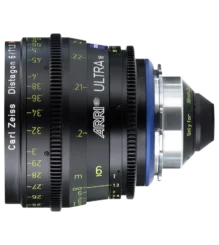
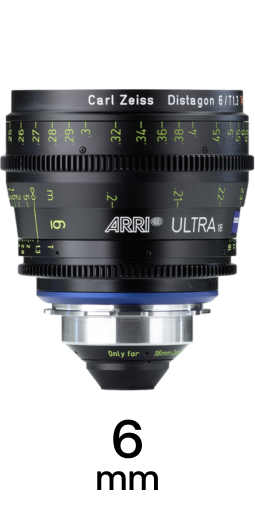
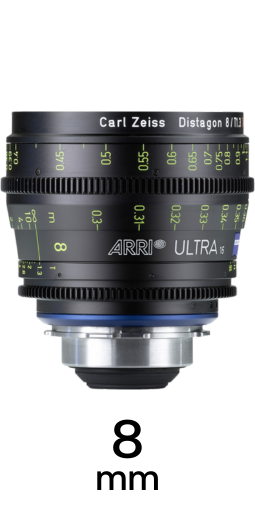
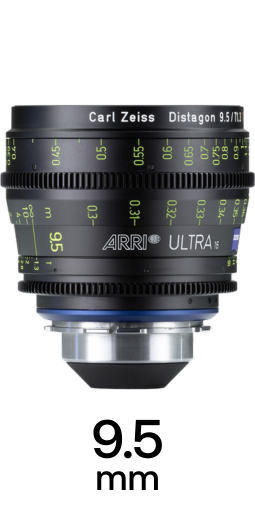
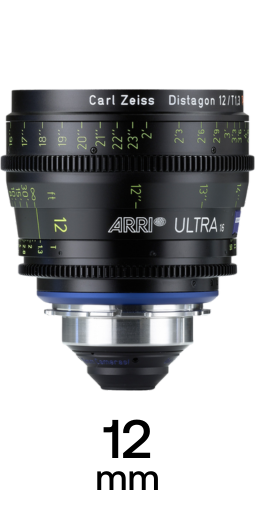
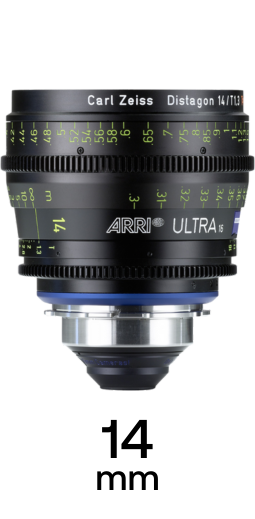
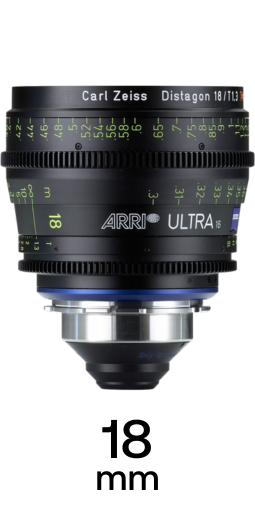
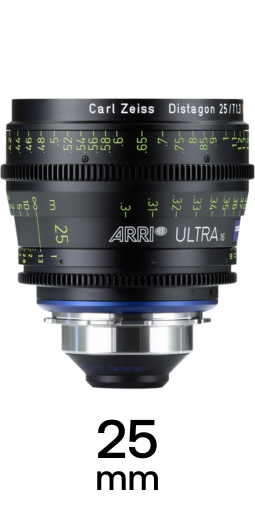
Cine Visuals carries the ARRI Zeiss Ultra 16 lenses, a dedicated Super 16 prime set built specifically for consistent performance within the format. These lenses use a positive lock cine mount and are built specifically for Super 16 coverage, providing reliable sharpness, contrast, and mechanical precision within a compact form factor. Their design reflects the practical needs of productions working within this format, where size, weight, and consistency are often as important as image quality. On documentary and commercial shoots that require getting into tight spaces or achieving unusual point-of-view angles, optics designed for confined access are occasionally combined with Super 16 bodies, where the format’s small footprint makes the pairing especially practical.
All Super 16 lenses are tested and calibrated in-house before leaving the facility. Working with smaller formats places different demands on lens performance, particularly in maintaining consistent focus accuracy and alignment. Ensuring that each lens performs reliably within its intended coverage area is part of the standard preparation process.
Super 16 continues to be used not because it competes directly with larger formats, but because it offers a different set of advantages. Productions prioritizing a horizontal widescreen image with optical compression and bokeh character typically look toward scope format glass, which serves a fundamentally different creative purpose. Super 16’s combination of compact systems, extended effective focal lengths, and deeper depth of field makes it a practical choice for specific types of production.
Frequently Asked Questions
What is Super 16 in cinema lenses?
Super 16 refers to a motion picture format based on 16mm film that uses a larger image area than standard 16mm. Lenses designed for Super 16 are built to cover this format without vignetting or loss of image quality.
Can Super 16 lenses be used on larger sensors?
In most cases, no. Super 16 lenses are designed for a smaller image circle and will typically vignette when used on Super 35 or full frame sensors.
Why would a production choose Super 16 today?
Super 16 is often chosen for its compact camera systems, deeper depth of field, and distinctive visual character. It is commonly used in documentary, handheld, and stylistic narrative work where those qualities are beneficial.